
Main Courses
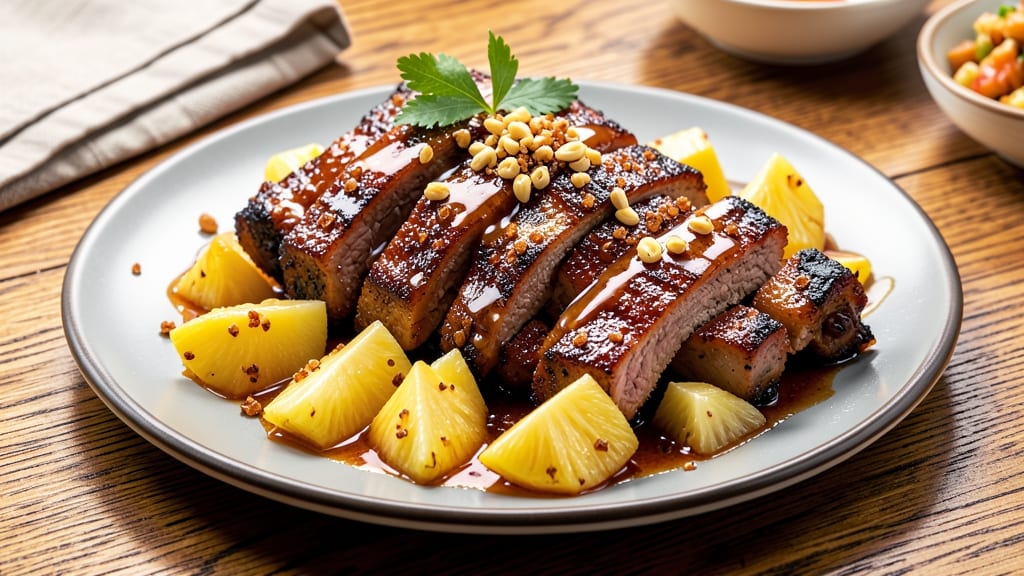
This Panlasang Pinoy pork ribs with pineapple recipe transforms tough ribs into melt-in-your-mouth perfection with a caramelized tropical glaze. 🌟 The secret lies in marinating the ribs overnight with traditional Filipino flavors—soy sauce, vinegar, and garlic—that tenderize while building deep umami.
I perfected this recipe after years of experimenting with Filipino comfort food, and the pineapple glaze adds just the right balance of sweet and tangy brightness.
The magic happens when the ribs caramelize under the heat, creating a sticky, glossy crust that clings to every bite. Fresh pineapple chunks not only add natural sweetness but also tenderize the meat as they cook, while a touch of soy sauce and vinegar keeps the flavors authentically Filipino.
This recipe delivers restaurant-quality results without needing a smoker—just your oven or grill and a little patience.
By the time you're done, you'll have ribs that are fall-off-the-bone tender with a glossy, caramelized glaze that's irresistibly sweet-tart. The aroma alone will have everyone gathering around the table, and each bite delivers layers of flavor—smoky, sweet, and savory all at once.
It's the kind of dish that turns a simple weeknight into a celebration.
Serve with steamed jasmine rice to soak up every last drop of that sticky-sweet glaze, or pair with garlic fried rice for a full Filipino feast. The leftovers reheat beautifully, making this the perfect recipe for meal prep or entertaining. Let's get cooking!
Ingredients for pork ribs with pineapple recipe panlasang pinoy
Seven key ingredients transform tough ribs into sticky-sweet Filipino perfection.
| Ingredient | Amount | Notes |
|---|---|---|
| Baby Back Pork Ribs 🥓 | 3 lb | Bone-in, meaty cuts preferred |
| Fresh Pineapple Chunks 🍍 | 2 cups | Fresh or canned in juice, no syrup |
| Soy Sauce 🥄 | ½ cup | Kikkoman preferred for authentic flavor |
| White Vinegar 🍶 | ¼ cup | White or cane vinegar |
| Brown Sugar 🍚 | ½ cup | Packed firmly, light or dark |
| Garlic Cloves 🧄 | 8 cloves | Minced or finely chopped |
| Fresh Ginger 🌿 | 1 tbsp | Grated, or 1 tsp ground ginger |
| Olive Oil 🫒 | 2 tbsp | Extra-virgin for marinade |
| Black Peppercorns 🌶️ | 1 tsp | Freshly cracked preferred |
| Salt 🧂 | 1 ½ tsp | Kosher or sea salt |
| Green Onions 🧅 | 3 whole | Sliced, for garnish |
| Jasmine Rice 🍚 | 3 cups | Uncooked, for serving |
| Honey 🍯 | 1 tbsp | Optional for extra sweetness |
The ribs are non-negotiable—baby back pork ribs with good meat-to-bone ratio work best. Look for cuts with a thick layer of fat on top for that signature caramelized crust. Costco or local butchers usually have the best quality, but any supermarket meat section will do. Fresh pineapple is ideal, but canned pineapple in juice (no syrup!) works in a pinch—just drain it well. For the soy sauce, Kikkoman is the gold standard, but any good-quality soy sauce will do. The ginger and garlic are where the magic happens—freshly grated ginger has more punch, but ground ginger works if you're short on time.
No fresh pineapple? Canned pineapple in juice is your best bet—just drain it thoroughly. Running low on soy sauce? Coconut aminos can substitute at a 1:1 ratio, though the flavor will be slightly different. Want to cut sugar? Reduce the brown sugar to 0.3 cups and add 1 tbsp of honey instead. The honey isn't strictly necessary, but it adds that extra layer of sweetness that makes this dish so addictive. If you're using canned pineapple, look for chunks in juice—not syrup. The syrup version will make your glaze too cloyingly sweet. And if you're feeling fancy, add 1 tsp of fish sauce to the marinade for deeper umami, though it's optional.
Marinate the ribs overnight for best results—they'll thank you with tender, fall-apart texture. The pineapple chunks can be prepped ahead and stored in the fridge for 3 days before using. For serving, cook the jasmine rice in advance—it reheats beautifully and soaks up all that sticky-sweet glaze. Leftovers? Store in an airtight container in the fridge for 4-5 days or freeze for 3 months. The glaze thickens as it cools, so you can always add a splash of water or pineapple juice when reheating. This dish tastes even better the next day—trust me on that.
Why You'll Love This Recipe
- One-Pan Magic: I swear by this recipe because it’s all on one sheet pan—no fancy prep, no messy stovetop. Just ribs, pineapple, and a quick glaze of soy, vinegar, and sugar that caramelizes while you sip your coffee.
- Sweet-Savory Balance: That tangy-sweet glaze? It’s the star. The brown sugar mellows the vinegar’s bite, while the pineapple’s juicy acid cuts through the ribs’ richness—like a flavor hug you didn’t know you needed.
- Party Ready: Between us, this is my go-to for gatherings. The ribs fall off the bone, the pineapple adds brightness, and it’s always a hit—whether it’s a lazy Sunday or a last-minute potluck. (Yes, even on a Tuesday night.)
Step-by-step instructions for pork ribs with pineapple glaze
Here's how to create that perfect balance of sticky caramelized ribs with tangy-sweet pineapple goodness.
🔥 Step 1: Sear the Ribs for Maximum Flavor
Pat the 3 lb baby back pork ribs dry with paper towels—this ensures a perfect sear. Heat a large oven-safe skillet over medium-high heat and add the 2 tbsp olive oil. Once shimmering, place the ribs fat-side down and sear for 5-6 minutes until deeply golden brown. Flip and repeat on the other side.
Here's the thing—don't rush this step. You want those ribs to develop a rich, caramelized crust that'll hold up to the sauce. I press down gently on the ribs during the first minute to prevent curling and ensure even contact with the pan. Once properly seared, transfer the ribs to a plate and set aside.
🍳 Step 2: Build the Tropical Glaze
In the same skillet (don't clean it—the browned bits are flavor gold), add the 8 cloves minced garlic and 1 tbsp grated fresh ginger. Sauté for 1 minute until fragrant—you should smell that pungent aroma wafting through your kitchen. Be careful not to burn them; garlic turns bitter fast.
Now add the 2 cups fresh pineapple chunks, 0.5 cup soy sauce, 0.25 cup white vinegar, and 0.5 cup packed brown sugar. Stir everything together and let it simmer for 3-4 minutes until the pineapple softens slightly and the mixture thickens into a glossy sauce. This is where the magic happens—the sweet and tangy flavors meld together beautifully.
🥘 Step 3: Caramelize the Ribs in the Glaze
Return the seared ribs to the skillet, spooning that delicious sauce over them completely. The liquid should sizzle and bubble as it hits the hot pan. Cover with a lid and cook on the stovetop over medium heat for 15 minutes, turning occasionally to ensure even coating.
After 15 minutes, transfer the skillet to a preheated 375°F oven. Bake uncovered for 30-40 minutes until the ribs are tender and the sauce has thickened into a glossy, caramelized glaze. You'll know they're done when the meat pulls away from the bone easily and the sauce has reduced to a sticky consistency.
🍽️ Step 4: Finish with Honey and Garnish
Remove the ribs from the oven and drizzle with the 1 tbsp honey, tilting the pan to coat evenly. Return to the oven for 2-3 minutes just to warm through and let that honey caramelize slightly. The aroma at this point is incredible—smoky, sweet, and tangy all at once.
While the ribs rest, slice the 3 whole green onions and sprinkle them over the top. Serve the ribs hot over the 3 cups cooked jasmine rice, letting that sticky glaze drip over everything. The contrast of tender, caramelized ribs with the bright acidity of the pineapple and the fluffy rice makes this dish unforgettable.
Pro Tips For Making Pork Ribs With Pineapple Recipe Panlasang Pinoy
- CUT RIBS IN HALF LENGTHWISE: The bone-in racks take forever to cook through. Split them down the center—it doubles surface area for faster caramelization and lets the sauce penetrate deeper. Just be careful not to cut into the meat itself, or you’ll end up with chewy chunks instead of tender bites.
- USE FROZEN PINEAPPLE—NO THAWING: Fresh pineapple gets mushy when simmered. Grab the pre-cut frozen chunks straight from the bag—no thawing needed. They’ll release their sweetness gradually without turning the sauce into a watery mess. (Yes, even if you’re impatient like me.)
- SIMMER THE SAUCE FIRST: Don’t just dump everything in at once. Bloom the soy sauce and brown sugar in the pan for 2–3 minutes before adding vinegar and pineapple. This builds a deeper flavor base and prevents the sauce from tasting like vinegar overload. I learned this the hard way after making a batch that tasted more like a pickling liquid.
- COVER WITH FOIL AT THE END: The last 10 minutes? That’s when the ribs can dry out if you’re not careful. Tent them loosely with foil to trap steam, then uncover just long enough to let the sauce glaze. This keeps the meat juicy while still giving you that sticky, caramelized finish everyone loves. (Your future self will thank you.)
Regional styles of these flavors
Filipino BBQ Style
In the Philippines, ribs are often cooked using a slow-roasting method called "inuming" where they're basted with a mix of soy sauce, vinegar, and brown sugar. This version keeps that core technique but adds pineapple for brightness.
The key difference is the oven finish—Filipino BBQ often uses charcoal grills, but your oven works perfectly. I find the 375°F temperature mimics that smoky, caramelized effect beautifully. 🔥
Caribbean Fusion Twist
For a tropical fusion approach, add 1 tbsp lime juice and ½ tsp allspice to the glaze. The lime brightens the pineapple while allspice adds warm Caribbean notes that pair wonderfully with the Filipino flavors.
I've made this version with baby back ribs and St. Lucia-style seasoning>—it's a crowd-pleaser at summer BBQs. Serve with coconut rice instead of jasmine for extra tropical flair.
Japanese Teriyaki Adaptation
Swap the soy sauce for Japanese teriyaki sauce> (about ½ cup) and add 1 tbsp mirin> to the glaze. The teriyaki adds a deeper sweetness while keeping the pineapple's tang. I like to finish with a sprinkle of toasted sesame seeds> instead of green onions.
This version works beautifully with Japanese-style BBQ sauce> brushed on during the last 5 minutes> of cooking. 🌟
Spicy Ulam Style
For heat lovers, add 1 tbsp sriracha> or 1 chopped Thai chili> to the glaze. The spicy-sweet contrast takes this dish to another level. I also include 1 tsp shrimp paste (bagoong)> in the marinade for extra umami depth—a nod to Filipino ulam (stew) traditions.
Garnish with cilantro> instead of green onions for a fresh finish. This version is perfect for those who love their ribs with a kick!
Slow Cooker Adaptation
For hands-off cooking, use a slow cooker> on low for 6-8 hours>. Sear the ribs first, then combine all glaze ingredients in the slow cooker and add the ribs. Cook until tender, then finish with honey as directed.
The slow cooker method develops even deeper flavors—ideal for busy weeknights. I find this version works especially well with St. Louis-style ribs> due to their larger size and meat content. ✨
Nutrition facts
Frequently asked questions
Can I use frozen pineapple instead of fresh?
Yes, but thaw and drain it thoroughly first! Frozen pineapple works in a pinch, though fresh adds better texture. If using canned, always select chunks in juice—not syrup—to avoid an overly sweet glaze. Drain well and pat dry before adding to the sauce.
How do I know when the ribs are fully cooked?
The ribs are done when they easily pull away from the bone and the internal temperature reaches 195°F. Use a meat thermometer to check the thickest part—no need to guess! The sauce should also thicken into a glossy, caramelized consistency.
What if my glaze isn't sticky enough?
Simmer the sauce uncovered for 5-10 extra minutes to reduce it further. If it's still too thin, add 1 tbsp cornstarch mixed with 1 tbsp water> and stir until thickened. The glaze should coat the back of a spoon when cooled slightly.
Can I make this recipe in a slow cooker?
Sear the ribs first, then combine everything in your slow cooker on low for 6-8 hours. Finish with the honey topping as directed. This method develops deeper flavors and is perfect for busy days—just check for doneness with a meat thermometer.
What's the best way to reheat leftovers?
Gently reheat in a skillet over low heat with 1 tbsp pineapple juice or water> to loosen the glaze. Avoid microwaving—it makes the sauce watery. For extra crispiness, broil for 2-3 minutes> at the end.