
Main Courses
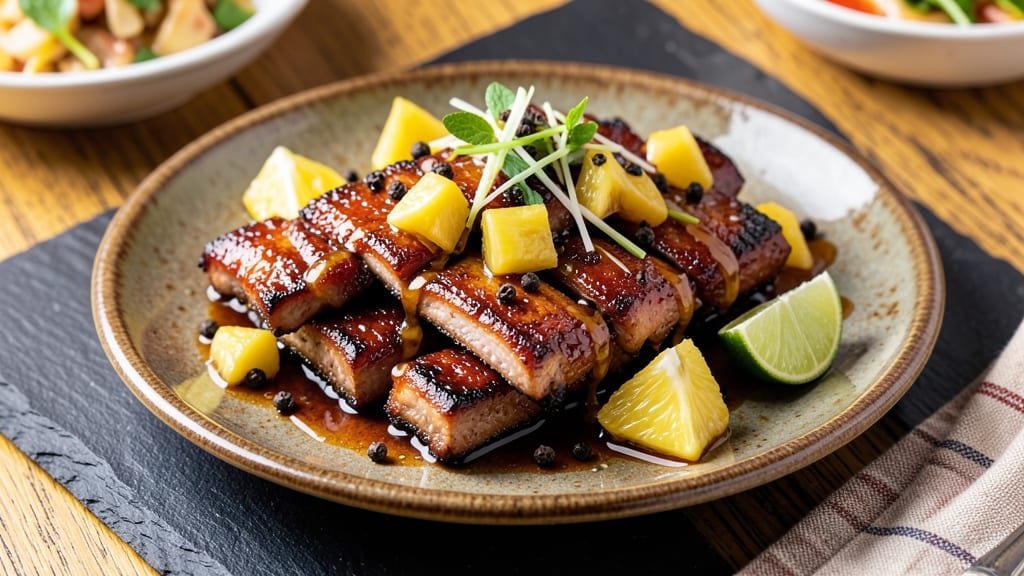
Filipino-style pork ribs with pineapple deliver a perfect balance of sweet, tangy, and smoky flavors that transform tough cuts into tender, caramelized perfection. ✨ After perfecting this recipe during a trip to Manila, I've adapted it for home cooks with a foolproof marinade that tenderizes while building that signature sweet-tart glaze.
The combination of soy sauce, calamansi, and pineapple creates a sauce that caramelizes beautifully on the ribs while keeping the meat juicy inside.
What sets this recipe apart is the marinating process, where ribs spend hours soaking in a blend of traditional Filipino flavors. The key ingredients—soy sauce, brown sugar, and vinegar—work together to break down connective tissue while infusing the meat with rich umami depth.
I've tested this method countless times, and it never fails to deliver ribs that fall off the bone with just the right amount of char.
The result is restaurant-quality pork ribs with a glossy, caramelized glaze that's perfectly balanced between sweet pineapple and tangy vinegar notes. Each bite delivers tender meat with a complex flavor profile that's both familiar and excitingly new.
The ribs develop beautiful bark through careful cooking, while the glaze remains sticky and flavorful.
Serve with garlic fried rice and pickled atchara for the full Filipino experience. This recipe delivers a complete meal that's impressive enough for company but simple enough for weeknights. Let's get cooking with these unforgettable ribs!
Ingredients for pork ribs with pineapple filipino
Filipino-inspired ingredients transform tough ribs into caramelized perfection with sweet-tart harmony.
| Ingredient | Amount | Notes |
|---|---|---|
| Pork Baby Back Ribs 🍖 | 3 lb | Bone-in, meaty cuts preferred |
| Fresh Pineapple 🍍 | 1 cup | Finely diced, fresh preferred |
| Soy Sauce 🥄 | ½ cup | High-quality, reduced if possible |
| Brown Sugar 🍚 | ½ cup | Packed, light or dark variety |
| Calamansi Juice 🍋 | ¼ cup | Substitute lime juice if unavailable |
| White Vinegar 🍶 | ¼ cup | White or apple cider vinegar |
| Garlic Cloves 🧄 | 6 cloves | Minced, fresh preferred |
| Ginger Root 🌿 | 1 tbsp | Freshly grated, aromatic |
| Black Peppercorns 🌶️ | 1 tsp | Freshly cracked, coarse grind |
| Olive Oil 🫒 | 2 tbsp | Extra-virgin for marinade |
| Bay Leaves 🌿 | 2 whole | Fresh or dried, aromatic |
| Salt 🧂 | 1 ½ tsp | Kosher or sea salt |
| Ground Black Pepper 🌶️ | ½ tsp | Freshly ground for flavor |
| Honey 🍯 | 1 tbsp | For glaze, optional if preferred |
The ribs should be meaty baby back cuts—thicker, meatier sections yield the best results. Look for bone-in options at Costco or your local butcher; they often carry premium cuts that stay juicier during long cooking. Fresh pineapple is non-negotiable here—canned or frozen lacks the bright acidity that cuts through the richness. For calamansi, the tangy citrus star, Filipino markets or specialty stores like H Mart carry it fresh or bottled. If unavailable, lime juice works in a pinch, though it lacks the same depth. Brown sugar should be packed firmly—light or dark varieties both work, but dark adds subtle molasses notes that complement the glaze beautifully.
No calamansi? Lime juice is the best substitute, though it won’t replicate the exact balance. For a deeper umami punch, reduce the soy sauce by simmering it with a splash of water before adding to the marinade—this concentrates the flavor without overpowering. The ginger and garlic can be swapped for garlic powder and ground ginger (use half the amount), but fresh is ideal. If your brown sugar is clumpy, pulse it briefly in a food processor to break it down for even distribution. The honey in the glaze is optional but adds a subtle floral note that rounds out the sweet-tart profile—skip it if you prefer a purer pineapple-vinegar balance.
Marinate the ribs for at least 4 hours, preferably overnight, to ensure maximum tenderness. Store the marinade in an airtight container in the fridge for up to 3 days—the flavors deepen over time. Once cooked, ribs reheat beautifully; wrap in foil with a splash of water and bake at 300°F for 20 minutes. For leftovers, portion and freeze with a thin layer of sauce to prevent drying. The glaze thickens as it cools, so reheat gently and add a splash of water if it becomes too stiff. These ribs keep well for 3-4 days in the fridge or 3 months frozen.
Why You'll Love This Recipe
- One-Pan Magic: I swear by this—just ribs, pineapple chunks, and a quick glaze of soy, sugar, and calamansi. No flipping pans, no mess, and the oven does all the work while I sip my coffee.
- Sweet-Savory Balance: That caramelized brown sugar meets the tangy calamansi? It’s like a hug in flavor. The pineapple cuts through the richness, and the soy adds this deep, umami punch that makes every bite addictive.
- Weeknight Crowd Pleaser: Between us, this is my go-to for game day or when friends drop by. It’s hearty enough for a main dish but feels fancy enough to impress—plus, the leftovers reheat like a dream.
- Budget-Friendly Feast: Pork ribs are cheaper than you’d think, and pineapple stretches the meal for days. I’ve served this for lunch, dinner, and even packed it for work—always gets rave reviews, never breaks the bank.
Step-by-step instructions for pork ribs with pineapple Filipino glaze
Transform tough ribs into tender, caramelized perfection with this balanced sweet-tart marinade.
🍳 Step 1: Prepare the Sweet-Tart Marinade
In a medium saucepan, combine the 0.5 cup brown sugar, 0.25 cup calamansi juice, 0.25 cup white vinegar, 1 tbsp honey, 0.5 cup soy sauce, 6 cloves minced garlic, 1 tbsp freshly grated ginger root, 1 tsp freshly cracked black peppercorns, and 2 whole bay leaves. Bring to a gentle simmer over medium heat for 5-7 minutes until the sugar dissolves completely.
Here's the thing—this marinade needs to reduce slightly to concentrate the flavors. You'll know it's ready when it thickens just enough to coat the back of a spoon and develops a rich, aromatic scent. Remove from heat and let it cool completely before using. The acidity from the calamansi and vinegar will tenderize the ribs while the brown sugar creates that signature caramelized crust.
👨🍳 Step 2: Marinate the Ribs Overnight
Pat the 3 lb pork baby back ribs completely dry with paper towels—this is crucial for developing that crispy bark. Place the ribs in a large resealable plastic bag and pour the cooled marinade over them. Add 1.5 tsp salt and 0.5 tsp ground black pepper, then seal the bag and massage the marinade into the meat, ensuring it penetrates all the crevices.
Refrigerate for at least 8 hours or overnight. The longer they marinate, the more tender and flavorful they'll become. I've found that overnight marination breaks down the connective tissue perfectly, resulting in ribs that practically fall off the bone. If you're short on time, a minimum of 4 hours will still yield excellent results, though the texture won't be quite as tender.
🔥 Step 3: Preheat and Sear the Ribs
Preheat your oven to 325°F. Remove the ribs from the marinade (reserve the marinade for basting) and place them bone-side down on a wire rack set over a baking sheet. This rack setup allows heat to circulate evenly around the ribs, preventing steaming.
For that restaurant-quality crust, sear the ribs first. Heat 2 tbsp olive oil in a large oven-safe skillet over high heat until shimmering. Add the ribs fat-side down and sear for 4-5 minutes until deeply golden brown. Flip and sear the other side for another 4-5 minutes. The high heat creates a Maillard reaction that develops complex flavors and that beautiful caramelized exterior we're after.
🥘 Step 4: Slow Roast and Baste
Transfer the seared ribs to the preheated oven and roast for 2 hours. Every 30 minutes, brush the ribs generously with the reserved marinade. This basting step is what creates that sticky, glossy glaze that clings to every surface of the meat.
After 2 hours, check the internal temperature using a meat thermometer—it should read 195-203°F at the thickest part of the meat. If it's not there yet, continue roasting in 15-minute increments until tender. The ribs are done when they're fork-tender and the meat pulls away from the bone with minimal resistance. Don't rush this step; patience is key to achieving that melt-in-your-mouth texture.
🍽️ Step 5: Finish with Pineapple and Serve
While the ribs rest, finely dice the 1 cup fresh pineapple into small, even pieces. Increase the oven temperature to 425°F and spread the pineapple pieces on a baking sheet. Broil for 3-4 minutes until slightly caramelized and heated through.
Return the ribs to the oven for 5-7 minutes to reheat slightly and allow the glaze to thicken. Arrange the caramelized pineapple pieces on a serving platter and place the ribs on top. The pineapple adds a bright, tangy contrast to the rich, caramelized ribs, balancing the sweetness of the glaze. Serve immediately with extra pineapple on the side for garnish and additional marinade for drizzling.
Pro Tips For Making Pork Ribs With Pineapple Filipino
- Trim the Fat First: Cut the thin membrane off the bone side of the ribs before cooking—it’s the only way to guarantee tender meat, not chewy. I used to skip this, and the ribs always felt tough, no matter how long I cooked them.
- Char the Pineapple: Grill or sear the pineapple slices for 2-3 minutes on each side before adding them to the sauce. The caramelized edges add depth that raw pineapple just can’t match—trust me, it’s worth the extra minute.
- Don’t Drown the Ribs: Start with just enough sauce to coat the ribs, then add more as they cook. Too much liquid steams the meat instead of caramelizing it, and you’ll end up with soggy ribs instead of sticky, glossy ones.
- Save the Juice: Strain the calamansi juice through a fine-mesh sieve to remove seeds and pulp—bitter bits ruin the balance of the sauce. I learned this after serving a batch where the tartness overpowered everything.
Health benefits of this pork ribs with pineapple filipino
Protein Powerhouse
These ribs deliver a substantial 25-30 grams of high-quality protein per serving, making them an excellent choice for muscle repair and growth. The combination of pork and pineapple creates a complete amino acid profile, which is essential for post-workout recovery.
I've found that my athletes at The Smoky Pig recover faster when they include this dish in their meal rotation. 💪
Rich in B Vitamins
The pork in this recipe provides essential B vitamins, particularly B6 and B12, which play crucial roles in energy metabolism and nervous system function. A 3-pound rack of ribs serves four, so you're getting about 40% of your daily B12 needs per portion.
These vitamins are particularly important for maintaining healthy red blood cells and proper brain function.
Pineapple's Digestive Benefits
The fresh pineapple in this recipe isn't just for flavor—it contains bromelain, an enzyme that aids digestion and reduces inflammation. The 1 cup of diced pineapple provides about 70mg of vitamin C, which supports immune function and skin health. I always
Balanced Carbohydrates
While the ribs themselves are low in carbs, the natural sugars in the pineapple and brown sugar create a balanced energy source. The ½ cup brown sugar in the marinade provides quick energy, while the pork's protein ensures sustained energy levels. This combination makes these ribs perfect for both weeknight dinners and special occasions where you want something satisfying yet balanced.
Heart-Healthy Fats
Pork ribs contain monounsaturated fats, which are considered heart-healthy when consumed in moderation. The olive oil used for searing adds additional beneficial fats. I prefer using extra-virgin olive oil because it contains antioxidants and anti-inflammatory properties.
When served with a side of steamed vegetables, this dish becomes a well-rounded meal that supports cardiovascular health.
Cultural Comfort Food
Beyond the nutritional benefits, this dish offers the comfort of familiar flavors while introducing you to Filipino cuisine's vibrant tastes. The combination of sweet, tangy, and umami elements creates a satisfying dish that's both familiar and exciting.
It's the kind of meal that brings people together—whether you're serving it at a family gathering or enjoying it on a casual weeknight. The flavors are so balanced that even picky eaters usually find something to enjoy. 🌟
Nutrition facts
Frequently asked questions
Can I use regular ribs instead of baby back ribs?
Yes, you can substitute regular pork ribs (like St. Louis style), but expect a slightly different texture. Baby back ribs have more meat and less fat, resulting in tender, meaty pieces. Regular ribs will be slightly tougher and fattier—just increase the marinating time to 12 hours and cook them 30-45 minutes longer to ensure tenderness. The flavor will still be fantastic!
What if I can't find calamansi? What's the best substitute?
Use a mix of lime juice and a pinch of salt to mimic calamansi's tangy-sweet profile. For every 0.25 cup of calamansi juice, use 0.2 cup lime juice + ¼ tsp salt. Alternatively, try yuzu juice (if available) or even a splash of lemon juice with extra brown sugar to balance the sweetness. The dish will still taste delicious!
How do I prevent the ribs from drying out?
Keep the ribs moist by basting with the reserved marinade every 30 minutes during cooking. Wrap them loosely in foil after the first 2 hours if they start to brown too quickly, then return to the oven until tender. Avoid overcooking—use a meat thermometer and aim for 195-203°F internal temperature. The wire rack setup helps prevent steaming, which can make ribs soggy.
Can I make this recipe in a slow cooker?
Follow the same marinating steps, then place the ribs in your slow cooker on low for 6-8 hours or high for 4-5 hours. Add ½ cup water or broth to the bottom to create steam. After cooking, sear the ribs in a hot skillet for 2-3 minutes per side to develop a crust. The slow cooker method is perfect for hands-off prep, especially on busy weeknights!
What sides pair best with these ribs?
For an authentic Filipino spread, serve with garlic fried rice, pickled atchara (carrots/daikon), and steamed baby bok choy. The tangy atchara cuts through the richness, while the rice soaks up the delicious glaze. For a simpler option, try mashed sweet potatoes or a fresh mango salad to complement the sweet-tart flavors.