
Main Courses
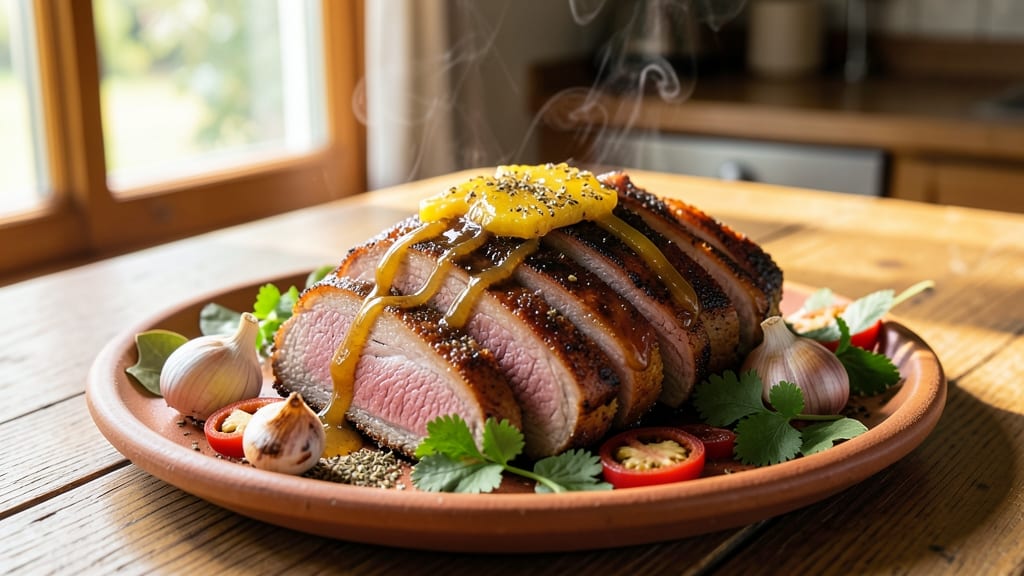
This pork asado recipe with pineapple juice transforms tough cuts into melt-in-your-mouth perfection with a tropical twist. The secret?
A slow-braised marinade that tenderizes the meat while infusing it with the bright acidity of pineapple—just like my abuela used to make. 💛 The combination of garlic, cumin, and citrus creates layers of flavor that turn even the simplest pork shoulder into something extraordinary.
The process is simpler than it sounds: marinate the pork overnight, then slow-cook it until it falls apart, basting with that same pineapple-infused marinade. This isn't just about the meat—it's about the experience.
The pineapple juice caramelizes into a sticky glaze, balancing the richness of the pork with a sweet-tangy contrast that makes every bite unforgettable. And because we're talking about a foolproof method, you won't need to babysit the oven or grill.
What you'll end up with is pork so tender it practically melts, with a glossy, caramelized crust that's impossible to resist. The pineapple juice doesn't just flavor the meat—it transforms the dish into something vibrant and inviting.
Serve it with grilled vegetables, a side of rice, or a fresh tropical salsa to complete the meal. This is the kind of recipe that turns weeknight dinners into special occasions.
Here's the best part: this method works for pork ribs, pork shoulder, or even pork chops—just adjust the cooking time. The pineapple marinade keeps the meat moist while adding a brightness that cuts through the richness.
Let's get started on a dish that's equal parts comforting and exciting. Your taste buds will thank you.
Ingredients for pork asado recipe with pineapple juice
Six ingredients transform tough pork into melt-in-your-mouth perfection with tropical brightness.
| Ingredient | Amount | Notes |
|---|---|---|
| Pork Shoulder (Bone-In) 🥩 | 4 lb | Cut into 2-inch chunks for even cooking |
| Fresh Pineapple Juice 🍍 | 1 ½ cups | From 1 large pineapple, freshly squeezed |
| Garlic Cloves 🧄 | 8 cloves | Minced for marinade and basting |
| Ground Cumin 🌿 | 2 tbsp | Toasted for deeper aroma (optional) |
| Dried Oregano 🍃 | 1 ½ tbsp | Mexican oregano preferred |
| Bay Leaves 🌿 | 2 whole | Fresh or dried, removed before serving |
| Olive Oil 🫒 | ½ cup | Extra-virgin for richness |
| Dark Brown Sugar 🍚 | ½ cup | Packed, for caramelized glaze |
| Apple Cider Vinegar 💧 | ¼ cup | For tangy brightness |
| Salt 🧂 | 1 ½ tbsp | Diamond Crystal kosher salt |
| Black Peppercorns 🌶️ | 1 tsp | Freshly cracked for heat |
| Fresh Cilantro 🌿 | ¼ cup | Chopped, for garnish (optional) |
| Lime Wedges 🍋 | 2 whole | For serving, freshly cut |
| Water 💧 | 1 cup | For basting liquid |
The pork shoulder is where this magic starts—bone-in cuts (like from Costco or your butcher) stay juicier than boneless. Look for marbling, not lean meat, because that fat renders into flavor. If you can't find bone-in, pork butt works too—just add 30 minutes to cooking time. The pineapple juice? Freshly squeezed from a ripe pineapple is non-negotiable—canned juice lacks the vibrant acidity that tenderizes the meat. I always buy a whole pineapple for this; the extra juice makes a great cocktail too. For the garlic, peel and mince it yourself—pre-minced has a sad, metallic taste.
No fresh pineapple juice? Coconut water plus lime juice works in a pinch, but you'll lose that caramelized glaze. Swap the cumin for smoked paprika if you're out, but trust me—toasted cumin is the soul of this dish. The brown sugar can be substituted with turbinado sugar for a less refined taste, but it won't caramelize as beautifully. If you're using dried oregano, crush it between your palms first to release the oils. The apple cider vinegar? Bragg's is my go-to—it's tangy without being harsh. And for the olive oil, avoid light or refined oils—they lack the peppery notes that complement the pork.
Marinate the pork overnight in the fridge—no exceptions. The acidity needs time to work its magic. Store any leftover pineapple juice in an airtight container for up to 3 days in the fridge, or freeze it for 3 months. The cooked pork keeps for 4 days in the fridge, but it's even better reheated the next day—just cover it with marinade and warm it gently. For leftovers, slice against the grain and serve on tortillas with pickled onions. This dish reheats beautifully, so double the batch—it's worth the effort.
Why You'll Love This Recipe
- One-Pan Magic: I swear by this—just toss the pork shoulder on a sheet pan, drizzle it with pineapple juice, and let the oven do the work. No chopping, no fussing, and honestly, the smell alone makes dinner feel like a celebration.
- Sweet-Savory Bomb: That tangy pineapple juice cuts through the richness of the pork, while the cumin and oregano give it this earthy, smoky depth. It’s like a flavor party where every bite balances sweet, spicy, and herby—no one ingredient overpowers the other.
- Weeknight to Party: Between us, this recipe works for everything. Slow-cooked pork for a lazy Sunday? Done. Shredded for tacos on a Tuesday? Easy. Even my picky uncle asked for seconds at the family BBQ. It’s that reliable.
- Budget Feast: Pork shoulder is cheap, and a single roast feeds my family for days. I’ll be real—leftovers taste even better the next day, especially when I repurpose them into sandwiches or stir-fries. Plus, pineapple juice is cheaper than most marinades, so you’re not breaking the bank.
Step-by-step instructions for pork asado with pineapple juice
Transform tough pork into melt-in-your-mouth tenderness with this tropical-inspired braising technique.
🔥 Step 1: Sear the Pork for Deep Flavor
Heat a Dutch oven over medium-high heat until hot. Add 0.5 cup olive oil and let it shimmer for 30 seconds. Working in batches to avoid crowding, add the 4 lb pork shoulder cut into 2-inch chunks, searing each piece for 2-3 minutes per side until deep golden brown and caramelized.
Here's the thing—searing develops that rich, meaty flavor that forms the foundation of your dish. You'll know it's ready when the pork releases easily from the pan with a gentle shake. Transfer the seared pork to a plate and set aside, leaving all the beautiful browned bits in the pot—those are packed with flavor.
👨🍳 Step 2: Build the Flavor-Packed Marinade
In the same Dutch oven, reduce heat to medium and add 8 cloves minced garlic, cooking for 30 seconds until fragrant. Add 2 tbsp ground cumin, 1.5 tbsp dried oregano, 2 whole bay leaves, 1.5 tbsp salt, and 1 tsp black peppercorns, stirring constantly for 1 minute until the spices are toasted and aromatic.
Pour in 1.5 cups fresh pineapple juice, 0.5 cup dark brown sugar, 0.25 cup apple cider vinegar, and 1 cup water. Stir well to combine, scraping up all those delicious browned bits from the bottom. The mixture should bubble gently—this is where the magic happens as the sugars begin to caramelize.
🥘 Step 3: Braise Until Fork-Tender
Return the seared pork to the Dutch oven, nestling the chunks into the marinade. Bring everything to a gentle simmer over medium-low heat, then reduce to a bare simmer. Cover tightly with a lid and transfer to a 325°F oven. Here's where patience pays off—braise for 2.5-3 hours until the pork is fork-tender and falls apart easily.
Check occasionally and add 2-3 tablespoons of water if the liquid reduces too much. The pork is done when it reaches 205°F internally and the sauce has thickened into a glossy, caramelized glaze. The pineapple juice will have mellowed into a sweet-tangy sauce that perfectly complements the tender meat.
🍽️ Step 4: Finish and Serve with Fresh Garnishes
Remove the pork from the oven and let it rest for 10 minutes while you skim off any excess fat from the surface of the braising liquid. Discard the bay leaves. Stir the sauce briefly to redistribute the caramelized glaze, then return the pork to the sauce, spooning some of that glorious liquid over the top.
To serve, transfer the pork to a platter and garnish with 0.25 cup chopped fresh cilantro and 2 whole lime wedges. The bright acidity of the lime cuts through the richness of the pork, while the cilantro adds a fresh herbal note. Serve with warm tortillas, rice, or crusty bread to soak up every last drop of that pineapple-infused sauce.
Pro Tips For Making Pork Asado Recipe With Pineapple Juice
- USE A COLD START: I learned this the hard way—skipping the fridge step means your pork shoulder won’t render fat properly, and you’ll end up with dry meat. Pat it dry after chilling, then season with cumin and oregano before searing. The cold meat seals better, and the spices stick like glue.
- STRAIN THAT PINEAPPLE JUICE: Fresh pineapple juice is magic, but the pulp clogs your pan and burns. Strain it through a fine-mesh sieve or cheesecloth into a saucepan—no chunks means no scorching, and the liquid reduces to a glossy glaze faster. (Yes, even if you’re impatient like me.)
- SEAR IN BATCHES: Crowding the pork in the pan steams it instead of browning. Work in two layers—first side down until deeply caramelized, then flip and repeat. The crust is what makes this dish sing, and rushed searing kills it. (Your future self will notice.)
- GARLIC PASTE, NOT WHOLE CLOVES: Minced garlic burns in seconds, but a quick blend of peeled cloves with a splash of pineapple juice turns into a silky paste that clings to the meat. Toss it in the last 10 minutes of cooking—it’ll mellow into sweet, aromatic perfection without turning bitter. (Sounds weird, but it works.)
Regional styles of pork asado recipe with pineapple juice
Mexican Carnitas Style
In Mexico, this dish transforms into carnitas—crispy-edged, tender pork cubes tossed with the same pineapple marinade but finished on a hot skillet or comal. After braising, pat the pork dry and sear in batches over medium-high heat for 2-3 minutes per side until golden brown.
The pineapple juice caramelizes into a sticky glaze that clings beautifully to the crispy edges. Serve with warm tortillas, salsa verde, and pickled red onions for that classic Mexican street-food experience. 🌶️
Caribbean Jerk Twist
For a Caribbean-inspired version, boost the marinade with 2 tbsp jerk seasoning (I love Epices du Monde) and 1 tbsp grated ginger.
Add 1 tbsp soy sauce to deepen the umami, then baste the pork with the pineapple mixture while grilling over indirect heat at 275°F for 3-4 hours. The jerk spices add smoky heat that pairs perfectly with the tropical sweetness.
Garnish with thinly sliced scallions and serve with grilled plantains or coconut rice. 🌴
Brazilian Churrasco Style
In Brazil, this would become a churrasco—thinly sliced pork cooked over high heat and served with a tangy chimichurri. After braising, slice the pork against the grain into ¼-inch thick pieces. Grill over high heat for 2-3 minutes per side until caramelized.
For the chimichurri, blend 1 cup chopped cilantro, 4 garlic cloves, ¼ cup apple cider vinegar, ½ cup olive oil, and 1 tsp red pepper flakes. The pineapple juice adds a unique brightness that cuts through the richness of the churrasco.
Serve with farofa (toasted cassava flour) and grilled pineapple slices for a complete Brazilian feast. 🍍
Spanish-Style Pork Adobo
Spanish cooks would turn this into a pork adobo by adding 1 cup dry white wine and 1 tbsp smoked paprika to the marinade. After braising, reduce the pineapple sauce on the stovetop until it thickens into a glossy glaze.
Serve the pork with roasted potatoes, blistered green beans, and marinated olives. The acidity of the pineapple balances the richness of the pork beautifully, while the wine adds depth. Garnish with fresh parsley and a sprinkle of sea salt for that classic Spanish touch. 🍷
Hawaiian Luau Fusion
For a Hawaiian twist, swap the cumin for 1 tbsp ground coriander and add 1 tbsp fresh ginger to the marinade. Grill the pork over charcoal at 300°F for 3 hours, basting frequently with the pineapple mixture.
Serve with grilled teriyaki onions, macaroni salad, and fresh pineapple slices. The tropical flavors of Hawaii shine through in this fusion dish, making it perfect for a summer luau. Don't forget the lemonade to complete the meal! 🌺
Nutrition facts
Frequently asked questions
Can I use canned pineapple juice instead of fresh?
Fresh pineapple juice is ideal for its vibrant acidity and natural sweetness, but you can use canned in a pinch. Look for 100% pineapple juice without added sugar. Reduce the brown sugar by ¼ cup since canned juice is often sweeter. The texture won't be quite as glossy, but the flavor will still be delicious.
What cut of pork works best for this recipe?
Pork shoulder (bone-in) is perfect for this recipe because it stays juicy and tender during the long braising time. For quicker cooking (2 hours), try pork chops or pork loin. If you prefer ribs, use baby back ribs and reduce the cooking time to 2-2.5 hours. Always cut into 2-inch chunks for even cooking.
How do I know when the pork is fully cooked?
The pork is done when it reaches an internal temperature of 205°F and easily falls apart with a fork. For extra safety, you can also check by inserting a knife—if it slides in effortlessly, it's ready. The sauce should be thick and caramelized, not watery. If it's still thin, return the pork to the oven for another 15-20 minutes.
Can I make this recipe in a slow cooker?
Sear the pork first, then transfer it to a slow cooker with all the marinade ingredients. Cook on low for 7-8 hours or high for 4-5 hours. The pork will be just as tender, though the sauce may be thinner. To thicken it, remove the pork and reduce the sauce on the stovetop for 5-10 minutes before serving.
What's the best way to reheat leftovers?
Reheat leftovers gently in the oven at 300°F for 15-20 minutes, covered with foil, to keep them moist. Alternatively, warm them in a skillet over low heat with a splash of the pineapple marinade. Avoid microwaving—it can make the pork dry. Leftovers keep well in the fridge for 4 days or can be frozen for 3 months.