
Main Courses
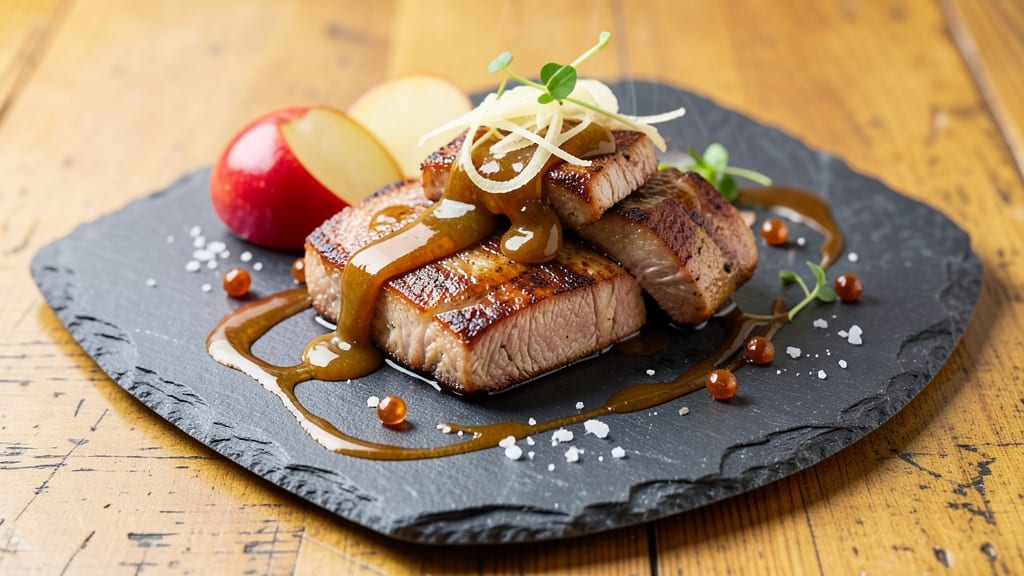
This pork apple mustard recipe delivers crispy-skinned perfection with a sweet-tart glaze that balances autumn flavors beautifully. 🍏 I developed it during Georgia harvest season when I wanted to showcase the natural sweetness of local apples while keeping the dish rich and satisfying.
The key is caramelizing the apples first to concentrate their flavor, then braising the pork until the skin is golden and shatteringly crisp.
The magic happens in the glaze—a perfect marriage of apple cider, Dijon mustard, and a touch of brown sugar that creates a sticky, flavorful coating. I use pork tenderloin for tenderness, but this recipe works equally well with pork chops or even ribs.
The dish pairs beautifully with roasted potatoes or a crisp apple slaw to round out the meal.
By the time you serve this, you'll have restaurant-quality results with tender pork, crispy edges, and a glaze that's both sweet and tangy. The aroma alone will have everyone gathering at the table. This is comfort food at its finest—simple to prepare but impressive enough for company.
Perfect for fall gatherings or a special weeknight dinner, this recipe scales easily for crowds. The glaze can be made ahead, making it a stress-free option for busy evenings. Let's get cooking!
Ingredients for pork apple mustard
Pantry staples plus seasonal apples and mustard for that perfect crispy-sweet balance.
| Ingredient | Amount | Notes |
|---|---|---|
| Pork Tenderloin 🍖 | 1 ½ lb | Center-cut for even cooking |
| Apples 🍏 | 2 medium | Honeycrisp or Fuji, peeled |
| Apple Cider 🍎 | 1 cup | Unfiltered for best flavor |
| Dijon Mustard 🌶️ | 2 tbsp | High-quality for tangy kick |
| Brown Sugar 🍯 | 2 tbsp | Light or dark preferred |
| Olive Oil 🫒 | 2 tbsp | Extra-virgin for crisping |
| Garlic Cloves 🧄 | 4 cloves | Minced for depth of flavor |
| Thyme Leaves 🌿 | 1 tbsp | Fresh, chopped finely |
| Salt 🧂 | 1 ½ tsp | Kosher or sea salt |
| Black Pepper 🌶️ | ½ tsp | Freshly ground preferred |
| Balsamic Vinegar 🍷 | 1 tbsp | For glaze depth |
| Russet Potatoes 🥔 | 2 medium | For crispy roasted sides |
| Butter 🧈 | 2 tbsp | Unsalted, for roasting |
The apples make or break this dish—Honeycrisp or Fuji are your best bets for that sweet-tart punch. Local farmers markets often have them at peak season, but the grocery store works too. Look for firm, vibrant apples with no bruises. Pork tenderloin should be center-cut for even cooking—ask the butcher if you're buying a whole one. The mustard? Maille or Whole Foods brand have that perfect tang, but any good Dijon will do. Don't skimp on the olive oil either—California avocado oil has a high smoke point for crisping.
No Honeycrisp apples? Gala or Pink Lady work in a pinch—they're sweeter but still hold up well. Running low on apple cider? Substitute with white grape juice, though it'll be slightly less rich. The glaze can handle variations—more brown sugar for extra sweetness, less for tangier flavor. If you're feeling fancy, add a splash of bourbon to the glaze for depth. The potatoes? Baby potatoes work too if you're short on time—just halve them before roasting. And if you're making this ahead, the glaze keeps beautifully in the fridge for up to 1 week.
Pork stays best in the fridge for 2 days before cooking—use within that window for peak tenderness. Apples caramelize faster than you'd think, so prep them right before you start cooking. The glaze can be made 2 days ahead and reheated gently. Store leftovers in an airtight container for 4 days, or freeze the pork (without glaze) for 3 months. I always make extra glaze—it's perfect for drizzling over pancakes or toast the next morning.
Why You'll Love This Recipe
- One-Pan Magic: I swear by this recipe when I’m too tired to scrub pots—just sear the pork, toss in sliced apples and cider, and let the mustard and brown sugar do their thing. The whole meal caramelizes right on that sheet pan while I sip wine and pretend I’m not cooking.
- Sweet-Savory Balance: That tangy Dijon mustard cuts through the richness of the pork, while the apples add a crisp, honeyed bite that keeps it from feeling heavy. Honestly, the first time I tasted it, I almost dropped my fork—it’s the kind of flavor that makes you want to close your eyes and savor it.
- Weeknight to Holiday: Between us, this dish works everywhere. Toss it together for a quick Tuesday dinner, bring it to a potluck, or serve it at Thanksgiving when you’re drowning in side dishes. The apples hold up in the fridge for days, so you can prep ahead without stress.
- Budget-Friendly Powerhouse: Pork tenderloin is lean and affordable, and apples stretch further than you’d think when braised. I’ll be real: I’ve made this for under $15 for four people, and the leftovers? They’re even better the next day—just reheat and serve with crusty bread. No waste, all flavor.
Step-by-step instructions for crispy-skinned pork apple mustard braise
Here's how to transform simple ingredients into a showstopping pork dish with perfect balance.
🔥 Step 1: Sear the Pork for Maximum Crisp
Heat a large oven-safe skillet over medium-high heat until very hot. Add the 1.5 lb pork tenderloin and sear on all sides for 3-4 minutes per side until you achieve a deep golden-brown crust. Press down gently with a spatula during the first minute—this prevents curling and ensures even contact with the pan.
Real talk: the crispier the skin, the better the final dish. If you see steam instead of browning, your pan isn't hot enough—let it get screaming hot before adding the pork. Once golden, remove the pork and set it aside on a plate.
🍳 Step 2: Build the Sweet-Tart Apple Glaze
In the same skillet (no need to clean it—those browned bits are flavor gold), add the 2 tbsp olive oil and melt the 2 tbsp butter over medium heat. Toss in the 4 cloves minced garlic and 1 tbsp chopped thyme leaves, cooking for 30 seconds until fragrant—don't let the garlic burn, or it'll turn bitter.
Add the 2 medium peeled apples (cut into ½-inch chunks) and cook for 5 minutes until they begin to soften. Stir in the 2 tbsp brown sugar, 2 tbsp Dijon mustard, 1 cup apple cider, and 1 tbsp balsamic vinegar. Bring to a simmer and let it reduce by half (4-5 minutes) until syrupy and glossy.
🥘 Step 3: Roast Potatoes and Braise the Pork
While the glaze simmers, cut the 2 medium russet potatoes into 1-inch cubes and toss them with 1 tsp salt and ¼ tsp black pepper. Spread them on a separate baking sheet and roast at 425°F for 20 minutes until golden and crispy. Flip them halfway through for even browning.
Return the pork to the skillet with the apple glaze, spooning the sauce over the top. Cover the skillet with a lid or foil and transfer to a 350°F oven for 20-25 minutes until the pork reaches 145°F internally. The sauce should thicken beautifully during this time.
⏰ Step 4: Rest and Glaze to Perfection
Remove the pork from the oven and let it rest for 10 minutes while you reduce the sauce further. Return the skillet to the stovetop over medium heat and simmer uncovered for 3-4 minutes until the sauce coats the back of a spoon. Taste and adjust seasoning with more salt or black pepper if needed.
Slice the pork into ½-inch thick medallions and arrange on a platter. Spoon the glossy apple mustard sauce over the top, then serve with the crispy roasted potatoes. The contrast of crispy pork skin, tender meat, and sweet-tart glaze makes every bite unforgettable.
Pro Tips For Making Pork Apple Mustard
- Sear First, Braise Smart: Get that pork searing hot in a dry skillet—no oil needed—before pulling it out and deglazing with apple cider. The crust locks in flavor, and the slow braise (325°F for 20-25 minutes) keeps it juicy instead of drying out like I did the first three times.
- Core Those Apples: Cut apples into thick chunks (½-inch) and leave the skin on for texture, but remove the cores—they turn to mush and ruin the sauce. I learned this the hard way when my first batch looked like applesauce.
- Mustard First, Sugar Last: Whisk the Dijon mustard into the apple cider before adding brown sugar—this emulsifies the sauce and prevents grainy clumps. Stirring in sugar last also balances sweetness without overpowering the mustard’s tang.
- Check Internal Temp: Pull the pork at 145°F—don’t rely on time alone. A meat thermometer is your friend here; I’ve had it go from perfect to dry in 5 extra minutes of guessing. Rest it 5 minutes under foil before slicing.
Essential equipment for great pork apple mustard
Oven-Safe Skillet
This is your workhorse for the entire recipe—I swear by a 12-inch cast iron skillet like my vintage Lodge Pre-Seasoned because it handles the sear and braise beautifully. The weight helps distribute heat evenly, and the natural non-stick surface prevents sticking even with the apple glaze.
If you don't have cast iron, a stainless steel skillet with a heavy base works too, but you may need to add a touch more oil to prevent sticking. 🔥
High-Quality Mustard
Don't skimp on the mustard—Maille Dijon or Whole Foods 365 are my go-tos for that perfect tangy kick. The texture should be smooth but still have some body. If you're using whole-grain mustard, blend it first to avoid grainy bits in your glaze.
I keep a jar of Penzeys Spices Dijon on hand specifically for this recipe because it's consistent batch after batch.
Precision Thermometer
A meat thermometer is non-negotiable for perfect doneness. I use the ThermoWorks Smoke because it has a piercing probe that stays accurate even in moist environments. Insert it into the thickest part of the pork—145°F internal temperature is your target.
Without one, you risk overcooking the pork or serving it underdone. Trust me, this is where restaurant-quality results come from.
Sharp Knives
You'll need two knives for this recipe: a 8-inch chef's knife for chopping apples and potatoes, and a slicing knife (like a Dexter-Russell 12-inch) for the final pork slices. A dull knife will crush the apples and make uneven potato cuts.
I recommend Wüsthof or Shun for their razor-sharp edges that stay sharp longer. Keep your knives honed—the difference in texture is noticeable.
Baking Sheet
For the roasted potatoes, use a rimmed baking sheet (not wire racks) to prevent spills. I prefer All-Clad Stainless Steel because it's durable and conducts heat well. Line it with parchment paper for easy cleanup, but leave the edges uncovered so the potatoes get crispy all over.
A half-sheet pan works perfectly for this recipe's portion size. ❄️
Mixing Bowls
Medium-sized stainless steel mixing bowls are ideal for prepping ingredients. I use OXO Good Grips because the non-slip base prevents spills when I'm tossing potatoes with oil. For the glaze reduction, a small saucepan (like Le Creuset's 2-quart version) works if you prefer stovetop reduction instead of using the skillet. Just
Nutrition facts
Frequently asked questions
Can I use pork chops instead of tenderloin?
Bone-in pork chops work beautifully—just increase cooking time by 5-7 minutes to ensure they reach 145°F internally. Use 1-inch thick chops for even cooking, and sear them skin-side down first to create that crispy crust. The apple mustard glaze will cling perfectly to the meat.
What if I don't have apple cider?
No problem! Substitute with white grape juice or even apple juice—just reduce the liquid by 10% since juice is less concentrated. For extra depth, add ½ teaspoon apple pie spice to the glaze. The sweetness will still shine through, though the tang will be slightly milder.
How can I make this dish ahead of time?
This recipe is perfect for meal prep! Braise the pork and make the glaze 2 days ahead, then refrigerate in an airtight container. Reheat gently in the oven at 325°F for 15 minutes, then finish with a quick sear in a hot skillet to restore crispiness. The potatoes should be roasted fresh for best texture.
Can I make this in a slow cooker?
Yes, but with adjustments. Sear the pork first, then add all ingredients (except potatoes) to the slow cooker on low for 6-7 hours. The glaze will be thinner—reduce it on the stovetop afterward. For crispy potatoes, roast them separately before serving. This method works well for large gatherings but loses the perfect skin texture.
What's the best way to store leftovers?
Store in an airtight container in the fridge for up to 4 days. The pork stays tender, but the sauce may thicken—simply reheat with 1-2 tablespoons water to restore glossiness. For longer storage, freeze the pork (without glaze) for 3 months. Thaw overnight in the fridge before reheating.