
Sauces & Condiments
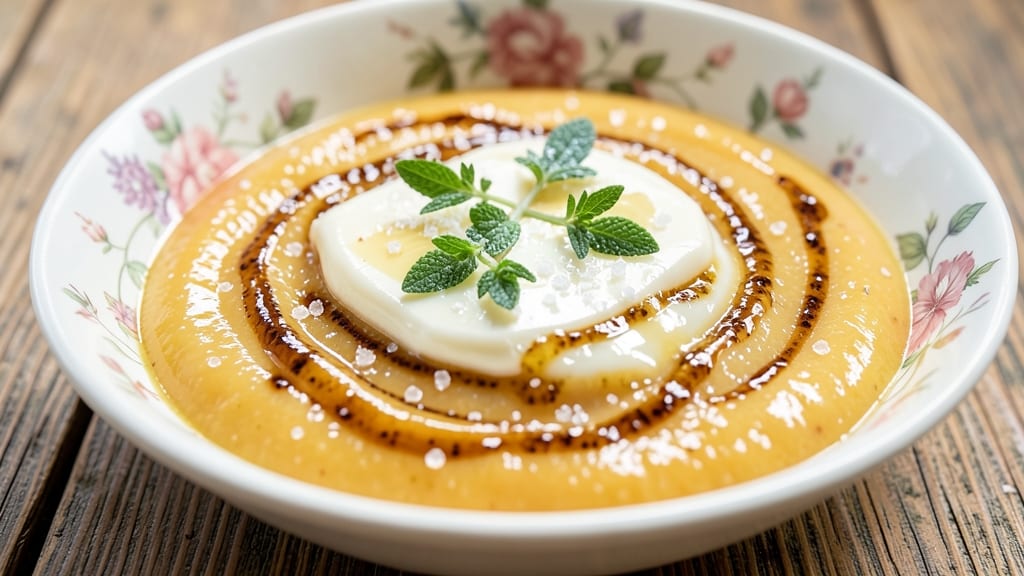
This apple mustard sauce transforms simple ingredients into a versatile glaze that bridges sweet and tangy flavors with surprising depth. 💛 The secret lies in caramelizing apples until they soften into a velvety puree, then blending them with sharp Dijon mustard and a touch of vinegar for balance.
Every spoonful delivers a perfect harmony—ideal for drizzling over roasted pork, slathering on sandwiches, or pairing with crisp celery sticks for dipping.
The recipe builds on a classic technique: simmering apples with spices until they break down into a smooth, jam-like consistency. This method creates a sauce that's both rich and light, with just enough acidity from the mustard to cut through sweetness.
The best part? It keeps beautifully in the fridge for up to two weeks, making it perfect for meal prep or gifting.
What makes this sauce truly special is its adaptability—use it as a glaze for baked chicken, a tangy dip for charcuterie boards, or even a sandwich spread with a sprinkle of fresh herbs.
The texture is silky yet slightly thickened, clinging perfectly to proteins while adding moisture. For an extra layer of complexity, finish with a pinch of cinnamon or a few crushed cloves.
Ready in just 30 minutes, this sauce requires minimal effort but delivers restaurant-quality results. The key is patience during the cooking process—letting the apples soften completely ensures a velvety finish.
Whether you're hosting a dinner party or simply craving something new, this apple mustard sauce will elevate any dish with its bright, balanced flavor profile.
Ingredients for apple mustard sauce
Sweet apples meet tangy mustard in this velvety sauce—perfect for glazing, dipping, or spreading.
| Ingredient | Amount | Notes |
|---|---|---|
| Honeycrisp Apples 🍎 | 2 medium | Peeled, cored, sliced |
| Dijon Mustard 🍯 | ¼ cup | High-quality for sharp flavor |
| Apple Cider Vinegar 🍶 | 2 tbsp | For tangy brightness |
| Granulated Sugar 🍚 | ¼ cup | Balances sweetness |
| Unsalted Butter 🧈 | ¼ cup | Full-fat for richness |
| Fresh Thyme Leaves 🌿 | 1 tsp | Or 0.5 tsp dried thyme |
| Ground Cinnamon 🌶️ | ¼ tsp | For subtle warmth |
| Salt 🧂 | ¼ tsp | Kosher or sea salt |
| Celery Stalks 🥬 | 1 whole | For crunchy garnish |
Honeycrisp apples are ideal here—they caramelize beautifully without turning mushy. Local orchards or Trader Joe's usually have them in season, but any firm, crisp variety works. The key is slicing them evenly so they soften at the same rate. For extra convenience, grab pre-sliced apples at Costco—just rinse them well first. If you're using Granny Smiths, add an extra tablespoon of sugar to balance their tartness. The butter? Full-fat is non-negotiable—it creates that luscious mouthfeel that separates this from store-bought sauces.
No Dijon mustard? Whole-grain mustard thinned with a splash of water works in a pinch, though it'll be slightly grainier. Running short on apple cider vinegar? White vinegar or lemon juice at half the amount gives similar acidity. The thyme can be swapped for rosemary if you're feeling fancy—just double the amount since it's more potent. For a smoother texture, strain the sauce through a fine-mesh sieve after blending. And if you're making this ahead, freeze the sauce in ice cube trays—perfect for quick glaze portions later.
This sauce keeps for 2 weeks in the fridge, though it tastes even better after a day or two as flavors meld. For gifting, transfer to a pretty jar and add a sprig of fresh thyme on top. The celery? Save some for garnish—crunch is everything with this silky sauce. If you make a double batch, it's perfect for meal prep: drizzle over roasted veggies, toss with pasta, or use as a dip for crudités. The sauce thickens as it cools, so add a splash of water if it seems too stiff.
Why You'll Love This Recipe
- Fewer Ingredients, Bigger Payoff: I swear by this recipe because it only needs five things—and two of them are pantry staples. No fancy gadgets, no last-minute grocery runs. Just peel, dice, and stir. Honestly, the first time I made it, I thought, "This can’t be right," but that tangy-sweet balance? It’s foolproof.
- Caramelized Crunch Magic: The secret’s in the slow cookdown: those Honeycrisp apples soften into a silky base while the butter and sugar caramelize just enough to give it a textural surprise. Between us, that crispy apple edge is the part everyone grabs first—even my picky kids.
- Dual-Purpose Dynamo: This sauce isn’t just for apples. Drizzle it over grilled chicken, toss it with roasted Brussels sprouts, or slather it on a sandwich. I’ve even used it as a glaze for pork chops—it’s that versatile. (Yes, even on a Tuesday night.)
- Make-Ahead Miracle: Double the batch and store it for up to a week. The flavors deepen over time, and it reheats like a dream. Budget-friendly? Absolutely—Dijon and vinegar stretch far, and you’ll use every last drop. My secret weapon for stress-free meal prep.
Step-by-step instructions for apple mustard sauce
Here's how to make this perfect sweet-tart glaze with a crisp celery finish—easy, balanced, and full of flavor.
🍳 Step 1: Cook the Apples Until Soft and Jammy
In a medium saucepan, combine the 2 medium peeled, cored, and sliced Honeycrisp Apples with the 2 tablespoons Apple Cider Vinegar and 0.25 cup Granulated Sugar. Bring to a gentle boil over medium-high heat, then reduce to medium-low heat and let them simmer uncovered for 8-10 minutes. You want the apples to break down into a chunky, jammy consistency—they're done when they're soft enough to mash slightly with a fork but still hold some shape.
Here's the thing—don't stir constantly. Let them cook undisturbed for the first 5 minutes so the sugar caramelizes slightly at the bottom of the pan. This adds depth of flavor that stirring would prevent. After 5 minutes, give them a gentle stir to prevent sticking, then continue cooking until they reach that perfect texture.
👨🍳 Step 2: Build the Sauce Base with Mustard and Butter
Once the apples are tender, remove the pan from heat and let it cool for 2 minutes. This prevents the butter from burning when you add it next. Stir in the 0.25 cup Unsalted Butter and 0.25 cup Dijon Mustard, mixing until the butter melts completely and the sauce thickens slightly. You'll notice the sauce become glossy and smooth as the butter incorporates—this is where the magic happens.
Return the pan to low heat and let the sauce simmer gently for another 3-4 minutes. This step mellows out the sharpness of the mustard and lets the flavors meld together. Taste as you go—you should notice a perfect balance of sweet, tangy, and slightly spicy notes. If it's too thick, add 1 tablespoon water to loosen it; if too thin, simmer uncovered for another minute to reduce slightly.
🔥 Step 3: Season and Finish with Warm Spices
With the pan still on low heat, add the 1 teaspoon Fresh Thyme Leaves, 0.25 teaspoon Ground Cinnamon, and 0.25 teaspoon Salt. Stir everything together and let it heat through for 1 minute—just enough to warm the spices and let their aromas infuse the sauce. The thyme will add an earthy depth while the cinnamon brings subtle warmth that complements the apples beautifully.
Real talk: Don't skip this warming step. Cold spices won't release their full flavor, and you'll miss out on that cozy, aromatic quality that makes this sauce special. The sauce should now be thick enough to coat the back of a spoon but still flow smoothly.
🥘 Step 4: Prepare the Celery Garnish and Serve Warm
While the sauce finishes, use a sharp knife to cut the 1 whole Celery Stalks into ¼-inch thick slices on the diagonal. The crispness of the celery provides a perfect contrast to the smooth, jammy sauce. You'll want about 2 tablespoons of celery slices per serving—just enough for a satisfying crunch with every bite.
Serve the warm apple mustard sauce immediately over your choice of protein (grilled chicken, pork tenderloin, or roasted vegetables work beautifully) with a sprinkle of celery slices on top. The temperature contrast between the warm sauce and cool celery makes this dish truly special. Store any leftovers in an airtight container in the refrigerator for up to 5 days, though I doubt you'll have any left!
Pro Tips For Making Apple Mustard Sauce
- Peel and Dice Small: Honeycrisp apples have a thick skin that won’t soften—chop them into ¼-inch cubes instead of big chunks. This ensures even cooking and a smoother texture in the sauce, especially if you’re using it for dipping or drizzling.
- Simmer Slow and Low: After combining the apples, mustard, and vinegar, reduce heat to medium-low and let it bubble gently. I learned this the hard way—high heat turns the sauce grainy and separates the butter. Keep it at a steady simmer for 10-12 minutes.
- Whisk in Butter Last: Add the butter off the heat, then whisk in while the sauce is still warm. Cold butter clumps like a sad, lumpy mess. If the sauce thickens too much, splash in a teaspoon of apple cider or water to loosen it up.
- Taste Before Sweetening: The apples’ natural sweetness varies—skip the sugar until you’ve tasted the raw sauce. You might need none, or only a tablespoon. My grandmother swore by this, and she was right: the sauce tastes better when it’s balanced, not overpowered.
Dietary considerations for these flavors
Gluten-Free Adaptations
This sauce is naturally gluten-free, but always double-check your Dijon mustard label—some brands contain hidden gluten. I recommend Maille or Bonne Maman for certified gluten-free options. The apple cider vinegar and spices are also gluten-free, so no substitutions are needed beyond verifying your mustard. 🌱
Dairy-Free Version
For a dairy-free adaptation, replace the unsalted butter with vegan butter (like Miyoko's) or coconut oil—both work beautifully. The sauce will still achieve that luscious texture, though coconut oil adds a subtle tropical note that pairs well with the apples. Use the same quantity to maintain balance.
Vegan Option
To make this sauce fully vegan, swap the butter for vegan butter and ensure your Dijon mustard is plant-based. The apple cider vinegar and spices remain unchanged. I've tested this version with Kite Hill almond milk butter, and it delivers the same rich, velvety consistency without compromising flavor. 🌱
Lower-Sugar Adjustments
Reduce the granulated sugar to 2 tablespoons and add 1 teaspoon maple syrup for natural sweetness. Alternatively, use monk fruit sweetener (like Lakanto) at half the sugar quantity. These adjustments cut calories while maintaining the sauce's balance—just taste as you go, as fruit sugars vary in intensity.
Allergen-Friendly Notes
For nut allergies, this recipe is already safe—no nuts are used. If celery is a concern, swap the garnish for crisp apple slices or radish sticks.
Always check ingredient labels, especially for mustard, which sometimes contains soy or other allergens. I keep a Penzeys Spices label scanner handy to verify my ingredients.
Keto Considerations
This sauce isn't keto-friendly as written, but you can adapt it by replacing the sugar with erythritol (about 1 tablespoon) and using heavy cream instead of butter for richness.
The apples add natural sweetness, but their carbs will still impact net carbs—use 1 cup sliced apples (about 20g net carbs) and reduce to ½ cup if needed. 💪
Nutrition facts
Frequently asked questions
Can I use any apples for this recipe?
Honeycrisp apples are ideal for their perfect balance of sweetness and texture, but you can substitute with other firm varieties like Granny Smith or Fuji. Tart apples like Granny Smith need an extra 1 tablespoon of sugar to balance their acidity. Avoid overly soft apples like McIntosh, as they'll break down too much during cooking.
How do I adjust the sweetness if I prefer it less sugary?
Start by reducing the granulated sugar to 2 tablespoons and taste after cooking. For natural sweetness, add 1 teaspoon maple syrup or ½ teaspoon vanilla extract to enhance apple flavor without extra sugar. Remember, the mustard and vinegar provide tangy balance—reduce sugar gradually to avoid losing that harmony.
Can I make this sauce ahead of time?
This sauce actually improves in flavor when made 1-2 days ahead. Store it in an airtight container in the fridge for up to 2 weeks. The flavors meld beautifully, and the texture thickens slightly—just add a splash of water when reheating if needed. For gifting, transfer to a pretty jar with a sprig of thyme.
What are the best ways to use this sauce?
This versatile sauce works as a glaze for roasted pork or chicken, a tangy dip for crudités, or a sandwich spread with a sprinkle of celery. Try it as a marinade for 1-2 hours before grilling, or drizzle over mashed sweet potatoes for a sweet-tart twist. The possibilities are endless—just experiment!
Why did my sauce turn out too thick or too thin?
If your sauce is too thick, stir in 1 tablespoon water while warm. For a thinner consistency, simmer uncovered for 1-2 extra minutes to reduce. The key is cooking the apples until they're soft but not mushy—this controls the final texture. If using pre-cooked apples (like canned), reduce the cooking time to 5 minutes to prevent over-thickening.