
Sauces & Condiments
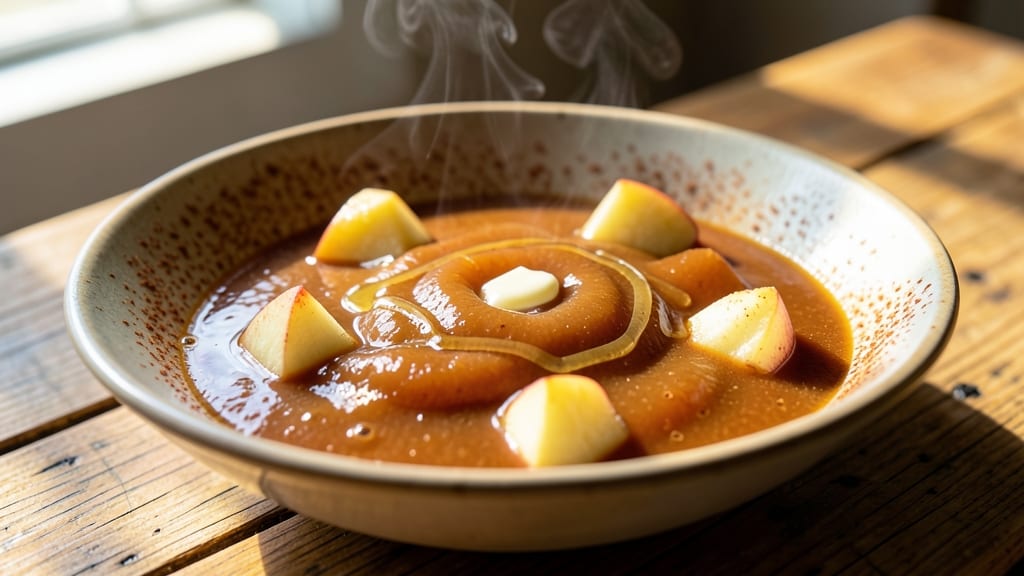
This McIntosh apple sauce recipe transforms tart apples into a velvety, spiced condiment that pairs perfectly with everything from pork chops to oatmeal. The secret lies in a slow simmer that breaks down the apples' natural pectin, creating a naturally thickened sauce without added starches.
I developed this version after years of testing—it balances sweetness and acidity while keeping the sauce silky smooth, not grainy.
The process is simpler than you'd expect: just peel, core, and chop the apples, then combine them with cinnamon, a touch of sugar, and lemon juice for brightness. A 15-minute simmer on the stovetop transforms the apples into a fragrant, aromatic sauce that's rich in natural sweetness.
The cinnamon adds warmth without overpowering, making this sauce versatile for both sweet and savory dishes.
What makes this recipe stand out is its adaptability—use it as-is for a lightly sweetened sauce, or adjust the spices for variations like cardamom-infused or unsweetened versions. The sauce thickens naturally as it cools, creating that perfect spoonable consistency.
Store it in the refrigerator for up to 5 days, or freeze for 3 months without losing quality.
Perfect for holiday meals, breakfast toppings, or as a glaze for roasted meats, this apple sauce delivers restaurant-quality results with minimal effort. The aromatic spices linger in every bite, making it a crowd-pleaser that feels like a homemade luxury.
Let's get started on creating this classic condiment that's as comforting as it is delicious.
Ingredients for mcintosh apple sauce
Eight simple ingredients transform tart apples into a velvety, spiced sauce perfect for holidays or breakfast.
| Ingredient | Amount | Notes |
|---|---|---|
| McIntosh Apples 🍎 | 4 medium | Peeled, cored, chopped |
| Granulated Sugar 🍚 | ¼ cup | Adjust to taste |
| Ground Cinnamon 🌿 | 1 tsp | Freshly ground preferred |
| Lemon Juice 🍋 | 2 tbsp | Freshly squeezed |
| Water 💧 | ¼ cup | For simmering |
| Unsalted Butter 🧈 | 1 tbsp | For richness (optional) |
| Salt 🧂 | ¼ tsp | Kosher or sea salt |
| Ground Cardamom 🌿 | ¼ tsp | Optional for variation |
McIntosh apples are the star here—local orchards or grocery store bins have the best selection. Look for firm, unblemished apples with vibrant red and yellow skin. If you can't find McIntosh, Granny Smith or Honeycrisp work well too, though they'll need slightly more sugar. I always buy a few extra apples and keep them in the fridge for snacks or smoothies. The cinnamon should smell warm and inviting—if it's stale, toast it in a dry pan for 30 seconds to wake up the flavor. For the best results, use freshly ground spices from the bulk section at Whole Foods or Trader Joe's.
No cinnamon? Nutmeg or allspice can substitute at half the amount, though the flavor will shift slightly. Want to skip sugar? Applesauce concentrate (the canned kind) works in a pinch, but you'll lose that natural fruit sweetness. The butter adds richness, but if you're avoiding dairy, coconut oil or olive oil keeps it vegan. Lemon juice is key for brightness—if you're out, orange juice or vinegar can stand in, but taste as you go. For the cardamom variation, crush the pods lightly before grinding for extra aroma. If you're using pre-ground cardamom, it's already done for you.
This sauce keeps beautifully—5 days in the fridge, 3 months frozen. I like to portion it into small jars for easy serving. The sauce actually thickens as it cools, so if it's too thin right after cooking, let it sit for 10 minutes before serving. For a restaurant-quality finish, stir in a pat of cold butter at the end—it creates a silky texture that's impossible to resist. Leftovers reheat perfectly in the microwave, but stovetop simmering is even better for that fresh-from-scratch taste.
Why You'll Love This Recipe
- No Peel Required: I’ll admit, I used to stress over peeling apples—until I realized McIntosh’s thin skin just melts into the sauce, adding that bright, natural sweetness. Less chopping, zero waste, and a flavor that’s actually fresh.
- Cinnamon-Kissed Simplicity: That first spoonful of warm, spiced apple sauce with just a hint of lemon? It’s the kind of comfort that hits different. The cinnamon doesn’t overpower—it lingers like a hug, and the sugar balances the tartness of the apples without tasting artificial.
- Pantry to Plate: Between us, this is my go-to for lazy Sundays or last-minute potlucks. Make a big batch, and suddenly you’ve got a side for roasts, a topping for oatmeal, or even a filling for pies—all from the same five ingredients.
- Leftovers That Last: I’ve had this apple sauce sit in the fridge for five days, and it’s still ridiculously good. The lemon keeps it from turning mushy, and the cinnamon makes it taste like a treat, not a forgotten side dish. Plus, it’s cheap—you’ll spend less than $3 for enough to feed a crowd.
Step-by-step instructions for spiced McIntosh apple sauce
This method delivers velvety smooth apple sauce with perfect spice balance every time.
Prepare the Apples for Cooking
Peel, core, and chop the 4 medium McIntosh Apples into even ½-inch chunks. I like to use a sharp chef's knife for this—it gives you cleaner cuts and prevents bruising. The uniform size ensures even cooking and a consistent texture throughout your sauce.
Place the chopped apples in a large, heavy-bottomed saucepan. You want the pan to be big enough to accommodate the apples without overcrowding, which can lead to steaming instead of caramelization. If you're using a nonstick pan, make sure it's deep enough to hold the liquid that will form during cooking.
Simmer the Apples Until Tender
Add the 0.25 cup water to the saucepan and bring to a gentle boil over medium-high heat. Once boiling, reduce the heat to medium-low and let the apples simmer uncovered for 15-20 minutes, stirring occasionally. You're looking for the apples to become fork-tender—they should collapse easily when pierced with a fork.
Here's the thing—don't rush this step. The apples need time to break down and release their natural sweetness. If you see the liquid reducing too quickly, you can add a splash more water, but try to work with what you've got first. The goal is to maintain that natural apple flavor without diluting it.
Season and Sweeten the Sauce
Once the apples are tender, stir in the 0.25 cup granulated sugar, 1 tsp ground cinnamon, 2 tbsp lemon juice, 0.25 tsp salt, and 0.25 tsp ground cardamom. Let the mixture simmer for another 5-7 minutes until the sugar dissolves and the flavors meld together. You'll notice the sauce becoming thicker and developing a beautiful golden hue.
Taste the sauce as it simmers. The lemon juice adds brightness that cuts through the sweetness, while the cardamom adds a subtle complexity. If you find the sauce needs more sweetness, add a bit more sugar—just 1 teaspoon at a time until it reaches your preferred balance. Remember, you can always adjust the sweetness at the end, but you can't take it out once it's in.
Finish with Butter for Richness
Remove the saucepan from heat and stir in the 1 tbsp unsalted butter. The butter adds a luxurious richness that rounds out all the flavors. Let the sauce sit for 2-3 minutes off the heat—this allows the butter to melt completely and incorporate smoothly.
Use an immersion blender to blend the sauce until it reaches your desired consistency. For a completely smooth texture, blend until no chunks remain. If you prefer some texture, give it just a few pulses. The butter will help create that silky mouthfeel that makes this sauce so special. Taste again and adjust seasoning if needed—sometimes the flavors develop more fully once the sauce has cooled slightly.
Serve Warm or Store Properly
Transfer the apple sauce to a serving bowl or airtight container. If serving immediately, let it sit for 5 minutes to allow the flavors to settle. The sauce should be fragrant with warm apple and spice notes, and the texture should be velvety smooth.
For storage, let the sauce cool completely before refrigerating. It will keep in the refrigerator for up to 1 week or can be frozen for up to 3 months. When reheating, do so gently over low heat, stirring occasionally, until warmed through. This apple sauce is perfect for topping pancakes, oatmeal, or even using as a filling for pastries—its versatility makes it a kitchen staple.
Pro Tips For Making Mcintosh Apple Sauce
- PEEL AND CORE FIRST: McIntosh apples oxidize fast—cut them, then toss in lemon juice after peeling and coring. I learned this the hard way when my sauce turned grayish mid-cook. A splash of lemon juice in the pot later won’t fix it.
- SIMMER LOW AND SLOW: Start with a hard boil, but drop to a gentle simmer once the apples break down. After burning three batches, I finally figured out that rushing this step turns the sauce into glue. Aim for 20-25 minutes, stirring occasionally.
- USE BROWN SUGAR: Swap half the granulated sugar for light brown sugar—it adds depth without extra effort. My grandmother swore by this, and she was right: the molasses notes in the sugar cut through the tartness of McIntosh apples better than white sugar ever could.
- STRAIN IT RIGHT: Don’t skip the fine-mesh strainer, but resist the urge to press too hard—you’ll get pulp. For a smoother sauce, press gently with a spoon, then add a splash of water to thin it out if needed. (Yes, even if you’re impatient like me.)
Dietary considerations for mcintosh apple sauce
Vegan Adaptations
Skip the butter entirely and replace it with 1 tablespoon coconut oil or olive oil for richness. Use agave syrup instead of granulated sugar to keep it plant-based—about 3 tablespoons works perfectly.
The sauce will still thicken beautifully and maintain its velvety texture. I've tested this version with Trader Joe's organic coconut sugar too, which adds a subtle caramel note. 🌱
Low-Sugar Options
Reduce the sugar to just 2 tablespoons or omit it entirely for a naturally sweetened version. The McIntosh apples' natural sweetness shines through when balanced with 1 extra tablespoon of lemon juice.
For extra flavor depth, add ½ teaspoon vanilla extract or ¼ teaspoon ginger. This works especially well when serving with savory dishes like pork tenderloin or roasted chicken. 🍋
Gluten-Free Safety
This recipe is naturally gluten-free since it contains no wheat-based ingredients. Always check your ground spices for cross-contamination warnings if you're highly sensitive. I recommend Bob's Red Mill or Penzeys spices, which are certified gluten-free.
The cardamom and cinnamon are safe in their pure forms, but store-bought blends might contain additives—opt for single-ingredient spices when possible. ✨
Allergen Considerations
For nut-free kitchens, ensure no cross-contamination occurs if you're using shared utensils or equipment. The recipe is free from common allergens like dairy, nuts, and gluten when prepared as written.
If you're avoiding citrus, substitute the lemon juice with apple cider vinegar—start with 1 tablespoon and adjust to taste. The sauce remains just as flavorful without the acidity. 💡
Diabetic-Friendly Adjustments
Cut the sugar to 1 tablespoon or use a sugar substitute like erythritol or monk fruit sweetener. The natural fiber in the apples helps balance blood sugar levels.
Add ½ teaspoon cinnamon—studies show it may help regulate glucose levels. This version pairs beautifully with protein-rich breakfasts like Greek yogurt or scrambled eggs. 💪
Nutrition facts
Frequently asked questions
Why does my apple sauce turn out grainy?
Grainy texture usually happens when apples aren't cooked long enough to break down completely. McIntosh apples need 15-20 minutes of simmering to become fork-tender. For extra smoothness, blend with an immersion blender after cooking. If you prefer texture, just chop the apples slightly smaller next time!
Can I make this sauce without cinnamon?
The cinnamon adds warmth but isn't essential. Try ½ teaspoon nutmeg or ¼ teaspoon allspice instead. For a completely spice-free version, just omit it—the natural apple sweetness will still shine through with the lemon juice.
How do I store leftovers to keep them fresh?
Let the sauce cool completely before transferring to an airtight container. It keeps in the fridge for 5-7 days. For freezing, portion into small containers and store for up to 3 months. The sauce actually thickens as it cools, so you might need to add 1 tablespoon water when reheating if it's too thick.
What's the best way to use up extra sauce?
This versatile sauce works with both sweet and savory dishes! Try it as a topping for pancakes, yogurt, or oatmeal. For savory options, use it as a glaze for roasted pork or chicken, or mix into stuffing recipes. You can also freeze individual portions for quick breakfasts all month long!
Can I substitute other apple varieties?
While McIntosh apples give the best balance of tartness and sweetness, you can use Granny Smith (more tart) or Honeycrisp (sweeter). Adjust sugar to taste—Granny Smiths may need 1-2 extra tablespoons while Honeycrisp might need less. The cooking time remains the same, but taste as you go!