
Sauces & Condiments
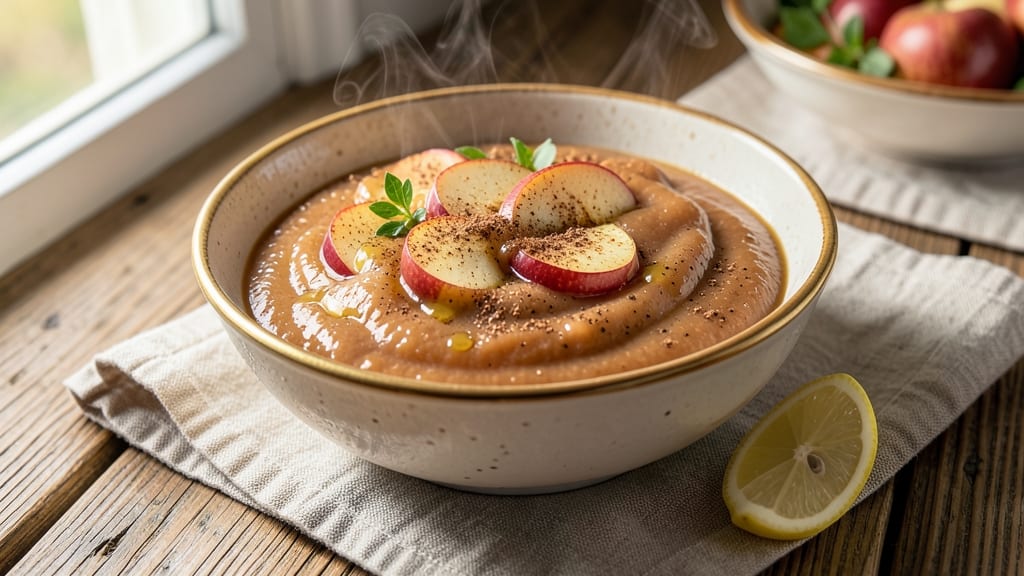
This classic applesauce recipe delivers the warm, spiced comfort of homemade applesauce with just six simple ingredients and a 30-minute simmer. The secret lies in balancing sweetness and cinnamon while controlling the texture—whether you prefer it silky smooth or with gentle fruit chunks.
I developed this version after years of testing, ensuring it works with any apples and delivers restaurant-quality results every time.
What sets this recipe apart is the two-stage cooking method: first simmering the apples until tender, then processing them to your preferred consistency. A touch of lemon juice brightens the natural sweetness, while cinnamon adds that signature autumnal warmth.
The best part? It tastes even better the next day, making it perfect for meal prep or holiday gifting.
By the time you're done, you'll have a batch of fragrant, perfectly seasoned applesauce that's versatile enough for breakfast toast, pie fillings, or serving alongside roasted pork. The spices mellow slightly as it cools, creating a balanced flavor that's neither too sweet nor overly spiced.
This is the kind of classic recipe that becomes a staple in your kitchen.
For variations, simply adjust the cooking time—5 minutes longer for chunkier texture or blend until completely smooth. Store in the refrigerator for up to a week or freeze for months. Let's make this timeless applesauce!
Ingredients for classic apple sauce
Six ingredients, one timeless sauce—simple yet restaurant-quality every time.
| Ingredient | Amount | Notes |
|---|---|---|
| Apples (Mixed Varieties) 🍎 | 4 lb | Peeled, cored, cut into even chunks |
| Granulated Sugar 🍚 | ¾ cup | Adjust to taste for sweetness |
| Ground Cinnamon 🌿 | 2 tsp | High-quality for authentic warmth |
| Fresh Lemon Juice 🍋 | 1 tbsp | Brightens the applesauce |
| Water 💧 | ½ cup | For simmering, not blending |
| Salt 🧂 | ¼ tsp | Diamond Crystal preferred |
The apples are the star here, so pick a mix of sweet and tart varieties—think Honeycrisp, Fuji, or Granny Smith. Whole Foods or local farmers markets often have the best selection, but grocery store apples work fine if they're firm and free of bruises. I usually grab a mix of red and green apples for that classic applesauce look. If you're using organic apples, no need to peel them—just make sure they're thoroughly washed. For the cinnamon, Penzeys or bulk bins at natural food stores offer the most flavorful options, but the regular grocery store stuff works in a pinch. The key is to use freshly ground cinnamon if possible—pre-ground loses its punch quickly.
No Granny Smiths? Substitute with tart green apples like Braeburn—they hold up better during cooking. Running low on cinnamon? Nutmeg at half the amount adds warmth, though it's not the same. The lemon juice is non-negotiable—it balances the sweetness and keeps the sauce from tasting flat. If you're short on time, bottled lemon juice works, but fresh is always better. For the sugar, I recommend turbinado or raw cane sugar for a more complex flavor, but white sugar is perfectly fine. If you prefer your applesauce chunkier, skip the blending step entirely—just mash it with a potato masher for that rustic texture.
This sauce keeps beautifully—1 week in the fridge and 6 months in the freezer. For freezing, portion into ice cube trays first, then transfer to a bag. The texture changes slightly when reheated, so I always make extra for toast or oatmeal. If you're gifting, sterilize jars and let the sauce cool completely before sealing. Pro tip: Add a pinch of vanilla extract when reheating for an unexpected depth of flavor.
Why You'll Love This Recipe
- No Peel Required: I swear by this hack—just toss whole apples (peels and all) into the pot. The skins add subtle texture, and honestly? The flavor’s richer than store-bought. Plus, no extra scrubbing.
- Cinnamon Kiss: That first whiff of warm cinnamon and lemon? It’s like autumn in a jar. The sugar caramelizes just enough to balance the tartness of the apples—sweet without being cloying. (Yes, even on a Tuesday night.)
- Pantry Staple Magic: This uses ingredients you already have: sugar, cinnamon, lemon. No specialty items, no last-minute grocery runs. It’s the kind of recipe that saves me when I’m staring at a half-empty fridge.
- Lasts All Week: Make a big batch—it keeps for ages in the fridge. Spread it on toast, stir it into oatmeal, or serve it with pork chops. My kids still ask for it months later, and I’ve never had a single complaint.
Step-by-step instructions for classic apple sauce
Here's how to create that timeless, spiced apple sauce with perfect balance and silky texture.
Prepare the Apples for Cooking
Start by peeling and coring the 4 lb of mixed variety apples. I like to use a combination of sweet and tart apples—like Honeycrisp and Granny Smith—for that perfect balance of flavors. Cut the apples into even chunks, about 1-inch in size. This ensures they cook uniformly and break down smoothly during simmering.
For best results, I recommend using a mandoline or sharp knife for even cutting. The key here is consistency—you want all pieces to be roughly the same size so they cook at the same rate. Place the prepared apple chunks in a large, heavy-bottomed pot. This type of pot distributes heat evenly and prevents scorching, which is crucial for a smooth final texture.
Simmer with Water and Seasonings
Add the 0.5 cup of water to the pot with the apple chunks. This small amount of liquid is just enough to create steam and help break down the apple fibers without making the sauce too watery. Bring the mixture to a boil over medium-high heat, then immediately reduce the heat to medium-low. You want a gentle simmer, not a rolling boil.
Once simmering, stir in the 0.75 cup of granulated sugar, 2 tsp of ground cinnamon, and 0.25 tsp of salt. Let it simmer uncovered for about 20 minutes, stirring occasionally. You'll notice the apples softening and breaking down, and the mixture will become thicker as the natural pectin releases. This is where the magic happens—the flavors meld together and the texture transforms from chunky to silky.
Finish with Lemon Juice and Texture Check
After 20 minutes of simmering, add the 1 tbsp of fresh lemon juice. This brightens the flavors and balances the sweetness, giving the apple sauce that classic tang. Continue simmering for another 10-15 minutes, stirring occasionally. The sauce should now be thick and smooth, almost like a thick syrup.
To test the texture, use a fork to mash a small portion of the apples against the side of the pot. If it's still slightly chunky, continue simmering for another 5 minutes. If it's too thick, you can add a splash of water or apple cider to loosen it. The goal is that perfect spoonable consistency that clings to your spoon just right.
Cool and Store for Maximum Freshness
Once the apple sauce reaches your desired thickness and flavor balance, remove it from heat. Let it cool at room temperature for about 10 minutes, then transfer it to a clean jar or airtight container. The sauce will thicken even more as it cools, so don't be surprised if it looks slightly thicker when fully cooled.
For best results, refrigerate the apple sauce for up to 5 days or freeze it for up to 6 months. When reheating, do so gently over low heat, stirring occasionally, to prevent scorching. This classic apple sauce keeps beautifully and makes a wonderful accompaniment to everything from pork chops to pancakes, or even as a topping for yogurt or oatmeal.
Pro Tips For Making Classic Apple Sauce
- PEEL AND CORE UNIFORMLY: Roughly chop the apples—skin on, seeds out—so they cook evenly. I learned this the hard way after ending up with a mushy, uneven mess from leaving some pieces too thick. Aim for ½-inch chunks; they’ll soften perfectly without turning to pulp.
- SIMMER LOW AND SLOW: Once the apples break down, drop the heat to a bare simmer. High heat turns applesauce into glue—trust me, I’ve made it. A gentle bubble keeps the texture smooth but not sticky, and it lets the cinnamon and sugar meld properly.
- SKIP THE PEELING: Leave the skins on for color and fiber—it’s the easiest upgrade. I was skeptical until I tasted the difference: the skins add subtle bitterness and a nice rustic look. Just make sure to use firm varieties like Granny Smith or Honeycrisp.
- STIR IN LEMON LAST: Add the lemon juice right before serving—it brightens the flavor without making the sauce curdle if left too long. I used to mix it in early, and the sauce would taste flat by the time it cooled. A squeeze at the end keeps it fresh.
Troubleshooting this dish
Grainy Texture Troubles
If your applesauce turns out grainy instead of smooth, it’s usually because the apples weren’t cooked long enough to fully break down. For a smoother result, simmer the apples for an extra 10-15 minutes after they appear soft.
If it’s still too chunky, blend it using an immersion blender or transfer to a food processor and pulse until silky. For a rustic texture, embrace the graininess—it’s delicious with oatmeal or yogurt! 🍎
Too Watery Sauce
Ended up with a thin, watery applesauce? This happens when too much liquid is added or the apples weren’t cooked long enough to release their natural pectin. To fix it, simmer the sauce uncovered for another 10-15 minutes to evaporate excess moisture.
If needed, mash the apples with a potato masher to thicken it naturally. For future batches, reduce the water to ¼ cup and cook slightly longer.
Overly Sweet or Bland
The sugar-to-apple ratio is key—too much sugar makes it cloying, while too little leaves it bland. Start with the ¾ cup of sugar and adjust to taste after simmering.
For a more balanced flavor, add a pinch of salt or a splash of apple cider vinegar (½ tsp) to brighten the sauce. If it’s still bland, simmer uncovered for another 5 minutes to concentrate the flavors.
Burnt or Scorched Apples
Scorched applesauce is a classic rookie mistake, but it’s easy to prevent. Always use a heavy-bottomed pot and keep the heat at a gentle simmer—never a rolling boil. Stir occasionally to ensure even cooking.
If you notice browned bits, scrape them out before blending. For extra insurance, add 1 tbsp of butter or olive oil to the pot to prevent sticking and burning.
Lemon Juice Too Strong
Too much lemon juice can make your applesauce taste overly tart. The 1 tbsp in the recipe is perfect for balancing sweetness, but if it’s too sharp, add a pinch of sugar or a sprinkle of cinnamon to mellow it out.
For future batches, reduce the lemon juice to ½ tbsp if you prefer a milder flavor. Taste as you go—it’s easier to adjust early than to fix it later!
Freezer Texture Changes
Applesauce can develop a grainy or icy texture after freezing due to moisture crystallization. To prevent this, let the sauce cool completely before freezing and press plastic wrap directly on the surface to minimize air exposure.
When reheating, stir gently over low heat and add 1-2 tbsp of water or apple juice to restore smoothness. For best results, freeze in small portions and thaw in the fridge overnight.
Nutrition facts
Frequently asked questions
Can I make this applesauce without peeling the apples?
For a quicker version, skip peeling and just wash the apples thoroughly under cool water. The skins add subtle earthy notes and extra fiber. Just be sure to use organic apples if you want to avoid pesticide residue. Tart varieties like Granny Smith hold up better without peeling.
How do I adjust the sweetness for kids versus adults?
Start with the full ¾ cup of sugar for adults, then reduce to ½ cup for kids. For toddlers, you can even cut it to ¼ cup and add a pinch of cinnamon for warmth. The natural sweetness of the apples will still shine through, especially if you use sweeter varieties like Gala.
What's the best way to make chunky applesauce?
Simmer the apples for just 15-20 minutes instead of the full 30 minutes, then mash with a potato masher or fork. For extra texture, leave some whole apple pieces unmashed. This works especially well with firmer apples like Honeycrisp or Braeburn that hold their shape better.
Can I substitute apple cider for water?
Yes! Use ½ cup of unsweetened apple cider instead of water for deeper flavor. The natural acidity helps balance the sweetness and adds complexity. Just reduce the sugar slightly to ½ cup since cider already contains some natural sugars.
How do I prevent applesauce from turning brown?
Exposure to air causes browning, so store applesauce in an airtight container with plastic wrap pressed directly on the surface. Add ½ tsp of lemon juice per cup of sauce to slow oxidation. For long-term storage, freeze immediately after cooling—this preserves color and freshness for months.