
Sauces & Condiments
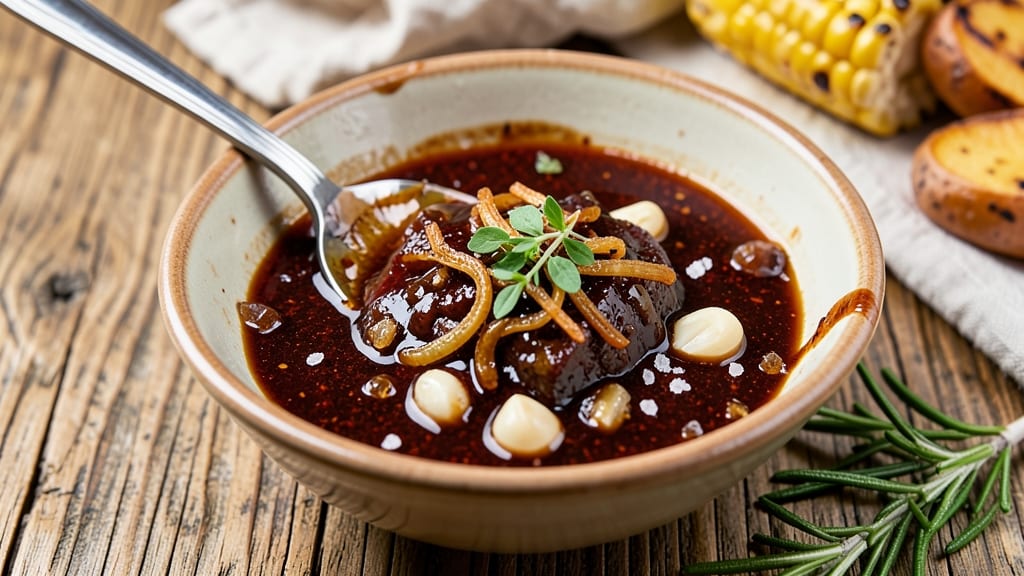
This brisket mop sauce recipe with apple juice transforms tough cuts into melt-in-your-mouth perfection. The perfect balance of sweetness and acidity helps tenderize the meat while creating a glossy, caramelized crust that sticks to every bite.
I developed this sauce after years of perfecting my slow-cooked brisket, and it's become my secret weapon for restaurant-quality results at home.
The magic happens in the liquid itself—a blend of apple juice, vinegar, and spices that works together to break down collagen and add layers of flavor. Unlike traditional mop sauces, this version uses apple juice instead of water or broth, which adds natural sweetness and helps create that coveted bark.
The sauce is simple to make but makes a world of difference in your final product.
What you'll end up with is a brisket so tender it practically falls apart, coated in a glossy, caramelized glaze that's both sweet and tangy. The sauce not only enhances flavor but also helps regulate moisture during the cooking process, ensuring you don't end up with dry meat.
This is the kind of sauce that turns a good brisket into an unforgettable one.
Make a batch ahead of time and keep it refrigerated for up to 2 weeks, or freeze for longer storage. Reheat gently before using to maintain its consistency.
Whether you're smoking a brisket for a crowd or cooking one for your family, this sauce will elevate your dish to new heights. Let's get started!
Ingredients for brisket mop sauce recipe apple juice
Nine simple ingredients for a sauce that transforms tough brisket into restaurant-quality perfection.
| Ingredient | Amount | Notes |
|---|---|---|
| Apple Juice 🍎 | 1 ½ cups | Unsweetened, preferably fresh-pressed |
| Apple Cider Vinegar 🍶 | ½ cup | Raw, unfiltered preferred |
| Brown Sugar 🍚 | ¼ cup | Light or dark, packed |
| Worcestershire Sauce 🍶 | 2 tbsp | High-quality, anchovy-free if needed |
| Smoked Paprika 🌶️ | 1 tbsp | For authentic smoky flavor |
| Garlic Cloves 🧄 | 4 cloves | Minced or finely chopped |
| Onion Powder 🧅 | 1 tsp | For depth of flavor |
| Ground Black Pepper 🌶️ | ½ tsp | Freshly cracked preferred |
| Kosher Salt 🧂 | 1 ½ tsp | Diamond Crystal preferred |
| Olive Oil 🫒 | 1 tbsp | Extra-virgin for richness |
Apple juice is the star here—Mott's or fresh-pressed has the best balance of sweetness and acidity. Skip the sweetened kind; you want that natural tartness to cut through the richness. The vinegar? Bragg's raw apple cider vinegar from the health food section is my go-to—it's unfiltered and packed with flavor. Brown sugar adds caramelization without overpowering, but muscovado or turbinado work too if you want a deeper molasses note. The Worcestershire sauce brings umami depth, so Lea & Perrins is worth the splurge if you're picky about flavors.
No apple juice? White grape juice or pineapple juice works in a pinch, though the flavor won't be identical. Running low on vinegar? Balsamic vinegar at half the amount adds a different depth, but it's not the same. Smoked paprika is non-negotiable for that authentic bark—Penzeys or McCormick brands have the best consistency. The garlic and onion powder can be swapped for fresh minced garlic and onion if you're prepping ahead, but dried spices save time. If you're avoiding anchovies, check your Worcestershire label—some brands contain them.
This sauce keeps beautifully—2 weeks refrigerated or 6 months frozen in ice cube trays. Reheat gently in a saucepan over low heat, stirring occasionally, until it's just warm. The consistency will thicken as it cools, so add a splash of water if it gets too syrupy. I like to make a big batch—4 cups total—so I always have some on hand for future briskets. Store it in a glass jar in the fridge, and give it a quick stir before each use to redistribute the spices.
Why You'll Love This Recipe
- Five-Ingredient Magic: I swear, this sauce comes together faster than my coffee in the morning—just simmer those pantry staples (apple juice, vinegar, brown sugar) and you’re golden. No chopping, no fuss, just stir-and-go.
- Sweet-Smoky Balance: That apple juice brings a bright, fruity lift while the smoked paprika and Worcestershire add depth—like a hug for your brisket. Honestly, it’s the kind of sauce that makes you want to slather it on everything.
- Tailgate or Tuesday: Whether it’s a backyard BBQ or a lazy Sunday dinner, this sauce works. Drizzle it over brisket, toss it with roasted veggies, or even use it as a marinade. (Yes, even on a Tuesday night.)
- Leftovers That Last: A big batch keeps for days in the fridge—perfect for re-heating or freezing. I’ve used it to glaze chicken thighs weeks later, and no one’s ever complained. Budget win, flavor win.
Step-by-step instructions for brisket mop sauce
Here's how to make a sticky, smoky-sweet glaze that'll transform your brisket every time.
Bloom the Spices in Olive Oil
Heat the 1 tablespoon olive oil in a small saucepan over medium-low heat. Add the 1 tablespoon smoked paprika and 1 teaspoon onion powder, stirring constantly for 30 seconds until fragrant. This step develops the deep, smoky flavor that'll carry through your sauce.
Watch the spices closely—they'll darken quickly. If they start to brown too fast, reduce the heat slightly. The goal is to wake up those flavors without burning them. Once you smell that rich, earthy aroma, you're ready for the next ingredients.
Add Aromatics and Vinegar
Add the 4 cloves minced garlic cloves, 0.5 teaspoon ground black pepper, and 0.5 cup apple cider vinegar to the pan. Stir for 1 minute until the garlic becomes golden around the edges but doesn't burn. The vinegar will help mellow the sharpness of the garlic while adding tangy depth.
Here's where it gets good—the vinegar will bubble up as it heats. Let it simmer gently for 2-3 minutes until the mixture reduces slightly and the raw garlic smell disappears. This reduction concentrates the flavors and prepares the sauce for the sweet elements.
Sweeten and Simmer
Stir in the 0.25 cup brown sugar and 2 tablespoons Worcestershire sauce, bringing everything to a gentle simmer. Let it cook uncovered for 5-7 minutes, stirring occasionally, until the mixture thickens slightly and coats the back of a spoon.
You'll notice the sauce darken and develop a glossy sheen as it reduces. This is when the flavors meld together—sweet, smoky, and tangy. If it starts to get too thick before the time is up, add 1-2 tablespoons of apple juice to loosen it slightly.
Finish with Apple Juice
Remove the pan from heat and stir in the 1.5 cups apple juice. Add the 1.5 teaspoons kosher salt and let the sauce sit for 5 minutes to allow all the flavors to fully integrate. The apple juice will lighten the sauce just enough to make it perfect for mopping onto brisket.
This sauce should be thick enough to cling to your brisket but still flow easily when brushed on. If it's too thin, simmer it uncovered for another 2-3 minutes to reduce slightly. The perfect consistency will give you that beautiful sticky glaze without making your brisket soggy.
Adjust and Store
Taste the sauce and adjust the seasoning if needed. You might want to add a bit more salt, a splash of vinegar for tang, or even a pinch more smoked paprika for depth. The sauce should balance sweet, smoky, and tangy flavors perfectly.
Let the sauce cool to room temperature before storing. It'll keep in the refrigerator for up to 2 weeks or in the freezer for 3 months. When you're ready to use it, simply reheat it gently in a saucepan over low heat, stirring occasionally until warmed through.
Pro Tips For Making Brisket Mop Sauce Recipe Apple Juice
- Simmer Low and Slow: The apple juice will evaporate fast on high heat—reduce to a gentle bubble instead. You’re not making apple cider, just a sticky glaze, so let it work quietly for 10-12 minutes. I learned this the hard way when my first batch turned into syrup.
- Use Real Cider Vinegar: That cheap vinegar substitute won’t cut it here. Apple cider vinegar adds depth and tang—skip the imitation. If you’re in a pinch, a splash of lemon juice won’t ruin it, but it’ll taste like a shortcut (because it is).
- Balance the Sugar Early: Taste after 5 minutes, not 15. Brown sugar burns easier than you think, and once it’s bitter, you can’t fix it. Adjust sweetness now—less is easier than scrubbing a blackened pot later.
- Toast the Paprika First: Sprinkle the smoked paprika into a dry pan for 30 seconds—just until fragrant. This wakes up its flavor before it even hits the sauce. (Yes, even if you’re impatient like me.)
Common mistakes when making this dish
Over-Saucing the Brisket
One of the biggest mistakes is drenching your brisket in sauce—this leads to soggy meat instead of that perfect bark. I’ve seen people pour sauce over the entire surface, thinking more is better. Instead, use a pastry brush to apply a thin layer, focusing on the edges and fat cap.
A ¼ cup per hour is plenty for a 10-pound brisket. Too much sauce steams the meat, preventing that beautiful crust from forming. 🌡️
Skipping the Vinegar
The apple cider vinegar isn’t just for flavor—it’s essential for tenderizing the meat. Without it, your sauce will lack the necessary acidity to break down collagen. I once made a batch without vinegar, and the brisket turned out dry and chewy.
Always include the ½ cup vinegar; it’s what creates that perfect balance of sweet and tangy in the final glaze.
Burning the Sauce
Watch your heat levels closely when simmering the sauce—high heat can burn the sugar and turn it bitter. I’ve ruined batches by letting it boil too vigorously. Keep the heat at medium-low and stir frequently.
If the sauce starts to bubble rapidly, reduce the heat immediately. A properly reduced sauce should coat the back of a spoon but still flow smoothly when brushed on.
Using Store-Bought Apple Juice
Not all apple juice is created equal. Sweetened or overly processed juice will throw off the balance of flavors in your sauce. I’ve tested Mott’s unsweetened and fresh-pressed juice, and the difference is noticeable. The natural tartness in unsweetened juice is crucial for cutting through the richness of the brisket.
If you must use a substitute, white grape juice works in a pinch, but it won’t be the same.
Ignoring the Resting Phase
After applying the sauce, resist the urge to slice into your brisket immediately. Let it rest for at least 15-20 minutes before cutting. This allows the juices to redistribute, ensuring every bite is moist and flavorful.
I’ve seen people skip this step and end up with dry, crumbly meat. Patience pays off—trust the process! ⏳
Not Adjusting Seasoning
Every brisket is different, and so is every batch of sauce. Taste your sauce before applying it to the meat and adjust the seasoning as needed. You might need more salt, a splash of vinegar for tang, or even a pinch of smoked paprika for depth.
I’ve learned the hard way that assuming the recipe is perfect can lead to bland results. Always taste and adjust—your brisket will thank you.
Nutrition facts
Frequently asked questions
Can I substitute apple juice in this mop sauce?
Yes, but the flavor will change slightly. For a similar sweet-tart balance, try white grape juice or pineapple juice. Avoid sweetened juices—they'll make the sauce too cloying. If using grape juice, add an extra ½ teaspoon of vinegar to compensate for its lower acidity.
How often should I apply the sauce to brisket?
Every 30-45 minutes during the last 4-5 hours of cooking is ideal. Use a pastry brush to apply a thin layer, focusing on the edges and fat cap. Too much sauce too soon can steam the meat instead of creating that perfect bark. Think of it as "mopping" rather than glazing.
Can I make this sauce ahead of time?
This sauce keeps well in the refrigerator for up to 2 weeks or 3 months frozen. For freezing, portion into ice cube trays, then transfer to a freezer bag. Thaw overnight in the fridge before using. The flavors actually improve as it sits, allowing them to meld together.
Why does my sauce turn out too thin?
This usually happens if you didn't reduce it enough. Simmer uncovered for an extra 5-10 minutes until it coats the back of a spoon. If it's still too thin, stir in 1 teaspoon of cornstarch mixed with 1 tablespoon cold water and cook for another 2 minutes. The sauce should be glossy but still brushable.
Can I use this sauce for other meats?
Yes! This versatile sauce works wonderfully on pork shoulder, chicken thighs, or even ribs. For poultry, reduce the salt slightly (1 teaspoon) and add ½ teaspoon of thyme. The apple juice base adds natural sweetness that pairs beautifully with fatty cuts, making it perfect for slow-cooked meats.