
Sauces & Condiments
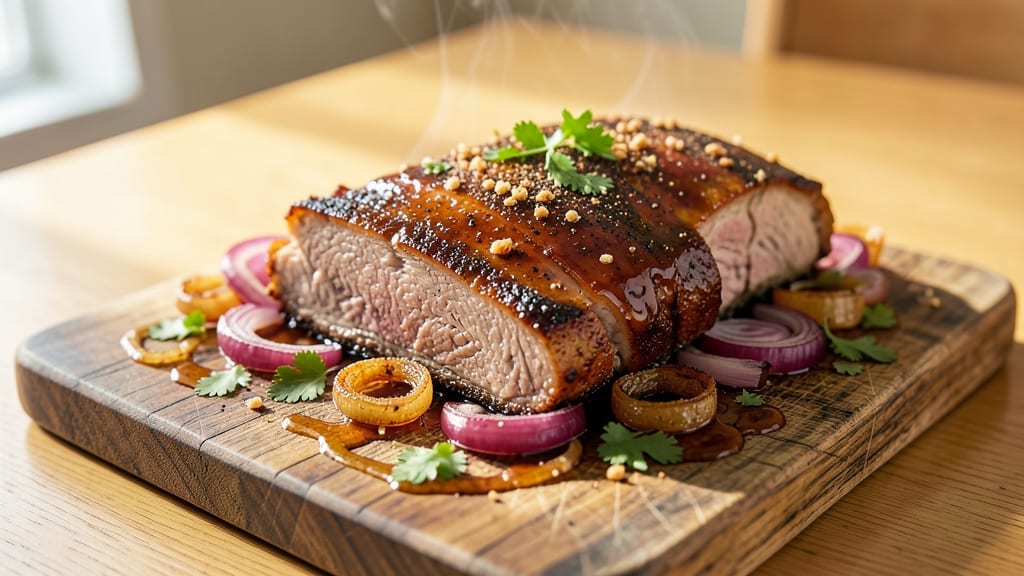
This apple cider vinegar BBQ recipe transforms ordinary grilled meats into finger-licking masterpieces with its perfect balance of tangy brightness and deep caramelized sweetness. ✨ The secret lies in simmering vinegar with brown sugar until it develops complex, smoky notes that cling to every bite—no artificial flavors here, just bold, authentic flavor built from scratch.
What sets this sauce apart is its versatility—whether you're slow-cooking ribs, grilling chicken, or basting vegetables, the vinegar's acidity tenderizes while the caramelized glaze creates that irresistible sticky crust. I developed this recipe after years of experimenting with vinegar-based marinades, and it never fails to deliver restaurant-quality results at home.
The process is straightforward: combine vinegar, sugar, and spices, then reduce until thick and glossy. The sauce keeps well in the fridge for up to two weeks, making it perfect for meal prep. What you'll end up with is a glossy, aromatic glaze that transforms simple proteins into showstopping centerpieces.
Pair it with grilled meats, roasted vegetables, or even as a tangy dipping sauce for fries. The possibilities are endless—let's get cooking!
Ingredients for apple cider vinegar bbq
Nine simple ingredients create this restaurant-worthy BBQ sauce with perfect tangy-sweet balance.
| Ingredient | Amount | Notes |
|---|---|---|
| Apple Cider Vinegar 🍏 | 1 cup | Raw, unfiltered preferred for depth |
| Light Brown Sugar 🍚 | 1 cup | Packed tightly for accurate measure |
| Smoked Paprika 🌶️ | 2 tbsp | For that authentic BBQ smokiness |
| Garlic Cloves 🧄 | 6 cloves | Minced for maximum flavor infusion |
| Onion Powder 🧅 | 1 tbsp | Freshly ground preferred |
| Ground Black Pepper 🌶️ | 1 tsp | Freshly cracked for best flavor |
| Salt 🧂 | 1 ½ tsp | Diamond Crystal kosher preferred |
| Mustard Powder 🍯 | 1 tsp | Yellow or Dijon for tangy depth |
| Water 💧 | ½ cup | For thinning if needed |
The apple cider vinegar is the heart of this sauce—Bragg or Texas Pete are my go-tos because they're raw and unfiltered, which gives that extra depth of flavor. You can use white vinegar in a pinch, but it won't have the same complexity. For the brown sugar, Light or Dark both work, but light gives a cleaner finish. If you're using dark, reduce the sugar slightly to avoid overpowering sweetness. The smoked paprika is non-negotiable—it's what gives that authentic BBQ smokiness that you can't get from regular paprika. Grab the Penzeys brand if you want to splurge, but the regular grocery store stuff works fine too.
No smoked paprika? Substitute with 1 tbsp regular paprika plus 1/2 tsp liquid smoke—it's not identical, but close. Short on apple cider vinegar? White vinegar plus 1 tsp apple cider gets you most of the way there. The garlic can be fresh or powdered, but fresh is always better if you've got it. For the mustard powder, Dijon works better than yellow if you want that extra tang. If your sauce is too thick, add water 1 tbsp at a time until it reaches that perfect glossy consistency—it should coat the back of a spoon but still drizzle easily.
This sauce keeps beautifully—2 weeks in the fridge sealed in a jar. For longer storage, freeze in ice cube trays for 6 months. I always make a double batch because it disappears fast. The flavor actually improves over time as the vinegar and sugar meld together. If you're using it on meat, let it come to room temperature before applying—it'll cling better and caramelize faster. And trust me, the first time you baste ribs with this? You'll never go back to store-bought sauce again.
Why You'll Love This Recipe
- Here’s what sold me: the garlic and onion powder blend so well with the vinegar’s sharpness that it’s dangerously good on everything. Slather it on chicken, toss it with roasted veggies, or even drizzle it over fries—it’s that perfect balance of sweet, smoky, and just a little bite.
- I’ll be real: this recipe doesn’t break the bank. A bottle of apple cider vinegar and a bag of brown sugar last me months, and the spices? A few shakes go a long way. It’s the kind of sauce where I can feed my whole family without guilt—and still have enough to save for next time.
Step-by-step instructions for apple cider vinegar BBQ sauce
This smoky-sweet sauce builds flavor layer by layer—start with the base and work your way to that perfect caramelized finish.
🍳 Step 1: Cook the Vinegar and Sugar Base
In a medium saucepan, combine the 1 cup apple cider vinegar and 1 cup light brown sugar. Place over medium-high heat and bring to a boil, stirring occasionally to dissolve the sugar completely. This step is all about creating a thick, syrupy foundation.
Once boiling, reduce heat to medium-low and let it simmer for 10-12 minutes. You'll see the mixture darken and thicken—this is where the magic begins. The sugar starts caramelizing, developing deep, complex flavors. Don't walk away; stir every 2-3 minutes to prevent sticking and ensure even cooking.
Here's where it gets fun—the sauce should reduce by about half, becoming syrupy and aromatic. You're looking for a rich amber color and a thick, almost paste-like consistency. If it reduces too quickly, add 1-2 tablespoons of water to control the process.
👨🍳 Step 2: Add Dry Seasonings and Spices
With the sauce still simmering, sprinkle in the 2 tbsp smoked paprika, 1 tbsp onion powder, 1.5 tsp salt, 1 tsp ground black pepper, and 1 tsp mustard powder. Stir immediately to distribute evenly and prevent burning.
Let the spices toast for 1-2 minutes—you'll smell the aromatic oils releasing. This step deepens the smoky, tangy profile of the sauce. The smoked paprika will give it that authentic BBQ character, while the mustard powder adds a subtle tang that cuts through the sweetness.
Watch the sauce closely—it should bubble gently but not boil rapidly. If it starts to boil too vigorously, reduce heat slightly. You want these spices to infuse without scorching. After 2 minutes, the mixture should smell rich and complex, like a campfire in autumn.
🔪 Step 3: Incorporate the Garlic and Water
Add the 6 minced garlic cloves and stir for 30 seconds—just enough to release their aroma without burning. Then pour in the 0.5 cup water and give it one final stir. The water helps thin the sauce slightly, making it more versatile for glazing or basting.
Simmer for another 3-4 minutes until the garlic is fully incorporated and the sauce reaches your desired consistency. It should coat the back of a spoon but still be pourable. If it's too thick, add 1 more tablespoon of water; if too thin, simmer uncovered for 1-2 minutes to reduce further.
Taste and adjust seasoning—this is your chance to fine-tune. I usually add a pinch more salt or a splash of apple cider vinegar for brightness. The sauce should balance sweet, smoky, and tangy flavors with a hint of garlic heat.
⏰ Step 4: Cool and Store for Maximum Flavor
Remove the sauce from heat and let it cool completely. This resting period allows the flavors to meld and the sauce to thicken further. I like to transfer it to a clean jar and refrigerate for at least 1 hour before using—this step makes a world of difference in texture and flavor.
For best results, use within 1 week or freeze for up to 3 months. The longer it sits, the more complex the flavors become. This sauce gets better with time, developing a deeper caramelized richness that's perfect for glazing ribs, basting chicken, or drizzling over grilled vegetables.
When ready to use, reheat gently over low heat, stirring occasionally, until warmed through. The sauce should be glossy and smooth—ready to elevate any BBQ dish with its perfect balance of sweet, smoky, and tangy notes.
Pro Tips For Making Apple Cider Vinegar Bbq
- Simmer Slow and Steady: I learned this the hard way—rushing the vinegar and sugar mix on high heat just makes it bitter. Keep it at a gentle boil for at least 15 minutes, stirring occasionally, so the flavors meld instead of turning harsh.
- Toast the Spices First: Smoked paprika and onion powder taste better when they’ve got a little warmth behind them. Dry-toast them in the pan for 30 seconds before adding liquid—it deepens the flavor and cuts through the sharpness of the vinegar.
- Mince That Garlic: Whole garlic cloves won’t infuse properly in this sauce. Mince them finely (or use a garlic press) so they dissolve into the vinegar and sugar, not just sit at the bottom like forgotten guests.
- Balance the Sweet and Tang: After simmering, taste and adjust: too much vinegar? Add a spoonful of sugar. Too cloying? A splash of vinegar cuts through. Aim for a ratio where the sweet and sour play off each other—like a good back-and-forth conversation.
Common mistakes when making great apple cider vinegar bbq
Over-Simmering the Vinegar
I’ve seen this happen more than once—someone gets distracted while reducing the vinegar and sugar, and suddenly, the sauce turns dark brown and smells burnt. The vinegar’s acidity can concentrate too quickly, leading to a harsh, bitter flavor.
To avoid this, keep the heat at medium-low and stir every 2-3 minutes. If the sauce starts to boil too vigorously, reduce the heat immediately. The goal is a rich amber color, not a charred mess. 🔥
Skipping the Resting Time
Rushing to use the sauce right after cooking is a big mistake. The flavors need time to meld, and the sauce will continue thickening as it cools. I always let mine rest for at least 1 hour before using it on meat.
If you skip this step, the sauce might be too thin or lack depth. Patience here makes all the difference—trust me, your ribs will thank you.
Using the Wrong Vinegar
Not all vinegars are created equal. White vinegar or balsamic won’t give you that same tangy, apple-forward brightness. Stick with raw, unfiltered apple cider vinegar like Bragg or Texas Pete. These brands have the complexity and depth you need.
If you’re in a pinch, you can mix white vinegar with 1 tsp apple cider vinegar, but it won’t be the same. The vinegar is the soul of this sauce—don’t cut corners here.
Ignoring the Garlic Toasting Step
Adding raw garlic cloves to the simmering sauce can turn it bitter. Instead, toast them for just 30 seconds to release their aroma without burning. This step is crucial for that balanced, aromatic flavor.
If you skip it, you’ll end up with a sauce that tastes more like garlic paste than a well-rounded glaze. A little attention here goes a long way.
Not Adjusting Seasoning Before Storing
Tasting and adjusting the sauce before storing it is non-negotiable. Flavors change as it cools, and you might need to add a pinch of salt or a splash of vinegar to balance it.
I always taste it again after it’s fully cooled—sometimes it needs just a little more brightness or depth. Don’t assume it’s perfect just because it tastes good hot. A little fine-tuning now saves you from disappointment later. ✨
Over-Thinning with Water
Adding too much water can dilute the sauce’s intensity. The goal is a glossy, pourable consistency—not a watery glaze. If your sauce is too thick, add water 1 tablespoon at a time while stirring constantly. You want it to coat the back of a spoon but still drizzle easily.
Overdoing it turns your BBQ sauce into a sad, thin syrup. Test it as you go—better to add a little at a time than regret it later.
Nutrition facts
Frequently asked questions
Can I use this sauce on vegetables instead of meat?
This sauce works beautifully on grilled or roasted vegetables like eggplant, zucchini, or Brussels sprouts. The tangy-sweet balance enhances their natural flavors. Brush it on during the last 5-7 minutes of cooking to prevent burning. It also makes an amazing dipping sauce for crispy fries or roasted potatoes.
How do I make this sauce spicier? Add ½-1 teaspoon of cayenne pepper or 1 tablespoon of hot sauce during the final simmer. For a smoky kick, increase the smoked paprika to 3 tablespoons. For heat lovers, try ½ teaspoon of red pepper flakes>—just
What's the best way to store leftover sauce?
Transfer to an airtight container and refrigerate for up to 2 weeks. For longer storage, freeze in 1-tablespoon portions (great for quick glazes!). Thaw overnight in the fridge—never microwave directly. The sauce thickens when cold, so add 1 teaspoon of water per tablespoon when reheating for best consistency.
Can I substitute honey for the brown sugar?
Yes, but use ⅓ cup honey> for every 1 cup of brown sugar—honey is sweeter and more liquid. Reduce the sauce longer (up to 15 minutes) to achieve the same thickness. The flavor will be fruitier and slightly floral. For balance, add 1 extra tablespoon of apple cider vinegar to maintain the tangy profile.
How do I prevent the sauce from crystallizing when stored?
Let the sauce cool completely before storing, then press plastic wrap directly on the surface to eliminate air pockets. For extra insurance, add ½ teaspoon of corn syrup during cooking—it acts as a humectant. If crystals form, simply reheat gently while stirring until smooth. This rarely happens with proper resting and sealing.