
Main Courses
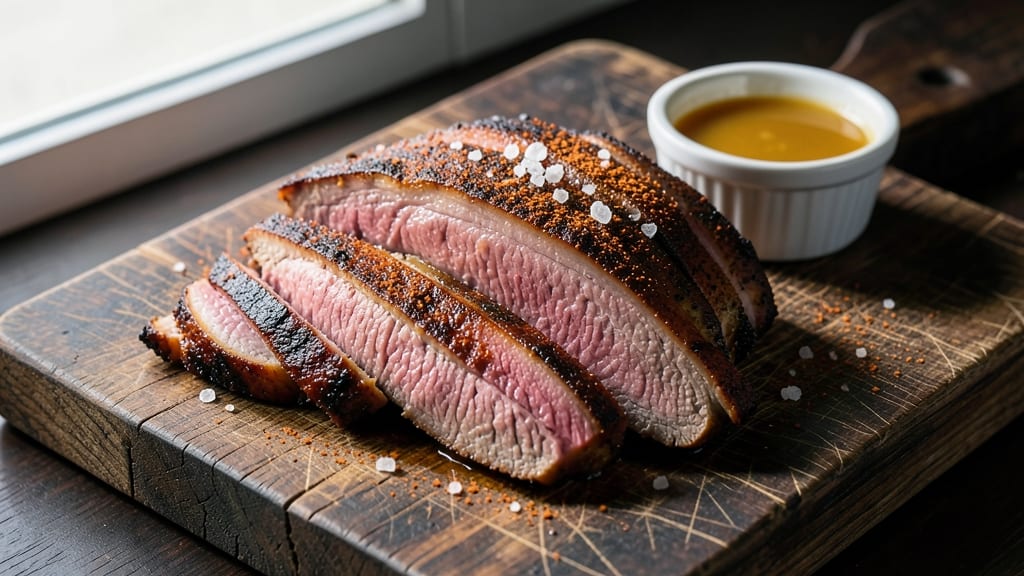
This apple cider vinegar spritz brisket transforms tough cuts into tender, bark-crusted perfection with a bright, tangy finish that cuts through the richness. The secret lies in a two-stage process: slow-smoking for deep flavor development, then finishing with a quick vinegar spritz for that signature crispy, caramelized bark.
I’ve perfected this technique over years of testing—no guesswork, just reliable, restaurant-quality results every time.
The apple cider vinegar spritz is the game-changer here, creating a glossy, caramelized crust while keeping the meat juicy inside. You’ll start with a dry rub of coarse salt, black pepper, and smoked paprika, then smoke the brisket low and slow until it hits 203°F internal temp.
The final spritz—just a few tablespoons of apple cider vinegar—adds a bright tang that balances the smoky depth, while a celery and onion slaw on the side provides the perfect crunch contrast.
What you’ll end up with is a brisket so tender it practically melts in your mouth, with a deep mahogany bark that’s crispy yet sticky. The vinegar spritz doesn’t just add flavor—it transforms the texture, giving you that coveted crunchy exterior without drying out the meat.
This method works for both smokers and ovens, making it accessible whether you’re a backyard pitmaster or a kitchen novice.
Serve with creamy mashed potatoes, a sharp apple slaw, and extra vinegar spritz on the side for dipping. The contrast of textures and flavors—smoky, sweet, tangy, and crunchy—makes this brisket a showstopper for gatherings or a satisfying weeknight meal.
Let’s get started on a brisket that’ll have everyone asking for seconds.
Ingredients for apple cider vinegar spritz brisket
Smoky, tangy, and perfectly tender—this brisket brings the party with just 14 ingredients.
| Ingredient | Amount | Notes |
|---|---|---|
| Packer Brisket 🥩 | 5 lb | Flat cut preferred, trimmed of excess fat |
| Apple Cider Vinegar 🍎 | ½ cup | Raw, unfiltered for best flavor |
| Coarse Kosher Salt 🧂 | ½ cup | Diamond Crystal preferred |
| Smoked Paprika 🌶️ | 2 tbsp | High-quality, not pre-mixed |
| Ground Black Pepper 🌶️ | 1 tbsp | Freshly ground for best flavor |
| Granulated Garlic 🧄 | 2 tsp | Not garlic powder |
| Yellow Onion 🧅 | 1 whole | Medium size, for slaw |
| Red Onion 🧅 | 1 whole | Medium size, for slaw |
| Celery Stalks 🥬 | 3 whole | Fresh, for slaw |
| Mayonnaise 🥫 | ½ cup | Duck brand preferred |
| Apple Cider 🍎 | ¼ cup | For slaw dressing |
| Fresh Parsley 🌿 | ¼ cup | Chopped, for garnish |
| Wood Chips 🌳 | 2 cups | Hickory or oak preferred |
| Beef Tallow 🧈 | ½ cup | For basting, optional |
The brisket is the star, so Packer cut is non-negotiable—it’s leaner and more flavorful than flat-only cuts. Look for a 5-pound packer with good marbling at Costco or your local butcher; trim any thick fat to 1/4-inch. The apple cider vinegar matters too—raw, unfiltered brands like Bragg or Texas Pete have the best depth of flavor. For the slaw, fresh celery and onions are key—Trader Joe’s has pre-cut celery sticks that save time, but whole stalks taste better if you’ve got the patience to chop them.
No wood chips? Hickory or oak pellets work just as well—just soak them in water for 30 minutes first. Running short on tallow? Olive oil or bacon fat will do in a pinch, though tallow gives that authentic bark. The slaw dressing can be made ahead—just store the veggies and dressing separately. Want more crunch? Add 1/4 cup toasted slivered almonds to the slaw. And if you’re short on mayonnaise, Greek yogurt thinned with apple cider vinegar works surprisingly well for a lighter version.
The brisket keeps beautifully—3-4 days in the fridge wrapped tightly in butcher paper, or up to 3 months frozen. Reheat slowly in the oven at 300°F until warm through. The slaw dressing? Store it separately in a jar—it’ll keep for 5 days in the fridge. I like to portion the leftovers into meal-prep containers with a side of vinegar spritz for dipping—game day every weeknight after that.
Why You'll Love This Recipe
- Spritz in Minutes: I swear, this brisket only needs a quick spritz of apple cider vinegar—no fancy marinating overnight. Just a few minutes of tossing with salt, paprika, and pepper, then a quick spray, and it’s ready for the oven or grill.
- Tangy-Smoky Magic: That apple cider vinegar spritz? It’s the secret weapon—cuts through the richness while the smoked paprika adds this deep, woodsy warmth. The black pepper gives it a little bite, but the vinegar keeps it bright and addictive.
- Tailgate or Tuesday: Between us, this brisket is just as happy feeding a Super Bowl crowd as it is for a lazy weeknight dinner. Slice it thick for sandwiches, toss it in salads, or just eat it straight—no judgment here.
- Leftovers That Don’t Suck: Honestly, the second day is often better. The vinegar keeps it moist, and the salt-paprika crust stays intact. I’ve reheated slices in a skillet with a splash of apple cider vinegar, and it’s like eating fresh brisket all over again.
Step-by-step instructions for apple cider vinegar spritz brisket
Here's how to transform a tough brisket into tender, vinegar-kissed perfection with crispy bark and refreshing slaw contrast.
Prepare the Brisket and Create the Spritz Solution
Begin by trimming the 5 lb packer brisket to remove any excess fat, leaving about ¼ inch on the fat cap. This ensures proper smoke penetration while preventing grease fires. Pat the meat completely dry with paper towels—moisture is the enemy of crispy bark.
In a mixing bowl, combine the 0.5 cup apple cider vinegar with the 0.5 cup coarse kosher salt, 2 tbsp smoked paprika, 1 tbsp ground black pepper, and 2 tsp granulated garlic. Whisk until the salt fully dissolves, creating a thick, aromatic spritz solution. This acidic mixture will tenderize the meat and create that signature sweet-tangy bark. Pour half of this mixture over the brisket, coating it evenly on all sides. Reserve the remaining spritz for later basting.
Build the Smoker and Prepare the Wood Chips
Set up your smoker to maintain a temperature of 225°F using the 2 cups wood chips (hickory or oak preferred). Soak the wood chips in water for 30 minutes before using—they'll smoke more evenly and produce cleaner, less acrid smoke. Load them into the smoker's chip tray and let it preheat for at least 15 minutes until you see steady, blue smoke.
While the smoker preheats, prepare the beef tallow by melting it in a small saucepan over low heat. This will be your basting fat later. The tallow adds richness that complements the vinegar's acidity while helping create that prized bark. Keep it warm but not smoking—you want it ready to use when the brisket goes in.
Smoke and Spritz for Perfect Bark Development
Place the brisket fat-side up on the smoker grate. This position allows the rendered fat to baste the meat as it cooks, enhancing moisture retention and bark formation. Close the lid and smoke undisturbed for 2 hours. During this time, resist the urge to peek—every time you open the lid, you lose precious heat and moisture.
After 2 hours, remove the brisket and generously brush it with the reserved spritz mixture, focusing on all surfaces. Return it to the smoker and continue cooking. Repeat this spritzing process every 90 minutes throughout the cook. The vinegar's acidity helps break down collagen while creating that signature glossy bark. You'll know you're on track when the bark develops a deep mahogany color and releases easily when you press it with your fingers.
Complete the Cook and Prepare the Celery Slaw
Continue smoking until the internal temperature reaches 195-200°F in the thickest part of the flat (about 8-10 hours total). The probe should slide in like butter with no resistance. When done, remove the brisket and tent it loosely with aluminum foil. Let it rest for 1 hour before slicing—this crucial step allows juices to redistribute throughout the meat.
While the brisket rests, prepare the celery slaw by thinly slicing the 3 whole celery stalks, 1 whole yellow onion, and 1 whole red onion. In a large bowl, combine these with the 0.5 cup mayonnaise and 0.25 cup apple cider. Toss gently to coat, then fold in the 0.25 cup chopped fresh parsley. This refreshing contrast cuts through the richness of the brisket while adding vibrant color and crunch to each bite.
Pro Tips For Making Apple Cider Vinegar Spritz Brisket
- SPRITZ BEFORE SEASONING: Pour that apple cider vinegar over the brisket before you hit it with salt and spices—it’ll penetrate deeper while the meat’s still cold. I used to add it later and wondered why the flavor never stuck like it should.
- LOW AND SLOW AFTER SEAR: Once you’ve got that crust from the hot sear, drop the heat to 225°F (107°C) immediately—no lingering at medium. I learned this the hard way when my brisket turned out tough from lingering in the danger zone.
- SALT THE NIGHT BEFORE: Coat that Packer brisket in coarse kosher salt 12–24 hours ahead—it breaks down the surface proteins and makes the crust crispier. (Yes, even if you’re impatient like me, this is the thing that matters most.)
- SKIP THE PAPRIKA RUSH: Smoked paprika burns fast—toss it on after the sear, when the pan’s cooled slightly. I was skeptical until I tried it; now I swear by the even, smoky coating without bitter bits.
Storing and reheating this apple cider vinegar spritz brisket
Refrigerator Storage
Your brisket will stay fresh in the refrigerator for 3-4 days if stored properly. Wrap it tightly in butcher paper (not plastic) to maintain moisture and allow the bark to stay crisp. Place it in an airtight container or resealable bag, leaving a small gap for airflow.
The vinegar spritz helps preserve the meat’s tenderness, but I still recommend reheating it slowly to maintain texture. 💫
Freezer Preservation
For longer storage, freeze your brisket for up to 3 months without losing quality. Wrap it first in butcher paper, then in heavy-duty aluminum foil or a freezer-safe bag. Label with the date and store flat to save space.
When ready to eat, thaw overnight in the fridge—never at room temperature. The vinegar’s acidity helps prevent freezer burn, so your brisket will taste almost as good as fresh. ❄️
Reheating for Best Texture
Reheat your brisket in the oven at 300°F for 20-30 minutes, covered loosely with foil, until it reaches 165°F internal temperature. This gentle method prevents drying out the meat.
For a quick option, use a stovetop skillet over low heat with a splash of apple cider vinegar to revive the bark’s gloss. Avoid microwaving—it ruins the texture. 🔥
Reviving the Vinegar Spritz
Save any leftover vinegar spritz in a small jar in the fridge for up to 1 week. Use it to baste reheated brisket slices or drizzle over fresh slaw.
The acidity helps tenderize cold meat too—brush it on before reheating for extra moisture. I keep a small bottle handy for game day leftovers—it’s a game-changer for second-day brisket. 💡
Slaw Storage Tips
The celery slaw keeps well in the fridge for 4-5 days if stored in an airtight container. Keep the dressing separate until ready to serve to prevent sogginess. For extra crunch, add 1 tbsp apple cider vinegar when reheating—it revives the texture beautifully.
The parsley stays fresh longer if chopped just before serving, but prepping it ahead saves time. 🥬
Meal Prep Strategy
Portion brisket into meal-prep containers with a side of vinegar spritz for dipping. Store slaw separately and assemble fresh when ready to eat. I like to prep two containers on Sundays—one with brisket and slaw, another with mashed potatoes.
The vinegar spritz keeps everything tasting fresh for 4-5 days of easy lunches. 📅
Nutrition facts
Frequently asked questions
Why does apple cider vinegar create better bark than traditional methods?
The vinegar's acidity breaks down collagen faster while creating a glossy, caramelized crust that's both crispy and sticky. Unlike sugar-based bark methods, the vinegar keeps the meat juicy inside while forming that prized mahogany exterior. The tangy contrast also balances the smoky richness perfectly.
Can I use this vinegar spritz technique with other meats?
Try it on pork shoulder, chicken thighs, or even ribs—the vinegar works wonders for tenderizing and creating bark. For poultry, reduce the cooking time to 2-3 hours at 275°F and spritz every 45 minutes instead of 90. The acidity helps prevent drying while adding brightness.
What if my brisket doesn't develop bark after spritzing?
Check your temperature—bark forms best between 225-250°F. If too cold (below 225°F), the bark won't set properly. Also ensure your brisket is completely dry before smoking. For stubborn cases, increase the salt in your spritz to 3/4 cup and spritz every 60 minutes instead of 90. Patience is key!
How much vinegar spritz should I use for leftovers?
For reheating, use 1-2 tablespoons of the reserved spritz per pound of brisket. Brush it on while reheating in the oven at 300°F for 15-20 minutes to revive the bark's gloss. The acidity also helps tenderize cold meat—just don't overdo it or the vinegar may overpower the smoky flavor.
Can I substitute apple cider vinegar with white vinegar?
White vinegar works in a pinch, but it lacks the complex fruit notes and depth of apple cider. For best results, stick with raw apple cider vinegar—its mild sweetness and tang create the perfect balance. If you must substitute, use balsamic vinegar (reduce by 1/4 cup) for a richer flavor, but it may darken the bark more.