
Main Courses
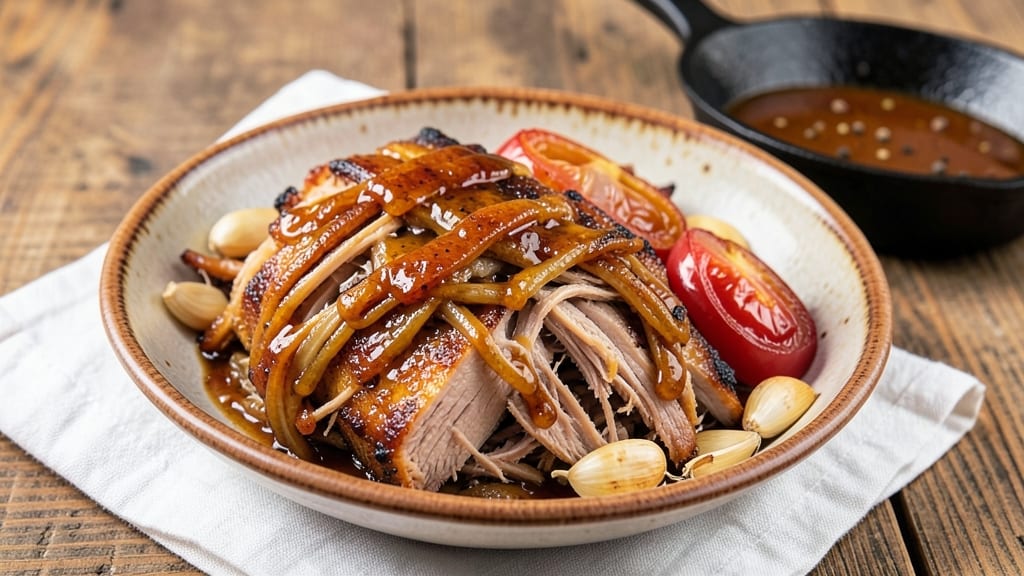
This pulled pork recipe with brown sugar and apple cider vinegar delivers restaurant-quality tenderness with a perfect balance of caramelized sweetness and bright tang. The combination of rich brown sugar and sharp apple cider vinegar creates a sauce that's both complex and deeply satisfying—something I've perfected over countless slow-cooker sessions.
What makes this recipe special is how the vinegar tenderizes the meat while the brown sugar adds depth without overpowering the natural pork flavor.
The secret lies in the slow cooking process, where the pork shoulder transforms into melt-in-your-mouth perfection while absorbing all those flavorful juices. You'll start with a simple dry rub of spices and brown sugar, then let the apple cider vinegar work its magic during the long cook.
This method ensures every bite is juicy, flavorful, and packed with that signature tangy-sweet profile that makes pulled pork irresistible.
By the time you're ready to serve, you'll have tender, shreddable pork that's coated in a glossy, caramelized sauce with just the right balance of sweet and tangy notes. The aroma alone will have everyone gathering around the table, and the texture—tender yet substantial—is exactly what pulled pork should be.
This is the kind of dish that tastes even better the next day, making it perfect for meal prep or feeding a crowd.
Serve it on soft buns with coleslaw for a classic experience, or pile it onto tacos for a fun twist. The sauce is versatile enough to work with both, and the leftovers reheat beautifully. Let's get cooking—this pulled pork is about to become your new go-to recipe.
Ingredients for pulled pork recipe with brown sugar and apple cider vinegar
Six ingredients transform tough pork into melt-in-your-mouth perfection with caramelized sweetness and tangy depth.
| Ingredient | Amount | Notes |
|---|---|---|
| Pork Shoulder (Bone-In) 🍖 | 4 lb | Well-marbled for juiciness |
| Light Brown Sugar 🍯 | ½ cup | Packed tightly for sweetness |
| Apple Cider Vinegar 🍏 | ¼ cup | Unfiltered for tangy depth |
| Yellow Onion 🧅 | 1 whole | Medium, sliced into wedges |
| Garlic Cloves 🧄 | 6 cloves | Smashed for stronger flavor |
| Ground Black Pepper 🌶️ | 1 ½ tsp | Freshly cracked for heat |
| Dried Thyme 🌿 | 1 tsp | Or 1 tbsp fresh thyme leaves |
| Dried Oregano 🍃 | 1 tsp | Mexican oregano preferred |
| Smoked Paprika 🌶️ | 1 tsp | For subtle smoky flavor |
| Salt 🧂 | 1 ½ tsp | Kosher or sea salt |
| Beef Broth 💧 | 1 cup | Low-sodium preferred |
| Honey 🍯 | 1 tbsp | Optional for extra sweetness |
| Water 💧 | 1 ½ cups | For slow cooking liquid |
The pork shoulder is non-negotiable here—bone-in stays juicier than boneless. Grab one from the butcher counter if your store has them, or Costco or Walmart usually carry good-quality cuts. Look for good marbling (those little white fat streaks) and avoid anything with a grayish tint. The apple cider vinegar should be unfiltered for that extra tang—Mott's or Bragg's are reliable brands. Brown sugar? Pack it tightly into the measuring cup for accurate sweetness. I always grab Domino brand because it's consistent, but any light brown sugar works.
No apple cider vinegar? White vinegar plus 1 tsp extra brown sugar gets you close. Fresh thyme? Use one-third the amount of dried. The beef broth can be swapped for water plus 1 tsp soy sauce in a pinch. For extra smokiness, add 1/2 tsp liquid smoke to the slow cooker. The onion and garlic are where all the flavor builds—don't skip slicing them into big chunks so they caramelize nicely. If you're prepping ahead, you can slice the onion and mince the garlic up to 2 days in advance and store them in the fridge.
This dish tastes even better the next day—3-4 days in the fridge, actually. Store it in its juices in a sealed container. For freezing, portion into single-serving bags with a little extra sauce—thaws beautifully. The sauce thickens as it cools, so add 1-2 tbsp water when reheating if it's too stiff. I always make a double batch because it disappears fast at parties. Leftovers reheat perfectly in the microwave or on the stovetop with a splash of water.
Why You'll Love This Recipe
- This pulls double duty: shred it over buns for a crowd or pack it in containers for lunches. Honestly, I’ve served it at BBQs and packed it for work—same recipe, zero guilt.
- Foolproof Slow Cooker: I swear by this method—just toss the pork shoulder in the pot with chopped onion, garlic, and that tangy apple cider vinegar. By dinner, it’s falling apart, no babysitting required.
- Sweet-Tart Magic: The brown sugar caramelizes into the meat while the vinegar keeps it bright and sticky—not too sweet, not too sharp, just right. That balance? Pure comfort in every bite.
- Party or Pantry: This pulls double duty: shred it over buns for a crowd or pack it in containers for lunches. Honestly, I’ve served it at BBQs and packed it for work—same recipe, zero guilt.
Step-by-step instructions for slow-cooked pulled pork
Here's how to transform that pork shoulder into fall-apart tender pulled pork with perfect caramelized sweetness.
Prepare the Pork Shoulder for Maximum Flavor
Start by trimming any excess fat from the pork shoulder, leaving about ¼-inch layer to protect the meat during cooking. Pat the entire surface dry with paper towels—this helps the rub stick better and creates a better crust. Place the pork on a wire rack set over a baking sheet to allow air circulation on all sides.
In a small bowl, combine the 0.5 cup light brown sugar, 1.5 tsp salt, 1.5 tsp ground black pepper, 1 tsp dried thyme, 1 tsp dried oregano, 1 tsp smoked paprika, and 6 smashed garlic cloves. Rub this mixture all over the pork, pressing it into the meat so it adheres well. Let it sit at room temperature for 30 minutes while you prepare the other ingredients.
Build the Flavor Base in the Slow Cooker
Slice the 1 whole yellow onion into wedges and place them in the bottom of your slow cooker. Add the 1 cup beef broth, 0.25 cup apple cider vinegar, 1.5 cups water, and 1 tbsp honey to the slow cooker. Stir everything together—this creates the perfect liquid base for tenderizing the pork.
Place the seasoned pork shoulder fat-side up in the slow cooker, nestling it among the onion wedges. The onions will caramelize slightly during cooking, adding deep sweetness to the finished dish. The liquid should come about halfway up the sides of the pork—if it doesn't, add a splash of water.
Cook Low and Slow to Perfection
Cover the slow cooker and cook on LOW for 8 hours (or HIGH for 5-6 hours). This long, gentle cooking time is crucial—it breaks down the connective tissue in the pork, turning it into tender, pull-apart perfection. Don't peek or lift the lid during cooking; every time you do, you release heat and moisture, extending the cooking time.
After 8 hours, remove the pork and check its doneness. It should be fork-tender, with the internal temperature reaching 195-205°F at its thickest part. If it's not quite there, return it to the slow cooker for another 1-2 hours on LOW. The meat should easily pull apart with two forks.
Shred and Mix with the Cooking Liquid
Transfer the pork to a cutting board and let it rest for 10 minutes. Using two forks, shred the pork into bite-sized pieces. Discard any large fat chunks or connective tissue. Return the shredded pork to the slow cooker and mix it with the cooking liquid, stirring well to combine. Taste and adjust seasoning if needed—you might want to add a pinch more salt or a splash of apple cider vinegar for tang.
The cooking liquid should now be thickened with dissolved pork juices and caramelized onions, creating a rich, flavorful sauce that clings perfectly to each tender piece of pork. If the sauce is too thin, simmer uncovered on the stovetop for 5-10 minutes to reduce it slightly.
Serve with Confidence
Serve the pulled pork immediately while it's still warm, piled high on buns or over rice with your favorite toppings. The combination of sweet brown sugar, tangy apple cider vinegar, and smoky paprika creates a complex flavor profile that's both comforting and exciting. Each bite should be tender, juicy, and packed with deep, caramelized sweetness.
For best results, make this ahead of time—it tastes even better the next day as the flavors continue to meld. Store leftovers in the refrigerator for up to 4 days or freeze for up to 3 months. This recipe delivers restaurant-quality pulled pork with minimal effort, making it perfect for meal prep or your next gathering.
Pro Tips For Making Pulled Pork Recipe With Brown Sugar And Apple Cider Vinegar
- START HOT, END LOW: The first hour in a screaming-hot oven (450°F) with the lid off gets that brown sugar crusting fast—don’t skimp. After that, drop to 275°F and cover loosely (I use foil with a few holes) so the vinegar doesn’t evaporate too soon. I learned this the hard way when my first batch turned into sticky, underwhelming pork.
- CHOP ONIONS SMALL: You’re not making onion rings here. Dice those yellow onions into ¼-inch pieces so they cook down evenly and melt into the sauce. Big chunks? They’ll sit like rubbery rocks in your pulled pork. (Yes, even if you’re impatient like me.)
- DON’T RUSH THE VINEGAR: Add the apple cider vinegar in stages—start with half the recipe’s amount early, then add the rest in the last 45 minutes. Dumping it all at once makes the meat tough and the sauce too sharp. My grandmother swore by this, and she was right: patience here makes the sauce sing.
- USE A MEAT THERMOMETER: Pork shoulder is forgiving, but not infinitely. Pull it at 203°F—no guessing, no poking with a knife (that’s how you lose moisture). I was skeptical until I tried it: the difference between 200°F and 205°F is the difference between tender and chewy. (Your future self will thank you.)
Dietary considerations for pulled pork recipe with brown sugar and apple cider vinegar
Gluten-Free Adaptations
This pulled pork recipe is naturally gluten-free, but watch for hidden gluten in ingredients like beef broth (some brands use soy sauce). I always check labels on beef broth and brown sugar—some contain malt vinegar or wheat-based additives.
For extra safety, use gluten-free tamari instead of soy sauce in your broth substitute. Serve with gluten-free buns like Canyon Bakehouse or Udi's to keep it completely safe. 🌾
Dairy-Free Considerations
The original recipe contains no dairy, but traditional toppings like cheddar cheese or sour cream would need swapping. For a dairy-free version, try cashew sour cream (blend ½ cup cashews, 2 tbsp lemon juice, and ¼ cup water) or nutritional yeast for a cheesy flavor.
The apple cider vinegar and brown sugar combo already delivers rich flavor without dairy. Always check your beef broth label for dairy additives too.
Lower Sugar Options
If you're watching sugar intake, reduce the brown sugar to ¼ cup and add 1 tbsp molasses for depth without extra sweetness. For a diabetic-friendly version, omit the honey entirely and use sugar-free maple syrup instead.
The apple cider vinegar will still provide tangy balance, and the pork's natural sweetness will shine through. Always test small batches first—sugar reduction affects sauce thickness.
Allergen-Friendly Swaps
For nut allergies, avoid cashew-based swaps and use coconut yogurt instead of sour cream. If you're avoiding vinegar, substitute with lemon juice (use ¼ cup lemon juice + 1 tsp extra brown sugar to mimic tang).
For soy allergies, skip the soy sauce in broth substitutes. The key is maintaining the sweet-tangy balance—adjust other ingredients to compensate for flavor changes. Always double-check all spice blends for cross-contamination warnings. 🚫
Keto-Friendly Adjustments
This recipe is already keto-friendly with its high-fat pork shoulder and minimal carbs. Skip the honey entirely and use sugar-free sweetener if needed. The apple cider vinegar adds tang without carbs, and the onions provide minimal fiber.
For extra fat, add 2 tbsp butter to the slow cooker during the last 30 minutes of cooking. Serve with low-carb coleslaw (made with mayo and vinegar) or cheese crisps instead of buns. The result is a perfectly keto-compliant pulled pork with all the rich flavors. 🥓
Vegetarian Substitutes
While pork is the star here, you can create a similar flavor profile with mushrooms and seitan. Use 1.5 lbs portobello mushrooms (sliced thick) and 1 lb store-bought seitan for texture.
Cook them with the same brown sugar and apple cider vinegar mixture, but reduce cooking time to 4-5 hours on LOW. The umami from mushrooms will mimic pork's depth, and the vinegar adds that signature tang. For a meatier texture, add ½ cup lentils to the mix. 🍄
Nutrition facts
Frequently asked questions
Can I use a different vinegar instead of apple cider vinegar?
Yes, but the flavor will change slightly. For a similar tang, try white vinegar (add 1 tsp extra brown sugar to balance) or balsamic vinegar (use ¼ cup for richer depth). Avoid rice vinegar—it's too mild and will make the dish taste flat. The apple cider vinegar's natural sweetness and acidity create that perfect balance.
Why does my pulled pork turn out dry?
Overcooking or not enough liquid are the usual culprits. Always keep the pork submerged in liquid—if it's exposed, add ½ cup water or broth during cooking. The ideal internal temp is 195-205°F, not higher. For extra juiciness, place the pork in a water bath in the slow cooker or wrap it in foil during the last 1-2 hours of cooking.
How do I make this in an oven instead of a slow cooker?
Preheat oven to 275°F and place the seasoned pork in a Dutch oven with the same liquid ingredients. Cover tightly with foil and bake for 6-7 hours, flipping the pork halfway. For crispier edges, uncover for the last 30 minutes. The oven method gives slightly more caramelization on the onions—just be patient with the timing!
Can I use pork loin instead of pork shoulder?
Not recommended! Pork loin is leaner and cooks much faster, making it difficult to achieve that tender, pull-apart texture. The shoulder's fat and connective tissue are what create the perfect melt-in-your-mouth result. If you must use loin, cook it at 325°F for only 2-3 hours and expect less tender results. Stick with the shoulder for best results.
What's the best way to reheat leftovers?
Reheat gently to avoid drying out the pork. In a skillet with 1 tbsp apple cider vinegar and 1 tbsp water, warm on medium-low for 5-7 minutes until heated through. For microwave reheating, cover with a damp paper towel and heat in 30-second intervals. Never reheat completely dry—always add a splash of liquid to restore moisture.