
Salads
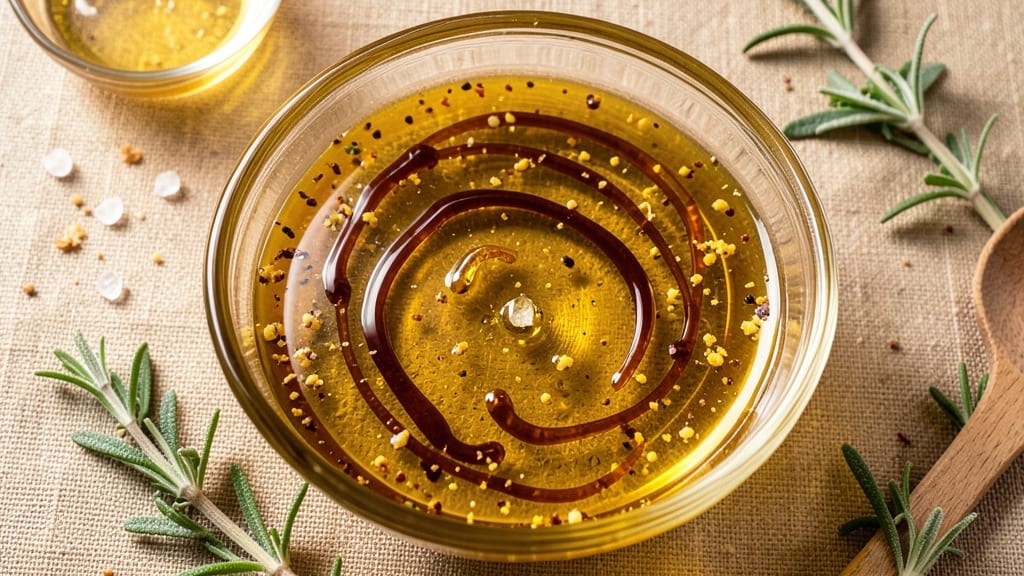
This apple cider vinegar and olive oil salad dressing transforms simple greens into vibrant, restaurant-quality meals with just five minutes of prep. The tangy brightness of apple cider vinegar cuts through rich ingredients, while extra-virgin olive oil adds a luxurious depth that elevates every bite.
I developed this recipe after years of testing store-bought dressings that always fell short—this version delivers a perfect balance of acidity and richness without overpowering the salad's natural flavors.
The beauty of this dressing lies in its simplicity: just four core ingredients—apple cider vinegar, olive oil, Dijon mustard for emulsification, and a touch of maple syrup to balance the tang.
The Dijon mustard ensures the dressing stays creamy and clings to leaves, while the maple syrup adds subtle sweetness that rounds out the sharpness.
For extra flavor, fresh herbs like thyme or rosemary can be whisked in at the end, adding aromatic complexity that makes this dressing versatile for far more than salads.
What makes this dressing truly special is its foolproof technique—no special equipment needed, just a whisk or jar and a few minutes of your time. It keeps beautifully in the refrigerator for up to two weeks, making it perfect for meal prep.
The ratio of vinegar to oil is carefully balanced to prevent separation, so you can shake or stir it back together if it does settle.
Whether drizzled over a crisp arugula salad, tossed with roasted vegetables, or used as a marinade for grilled chicken, this dressing brings a bright, zesty punch that transforms ordinary meals into something extraordinary.
For those who want to experiment, the base recipe can be adapted with garlic, lemon zest, or even a pinch of smoked paprika for added depth. It’s the kind of dressing that becomes a pantry staple—simple enough for everyday use but sophisticated enough for special occasions.
Let’s get started on creating your perfect batch.
Ingredients for apple cider vinegar and olive oil salad dressing
Four core ingredients plus a few optional boosters—this dressing comes together in minutes.
| Ingredient | Amount | Notes |
|---|---|---|
| Apple Cider Vinegar 🍏 | ½ cup | Raw, unfiltered preferred |
| Extra-Virgin Olive Oil 🫒 | ¾ cup | High quality, fruity |
| Dijon Mustard 🍯 | 1 tbsp | Mild or strong variety |
| Pure Maple Syrup 🍁 | 1 ½ tbsp | Grade B for depth |
| Fresh Thyme Leaves 🌿 | 1 tbsp | Or 1 tsp dried thyme |
| Sea Salt 🧂 | ½ tsp | Fine grain preferred |
| Freshly Ground Black Pepper 🌶️ | ¼ tsp | Freshly cracked preferred |
| Garlic Cloves 🧄 | 1 clove | Minced for extra flavor |
The apple cider vinegar is where the magic happens—raw, unfiltered has more flavor and complexity. Bragg or Texas Pete are my go-tos, but any good-quality brand works. For the olive oil, Kirkland Signature or California Olive Ranch are my pantry staples—they're affordable and pack serious flavor. The Dijon mustard is non-negotiable; it emulsifies the dressing so it clings beautifully to greens. I always grab Maille when I'm feeling fancy, but the store brand works too. The maple syrup might seem small, but it rounds out the sharpness—Grade B has more depth than Grade A, so if you can find it, go for that.
No apple cider vinegar? White vinegar or lemon juice work in a pinch, though the flavor will be different. Short on olive oil? Avocado oil has a neutral taste that won't overpower the dressing. The garlic and thyme are optional but add serious flavor—if you skip them, just boost the salt slightly. For extra tang, add a splash of balsamic vinegar. Want it smoky? A pinch of smoked paprika does the trick. The herbs can be swapped—rosemary or tarragon both work beautifully. Just remember: the ratio of vinegar to oil is key to keeping it balanced, so don't stray too far from the 1:1.5 ratio.
This dressing keeps for up to 3 weeks in the fridge, sealed tightly in a jar. If it separates, just shake or whisk it back together—it’s normal! For meal prep, I make a big batch and store it in small jars so I can grab one whenever I need it. The flavors actually improve over time, so it’s perfect for making ahead. If you want to experiment, try adding a teaspoon of soy sauce for umami or a dash of hot sauce for a little kick. It’s that versatile!
Why You'll Love This Recipe
- Here’s what sold me: the Dijon mustard adds that deep, funky bite, but the maple syrup smooths it out so it’s not overpowering. It’s bright enough for summer salads but rich enough to stand up to hearty greens or roasted veggies. Honestly, I’ve never met a dressing that does both so well.
- Five-Ingredient Magic: I swear by this combo—just shake, taste, adjust. No fancy techniques, no waiting for anything to bloom. That tangy apple cider vinegar cuts through the richness of the olive oil while the maple syrup softens the edges, and the thyme? It’s the secret whisper that makes everything feel intentional.
- Sweet-Tart Balance: Here’s what sold me: the Dijon mustard adds that deep, funky bite, but the maple syrup smooths it out so it’s not overpowering. It’s bright enough for summer salads but rich enough to stand up to hearty greens or roasted veggies. Honestly, I’ve never met a dressing that does both so well.
- Weeknight Workhorse: This is my go-to for lunch prep—makes enough for three salads, and it keeps for a solid week in the fridge. Drizzle it over grain bowls, toss it with pasta, or even use it as a marinade. Between us, I’ve even poured it over fries. (Yes, even on a Tuesday night.)
Step-by-step instructions for apple cider vinegar and olive oil dressing
This tangy, balanced dressing comes together in minutes—no cooking required!
Whisk Together the Vinegar and Sweetener
In a small bowl, combine the 0.5 cup apple cider vinegar and 1.5 tablespoons pure maple syrup. I like to use a fork first to break up any clumps in the maple syrup, then switch to a whisk for smoother integration. The vinegar should begin to mellow slightly as it mingles with the sweetness—this is your flavor foundation.
Let this mixture sit for 1 minute while you prepare the remaining ingredients. This brief pause allows the flavors to start blending, creating a more cohesive base when you add the other components. The syrup should dissolve completely, leaving no grainy texture behind.
Add Mustard and Garlic for Depth
Stir in the 1 tablespoon Dijon mustard and the minced 1 clove garlic using a small whisk. The mustard will thicken the dressing slightly while adding that signature tangy kick. I always use a whisk here to ensure the garlic distributes evenly—no one wants a surprise garlic chunk in their bite.
Give it a quick taste at this stage. You should notice the sharpness of the vinegar softening slightly from the maple syrup, with the garlic adding a subtle warmth. If the mixture seems too thick, you can thin it later with a splash of water, but we're aiming for a velvety consistency right now.
Incorporate the Olive Oil Gradually
With the whisk moving steadily, begin adding the 0.75 cup extra-virgin olive oil in a slow, steady stream. I like to pour it against the side of the bowl to prevent splashing. The key here is patience—adding the oil too quickly can create a greasy texture rather than a smooth emulsion.
Whisk vigorously for 1-2 minutes until the dressing thickens noticeably and takes on a glossy sheen. You're looking for a texture that coats the back of a spoon without being too heavy. If it separates at all, don't worry—just give it another 30 seconds of whisking. The olive oil should blend seamlessly with the vinegar base.
Finish with Herbs and Seasonings
Add the 1 tablespoon fresh thyme leaves, 0.5 teaspoon sea salt, and 0.25 teaspoon freshly ground black pepper. Pulse the whisk gently to distribute the thyme evenly—you want visible flecks throughout rather than clumps. The thyme adds an earthy aroma that brightens the dressing, while the salt and pepper round out the flavors.
Give it one final taste and adjust if needed. I usually find this ratio perfect, but if you prefer it sweeter, add a touch more maple syrup, or if it's too sharp, a splash of water helps. The dressing should now have a perfect balance of tangy, sweet, and herby notes with a smooth, velvety texture.
Let It Rest and Shake Before Use
Transfer the dressing to a clean jar with a tight-sealing lid. Let it sit at room temperature for 10-15 minutes—this allows the flavors to fully meld together. Before using, give it a good shake to ensure all the ingredients are evenly distributed.
This dressing keeps well in the refrigerator for up to 2 weeks, though I rarely have any left that long. It's perfect for everything from crisp green salads to hearty grain bowls. The longer it sits, the more the flavors develop, so if you can wait a few hours before serving, do it!
Pro Tips For Making Apple Cider Vinegar And Olive Oil Salad Dressing
- Whisk in Stages: Start by mixing the apple cider vinegar, Dijon mustard, and maple syrup first—this prevents the olive oil from separating when you add it last. Trust me, trying to fix a broken emulsion mid-whisk is a headache you don’t need.
- Use Raw Honey Instead: If maple syrup’s too thick or expensive, swap in raw honey for a smoother texture and brighter sweetness. It blends better with the acidity and adds a subtle floral note that works surprisingly well with thyme.
- Measure Oil Precisely: Pour the olive oil in slowly while whisking vigorously—about 3 parts oil to 1 part vinegar mix. Dumping it all at once guarantees a split dressing, and nobody wants to salvage that with a blender.
- Toast the Thyme First: Lightly crush the thyme leaves between your fingers before adding them to the dressing—this releases their oils and intensifies the flavor. Skip this, and you’re just sprinkling on dried herb flakes instead of actual aroma.
Health benefits of this recipe
Digestive Aid
The apple cider vinegar in this dressing is a natural digestive aid, helping break down food and improve nutrient absorption. The acetic acid in vinegar stimulates stomach acid production, which can aid digestion and reduce bloating.
I've noticed my meals feel lighter after using this dressing, especially with heavier salads packed with dense ingredients like avocados or nuts. 💪
Blood Sugar Balance
The maple syrup and olive oil work together to create a dressing that helps stabilize blood sugar levels. The natural sweetness from maple syrup provides a slow-release energy source, while the healthy fats from olive oil slow digestion, preventing blood sugar spikes.
This makes it particularly beneficial for those monitoring their glucose levels or following balanced diets.
Heart Health Benefits
Extra-virgin olive oil is rich in monounsaturated fats, which are proven to support heart health by reducing LDL cholesterol and improving circulation. The polyphenols in apple cider vinegar further contribute by helping lower blood pressure and reducing inflammation.
Together, these ingredients create a dressing that's as good for your heart as it is for your taste buds. 🌿
Antioxidant Boost
Both apple cider vinegar and olive oil contain powerful antioxidants that combat oxidative stress in the body. The olive oil provides vitamin E and polyphenols, while the vinegar offers acetic acid and trace minerals.
Regular consumption of this dressing can help protect your cells from damage, supporting long-term health and vitality.
Anti-inflammatory Properties
The combination of olive oil and apple cider vinegar creates an anti-inflammatory powerhouse. Olive oil's oleocanthal acts similarly to ibuprofen in reducing inflammation, while vinegar helps regulate blood sugar and insulin sensitivity. This makes the dressing particularly beneficial for those with inflammatory conditions or joint discomfort.
Weight Management Support
This dressing is naturally low in calories but high in flavor, making it an excellent choice for weight-conscious eaters. The fiber from any added herbs or vegetables in your salad, combined with the dressing's balanced ingredients, helps create a feeling of fullness.
The vinegar also helps control appetite by stabilizing blood sugar levels throughout the day. ✨
Nutrition facts
Frequently asked questions
Can I substitute apple cider vinegar with another type of vinegar?
Yes, but the flavor will change slightly. For a similar tang, use white vinegar or lemon juice (about 1/4 cup less since they're more acidic). Balsamic vinegar adds sweetness, while red wine vinegar gives a deeper, fruitier taste. Just adjust the maple syrup to balance the acidity—start with 1 tablespoon less if using a milder vinegar.
Why did my dressing separate? How do I fix it?
Separation happens when oil and vinegar aren't properly emulsified. Simply shake or whisk vigorously for 30-60 seconds—the Dijon mustard will help re-bind them. For future batches, whisk longer when combining ingredients or add 1/2 teaspoon xanthan gum to stabilize it. Store-bought dressings often separate because they lack emulsifiers, but this recipe stays creamy!
Can I make this dressing without Dijon mustard?
Swap it for 1/2 teaspoon ground mustard powder or 1/2 teaspoon honey/mustard blend. Without it, whisk the oil in more slowly to prevent separation. For a mustard-free version, add 1/2 teaspoon cornstarch mixed with 1 tablespoon water to help thicken and bind the dressing naturally.
How can I make this dressing spicier or sweeter?
For heat, add 1/4 teaspoon cayenne pepper or a dash of hot sauce. For extra sweetness, increase maple syrup to 2 tablespoons. Pro tip: Add 1/2 teaspoon smoked paprika for depth or 1/4 teaspoon cinnamon for warmth. Always taste as you go—adjustments are easy with this versatile base recipe!
Is this dressing safe to eat raw? What about kids or pregnant women?
Yes, all ingredients are safe to consume raw. The apple cider vinegar is pasteurized, and olive oil is shelf-stable. For kids or pregnant women, reduce the vinegar slightly (1/4 cup) to soften the acidity. If concerned about raw garlic, sauté it briefly (30 seconds) to mellow its flavor while keeping it safe.