
Sauces & Condiments
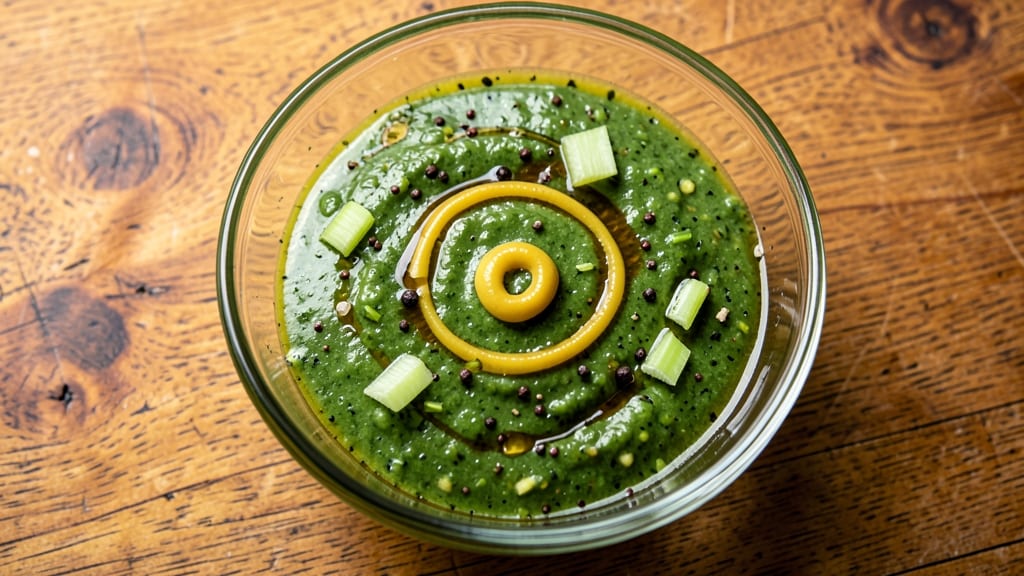
This broccoli salad dressing recipe with apple cider vinegar transforms simple ingredients into a tangy, bright dressing that elevates every bite. The secret lies in balancing sharp apple cider vinegar with smooth olive oil and a touch of sweetness, creating a flavor profile that clings perfectly to crisp vegetables.
I developed this recipe after years of perfecting the ideal balance—never too sweet, never too sour, just the right amount of zing to make broccoli salad irresistible.
The dressing comes together in just 5 minutes with basic pantry staples: high-quality olive oil, apple cider vinegar, Dijon mustard, and a hint of honey or maple syrup for depth. The Dijon mustard adds subtle tanginess while thickening the dressing slightly, ensuring it stays cohesive on every forkful.
This version works equally well as a standalone dressing or as a base for customizing with fresh herbs, garlic powder, or a dash of smoked paprika for extra complexity.
What makes this dressing truly special is its versatility—it doesn’t just work for broccoli salad. Drizzle it over roasted vegetables, grain bowls, or even grilled chicken to add that signature tangy crunch.
The apple cider vinegar brings a bright acidity that cuts through richness, while the olive oil ensures every bite feels luxuriously coated. Best of all, it keeps well in the refrigerator for up to 1 week, making it perfect for meal prep.
For an extra layer of flavor, try adding finely minced shallots or a pinch of celery seed—both complement the apple cider vinegar beautifully. Whether you're serving a classic broccoli salad or experimenting with new pairings, this dressing delivers restaurant-quality results with minimal effort. Let’s get started!
Ingredients for broccoli salad dressing recipe with apple cider vinegar
Basic pantry staples transform into a vibrant dressing that clings perfectly to crisp vegetables.
| Ingredient | Amount | Notes |
|---|---|---|
| Extra-Virgin Olive Oil 🫒 | ½ cup | High quality, fruity variety |
| Apple Cider Vinegar 🍏 | ¼ cup | Raw, unfiltered preferred |
| Dijon Mustard 🧄 | 1 tbsp | Mild or strong as preferred |
| Pure Maple Syrup 🍁 | 1 tbsp | Grade A or B preferred |
| Fresh Celery Stems 🥬 | ¼ cup | Finely chopped for texture |
| Garlic Cloves 🧄 | 1 whole | Minced for subtle depth |
| Diamond Crystal Kosher Salt 🧂 | ½ tsp | Adjust to taste |
| Freshly Ground Black Pepper 🌶️ | ¼ tsp | For subtle heat |
| Fresh Dill Fronds 🌿 | 1 tbsp | Chopped for freshness |
| Smoked Paprika 🌶️ | ½ tsp | Optional for depth |
The extra-virgin olive oil is non-negotiable here—look for bottles labeled with harvest dates at Whole Foods or Trader Joe's for the freshest flavor. Apple cider vinegar should be raw and unfiltered for that authentic tang, though regular works in a pinch. I always grab Dijon mustard from the bulk section at Penzeys—it’s smoother than the jarred kind. For the sweetness, pure maple syrup from Vermont adds complexity that regular syrup can’t match, but honey works too if you prefer. Celery and garlic are best fresh, so grab them from the produce section—avoid pre-chopped celery, which loses its crunch fast.
No Dijon mustard? Whole-grain mustard thinned with water works in a bind. Swap maple syrup for agave nectar if you’re avoiding refined sugar, though maple has a better flavor here. Fresh dill is ideal, but 1 tsp dried dill at half the amount gets you close. The smoked paprika is optional but adds a subtle depth that pairs perfectly with the apple cider vinegar—Trader Joe’s has a great affordable option. For extra crunch, toss in finely chopped red onion or celery seed (start with 1/4 tsp). The dressing thickens as it sits, so stir before using if it separates.
Store in an airtight jar in the fridge for up to 1 week, though it often lasts longer. The flavors meld beautifully overnight, making it even more complex. For meal prep, double the batch—this dressing works on everything from grain bowls to grilled chicken. If it thickens too much, thin with a splash of water or apple cider vinegar. The celery and dill keep best in the fridge for 5-7 days, so prep them just before making the dressing if possible.
Why You'll Love This Recipe
- No-Fuss Whisking: I swear by this dressing because it’s just five ingredients—no emulsifiers, no stress. Toss everything in a jar, shake it like you’re mad at it, and boom. Done. The apple cider vinegar cuts through the richness of the olive oil so smoothly, even my picky husband doesn’t ask what’s in it.
- Sweet-Tart Magic: That little splash of maple syrup isn’t just for sweetness—it balances the sharpness of the vinegar and mustard. The celery adds this fresh, grassy backbone, and honestly? It’s the kind of dressing that makes you want to drizzle it on everything—even toast. (Yes, I’ve been there.)
- Leftover Hero: This dressing keeps for weeks in the fridge, and it only gets better as the flavors meld. I make a big batch on Sundays, and by Wednesday, it’s the star of my sad desk lunches. Plus, it’s cheap—maple syrup and vinegar stretch forever, and you’re not buying pre-made garbage.
- Picnic Proven: Pack this in a small jar, and you’ve got the perfect dressing for anything: grilled chicken, roasted veggies, even a simple charcuterie board. No reheating, no fuss—just open, pour, enjoy. Between us, it’s the reason I actually bring salads to potlucks anymore.
Step-by-step instructions for broccoli salad dressing with apple cider vinegar
This dressing comes together in minutes with bold flavors and perfect texture.
Whisk Together the Base Ingredients
In a medium bowl, combine the 0.5 cup extra-virgin olive oil with the 0.25 cup apple cider vinegar. I like to start with these two ingredients first—they form the foundation of the dressing's balance between richness and tang. Use a whisk and stir vigorously for 30 seconds until fully emulsified. You'll notice the mixture starts to look slightly thicker and more cohesive as the oil begins to break down.
Next, add the 1 tablespoon Dijon mustard and 1 tablespoon pure maple syrup. Whisk continuously for another 30 seconds until everything is well incorporated. The mustard adds depth while the maple syrup balances the acidity from the vinegar. Here's the thing—if you prefer a sweeter dressing, you can add an extra ½ teaspoon of maple syrup, but I find this amount perfect for a well-rounded flavor.
Incorporate Aromatics and Seasonings
Add the 0.25 cup finely chopped fresh celery stems to the bowl. This ingredient isn't just for texture—it adds a subtle crunch and earthy flavor that pairs beautifully with broccoli. Use a fork to break up any large celery pieces and distribute them evenly throughout the dressing. Next, add the minced 1 whole garlic clove, 0.5 teaspoon Diamond Crystal kosher salt, and 0.25 teaspoon freshly ground black pepper. Stir well to combine, making sure the garlic is evenly distributed.
At this stage, the dressing should look like a thick, slightly chunky emulsion. If it appears too thick, you can thin it out with 1-2 teaspoons of water or more apple cider vinegar. The consistency should be like a thick honey—thin enough to coat the back of a spoon but still cling to broccoli florets. Taste and adjust the seasoning if needed; you might want to add a pinch more salt or a splash of vinegar to achieve the perfect balance.
Add Fresh Herbs and Finish the Dressing
Stir in the 1 tablespoon chopped fresh dill fronds and 0.5 teaspoon smoked paprika. The dill adds a bright, fresh note that cuts through the richness of the olive oil, while the smoked paprika introduces a subtle, smoky depth. Mix thoroughly until the dill is evenly distributed—you should see little green flecks throughout the dressing. Let the mixture sit for 2-3 minutes to allow all the flavors to meld together. This short resting period ensures that the smoked paprika's aroma fully integrates into the dressing.
The dressing is now ready to use. If you're making it ahead of time, transfer it to an airtight container and refrigerate for up to 5 days. Before using, give it a good stir—sometimes the ingredients separate slightly when stored. This dressing works beautifully on broccoli salad, but it's also fantastic as a dip for crudités or a marinade for grilled vegetables. The balance of sweet, tangy, and savory flavors makes it incredibly versatile.
Pro Tips For Making Broccoli Salad Dressing Recipe With Apple Cider Vinegar
- Whisk in stages: Start with the vinegar and mustard—let them emulsify for 30 seconds before drizzling in the olive oil. I used to dump everything in at once, and the dressing always broke. The mustard’s tang needs time to marry with the acid first, or you’ll end up with a split dressing that looks like a sad oil slick.
- Use raw celery juice: Pulse the celery stems in a food processor with a splash of water, then strain it through a fine-mesh sieve. The juice adds brightness and a subtle crunch without the fibrous texture. I was skeptical until I tried it—now I can’t imagine skipping it.
- Salt the mustard first: Mix ¼ teaspoon of fine sea salt into the Dijon before adding it to the dressing. The salt cuts through the mustard’s sharpness and balances the sweetness of the maple syrup. I learned this the hard way after tasting a batch where the mustard tasted raw and aggressive.
- Temper the maple syrup: Warm the maple syrup slightly (just until it’s pourable, about 2 minutes in a microwave) before mixing it in. Cold syrup can make the dressing clump or separate when combined with the vinegar. It’s a small step, but it makes the dressing silky instead of grainy.
Regional styles of this broccoli salad dressing recipe with apple cider vinegar
Southern Style Twist
In the South, this dressing gets a smoky, spicy kick with 1 teaspoon hot sauce (like Crystal Hot Sauce) and ½ teaspoon cayenne pepper. The heat balances the sweetness perfectly, especially when paired with grilled chicken or collard greens.
I often add 1 tablespoon finely chopped red onion for extra crunch—it’s a staple in Southern kitchens. 🌶️
Midwest Apple Orchard
Upstate New York and the Midwest love this dressing as a dip for apple slices and cheddar cubes, especially during harvest season. Swap the dill for 1 tablespoon chopped fresh chives and add ½ teaspoon ground mustard seed for a nutty depth.
The apple cider vinegar ties everything together beautifully, making it a perfect side for roasted pork or cornbread.
Pacific Northwest Forest Forage
In the Pacific Northwest, foragers often enhance this dressing with 1 tablespoon chopped fresh tarragon or 1 teaspoon lemon zest for a bright, herbal note. The region’s love of wild mushrooms pairs wonderfully with this dressing—drizzle it over sautéed king oyster mushrooms or wild greens for a gourmet touch.
The cool climate’s crisp apples make local apple cider vinegar a must for authenticity. 🍃
Texas BBQ Sidekick
Texans take this dressing to the next level by adding 1 teaspoon Worcestershire sauce and ½ teaspoon onion powder for a savory depth. It’s a game-changer when drizzled over smoked brisket or grilled jalapeño poppers.
The apple cider vinegar cuts through the richness of the meat, while the smoked paprika adds a subtle smokiness that echoes the BBQ pit. Serve it chilled for the best texture and flavor. 🔥
New England Clam Chowder Companion
In coastal New England, this dressing is a clam chowder upgrade—add 1 tablespoon chopped fresh parsley and ½ teaspoon Old Bay seasoning for a briny, herbal twist. The apple cider vinegar brightens the richness of the chowder, while the celery and dill nod to classic seafood flavors.
It’s also fantastic drizzled over lobster rolls or oyster platters for a tangy contrast. 🦪
Nutrition facts
Frequently asked questions
Can I substitute apple cider vinegar with another vinegar?
You can use white vinegar or red wine vinegar in a pinch, but the flavor will differ. Apple cider vinegar brings a fruity, slightly sweet tang that complements the dressing beautifully. For a similar depth, try balsamic vinegar (reduce by 1 teaspoon) or rice vinegar (add ½ teaspoon extra honey to balance).
How do I adjust the dressing if it's too thick or too thin?
If it's too thick, thin with 1-2 teaspoons of water or more apple cider vinegar. For a thicker consistency, let it sit for 10 minutes (the mustard and maple syrup will help emulsify it). If it separates, whisk vigorously or blend briefly to recombine. The ideal texture should coat the back of a spoon but still cling to broccoli florets.
Can I make this dressing without Dijon mustard?
Yes! Use 1 tablespoon whole-grain mustard thinned with 1 teaspoon water or skip it entirely and add ½ teaspoon extra maple syrup for sweetness. The mustard adds depth, but the dressing will still taste great. For a tangier version, add 1 teaspoon lemon juice instead.
How long will this dressing keep, and can I freeze it?
Store in an airtight jar in the fridge for up to 1 week. The flavors actually improve overnight! For freezing, portion into ice cube trays, freeze, then transfer to a bag. Thaw in the fridge overnight—it may thin slightly, so adjust with a splash of vinegar or olive oil before using.
What are the best ways to use this dressing beyond broccoli salad?
This versatile dressing works on roasted vegetables, grain bowls, grilled chicken, or even as a dip for carrot sticks and cucumbers. Try it on warm quinoa or drizzle over avocado toast for a tangy twist. The apple cider vinegar’s brightness cuts through rich dishes beautifully!