
Sauces & Condiments
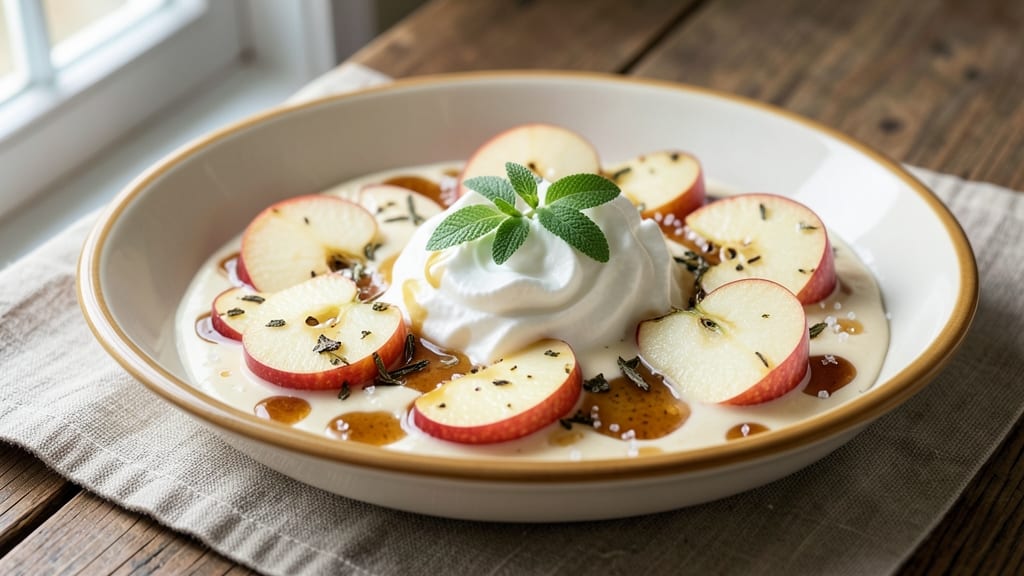
This apple and sage sauce recipe transforms simple ingredients into a velvety, aromatic masterpiece that elevates roasted chicken to restaurant-quality heights. The perfect balance of sweet apples, earthy sage, and rich cream creates a sauce so versatile it works equally well on holiday tables or weeknight dinners.
I developed this recipe after years of testing—each simmered batch reveals deeper caramelized notes that make it impossible to stop at just one drizzle.
The secret lies in slow cooking the apples until they break down into a silky consistency, then blending with butter, cream, and fresh sage for that signature aromatic punch.
A touch of sugar enhances the natural sweetness of the apples, while a splash of apple cider vinegar adds brightness that cuts through the richness. The result is a sauce that clings beautifully to crispy celery-crusted chicken, creating a flavor profile that's both comforting and sophisticated.
What makes this sauce truly special is its ability to adapt—drizzle it over roasted pork, spoon it alongside mashed potatoes, or use it as a glaze for holiday ham. The texture is luxurious yet light, with just enough body to coat each bite without feeling heavy.
Each spoonful delivers layers of flavor: the warmth of sage, the subtle tartness of apples, and the creamy richness that ties everything together.
With just 15 minutes of active prep and 20 minutes of simmering, this sauce comes together faster than you'd expect for such a complex flavor profile. The ingredients are simple—apples, butter, cream, sage, and a few pantry staples—but the transformation they undergo creates something truly exceptional.
Let's create this sauce that will become your new kitchen staple.
Ingredients for apple and sage sauce
Nine ingredients transform into a velvety sauce with caramelized apple sweetness and aromatic sage.
| Ingredient | Amount | Notes |
|---|---|---|
| Honeycrisp Apples 🍎 | 2 medium | Peeled, cored, sliced thin |
| Unsalted Butter 🧈 | ½ cup | Cold, cubed for easier melting |
| Heavy Whipping Cream 🥛 | ½ cup | Full-fat for richness |
| Fresh Sage Leaves 🌿 | ½ cup | Packed, stems removed |
| Granulated Sugar 🍚 | 2 tbsp | Adjust to taste |
| Apple Cider Vinegar 🍶 | 1 tbsp | For brightness |
| Salt 🧂 | ½ tsp | Kosher or sea salt |
| Freshly Ground Black Pepper 🌶️ | ¼ tsp | For subtle depth |
| Celery Stalk 🧅 | 1 whole | For celery crust garnish |
The apples are the foundation—Honeycrisp delivers that perfect balance of sweetness and tartness, but any crisp variety works. Trader Joe's and Whole Foods carry them year-round, or grab the first apples of the season from a local orchard for peak flavor. The celery stalk is optional but adds a subtle crunch when toasted for garnish—just slice it thin and pan-fry until golden. For the butter, Plugrá or European-style brands melt beautifully, but any good-quality unsalted will do. The heavy cream should be cold when you add it to prevent curdling during simmering.
No Honeycrisp apples? Gala or Fuji are excellent substitutes—they hold up well to cooking and caramelize nicely. Short on fresh sage? Dried sage at one-third the amount works in a pinch, but fresh delivers that unmatched aromatic punch. The apple cider vinegar can be swapped for white wine vinegar if needed, though it adds a slightly different depth. For a dairy-free version, use coconut cream instead of heavy cream and vegan butter. The sugar can be adjusted based on your apple's natural sweetness—taste as you go and add more if needed.
This sauce peaks after simmering, so don't rush it. Store leftovers in an airtight container in the fridge for up to 5 days, though it reheats beautifully and tastes even better the next day. For longer storage, freeze in ice cube trays—perfect for single-use portions. The celery crust garnish keeps for 3 days in the fridge if stored properly. If you're prepping ahead, make the sauce up to a day in advance and reheat gently before serving.
Why You'll Love This Recipe
- Five-Ingredient Magic: I swear by this list—Honeycrisp apples, butter, cream, sage, and sugar. That’s it. No hidden pantry raids, no last-minute store runs. The sauce practically assembles itself while you peel the apples.
- Sage-Apple Bliss: The moment you fold in those crisp sage leaves and let them steep in warm cream? Chef’s kiss. Sweet-tart apples caramelize just enough to coat your spoon, while the sage adds that earthy, herby punch—like autumn in a bowl.
- Dinner Party Ready: This sauce turns anything fancy—think roasted chicken, mashed potatoes, or even grilled fish—into an instant crowd-pleaser. (Between us, I’ve used it to impress both date nights and in-laws. Works every time.)
- Leftovers That Shine: Make a double batch and store it for up to five days. The flavors deepen over time, and it reheats like a dream—drizzle over toast, stir into yogurt, or toss with pancakes. Zero waste, maximum flavor.
Step-by-step instructions for apple and sage sauce
Here's how to create a rich, balanced sauce that harmonizes sweet and savory notes perfectly.
Melt Butter and Sauté Sage
In a medium saucepan, melt the ½ cup unsalted butter over medium heat until it foams and turns golden. Add the ½ cup fresh sage leaves and cook for 1-2 minutes until the leaves darken slightly and release their aromatic oils. This step builds the foundation of your sauce's earthy depth.
Watch the butter carefully—it should bubble gently but not brown. If it starts to darken too quickly, reduce the heat to medium-low. The sage will release its piney fragrance, which is essential for balancing the sweetness of the apples. Remove the pan from heat momentarily if the butter threatens to burn.
Add Apples and Sugar
Return the pan to medium heat and add the 2 medium Honeycrisp Apples sliced thin, along with the 2 tablespoons granulated sugar. Cook for 5-6 minutes, stirring occasionally, until the apples soften slightly and begin to caramelize at the edges. You're looking for a balance between tender apples and just enough texture to hold their shape.
The sugar will help draw out the natural juices from the apples while creating a subtle caramelization. Stir gently to prevent the apples from sticking to the pan. If the mixture starts to stick, add 1 tablespoon water to deglaze and keep everything moving smoothly.
Deglaze with Vinegar and Cream
Pour in the 1 tablespoon apple cider vinegar and scrape up any browned bits from the bottom of the pan. This deglazing step captures all the flavorful fond that's built up. Return the heat to medium-low and stir in the ½ cup heavy whipping cream, allowing it to warm through for 2-3 minutes.
The vinegar adds a bright, tangy contrast to the sweet apples and rich cream. As the cream heats, it will thicken slightly, creating a velvety texture. Keep stirring occasionally to prevent any scorching at the bottom of the pan. If the sauce becomes too thick, you can thin it with a splash of warm water or apple juice.
Season and Finish
Remove the pan from heat and season with the ½ teaspoon salt and ¼ teaspoon freshly ground black pepper. Taste and adjust the seasoning if needed—you might want to add a touch more sugar or vinegar to balance the flavors to your preference. The sauce should be sweet, tangy, and slightly peppery with a rich, creamy finish.
For the celery crust garnish, use the 1 whole celery stalk. Cut it into thin matchsticks and lightly toast them in a dry skillet over medium heat for 1-2 minutes until they turn golden brown and crisp. Sprinkle these over the finished sauce just before serving to add a delightful textural contrast.
Pro Tips For Making Apple And Sage Sauce
- STEAM THE APPLES FIRST: Peel, core, and cut your Honeycrisp apples into even ¼-inch slices, then toss them in a pot with 2 tablespoons of water. Bring to a simmer and cover for 5 minutes—this softens them just enough to break down faster in the sauce without turning to mush. (Yes, even if you're impatient like me, resist the urge to skip this.)
- USE WHOLE SAGE LEAVES: Tear the sage leaves in half by hand instead of chopping them fine—whole leaves infuse flavor more evenly and stay fragrant longer. If you’re worried about texture, just crush them lightly between your fingers before adding them to the pot. (I learned this the hard way after ending up with sage confetti.)
- SIMMER LOW AND SLOW: Once the apples are cooking with butter and sugar, keep the heat at a gentle simmer—not a boil. High heat turns the cream grainy and burns the sugar, while low heat lets the flavors meld without curdling. (I used to rush this, and the sauce always tasted harsh.)
- STRAIN THE CREAM LAST: After the apples have cooked down, stir in the heavy cream and sugar, then simmer for just 2-3 minutes—no longer. Strain the sauce immediately through a fine-mesh sieve to remove skins and seeds, but don’t skip this step. (The texture difference is night and day.)
Common mistakes when making perfect results
Overcooking the Apples
Apples are delicate when cooked—they can turn mushy and lose their natural sweetness if simmered too long. I’ve ruined batches by letting them cook beyond 10-12 minutes total after adding sugar. The goal is tender but still slightly firm apples that hold their shape.
If your sauce ends up too thick, blend in 1-2 tablespoons apple juice or water to restore balance. 🍎
Skipping the Deglaze
Those browned bits stuck to your pan—called fond—are flavor gold! Skipping the 1 tbsp apple cider vinegar deglaze means missing out on layers of caramelized depth. Always scrape up those bits with a wooden spoon before adding cream.
If you forget, just add a splash of vinegar later to brighten the sauce. Trust me, this step makes all the difference. 🍶
Using Low-Quality Butter
Not all butter is created equal. European-style or grass-fed butter (like Plugrá) has a higher fat content and richer flavor that elevates this sauce. I’ve used generic store brands, and while it works, the sauce lacks that luxurious mouthfeel.
If you’re on a budget, Land O’Lakes unsalted is a solid middle ground. Never use margarine—it’ll make your sauce taste artificial. 🧈
Adding Cream Too Soon
Adding the ½ cup heavy cream while the apples are still raw causes curdling. The cream needs to warm gradually after the apples have softened and caramelized. If your sauce separates, whisk in 1 tsp cornstarch mixed with 1 tbsp cold water to fix it.
Better yet, keep the heat at medium-low when adding cream. 🥛
Ignoring the Resting Time
This sauce tastes even better after resting for 10-15 minutes off the heat. The flavors meld together, and the texture thickens slightly. I’ve served it immediately out of habit, and it’s still good—but that extra rest time transforms it from "great" to "restaurant-quality."
Let it sit while you finish your main dish. ✨
Overpowering with Sage
Fresh sage is potent—too much can make your sauce taste bitter. Stick to ½ cup packed leaves (about 12-15 leaves). If you’re unsure, start with ¼ cup and add more later. Dried sage is even stronger—use just 1 tbsp if substituting. Taste as you go! 🌿
Nutrition facts
Frequently asked questions
Can I make this sauce without heavy cream?
For a lighter version, substitute heavy cream with ½ cup coconut cream or ½ cup whole milk plus 2 tablespoons cornstarch (cooked to thicken). The texture will be slightly thinner but still delicious. For a vegan option, use coconut cream and vegan butter. The sauce will have a different mouthfeel but maintains the same rich flavor profile.
What's the best way to store leftovers?
Transfer the cooled sauce to an airtight container and refrigerate for up to 5 days. For longer storage, freeze in ice cube trays—perfect for single-use portions. When reheating, warm gently on the stove over low heat or microwave for 20-30 seconds, stirring occasionally. Avoid boiling to prevent separation.
Can I use this sauce for desserts?
Yes! While this sauce is designed for savory dishes, it pairs beautifully with desserts like vanilla ice cream or pound cake. Reduce the sugar to 1 tablespoon and add ½ teaspoon cinnamon for a dessert version. Drizzle over warm apple crisp or use as a glaze for baked apples. The sage adds a sophisticated herbal note that complements sweet treats.
What's the secret to balancing sweet and savory flavors?
The key is the apple cider vinegar and black pepper. The vinegar cuts through sweetness while the pepper adds subtle depth. Taste as you go—adjust sugar if too tart, or add vinegar if too sweet. For extra complexity, try adding ½ teaspoon Dijon mustard when combining cream. This sauce is all about harmony, so don't be afraid to tweak to your taste!
How can I make this sauce spicier?
Add ¼ teaspoon smoked paprika or pinch of cayenne pepper when seasoning. For warmth, stir in 1 teaspoon chopped chipotle in adobo with the cream. Start with small amounts—this sauce is delicate, and spices can easily overpower. The sage's earthiness balances heat beautifully, so use sparingly at first.