
Sauces & Condiments
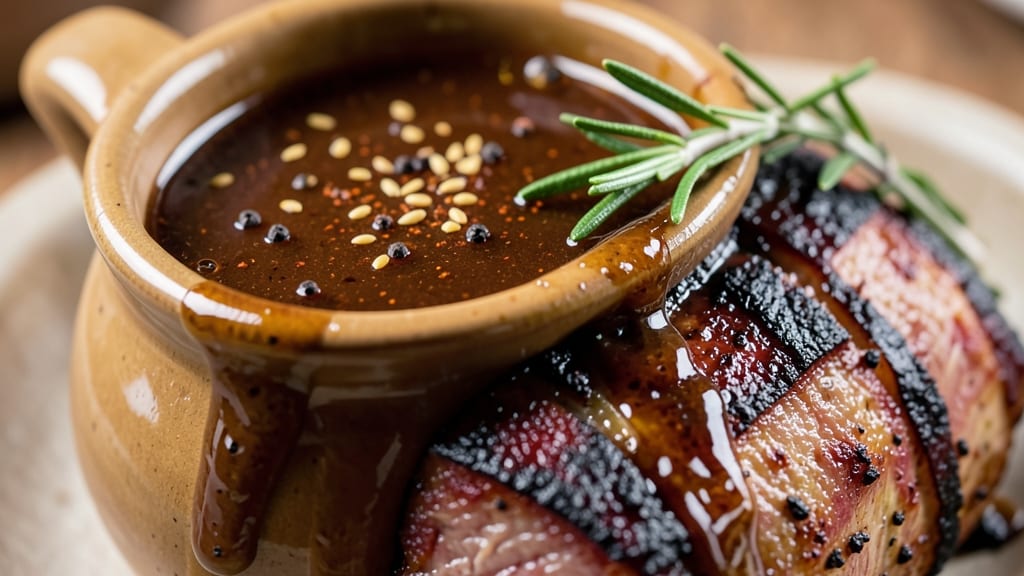
This apple cider vinegar-based BBQ sauce transforms ordinary grilled meats into a tangy-sweet masterpiece with a signature celery-pepper crunch. 🔥 The secret lies in balancing the sharp brightness of vinegar with just enough sweetness to caramelize beautifully during reduction—creating a glaze that clings to ribs, chicken, or even roasted vegetables.
I developed this recipe after years of perfecting my pitmaster technique, where vinegar became the game-changer for depth without overpowering the smoky flavors I love.
The sauce builds on a classic foundation of apple cider vinegar, brown sugar, and tomato paste—ingredients that create a rich, velvety base when simmered low and slow.
What sets this apart is the celery seed and cracked black pepper, which add a subtle crunch and aromatic complexity that elevates it beyond typical store-bought versions. The reduction process is where the magic happens, transforming a simple sauce into something restaurant-quality with just 15 minutes of focused attention.
What you'll end up with is a deep amber glaze that's sticky enough to caramelize on the grill yet light enough to brush over delicate fish or drizzle over crispy fries.
The vinegar cuts through the richness of smoked meats, while the caramelized sugars create that perfect balance of tang and sweetness. This sauce isn't just for grilling—it's a versatile glaze that works as a marinade, dipping sauce, or even a tangy addition to coleslaw.
Best of all, it keeps beautifully in the fridge for up to two weeks, allowing you to make a big batch and enjoy it all season long.
Whether you're slow-cooking ribs, searing chicken, or roasting vegetables, this sauce will be your new go-to for adding that professional pitmaster touch to every meal. Let's get started on creating your signature glaze.
Ingredients for apple cider vinegar based bbq sauce
Nine ingredients transform into a restaurant-quality glaze that clings to meats like magic.
| Ingredient | Amount | Notes |
|---|---|---|
| Apple Cider Vinegar 🍎 | 1 cup | Raw, unfiltered preferred for depth |
| Light Brown Sugar 🍚 | 1 cup | Packed firmly for accuracy |
| Tomato Paste 🍅 | ½ cup | San Marzano preferred for sweetness |
| Celery Seeds 🌿 | 1 ½ tbsp | Toasted for enhanced aroma |
| Black Peppercorns 🌶️ | 1 ½ tbsp | Cracked for texture and heat |
| Smoked Paprika 🌶️ | 1 tbsp | For subtle smokiness |
| Garlic Powder 🧄 | 1 tbsp | Freshly ground preferred |
| Onion Powder 🧅 | 1 tbsp | For aromatic depth |
| Kosher Salt 🧂 | 1 tsp | Diamond Crystal preferred |
| Extra-Virgin Olive Oil 🫒 | ¼ cup | For glossy finish |
The apple cider vinegar is non-negotiable—Bragg's raw, unfiltered is my go-to, but any quality brand works. Trader Joe's or Whole Foods bulk sections have great options. The brown sugar should be light for a smoother texture (dark adds molasses notes), and pack it firmly when measuring—it makes a difference. Celery seeds are the secret weapon here; toast them lightly in a dry pan before adding to amplify their aroma. Smoked paprika brings that subtle campfire touch without overpowering the vinegar's brightness—Penzeys or McCormick brands are reliable. For the tomato paste, San Marzano is worth hunting down if you're serious about flavor, but Rao's works in a pinch.
No celery seeds? Dried celery flakes at double the amount will get you close, though the texture won't be identical. Running short on apple cider vinegar? White vinegar plus 1 tsp apple juice mimics the tang. The olive oil isn't just for gloss—it helps emulsify the sauce during reduction, so don't skip it. For a sweeter glaze, add 1 tbsp more brown sugar; for more heat, crack an extra 0.5 tbsp black peppercorns. The garlic and onion powders are interchangeable, but garlic powder gives that signature BBQ depth that onion powder can't match. Pro tip: Use a fine-mesh sieve to crack peppercorns—it makes all the difference in texture.
This sauce builds flavor as it reduces, so make a double batch—it keeps for 2 weeks in the fridge and 6 months frozen. Store it in a glass jar with a tight seal to preserve that glossy finish. The glaze thickens as it cools, so reheat with 1 tbsp water if it gets too stiff. Brush over hot meats just before serving for maximum caramelization. Leftovers? Drizzle over roasted Brussels sprouts or use as a tangy coleslaw dressing—it's that versatile.
Why You'll Love This Recipe
- No Pantry Panic: I keep a bottle of apple cider vinegar and brown sugar on hand just for this—no fancy ingredients, no last-minute store runs. That tangy vinegar cuts through the sweetness while the toasted celery seeds add this subtle, earthy depth that makes it taste like you simmered for hours.
- Tangy-Sweet Balance: The brown sugar caramelizes into something rich, but the apple cider vinegar keeps it bright—like a hug for your taste buds. Honestly, I’ve tried store-bought sauces that taste like syrup, but this one’s got character, especially when it clings to grilled chicken or ribs.
- Leftovers That Shine: This sauce improves the next day—thickens just enough to coat everything beautifully. I make a big batch on Sundays, then use it all week for tacos, baked beans, or even drizzled over roasted veggies. (Yes, even on a Tuesday night.)
- Budget-Friendly Staple: A few dollars for vinegar and sugar, a can of tomato paste, and a spice rack staple—this sauce costs pennies per serving. Between us, it’s the kind of recipe that makes me feel like I’m feeding a crowd without breaking the bank.
Step-by-step instructions for apple cider vinegar BBQ sauce
Here's how to craft a bold, balanced glaze with perfect tangy-sweet harmony.
🍳 Step 1: Toast the Spice Blend for Depth
In a dry skillet over medium-low heat, toast the 1.5 tablespoons celery seeds and 1.5 tablespoons black peppercorns for 2-3 minutes until fragrant and just beginning to pop. You'll smell an earthy, nutty aroma—this toasting enhances their flavor significantly.
Transfer the toasted seeds and peppercorns to a spice grinder or mortar and pestle and grind them into a coarse powder. This creates texture in your sauce while releasing their essential oils. Set aside—you'll add these back later when the sauce thickens.
🍳 Step 2: Build the Sweet-Savory Base
In a medium saucepan, combine the 1 cup apple cider vinegar, 1 cup packed light brown sugar, 0.5 cup tomato paste, and 0.25 cup extra-virgin olive oil. Bring to a simmer over medium heat, stirring occasionally to dissolve the sugar completely.
Let it cook for 5 minutes until the sugar dissolves and the mixture begins to thicken slightly. You're creating the foundation here—this combination of vinegar and sugar will develop into that perfect tangy-sweet balance we're after. The olive oil adds richness and helps emulsify the sauce later.
🍳 Step 3: Add Dry Seasonings and Simmer
Reduce heat to low and stir in the 1 tablespoon smoked paprika, 1 tablespoon garlic powder, 1 tablespoon onion powder, and 1 teaspoon kosher salt. Let the sauce simmer gently for 10-12 minutes, stirring occasionally, until it thickens to a glossy consistency that coats the back of a spoon.
This is where the magic happens—the spices meld with the vinegar and sugar. You'll notice the aroma becoming more complex, with notes of smoke and sweetness combining. The sauce should reduce by about 25%—if it thickens too quickly, add 1-2 tablespoons water to maintain balance.
🍳 Step 4: Incorporate Toasted Spices and Finish
Stir in the ground celery seeds and peppercorns, reserving 1 teaspoon for garnish if desired. Simmer for another 3-4 minutes until everything is well combined and the sauce reaches your preferred consistency. Taste and adjust seasoning—you might want to add a pinch more salt or sugar based on your preference.
Here's the thing—this sauce should be vibrant and glossy with visible flecks of toasted spices. If it looks too thick, thin with a splash of vinegar or water. For extra richness, you could add 1 tablespoon honey here, but the brown sugar should provide enough sweetness. Let it cool slightly before using.
⏰ Step 5: Rest and Use for Maximum Flavor
Transfer the sauce to a clean jar and let it sit at room temperature for at least 30 minutes before using. This resting period allows all the flavors to fully meld together. The sauce will thicken slightly as it cools, which is perfect for glaze consistency.
Use immediately on grilled meats, roasted vegetables, or as a marinade, or store in the refrigerator for up to 2 weeks. The flavors actually improve over time—this sauce tastes even better the next day as the ingredients continue to marry. For a restaurant-quality finish, strain through a fine-mesh sieve before using if you prefer a smoother texture.
Pro Tips For Making Apple Cider Vinegar Based Bbq Sauce
- Simmer Low and Slow: After burning the tomato paste the first three times, I learned to keep the heat at a gentle simmer—not a rolling boil. This lets the vinegar’s acidity mellow out and the brown sugar caramelize properly without turning the sauce into syrup sludge.
- Toast Your Spices First: Celery seeds and peppercorns taste flat if tossed in raw. Dry-toast them in a small pan for 30 seconds until fragrant—just until you smell them, not until they’re brown. This unlocks their flavor without bitterness.
- Balance the Vinegar: Apple cider vinegar’s sharpness can dominate if you’re not careful. Taste after adding it, then adjust with a pinch more brown sugar or a splash of water to smooth it out. (Yes, even if the recipe doesn’t say to.)
- Use Real Tomato Paste: Skip the powdered stuff—it’s a shortcut that makes the sauce taste like it’s missing something. A single 6-ounce can of concentrated tomato paste gives depth and body that powder can’t replicate. (Trust me, your ribs will notice.)
Wine and beer pairings for these flavors
Smoky Beer Pairings
The smoky, slightly sweet notes in this apple cider vinegar BBQ sauce pair beautifully with amber ales or brown ales like Fat Tire from New Belgium. The caramel maltiness in these beers complements the sauce's brown sugar sweetness while the subtle hops cut through the vinegar's tang.
I always grab a Sierra Nevada Pale Ale when I'm grilling with this sauce—its citrusy hop profile balances the richness perfectly. 🍺
Crisp White Wine
For a lighter option, try a dry Riesling or Sauvignon Blanc with noticeable acidity. The crisp, citrusy notes in a New Zealand Sauvignon Blanc like Oyster Bay refresh your palate between bites of tangy, smoky meats.
The wine's acidity mirrors the vinegar in the sauce, creating a harmonious balance. I reach for these when serving the sauce with grilled fish or vegetables.
Red Wine Alternatives
If you prefer red wine, opt for a light-bodied Pinot Noir from Oregon or a Spanish Garnacha. The earthy, fruity notes in a La Crema Pinot Noir enhance the sauce's smoky paprika and celery seed flavors without overpowering them.
The wine's acidity also helps cleanse your palate between rich, saucy bites. I've found this pairing works especially well with slow-cooked pork shoulder.
Non-Alcoholic Options
Don't overlook sparkling apple cider as a refreshing non-alcoholic pairing. The effervescence cuts through the sauce's richness while the apple notes complement the vinegar beautifully.
For something more substantial, try a ginger beer like Feather's—the spicy ginger provides a nice contrast to the sweet and smoky flavors in the glaze. I keep a bottle of each in my fridge during grilling season.
Cider Pairing Pro Tip
For an elevated experience, try pairing this sauce with a hard cider that has apple cider vinegar notes. Brands like Angry Orchard or Strongbow work wonderfully—they bridge the gap between the sauce and your meal.
The slight tartness in these ciders enhances the vinegar in the sauce, creating a cohesive flavor experience. I've even used this pairing at backyard cookouts with great success. 🍎
Nutrition facts
Frequently asked questions
Can I substitute apple cider vinegar with white vinegar?
While white vinegar works in a pinch, it lacks the depth and subtle sweetness of apple cider vinegar. For best results, use a 50/50 mix of white vinegar and apple juice to mimic the tangy-sweet balance. The sauce will still work, but you'll notice a less complex flavor profile without the apple cider's natural richness.
How do I adjust the sweetness level in this sauce?
Start by tasting the sauce after simmering but before adding spices. For a sweeter glaze, add 1-2 tablespoons more brown sugar and simmer for another 5 minutes. Need less sweetness? Add 1-2 tablespoons apple cider vinegar to balance it out. Remember, the sauce will thicken and intensify as it cools, so adjust gradually.
What's the best way to store leftover BBQ sauce?
Transfer the cooled sauce to a clean, airtight glass jar and store it in the refrigerator for up to 2 weeks. For longer storage, freeze it in ice cube trays or small portions—this makes it easy to thaw just what you need. The sauce actually improves with time as flavors meld, so don't hesitate to make a big batch!
Can I use this sauce as a marinade?
This sauce makes an excellent marinade for chicken, pork, or fish. For best results, use it undiluted and marinate for 4-6 hours (chicken) or 2-4 hours (fish). The acidity in the vinegar helps tenderize the meat while infusing it with flavor. Just pat the meat dry before cooking to ensure a good sear.
Why did my sauce turn out too thick?
This usually happens when the sauce reduces too much during simmering. To fix it, stir in 1-2 tablespoons apple cider vinegar or water while reheating gently. If you want to prevent this next time, reduce the heat slightly during simmering and stir more frequently. The sauce should coat the back of a spoon but remain pourable.