
Sauces & Condiments
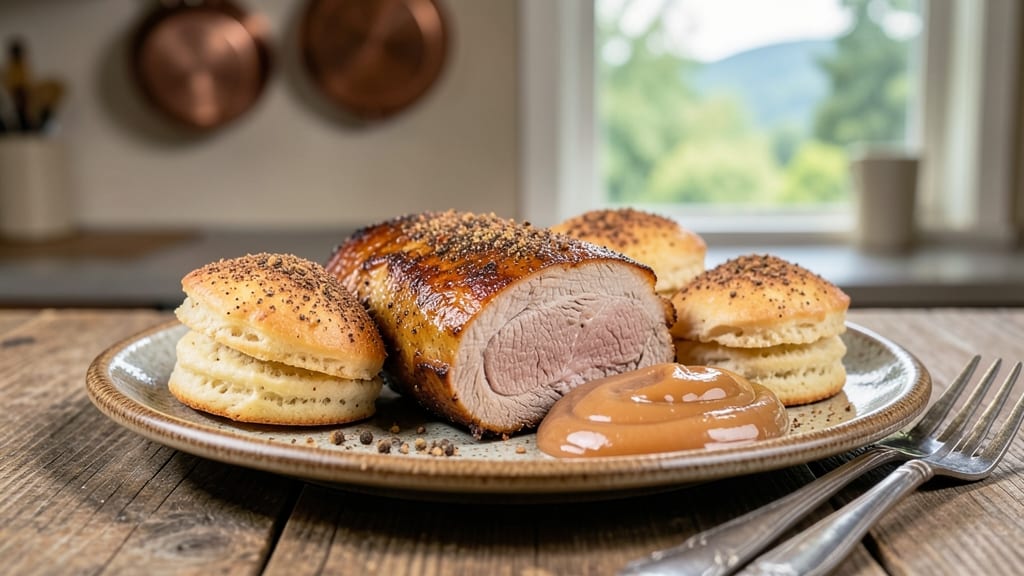
This Tennessee apple butter seasoning recipe captures the soul of Appalachian cooking with its warm, aromatic blend of cinnamon, nutmeg, and allspice. Perfect for sprinkling over roasted meats, biscuits, or even apple butter itself, this dry spice mix transforms simple dishes into something extraordinary. The secret lies in balancing sweet and savory notes—just like the iconic apple butter it’s inspired by.
What makes this seasoning special is its versatility—it works equally well on pork chops, cornbread, or even as a finishing touch for desserts. The spices are measured precisely to ensure every batch delivers that signature Tennessee warmth without overpowering the dish.
Unlike store-bought blends, this version lets you control the intensity, so you can adjust to your taste.
Once mixed, this seasoning keeps beautifully in an airtight container for up to six months, making it a pantry staple for quick flavor boosts. The ingredients—cinnamon, nutmeg, allspice, and a touch of salt—create a harmony that’s both comforting and complex.
Whether you’re hosting a family dinner or just craving a taste of the South, this blend is your shortcut to authentic flavor.
Use it to elevate roasted vegetables, enhance your favorite apple butter recipe, or even dust over vanilla ice cream for a spiced twist. The possibilities are endless, and the results are always delicious. Let’s get started!
Ingredients for tennessee apple butter seasoning
Nine simple spices and a touch of sweetness transform ordinary dishes into Southern-inspired masterpieces.
| Ingredient | Amount | Notes |
|---|---|---|
| Ground Cinnamon 🌿 | 1 ½ tbsp | High-quality, freshly ground preferred |
| Ground Nutmeg 🌿 | 1 tsp | Freshly grated nutmeg for best flavor |
| Ground Allspice 🌶️ | 1 tsp | Whole berries preferred for grinding |
| Diamond Crystal Kosher Salt 🧂 | ½ tsp | Fine grain for even distribution |
| Ground Ginger 🌿 | ½ tsp | Freshly grated for warmth |
| Black Peppercorns 🌶️ | ½ tsp | Freshly cracked for subtle bite |
| Cloves 🌿 | 4 whole | Lightly crushed for depth |
| Cayenne Pepper 🔥 | ¼ tsp | Adjust for heat preference |
| Brown Sugar 🍯 | 1 tbsp | Lightly packed for sweetness |
The cinnamon is the heart of this blend—Penzeys or McCormick ground cinnamon delivers the best warmth. Nutmeg should be freshly grated (the jarred stuff tastes dull), and whole allspice berries from a spice shop give a more complex flavor than pre-ground. I always buy spices in small quantities from local health food stores or Trader Joe's—their bulk bins keep the spices fresher longer. For the brown sugar, Domino or C&H brands stay moist but not clumpy, perfect for blending. The cloves? Lightly crush them with a mortar and pestle—this releases their aromatic oils without overpowering.
No freshly ground spices? Pre-ground works in a pinch, but reduce to half the amount since it loses potency quickly. Want less heat? Skip the cayenne entirely. Brown sugar substitute? Coconut sugar or white sugar at the same ratio, though brown sugar adds subtle molasses notes. If you can't find whole allspice, mace works in a 1:1 ratio but has a slightly different profile. The key is balance—start with these amounts, then adjust to taste after mixing. This blend is forgiving, so don't stress over precision.
Store in an amber glass jar with a tight-sealing lid in a cool, dark place—it keeps its magic for up to 6 months. I portion mine into small jars for easy access, labeling each with the date. For extra freshness, add a bay leaf to the jar before sealing. This seasoning shines on roasted meats, cornbread, or even sprinkled over vanilla ice cream for a Southern twist. Make a double batch—once you try it, you'll want it on everything.
Why You'll Love This Recipe
- No-Measure Guessing: I’ll be real—this blend is that forgiving. Toss in a pinch of cinnamon, a whisper of nutmeg, and a dash of allspice, then adjust until it smells like autumn in a jar. No scales, no stress—just your nose leading the way.
- Warmth in a Jar: That first bite of apple butter with this seasoning? It’s like Tennessee hugged your taste buds. The ginger adds a little kick, the nutmeg deepens the coziness, and the salt—oh, that salt—balances it so it doesn’t taste like dessert masquerading as savory.
- Pantry-to-Table Magic: Honestly, this stuff transforms everything. Sprinkle it on roasted sweet potatoes, stir it into oatmeal, or even dust it over grilled pork chops. (Yes, even on a Tuesday night.) It’s the kind of seasoning that makes you want to label every jar “DO NOT OPEN UNTIL…” because you’ll use it all.
- Lasts Through Winter: Between us, I’ve had a single batch of this mix last me months. A little goes a long way, and since it’s just spices, it won’t spoil. Toss it in your baking, your slow cooker, or even your coffee—it’s my go-to for when I’m low on inspiration but high on cravings.
Step-by-step instructions for Tennessee apple butter seasoning
This warm spice blend captures the essence of Southern comfort—perfect for roasted meats, biscuits, or glaze bases.
Measure and Combine the Dry Spices
In a medium bowl, add the 1.5 tablespoons ground cinnamon, 1 teaspoon ground nutmeg, and 1 teaspoon ground allspice. I like to use a small whisk for this step—it ensures even distribution of those fine spices. The cinnamon will dominate, but the nutmeg and allspice add that subtle depth that makes this blend special.
Next, sprinkle in the 0.5 teaspoon Diamond Crystal kosher salt and 0.5 teaspoon ground ginger. The salt balances the sweetness, while the ginger adds warmth. Give everything a gentle stir with a silicone spatula, breaking up any clumps in the spices. This is where the magic starts—each ingredient plays its part in creating that signature apple butter flavor.
Add the Whole Spices and Cayenne
Lightly crush the 4 whole cloves between your palms or with a rolling pin—just enough to release their aroma without turning them into a powder. Drop them into the bowl, followed by the 0.25 teaspoon cayenne pepper. The cloves bring earthy complexity, while the cayenne adds a whisper of heat that lingers beautifully in savory dishes.
Here's the thing—if you're sensitive to spice, you can reduce the cayenne to 0.125 teaspoon or omit it entirely. But trust me, the heat mellows out when mixed with other ingredients and works perfectly in roasted meats or glazes.
Incorporate the Brown Sugar
Add the 1 tablespoon lightly packed brown sugar to the bowl. This isn't just for sweetness—it helps the spices cling together and adds a caramelized depth when used in cooking. Use your fingers to gently mix everything until the sugar is evenly distributed. You want the spices to coat the sugar crystals so they'll dissolve smoothly into your dishes.
At this point, your seasoning should look like a rich, aromatic blend of warm spices. The texture should be slightly coarse but uniform—no dry pockets or uneven distribution. If it looks too dry, you can add a dash of olive oil (not listed in ingredients) to help bind it, but it's not necessary for most applications.
Store for Maximum Flavor Development
Transfer the seasoning to an airtight container with a fine-mesh sieve or small spice jar. I prefer glass jars because they let you see the vibrant spices inside. Store it in a cool, dark place—like your pantry—for up to 3 months, or refrigerate for even longer shelf life.
The reason we store it properly is that spices lose potency when exposed to light and air. This blend tastes best when used within a few weeks, especially if you're planning to use it in baked goods or as a glaze. The flavors will mellow slightly over time, but they'll still deliver that classic apple butter warmth you crave.
Use Like a Pro in Your Cooking
For roasted meats, sprinkle 1-2 teaspoons of the seasoning directly on the meat before roasting, then rub it in evenly. For biscuits or cornbread, mix 1 teaspoon into the dry ingredients for a subtle, aromatic kick. In glazes or sauces, add 1-2 teaspoons to the base before simmering—it'll dissolve beautifully and infuse everything with that signature apple butter flavor.
This blend works wonders in unexpected places too. Try it in oatmeal for a cozy breakfast, or mix it into whipped cream for a dessert that tastes like autumn in a bowl. The key is to taste as you go—start with less and adjust to your preference. That's the beauty of homemade seasonings; you're in control of the flavor.
Pro Tips For Making Tennessee Apple Butter Seasoning
- TOAST THE SPICES FIRST: I learned this the hard way—raw nutmeg and allspice taste bitter when mixed cold. Lightly toast them in a dry pan for 30 seconds until fragrant (just until you smell it, not until it’s brown). Let cool completely before grinding—this makes the difference between a sharp, clean spice blend and something that tastes like sawdust.
- WEIGH THE SALT: Diamond Crystal kosher salt clumps like crazy, and eyeballing it leads to either bland seasoning or a mouthful of salt. Use a kitchen scale for ½ teaspoon—this is the non-negotiable amount for balancing the sweetness in apple butter. (Yes, even if you’re impatient like me.)
- STORE IN AIRLESS CONTAINER: This isn’t just about freshness—spices like ginger and nutmeg oxidize fast, turning dull within weeks. Pack the mix tightly in a jar and press out all the air before sealing. If you’re lazy (I skip this sometimes), at least use a container with a tight lid and refrigerate it—it’ll last twice as long.
- BLEND IN STAGES: Don’t dump all the spices at once unless you want a muddy, uneven texture. Start with the cinnamon (it’s the backbone) and salt, then add nutmeg and ginger in small amounts while tasting. Allspice is bold—add it last, a pinch at a time, until you hit that warm, slightly peppery depth. (Your future self will thank you.)
Essential equipment for perfect results
Spice Grinder Essentials
For the best flavor, freshly ground spices are non-negotiable. I swear by a small electric spice grinder like the Magic Mill—it’s compact, affordable, and handles whole spices beautifully. If you prefer manual grinding, a mortar and pestle works perfectly for cloves and allspice berries.
The key is to grind spices just before mixing to preserve their aromatic oils. For pre-ground spices, I use Penzeys or McCormick—their quality makes a noticeable difference. 🌿
Storage Containers
Light and air degrade spices faster than anything else. Store your finished seasoning in an amber glass jar with a tight-sealing lid—I love Oriental Trading’s 4-ounce spice jars for portion control. For long-term storage, transfer to the fridge or freezer, but label with the date since flavors mellow over time.
A small vacuum sealer (like the FoodSaver) extends shelf life to 6 months by removing oxygen. The darker the container, the better the protection.
Measuring Tools
Precision matters with spices. Use a small digital scale (like the OXO Good Grips) for accuracy with tiny amounts like 0.25 teaspoon cayenne. For dry measures, a stainless steel measuring spoon set (I prefer West Bend) prevents rust and ensures clean lines.
The brown sugar should be packed lightly—use a small rubber spatula to level it off without compressing. A fine-mesh sieve (like the OXO Good Grips) helps distribute the seasoning evenly over dishes. 🧂
Mixing Utensils
For combining spices, a silicone spatula (like OXO’s) is my go-to—it’s flexible, non-reactive, and easy to clean. A small whisk helps break up clumps in fine spices like cinnamon and nutmeg.
For the brown sugar incorporation, I use clean fingers—it’s the best way to feel the texture and ensure even distribution. Avoid metal utensils with acidic spices (like cayenne) to prevent flavor reactions. A small mixing bowl (6-inch diameter) gives enough space without overcrowding.
Optional Extras
Want to take your seasoning to the next level? Add a bay leaf to your storage jar for extra aroma preservation. For a homemade touch, consider a small spice mill (like the Spice & Tea Exchange) to grind whole spices on demand.
If you’re using this on meats, a fine-mesh strainer helps remove any whole cloves before serving. For desserts, a microplane lets you adjust fresh nutmeg to taste. The beauty of this blend is its adaptability—these extras are just bonuses, not requirements. ✨
Nutrition facts
Frequently asked questions
Can I make this seasoning without brown sugar?
Yes! The brown sugar adds subtle sweetness and helps bind the spices, but you can substitute 1 tablespoon white sugar or coconut sugar in a 1:1 ratio. For a completely sugar-free version, omit it entirely—just know the spices may be slightly drier and less cohesive when used in recipes.
How much seasoning should I use for different dishes?
Start with 1 teaspoon for baked goods (like biscuits) or 1-2 teaspoons for roasted meats. For glazes or sauces, use 1 teaspoon per 1 cup of liquid base. Taste as you go—this blend is potent! The cayenne and cloves add depth, so a little goes a long way.
Why does my seasoning smell different after a few weeks?
Spices naturally mellow over time, especially when exposed to light or air. The cinnamon and nutmeg may lose some brightness, but the blend remains safe to use for up to 6 months*. For maximum freshness, store in an amber glass jar in a cool, dark pantry. If it smells flat, consider grinding fresh spices for a brighter flavor.
Can I use this seasoning in savory vs. sweet dishes?
The warm spices work beautifully in both. Use it on roasted pork chops, cornbread, or glazed ham for savory dishes. For sweet applications, try it in oatmeal, whipped cream, or even sprinkled over vanilla ice cream. The brown sugar and cinnamon bridge both profiles perfectly.
What if I accidentally add too much cayenne?
Don’t panic! The heat mellows when mixed with other ingredients. If using in a glaze or sauce, add a pinch of brown sugar or honey to balance it. For meats, a squeeze of lemon juice helps tone down the spice. Start with 0.125 teaspoon cayenne next time if you’re sensitive to heat.