
Sauces & Condiments
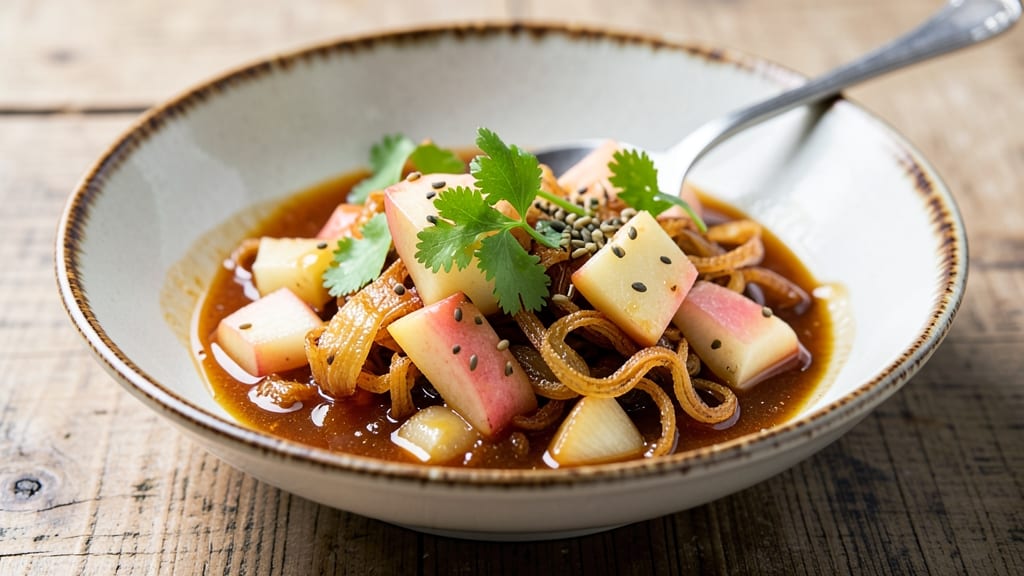
This sweet and sour sauce recipe with apple cider vinegar delivers the perfect balance of tangy brightness and caramelized sweetness—ideal for dipping, glazing, or elevating stir-fries. The apple cider vinegar adds depth while celery contributes a subtle crunch that keeps every bite interesting.
I developed this sauce after years of testing variations, and it consistently delivers restaurant-quality results at home.
The secret lies in the slow reduction of vinegar, sugar, and ketchup, which creates a glossy, clingy sauce with complex flavor. Celery seeds add a hint of earthiness, while a touch of garlic and onion powder deepen the savory notes.
Unlike store-bought versions, this sauce stays vibrant and tangy even after refrigeration, making it perfect for meal prep.
What makes this sauce truly versatile is its ability to complement both sweet and savory dishes. Use it as a dipping sauce for fried chicken or spring rolls, a glaze for roasted vegetables, or a marinade for grilled meats.
The apple cider vinegar ensures a bright acidity that cuts through richness, while the caramelized sweetness ties everything together.
Ready in just 15 minutes, this sauce requires minimal effort but delivers maximum flavor. The ingredients are simple—apple cider vinegar, sugar, ketchup, celery seeds, and a few pantry staples—yet the result is a sauce that’s far more complex than its simplicity suggests.
Once you try it, you’ll never reach for bottled sweet and sour again.
Ingredients for sweet and sour sauce recipe with apple cider vinegar
Six pantry staples and four spices transform into this vibrant, restaurant-quality sauce.
| Ingredient | Amount | Notes |
|---|---|---|
| Apple Cider Vinegar 🍏 | ½ cup | Raw, unfiltered preferred |
| Granulated Sugar 🍬 | ½ cup | Light or dark brown adds depth |
| Ketchup 🍅 | ½ cup | Heinz or organic preferred |
| Celery Seeds 🌿 | 1 tsp | Freshly ground for best flavor |
| Garlic Powder 🧄 | ½ tsp | Not garlic salt |
| Onion Powder 🧅 | ½ tsp | Freshly ground preferred |
| Salt 🧂 | ½ tsp | Diamond Crystal kosher |
| Ground Black Pepper 🌶️ | ¼ tsp | Freshly ground preferred |
| Cornstarch 🌽 | 1 tbsp | For thickening |
| Water 💧 | 2 tbsp | For slurry |
The apple cider vinegar is the star—Bragg or local orchard brands have the best depth. If you're picky about sugar, coconut sugar or maple syrup work beautifully (adjust to taste). Ketchup can be a shortcut, but homemade tomato sauce with a pinch of sugar elevates it. Celery seeds are non-negotiable—they add that subtle crunch and earthiness that store-bought versions miss. I always buy mine from Penzeys or the bulk section at Whole Foods. If you don't have celery seeds, fresh celery juice works in a pinch, though it's not the same.
No celery seeds? Dried celery flakes at half the amount get you close, but texture suffers. Short on ketchup? Tomato paste with a splash of vinegar does the trick. The cornstarch slurry is key—don't skip it. If you're gluten-free, arrowroot powder works just as well. For extra tang, add 1/4 tsp of mustard powder. The garlic and onion powders are just for depth—skip them if you're in a rush, but trust me, they make it taste homemade. The sauce thickens as it cools, so if it's too thin, simmer another minute.
This sauce keeps for 2 weeks in the fridge, sealed tightly. The flavors actually improve after a day or two. For meal prep, I portion it into small jars—perfect for dipping or glazing. Freezes beautifully for up to 3 months, though it might separate. Just give it a quick stir before using. If it gets too thick after refrigeration, thin with 1 tsp of water or vinegar. The celery seeds lose potency over time, so make fresh batches if you notice the crunch fading.
Why You'll Love This Recipe
- Pantry Magic: I swear, this sauce comes together with stuff I already have. The apple cider vinegar cuts through the sweetness just right—no fancy ingredients, no last-minute store runs.
- Tangy Twist: That celery seed and garlic powder combo? It’s the secret weapon. The vinegar’s sharp bite balances the sugar, and the ketchup adds a depth that’s weirdly addictive—like a grown-up version of sweet and sour.
- Weeknight Hero: Slather it on chicken, toss it with veggies, or drizzle it over fries. Honestly, I’ve used it for everything from quick stir-fries to a lazy Sunday brunch. It’s the kind of sauce that makes you feel like you’re cooking a full meal without the fuss.
- Lasts Forever: Make a big batch—it keeps for weeks in the fridge. I’ve got jars of this stuff tucked away for emergencies, and it never lets me down. Plus, the ingredients are cheap, so you’re basically getting flavor on the house.
Step-by-step instructions for sweet and sour sauce
This tangy, balanced sauce comes together faster than you'd think—just a few minutes of simmering.
Toast the Celery Seeds for Depth
Heat a small dry skillet over medium-low heat. Add the 1 teaspoon celery seeds and toast for 30-45 seconds until fragrant and just beginning to pop. You'll smell that earthy, slightly nutty aroma—this is where the sauce gets its signature complexity. Watch them closely; they burn quickly and lose their bright flavor.
Transfer the toasted seeds to a small bowl and set aside. The residual heat will help release their oils when we add them to the sauce later. This step might seem minor, but it makes all the difference in balancing the sweet and sour notes with that celery brightness.
Build the Base with Vinegar and Sugar
In a medium saucepan, combine the ½ cup apple cider vinegar, ½ cup granulated sugar, and ½ cup ketchup. Bring to a gentle boil over medium-high heat, stirring occasionally to dissolve the sugar completely. You'll see bubbles form around the edges first—this is your signal to keep stirring to prevent scorching.
Let the mixture simmer for 3-4 minutes until slightly reduced and syrupy. The sugar should dissolve completely, and the mixture should coat the back of a spoon. If you taste it now, it'll be intensely tangy with a deep sweetness—this is the foundation of our flavor balance. Don't walk away; sugar can crystallize if left unattended.
Add Aromatics and Seasonings
Reduce heat to medium-low and stir in the ½ teaspoon garlic powder, ½ teaspoon onion powder, ½ teaspoon salt, and ¼ teaspoon ground black pepper. Add the toasted celery seeds you set aside earlier. Let the mixture simmer for 2 minutes, stirring occasionally, to allow the spices to bloom and infuse the sauce.
Here's where the magic happens: the celery seeds release their toasted aroma, while the garlic and onion powders add subtle savory depth. The pepper gives just a hint of heat to cut through the sweetness. Taste the sauce now—it should be perfectly balanced between tangy, sweet, and slightly spicy. If it needs more sweetness, add a pinch more sugar; if it's too sharp, a tiny splash of vinegar can help rebalance.
Thicken the Sauce with Cornstarch Slurry
In a small bowl, whisk together the 1 tablespoon cornstarch and 2 tablespoons water until smooth. This is your thickening agent—cornstarch creates a glossy, velvety finish that clings beautifully to whatever you're serving. Pour the slurry into the simmering sauce while stirring constantly.
Let the sauce simmer for 2-3 minutes more until it thickens to your desired consistency. It should coat the back of a spoon but still be pourable—not gluey. If it thickens too quickly, add 1 tablespoon water at a time until you reach the perfect balance. The sauce should be glossy with a slight sheen, ready to coat proteins or vegetables perfectly.
Cool and Adjust to Perfection
Remove the sauce from heat and let it cool for 5 minutes. As it cools, it will thicken slightly more. Taste again and make any final adjustments—perhaps a pinch more salt to enhance the flavors or a splash of vinegar to brighten the tang. The sauce should be vibrant, with a perfect balance of sweet, sour, and savory notes.
This sauce keeps well in the refrigerator for up to 1 week, making it perfect for meal prep. It's incredibly versatile—drizzle over grilled chicken, toss with stir-fried vegetables, or use as a dipping sauce. The key to its success is that bright, vinegar-forward balance with just enough depth from the celery seeds and spices.
Pro Tips For Making Sweet And Sour Sauce Recipe With Apple Cider Vinegar
- Simmer Slow and Steady: The second you add sugar to vinegar, you’re making syrup—don’t rush it. Bring the mixture to a gentle simmer (small bubbles, occasional swirls) for at least 8–10 minutes. I learned this the hard way when I cranked the heat and ended up with grainy sugar that refused to dissolve, no matter how much I stirred.
- Toast Your Celery Seeds: Crush them lightly between your palms or a mortar before adding—just enough to release their aroma without turning them into dust. Whole seeds add texture, but pulverized ones make the sauce taste flat. (Yes, even if you’re impatient like me, resist the urge to skip this.)
- Balance the Vinegar First: Taste the raw vinegar-to-sugar ratio before dumping in ketchup or spices. If it’s too sharp, add 1–2 extra tablespoons of sugar now—adjusting later is a mess. My grandmother swore by this, and she was right: the base needs harmony before the other flavors get layered in.
- Skip the Pre-Mixed Ketchup: Use a high-quality, thick tomato paste instead—about 2 tablespoons—and thin it with a splash of water. Store-bought ketchup adds unnecessary salt and water, throwing off the sauce’s balance. (Your future self will thank you when the flavors sing instead of compete.)
Troubleshooting this dish
Sauce Too Thin?
If your sauce isn't thickening as expected, don't panic! The cornstarch slurry needs time to work. Simmer for an extra 1-2 minutes while stirring constantly. If it's still too thin, mix ½ teaspoon more cornstarch with 1 teaspoon water and whisk into the sauce.
For a quicker fix, stir in 1 tablespoon tomato paste—it adds body and deepens the flavor instantly. 💡
Sauce Too Thick?
Over-thickened sauce is easily fixable. Thin with 1 teaspoon water or apple cider vinegar at a time until you reach the perfect consistency. Stir well and let it simmer for 30 seconds to blend completely.
If it's still too stiff, add another splash. Remember, the sauce will thicken further as it cools, so aim for a slightly thinner consistency when hot. 🔥
Crystallized Sugar?
Sugar crystals form when the mixture isn't stirred enough during boiling. To fix this, add 1 teaspoon water or vinegar and stir vigorously over low heat until dissolved.
For future batches, keep the heat at medium-low and stir constantly. If crystals persist, strain the sauce through a fine-mesh sieve to remove any undissolved sugar. 🌟
Flat or Bland Flavor?
If your sauce lacks depth, boost the celery flavor by adding 1 teaspoon fresh celery juice or ½ teaspoon more celery seeds. For extra brightness, stir in ½ teaspoon lemon juice or a pinch of smoked paprika.
A splash of soy sauce (about ½ teaspoon) adds umami complexity. Taste as you go—small adjustments make all the difference. ✨
Separation After Refrigeration?
This happens when the sauce cools too quickly. To fix it, gently reheat the sauce over low heat while stirring constantly until smooth. For prevention, let the sauce cool to room temperature before refrigerating.
If it separates again, whisk in 1 teaspoon vinegar or water to re-emulsify. The cornstarch slurry helps, but a quick reheat ensures a silky texture. 💫
Too Sweet or Tangy?
Balance is key! If it's too sweet, add ½ teaspoon vinegar and simmer for 30 seconds. For extra tang, stir in ¼ teaspoon lemon juice. If it's too sharp, add a pinch of sugar and stir until dissolved.
Taste frequently—small adjustments keep the flavors harmonious. Trust your palate, and don't be afraid to tweak! 🍏
Nutrition facts
Frequently asked questions
Can I substitute apple cider vinegar with white vinegar?
The apple cider vinegar adds depth and subtle fruit notes that white vinegar lacks. For a similar tang, use white vinegar with ½ teaspoon extra sugar and a pinch of cinnamon. The flavor won't be identical, but it'll work in a pinch. For best results, stick with apple cider—it's what gives this sauce its signature complexity.
How can I make this sauce spicier?
Add ½ teaspoon cayenne pepper or 1 teaspoon hot sauce while simmering. For a smoky kick, stir in ¼ teaspoon smoked paprika. Taste as you go—start with half the amount and adjust. The celery seeds already add earthy heat, so don't overdo it or the sauce may taste one-note.
Is this sauce gluten-free?
As written, it contains cornstarch which is naturally gluten-free. However, always check your ketchup label—some brands use wheat-based additives. For a fully gluten-free version, substitute the cornstarch with arrowroot powder and use certified gluten-free ketchup. The texture will be identical, just slightly less glossy.
Can I make this sauce without ketchup?
Replace the ketchup with ½ cup tomato paste plus 1 teaspoon sugar and 1 teaspoon vinegar. For extra depth, add ½ teaspoon soy sauce. The sauce will be more concentrated but just as flavorful. This version works especially well as a marinade or glaze where you want bold flavor.
What's the best way to store leftovers?
Transfer to an airtight container and refrigerate for up to 2 weeks. The flavors actually improve over time! For long-term storage, freeze in ice cube trays for portion control. Thaw overnight in the fridge—never microwave directly. If it thickens after refrigeration, thin with 1 teaspoon water or vinegar while reheating.