
Main Courses
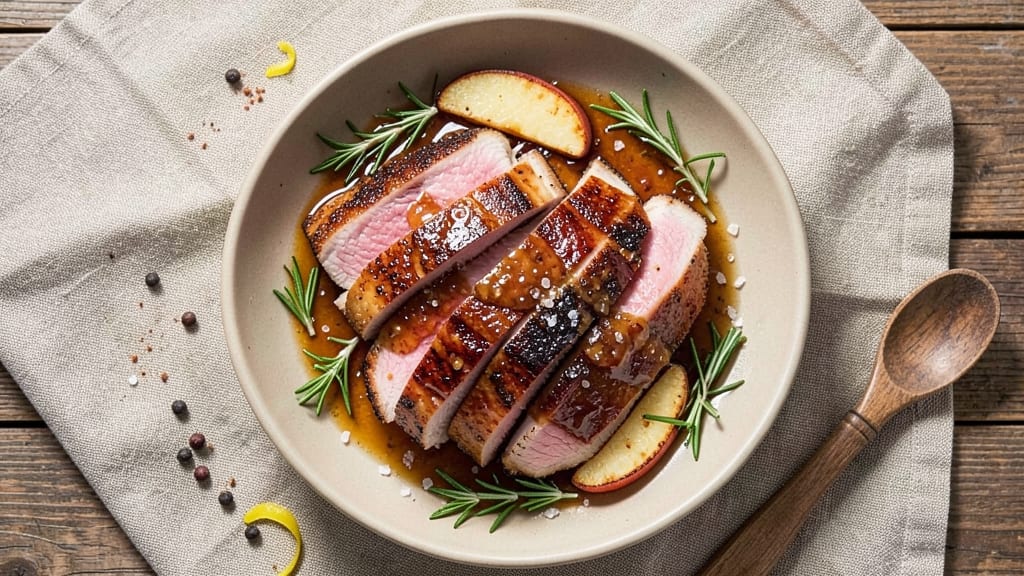
This pork tenderloin recipe with apple juice transforms simple ingredients into a dish that feels like a restaurant masterpiece. The apple juice glaze isn't just sweet—it caramelizes beautifully during cooking, creating a sticky, flavorful crust that seals in juices for tender, melt-in-your-mouth meat.
I first discovered this technique when I needed to impress a houseful of guests on short notice, and it became an instant favorite.
The secret lies in balancing the acidity of the apple juice with just enough sweetness to create that signature caramelized glaze. You'll start with a quick sear in the pan to lock in flavors, then finish in the oven until the glaze reaches that perfect amber stage.
This method ensures the pork stays juicy while developing rich, complex notes from the apple and herbs.
What you'll end up with is a dish that's elegant enough for company but simple enough for a weeknight dinner. The glaze clings to every bite, offering a perfect balance of sweet and savory, while the meat itself remains tender and impossibly succulent.
The aroma alone will have everyone gathered at your table before the meal is even ready.
Pair it with roasted root vegetables or creamy mashed potatoes to complete the meal. The apple juice glaze works beautifully with these sides, tying everything together into a cohesive, comforting dish that feels both special and approachable.
Let's get started—this recipe delivers results that will make you the star of any dinner party.
Ingredients for pork tenderloin recipe with apple juice
Sweet-simmered glaze meets juicy pork tenderloin—simple ingredients for restaurant-worthy results.
| Ingredient | Amount | Notes |
|---|---|---|
| Pork Tenderloin 🥩 | 1 ½ lb | Center-cut for even cooking |
| Unsalted Butter 🧈 | 2 tbsp | For searing pork |
| Apple Juice 🍎 | ½ cup | Unsweetened, preferably organic |
| Brown Sugar 🍚 | 2 tbsp | Light or dark variety |
| Dijon Mustard 🍯 | 1 tbsp | For depth of flavor |
| Fresh Rosemary 🌿 | ¼ cup | Chopped, stems removed |
| Fresh Thyme 🌿 | ¼ cup | Leaves only, chopped |
| Garlic Cloves 🧄 | 4 cloves | Minced for marinade |
| Olive Oil 🫒 | 1 tbsp | Extra-virgin for richness |
| Salt 🧂 | 1 tsp | Kosher or sea salt |
| Black Pepper 🌶️ | ½ tsp | Freshly ground preferred |
| Honey 🍯 | 1 tsp | For glaze balance |
| Balsamic Vinegar 🍷 | 1 tsp | For glaze depth |
The pork tenderloin is your star here, so grab the thickest, most uniform cut you can find. Butcher shops often have the best center-cut pieces, but the grocery store works too—just eyeball it for even thickness. Costco sells pre-portioned tenderloins that are perfect for this recipe. Look for good marbling but avoid anything with a grayish tint or off smell. The apple juice makes all the difference—Mott's or Tropicana unsweetened are my go-tos, but any clear, unsweetened juice will do. Fresh rosemary and thyme are ideal, but if you're using dried, cut the amount to one-third since they're more concentrated.
No apple juice? White grape juice or cranberry juice work in a pinch, though the flavor will be slightly different. Short on honey? Maple syrup at a 1:1 ratio gives a similar depth. The balsamic vinegar adds that restaurant-quality tang—if you don't have it, red wine vinegar at half the amount works. For the butter, don't skimp on quality. Plugrá or Land O'Lakes unsalted melt beautifully for that rich sear. The Dijon mustard is non-negotiable here—it's what ties all the flavors together. If you've got whole spices, toast the garlic and rosemary in the olive oil first for even deeper flavor.
The pork tenderloin keeps best in the fridge for 2-3 days if you're prepping ahead, but it's best cooked within 24 hours. The apple juice glaze can be made a day in advance and stored in the fridge—just reheat gently before using. If you're making this for a crowd, double the recipe—the glaze is so good, you'll want extra. Leftovers reheat beautifully in the oven at 350°F for about 10 minutes, or you can freeze portions for up to 3 months. The glaze thickens as it cools, so a quick splash of water or apple juice brings it back to perfection.
Why You'll Love This Recipe
- Five-Ingredient Magic: I swear by this list—just pork, butter, apple juice, brown sugar, and mustard. No chopping, no fuss, and no last-minute grocery runs. The apple juice does all the work, tenderizing while you sip your coffee.
- Sweet-Savory Balance: That caramelized brown sugar and Dijon mustard glaze? It’s the kind of flavor that makes you pause mid-bite. The apple juice keeps it juicy, while the butter makes every slice melt-in-your-mouth good.
- Weeknight or Dinner Party: Same recipe, two vibes. Toss it on the table for a no-stress Tuesday or impress guests with the same effort. The glaze thickens beautifully, so it’s restaurant-worthy without the pretension.
- Leftovers That Don’t Suck: Cold slices the next day are still amazing—great for sandwiches or salads. And honestly? This recipe stretches my grocery budget without sacrificing taste. Win-win.
Step-by-step instructions for sweet-simmered pork tenderloin
This method guarantees juicy, caramelized pork with a perfect balance of sweet and savory flavors.
Prepare the Herb Marinade
In a small bowl, combine the 0.25 cup fresh rosemary, 0.25 cup fresh thyme, 4 cloves garlic cloves (minced), 1 tbsp Dijon mustard, 1 tsp salt, 0.5 tsp black pepper, 1 tsp honey, and 1 tsp balsamic vinegar. Mix until the herbs are finely distributed and the mustard is fully incorporated. This marinade will infuse the pork with aromatic depth while preventing it from drying out.
Leave this mixture at room temperature while you prep the pork. The fresh herbs will release their oils and meld beautifully with the mustard and vinegar, creating a complex flavor base that pairs perfectly with the apple glaze. If you're short on time, you can skip marinating and just rub the herbs directly onto the pork before cooking.
Sear the Pork Tenderloin
Heat a large oven-safe skillet over medium-high heat until it's very hot. Add the 1 tbsp olive oil and swirl to coat the bottom evenly. Place the 1.5 lb pork tenderloin in the skillet and sear on all sides for 2-3 minutes per side until it develops a deep golden-brown crust. This step is crucial for locking in juices and building flavor.
Don't move the pork around too much while searing—let it develop that beautiful crust undisturbed. If you notice the butter starting to smoke, reduce the heat slightly to medium to prevent burning. Once the pork is well-browned on all sides, remove it from the skillet and set it aside on a plate.
Build the Apple Glaze
In the same skillet (with all those delicious browned bits still clinging to the bottom), add the 2 tbsp unsalted butter and let it melt over medium heat. Once melted, stir in the 2 tbsp brown sugar and cook for 1 minute until it begins to dissolve slightly. Pour in the 0.5 cup apple juice and scrape up any browned bits from the bottom of the pan with a wooden spoon.
Bring the mixture to a gentle simmer and let it reduce by about half, which should take 3-4 minutes. You want the glaze to thicken enough to coat the back of a spoon but still remain pourable. This reduction process concentrates the flavors and creates that perfect caramelized consistency we're after.
Finish Cooking the Pork
Return the seared pork tenderloin to the skillet and spoon the apple glaze evenly over the top. Transfer the skillet to a preheated 400°F oven and roast for 15-20 minutes or until the internal temperature reaches 145°F when measured with a meat thermometer. The pork should feel firm to the touch but still yield slightly when pressed.
For the last 2 minutes of cooking, increase the oven temperature to 425°F to help caramelize the glaze on the surface. This final burst of heat creates that beautiful glossy finish that makes this dish look restaurant-worthy. Remove the pork from the oven and let it rest for 5 minutes before slicing—this resting period ensures juices redistribute throughout the meat.
Serve with Glazed Perfection
Slice the pork tenderloin into ½-inch thick medallions against the grain for maximum tenderness. Spoon any remaining glaze from the skillet over the top and serve immediately. The pork should be juicy with a caramelized exterior, and the glaze should be thick enough to cling beautifully to each slice.
Pair this dish with roasted vegetables or a fresh salad to balance the richness. The combination of sweet apple glaze and savory herbs creates a perfect harmony that will impress even the most discerning guests. Leftovers keep well in the refrigerator for 3-4 days, though I doubt they'll last that long!
Pro Tips For Making Pork Tenderloin Recipe With Apple Juice
- SEAR FIRST, THEN BASTE: The apple juice glaze won’t stick if you start with a cold pan. Get that pork screaming hot in a dry skillet for 2-3 minutes per side before adding the butter-apple mixture—this locks in flavor and prevents a soggy crust. (Yes, even if you’re impatient like me.)
- USE RED APPLE JUICE: Green apple juice tastes like dessert. For this recipe, grab tart red or a mix—it balances the sweetness of the brown sugar and mustard without overpowering the pork. I learned this the hard way after making a batch that tasted like a pie filling.
- DON’T SKIP THE REST: Cutting into tenderloin right off the heat is like opening a present before it’s wrapped—messy and disappointing. Tent it with foil and let it sit for 5-10 minutes. The juices redistribute, and you’ll end up with slices that don’t fall apart. (Your future self will thank you.)
- MAKE THE GLaze AHEAD: Whisk together the apple juice, brown sugar, Dijon, and butter while the pork sears—no need to babysit. If you’re really short on time, mix it the night before and store it in the fridge. Just reheat it gently before basting. It’s the one step I skip when I’m lazy, and the dish is noticeably better when I don’t.
Troubleshooting great pork tenderloin recipe with apple juice
Glaze Too Thin?
If your apple glaze turns out too runny, don't panic—simmer it uncovered for an extra 2-3 minutes to evaporate excess liquid. For a quicker fix, stir in ½ tsp cornstarch mixed with 1 tsp cold water and simmer for 1 minute until thickened.
I've had this happen when using juices with higher water content, like pear or white grape juice. 💡
Pork Dries Out
Overcooking is the #1 reason pork tenderloin turns tough. Use a meat thermometer and pull it at 145°F internal temperature—never guess! If yours feels dry, try brining it for 30 minutes in ¼ cup salt dissolved in 4 cups water before cooking.
My Nonna swore by this trick for keeping pork juicy. 🥩
Glaze Too Sweet
Balance overly sweet glaze by adding 1 tsp balsamic vinegar or ½ tsp Dijon mustard to cut through the sweetness. For a tangier profile, squeeze in ½ tsp lemon juice at the end.
I once used apple cider instead of juice and ended up with a glaze that was too tart—learned my lesson! 🍎
Uneven Cooking
Pork tenderloins vary in thickness—if yours isn't cooking evenly, slice thicker pieces ¼-inch thick before searing. For extra insurance, tent loosely with foil during oven cooking if the edges brown too quickly. I test doneness by pressing gently with tongs—it should spring back slightly but yield to firm pressure. 🌡️
Herbs Burn
Fresh herbs burn easily when searing. Add them to the pan only after the pork develops its crust, or better yet, reserve them for garnishing. If you must cook them, stir constantly over low heat for just 30 seconds.
I keep dried herbs in small jars by my stove for quick garnishes when fresh ones get away from me. 🌿
Glaze Too Thick
Thick glaze can be saved by whisking in 1 tsp warm water or apple juice to loosen it. If it's completely set, reheat gently in the skillet with 1 tbsp water over low heat while stirring constantly.
My first attempt at this recipe resulted in a glaze so thick I could barely drizzle it—now I adjust as I go! 🍯
Nutrition facts
Frequently asked questions
Can I substitute apple juice with something else?
For a similar sweet-tart balance, try white grape juice or unsweetened cranberry juice. If you prefer a deeper flavor, apple cider works but may make the glaze more tart. For a richer option, swap in 1/4 cup chicken broth plus 1 tbsp honey—just reduce the cooking time slightly since broth evaporates faster.
How do I keep the pork tenderloin from drying out?
Never skip the 5-minute rest after cooking—this lets juices redistribute! For extra moisture, brine the pork for 30 minutes in 1/4 cup salt dissolved in 4 cups water before cooking. Also, avoid overcooking: use a meat thermometer and pull it at 145°F internal temperature. My Nonna's trick was to tent it loosely with foil if the edges browned too quickly.
Can I make this recipe ahead of time?
Yes! The glaze can be prepped 1 day ahead and stored in the fridge. For the pork, cook it fully, then chill completely before slicing. Reheat in a 350°F oven for 10-15 minutes with a splash of apple juice to restore moisture. I always make this for holiday meals—it reheats beautifully and tastes even better the next day!
What's the best way to serve this dish?
Pair with roasted root vegetables (carrots, parsnips) or creamy mashed potatoes to balance the sweet glaze. For a lighter option, serve with a spinach salad dressed with lemon vinaigrette. The apple notes complement earthy flavors perfectly. Pro tip: Garnish with fresh thyme sprigs and extra glaze drizzled artistically—it looks restaurant-worthy!
Why does my glaze turn out too sweet or tart?
Too sweet? Add 1 tsp balsamic vinegar or ½ tsp Dijon mustard to cut through. Too tart? Balance with ½ tsp honey or 1 tsp brown sugar. The key is tasting as you go—adjust while the glaze simmers. My first attempt used apple cider instead of juice and ended up too sharp—now I always check the acidity first!