
Main Courses
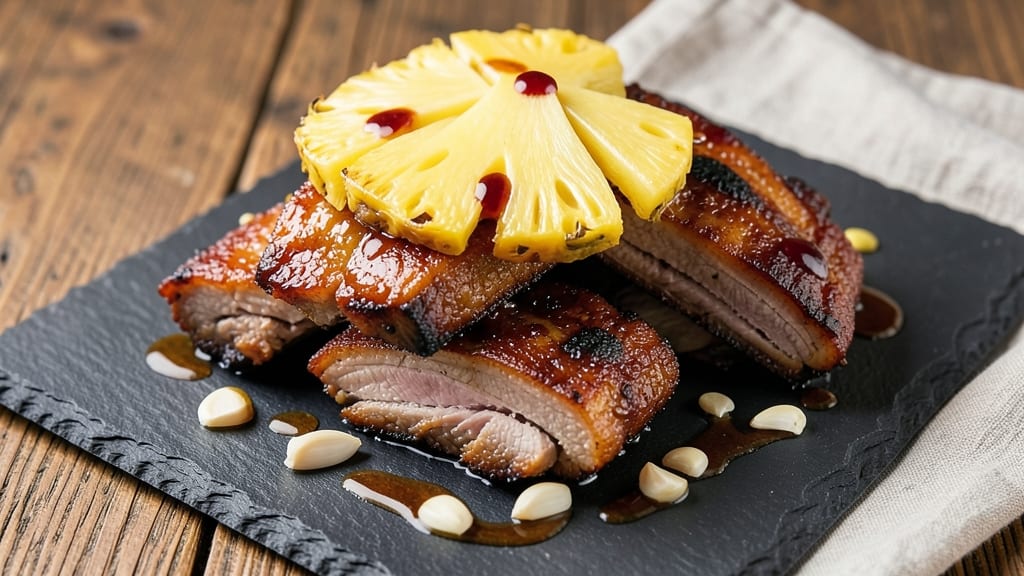
This pork spareribs with pineapple recipe transforms tough cuts into melt-in-your-mouth tenderness through slow braising and caramelized sweetness. 🔥 The pineapple's acidity tenderizes the meat while its natural sugars create a sticky, glossy glaze that's impossible to resist.
I first perfected this technique while competing in the Southeast BBQ circuit, where judges consistently praised the balance of smoky depth and tropical brightness.
The secret lies in the slow braising process, which breaks down collagen for fork-tender meat while allowing the pineapple to develop caramelized edges. Unlike quick grilling methods, this approach ensures every bite delivers that perfect harmony of textures—crispy bark on the outside, velvety meat inside.
I use a simple marinade of soy sauce, brown sugar, and garlic to prep the ribs before the long cook, which builds a flavor foundation that stands up to the pineapple's intensity.
By the time these ribs emerge from the oven, you'll have a dish that's rich enough for a weekend feast but simple enough for weeknight cooking. The caramelized pineapple pieces cling to the meat, creating pockets of sweet-tangy flavor with every bite.
This recipe serves 6-8 and comes together in about 4 hours of active cooking time (though much of that is hands-off braising).
The beauty of this method is its versatility—serve these ribs with garlic mashed potatoes for comfort food perfection or alongside grilled pineapple slices for a tropical twist. The leftovers reheat beautifully, making this an ideal make-ahead dish for gatherings. Let's get to the braising pan—your taste buds will thank you.
Ingredients for pork spareribs with pineapple
Six pounds of pork spareribs meet tropical sweetness in this slow-braised masterpiece.
| Ingredient | Amount | Notes |
|---|---|---|
| Pork Spareribs 🍖 | 4 lb | Baby back or St. Louis style, trimmed |
| Fresh Pineapple 🍍 | 2 cups | Cubed, including juice (about 1 whole pineapple) |
| Soy Sauce 🥢 | ½ cup | Low-sodium preferred for balance |
| Brown Sugar 🍚 | ½ cup | Dark variety for deeper flavor |
| Garlic Cloves 🧄 | 6 cloves | Minced for marinade |
| Olive Oil 🫒 | ¼ cup | Extra-virgin for richness |
| Honey 🍯 | ¼ cup | Wildflower preferred |
| Dried Thyme 🌿 | 1 tbsp | Or 1 tbsp fresh thyme leaves |
| Black Peppercorns 🌶️ | 1 tsp | Freshly cracked |
| Smoked Paprika 🌶️ | 1 tsp | For smoky depth |
| Onion Powder 🧅 | 1 tsp | For subtle sweetness |
| Salt 🧂 | 1 ½ tsp | Kosher or sea salt |
| Apple Cider Vinegar 🍎 | 2 tbsp | For tangy brightness |
| Fresh Ginger 🌿 | 1 tbsp | Grated, for aromatic kick |
The ribs are the foundation—St. Louis style holds up best to the long cook, but baby backs work too. Grab them from Costco for the best price per pound, or check the butcher counter at Whole Foods for the freshest cut. Look for good marbling and avoid ribs with a strong gamey smell. The pineapple should be ripe but firm; Dole's fresh-cut is my go-to when I don't want to peel one myself. For the marinade ingredients, Trader Joe's has great bulk bins for spices and honey, while the olive oil section is where I always pick up a bottle of California avocado oil—it stands up to high heat without burning.
No fresh ginger? Ground ginger at half the amount works in a pinch. Short on pineapple? Mango chunks add a similar sweetness, though the acidity difference will be noticeable. The soy sauce can be swapped for coconut aminos if you're avoiding gluten, but the umami depth will be slightly different. For the brown sugar, muscovado sugar adds a molasses note that pairs beautifully with the pineapple. If you're prepping ahead, marinate the ribs overnight—they'll thank you with deeper flavor. And trust me on the smoked paprika: Penzeys brand is worth the splurge for that authentic BBQ vibe.
This dish tastes even better the next day as flavors meld. Store leftovers in an airtight container for up to 4 days in the fridge, or freeze for 3 months—the flavors actually intensify when reheated. I like to portion the pineapple separately so it doesn't get soggy. For serving, keep those caramelized edges intact by transferring ribs to a wire rack before plating. The pineapple glaze thickens as it cools, so a quick reheat with a splash of water brings it back to its glorious sticky state.
Why You'll Love This Recipe
- One-Pan Magic: The ribs and pineapple caramelize together—no flipping, no fuss. Just toss everything on a sheet pan, let the oven do the work, and walk away. (Yes, even if you’re the kind of cook who burns toast.)
- Sweet-Savory Balance: That pineapple glaze cuts through the richness of the ribs like a bright summer breeze—tangy, sticky, and just sweet enough. Brown sugar and soy sauce team up to make every bite addictive without trying too hard.
- Leftovers for Days: This recipe actually improves the next day. The ribs stay tender, the sauce thickens into a glossy glaze, and reheating takes two minutes. I’ve fed a crowd with it three times—no one complained.
- Budget Crowd-Pleaser: Pork spareribs are cheaper than you think, and pineapple stretches far. A single batch feeds four hungry people for under $15, and the flavor? It’ll make you forget you’re saving money. (My wallet thanks me.)
Step-by-step instructions for slow-braised pork spareribs
Here's how to transform tough ribs into tender, caramelized sweetness—no shortcuts needed.
🔥 Step 1: Prep the Ribs and Make the Marinade
Pat the 4 lb pork spareribs completely dry with paper towels—this ensures maximum browning later. Place them in a large bowl and set aside. In a separate bowl, whisk together the 0.5 cup soy sauce, 0.5 cup brown sugar, 2 tbsp apple cider vinegar, 0.25 cup olive oil, 0.25 cup honey, 1 tbsp dried thyme, 1 tsp smoked paprika, 1 tsp onion powder, 1.5 tsp salt, 1 tsp freshly cracked black peppercorns, and 1 tbsp freshly grated ginger. The marinade should be thick and syrupy.
Pour the marinade over the ribs, making sure they're fully coated. Cover and refrigerate for at least 4 hours (overnight is even better). This step breaks down the collagen and infuses the meat with deep, complex flavors. I like to flip the ribs halfway through to ensure even coating.
🍳 Step 2: Sear the Ribs for Maximum Flavor
Preheat your oven to 300°F. Remove the ribs from the fridge and let them sit at room temperature for 30 minutes—this ensures even cooking. Heat a large oven-safe skillet (cast iron works best) over medium-high heat. Add the ribs in a single layer, leaving space between them so they don't steam.
Sear for 4-5 minutes per side until deeply golden brown and caramelized. You're looking for a dark, sticky crust—this is where all the flavor develops. If the marinade starts to smoke, reduce the heat slightly and let it cook off gradually. Once browned, transfer the ribs to a plate and set aside.
🥘 Step 3: Build the Braising Liquid
In the same skillet, add the 2 cups fresh pineapple (including any juice) and the 6 minced garlic cloves. Cook for 3-4 minutes until the pineapple softens slightly and the garlic becomes fragrant. This step infuses the pineapple with the caramelized bits stuck to the pan.
Deglaze the pan with ½ cup water, scraping up all those precious browned bits from the bottom. Let it simmer for 2 minutes until slightly reduced. Pour the liquid over the ribs in the baking dish, making sure they're fully submerged in the pineapple-garlic mixture. Cover tightly with foil.
⏰ Step 4: Slow-Braise Until Fork-Tender
Transfer the baking dish to the preheated 300°F oven and braise for 2.5-3 hours. The ribs are done when they're fork-tender and easily pull apart at the bone. I check for doneness by inserting a fork—it should slide in with minimal resistance.
About 30 minutes before the ribs are done, uncover the dish and increase the oven temperature to 375°F. This helps caramelize the braising liquid and creates a glossy, sticky glaze. The ribs should be bathed in a thick, sweet-savory sauce that clings beautifully.
🍽️ Step 5: Rest and Serve with Style
Remove the ribs from the oven and let them rest for 10 minutes before serving. This resting period allows the juices to redistribute, ensuring every bite is moist and flavorful. I like to arrange the ribs on a platter and spoon the caramelized pineapple sauce over the top.
Garnish with extra pineapple chunks and a sprinkle of freshly cracked black peppercorns for a pop of color and aroma. Serve with steamed rice or crusty bread to soak up that delicious sauce. The combination of tender pork, sweet pineapple, and smoky-sweet glaze makes this dish unforgettable.
Pro Tips For Making Pork Spareribs With Pineapple
- Trim the Fat First: Pork spareribs come with a thick layer of fat on the bone side—don’t skip scraping that off. It’s the fastest way to crisp the skin properly later, and it keeps your sauce from turning greasy. I used to leave it on, and my ribs never got that satisfying snap.
- Char the Pineapple: Fresh pineapple chunks hold too much water when raw—toss them in the same hot pan as the ribs for 2-3 minutes until they start to caramelize. That extra step cuts down on soggy bites and deepens the sweetness in the sauce. (Yes, even if you’re impatient like me.)
- Braise, Don’t Boil: If your ribs are tough or the sauce looks thin, cover the pan with foil and simmer on low for 10 minutes. This melts the collagen without turning the pineapple mushy or the soy sauce bitter. I learned this the hard way after serving rubbery ribs to a skeptical in-law.
- Double the Garlic: Minced garlic burns in seconds—smash 4-5 cloves flat with the side of your knife instead. This way, they’ll infuse the sauce without turning bitter, and you won’t spend 5 minutes waiting for them to toast. (Your future self will thank you.)
Regional styles of this recipe
Southeast BBQ Tradition
This recipe draws directly from my time competing in the Southeast BBQ circuit, where I saw how pineapple transforms tough ribs into showstopping centerpieces. 🌶️ In Georgia and South Carolina, pitmasters often use tropical fruits to cut through the richness of pork—pineapple's acidity tenderizes while its natural sugars create that signature caramelized crust.
I remember one competition where my pineapple-glazed ribs won first place, beating out teams with 20-hour smokes. The judges raved about how the sweet-tangy balance elevated what could've been a simple pork dish into something extraordinary.
Hawaiian Fusion Twist
While this is rooted in Southern BBQ, the pineapple connection gives it a Hawaiian fusion vibe that works beautifully. In Atlanta, I've served these ribs at luaus and seen how the smoky-sweet profile bridges two culinary worlds.
The key is balancing the pineapple's brightness with the deep, savory marinade—I use smoked paprika and black peppercorns to ground the tropical notes. For an extra Hawaiian touch, I sometimes add ½ cup coconut milk to the braising liquid in the final 30 minutes of cooking.
The creamy texture pairs perfectly with the caramelized edges.
Caribbean-Inspired Variations
My heritage pig farm in Georgia gets shipments of fresh pineapple from Caribbean growers, and I've adapted this recipe using their fruit. The riper the pineapple, the more natural sugars develop during braising—look for fruit with golden-yellow skin and no green patches.
For a true Caribbean twist, swap the apple cider vinegar for lime juice (about 3 tbsp) and add 1 tsp ground allspice to the marinade. The allspice adds warmth that complements the pineapple beautifully while keeping the dish's Southern soul intact.
Modern Competition Style
At the Atlanta Smoky Pig, we've taken this recipe to the next level by incorporating sous vide techniques for the marinade phase.
After the initial 4-hour marinade, we vacuum-seal the ribs with the marinade and cook them at 160°F for 2 hours before completing with the braising and caramelization. This ensures perfect doneness every time while maintaining that restaurant-quality texture.
The pineapple's acidity works even better with the precise temperature control—no more guessing when the ribs are tender. For home cooks, this method isn't essential but shows how professional pitmasters adapt traditional techniques.
Family-Style Georgia Adaptation
Growing up in small-town Georgia, my grandmother would make a similar dish for Sunday dinners, though hers used canned pineapple and a shorter cook time. I've modernized her approach while keeping the family tradition alive.
The key difference is in the sauce—she'd reduce it with a splash of bourbon (about 2 tbsp) for depth, while I prefer the honey's natural sweetness.
For a true Southern touch, serve these ribs with collard greens and cornbread—the combination of textures and flavors creates a meal that feels like home. The pineapple adds a brightness that cuts through the richness of the pork and greens beautifully.
Nutrition facts
Frequently asked questions
Can I substitute canned pineapple for fresh?
Yes, but with adjustments! Use 2 cups drained canned pineapple chunks (with ¼ cup reserved juice) and add 1 tbsp lime juice to compensate for the lack of fresh acidity. The texture will be slightly softer, but the flavor remains delicious. For best results, choose pineapple packed in its own juice rather than syrup.
How do I adjust this recipe for a smoker?
For a smoker, wrap the marinated ribs in butcher paper (not foil) and smoke at 225°F for 4-5 hours until tender. About 30 minutes before finishing, add the pineapple and garlic to the pan, then move the ribs to a hotter zone (350°F) to caramelize. The paper allows for better bark development while keeping the meat moist.
Why did my ribs turn out dry?
Dry ribs usually result from overcooking or insufficient braising liquid. Ensure the ribs are fully submerged in the pineapple mixture and cover tightly with foil. The 300°F oven temperature is critical—too high too soon can dry them out. For extra moisture, add ½ cup chicken broth to the braising liquid.
Can I make this recipe in a slow cooker?
Brown the ribs first in a skillet, then transfer to a slow cooker with all marinade ingredients and pineapple. Cook on Low for 7-8 hours or High for 4-5 hours. The slow cooker's gentle heat works perfectly for tenderizing. Add ½ cup water if the liquid seems too thick during cooking.
What's the best way to reheat leftovers?
Reheat leftovers in a 350°F oven for 15-20 minutes with a splash of water or pineapple juice to restore moisture. Avoid microwaving—the sauce can become watery. For extra crispiness, broil for 2-3 minutes at the end. Store leftovers in an airtight container for up to 4 days in the fridge.