
Main Courses
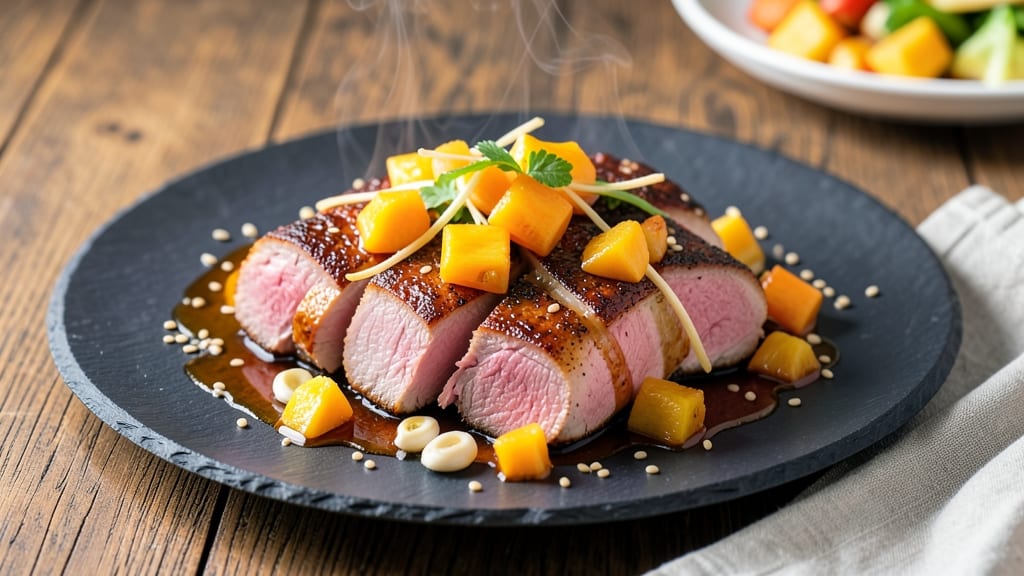
This pork with pineapple tidbits recipe transforms a simple weeknight meal into a restaurant-worthy dish that balances sweet, savory, and tropical flavors. 🌟 The secret lies in marinating the pork overnight, allowing the pineapple juice to tenderize while building complex flavors that caramelize beautifully during cooking.
I first discovered this technique while trying to recreate my grandmother's intuitive approach to balancing sweet and savory—no fancy techniques, just good ingredients and patience.
The magic happens when the pineapple tidbits caramelize on the edges, creating a sweet contrast to the savory pork. This recipe delivers a complete meal in one pan, with minimal prep and maximum flavor—perfect for those nights when you want something special without spending hours in the kitchen.
The pork stays tender and juicy, while the pineapple adds just the right amount of brightness to cut through the richness.
By the time you serve this dish, you'll have golden-brown pork with perfectly caramelized pineapple tidbits scattered throughout, creating a visual and flavorful masterpiece. The sauce is rich and slightly sticky, clinging to every bite and tying all the flavors together.
It's the kind of meal that feels indulgent but comes together effortlessly, making it ideal for family dinners or impressing guests.
This recipe works equally well for grilling, roasting, or stir-frying, so you can adapt it to your preferred cooking method. The leftovers reheat beautifully, and the flavors only deepen over time.
Whether you're serving it with rice, noodles, or fresh vegetables, this dish is sure to become a staple in your weekly rotation.
Ingredients for pork recipe with pineapple tidbits
These tropical and savory ingredients create a restaurant-worthy pork dish with minimal effort.
| Ingredient | Amount | Notes |
|---|---|---|
| Boneless Pork Loin 🐷 | 1 ½ lb | Cut into 1-inch cubes, trimmed of fat |
| Fresh Pineapple 🍍 | 1 cup | Cut into 1-inch cubes, plus extra for garnish |
| Fresh Ginger 🌿 | 2 tbsp | Finely grated, aromatic and fresh |
| Garlic Cloves 🧄 | 4 cloves | Minced, for deep flavor |
| Soy Sauce 🥢 | ½ cup | Low-sodium preferred |
| Honey 🍯 | ¼ cup | Wildflower for floral notes |
| Brown Sugar 🍚 | ¼ cup | Lightly packed |
| Rice Vinegar 🍶 | ¼ cup | For tangy brightness |
| Sesame Oil 🫒 | 1 tbsp | Toasted, for nutty aroma |
| Olive Oil 🫒 | 2 tbsp | Extra-virgin for richness |
| Ground Black Pepper 🌶️ | 1 tsp | Freshly cracked |
| Diamond Crystal Kosher Salt 🧂 | 1 ½ tsp | For seasoning |
| Fresh Cilantro 🌿 | ¼ cup | Chopped, for garnish |
| Red Bell Pepper 🧅 | 1 whole | Thinly sliced, for color |
The pork loin is key here—look for center-cut at your butcher or grocery store's meat department. Costco or Whole Foods often have pre-cut boneless pork loin that saves time. Fresh pineapple is non-negotiable; canned lacks the bright flavor and texture. For ginger, organic from the produce section (or frozen if you're in a pinch) works perfectly. The honey should be wildflower or clover—avoid ultra-processed brands. I always double-check the soy sauce label for low-sodium, as regular brands can make the dish too salty. The sesame oil? Toasted is a game-changer—it adds depth that regular sesame oil misses.
No fresh ginger? Substitute with 1 tbsp ground ginger, but it won’t be as vibrant. Out of pineapple? Mango chunks add sweetness, though they lack the tropical crunch. Swap brown sugar for white sugar if needed, but the molasses notes in brown sugar help balance the acidity. For extra umami, add 1 tbsp fish sauce (if you're not avoiding it). The red bell pepper can be swapped for green or yellow—just adjust the amount to keep visual balance. If you're grilling instead of stir-frying, marinate the pork for 2-3 hours instead of overnight for best results. And trust me on the cilantro garnish—it brightens the dish at the end.
Marinated pork keeps 3 days in the fridge, but the pineapple should be added fresh before cooking. The cooked dish reheats beautifully—microwave 1-2 minutes or warm in a skillet with a splash of water. For meal prep, store components separately: pork in one container, sauce in another, and pineapple in a sealed bag. This way, you can reassemble and cook fresh for the best texture. Leftovers taste even better the next day as flavors meld—perfect for lunches or quick dinners.
Why You'll Love This Recipe
- One-Pan Magic: I swear by this for lazy nights—just sear the pork, toss in pineapple chunks and ginger, and let the garlic and soy sauce do the work. No chopping boards, no extra pans, just done.
- Sweet-Savory Balance: That caramelized pineapple with the umami kick from soy sauce? It’s the kind of flavor combo that makes you pause mid-bite. The ginger adds a zing that cuts through the richness of the pork.
- Weeknight to Party: I make this for my own dinner, but it’s also the star of potlucks—elegant enough for company, but still feels like a home-cooked meal. The pineapple tidbits make it look fancy without extra effort.
- Leftovers That Don’t Suck: Honestly, this tastes even better the next day. The pork stays tender, the pineapple soaks up all the good flavors, and it reheats in minutes. Perfect for meal prep or when you’re too tired to cook again.
Step-by-step instructions for pork with pineapple tidbits
Transform simple ingredients into a vibrant fusion dish where tender pork meets sweet, tangy pineapple.
🍳 Step 1: Sear the Pork for Maximum Flavor
Heat a large skillet over medium-high heat and add 2 tablespoons olive oil. Once shimmering, add the 1.5 lb boneless pork loin cut into 1-inch cubes, working in batches if needed. Let each piece sear undisturbed for 2-3 minutes until golden brown on all sides.
Here's the thing—don't crowd the pan. You want those pork cubes to develop a deep caramelized crust. Once all pieces are seared, remove them and set aside on a plate. You'll notice the pan will have beautiful browned bits stuck to the bottom—that's pure flavor we'll incorporate later.
👨🍳 Step 2: Build the Tropical Glaze Base
In the same skillet (no need to clean it), reduce heat to medium and add 2 tablespoons fresh ginger and 4 cloves garlic cloves that have been minced. Sauté for 1-2 minutes until fragrant—you should smell that bright, zesty aroma. Add 1 tablespoon sesame oil and stir for another 30 seconds to infuse the flavors.
Now pour in 0.5 cup soy sauce, 0.25 cup honey, 0.25 cup brown sugar, and 0.25 cup rice vinegar. Bring to a gentle simmer and let it reduce by half—about 5-7 minutes. You'll see the sauce thicken and develop a glossy sheen. This reduction is what ties all the sweet, salty, and tangy flavors together.
🍳 Step 3: Caramelize the Pineapple and Vegetables
Add the 1 cup fresh pineapple cut into 1-inch cubes and the 1 whole red bell pepper sliced thinly to the skillet. Cook for 4-5 minutes until the pineapple starts to soften slightly and the bell pepper becomes tender-crisp. The pineapple should release its juices, creating a beautiful caramelized glaze.
Here's where it gets fun—toss in the seared pork cubes and let everything cook together for another 2-3 minutes. The pork will absorb all that delicious caramelized sauce. Sprinkle with 1.5 teaspoons diamond crystal kosher salt and 1 teaspoon ground black pepper, tossing gently to coat everything evenly.
⏰ Step 4: Finish with Fresh Herbs and Rest
Remove the skillet from heat and stir in the 0.25 cup fresh cilantro chopped finely. Let the mixture sit off heat for 2-3 minutes—this allows the flavors to meld together perfectly. The cilantro adds that bright, fresh finish that cuts through the richness of the pork and sweetness of the pineapple.
For the best results, let the dish rest for 5 minutes before serving. This gives the juices a chance to redistribute throughout the pork and pineapple, ensuring every bite is packed with flavor. Garnish with extra pineapple cubes if desired, and serve immediately with steamed jasmine rice or over a bed of fresh greens.
Pro Tips For Making Pork Recipe With Pineapple Tidbits
- Sear the Pork First: High heat. Seriously, crank it up before adding anything else—just pork, garlic, and ginger in a screaming-hot pan for 3-4 minutes per side. I learned this the hard way: skipping the sear means a dish that tastes more like stewed pork than caramelized, flavor-packed meat. The Maillard reaction here is your friend, especially when that sweet pineapple sauce hits later.
- Slice Pineapple Thin: Quarter the core, peel, and cut into ¼-inch slices—not chunks. Thicker pieces stay rubbery, and you’ll end up with a soggy mess when they release too much juice. I was skeptical until I tried it: even cooking means every bite has that perfect balance of tender pork and bright, juicy pineapple.
- Deglaze with Soy Sauce: After searing, splash in 2 tablespoons of soy sauce immediately—it’ll loosen those browned bits stuck to the pan. Let it bubble for 30 seconds before adding pineapple, or you’ll dilute the sauce and lose depth. My grandmother swore by this, and she was right: that caramelized crust is where half the flavor lives.
- Rest the Pork: Give it a solid 5-10 minutes under foil before slicing—yes, even if you’re impatient like me. Pork loin is lean, and cutting into it too soon means juices running all over your plate instead of staying where they belong. Trust the process, and you’ll get that juicy, restaurant-quality texture.
Common mistakes when making great pork recipe with pineapple tidbits
Overcooking the Pork
Pork loin is forgiving, but it’s easy to turn it tough if you overcook it. The moment it hits 145°F internal temperature, it’s done—any higher and it’ll dry out.
I’ve ruined this dish more times than I’d like to admit by letting it sit too long in the pan after the sauce is reduced. Use a meat thermometer for accuracy, and remove the pork as soon as it reaches 145°F.
If you’re stir-frying, work in batches to keep the pan hot and the pork cooking quickly. 🌡️
Skipping the Marinade
Marinating the pork overnight isn’t just about flavor—it’s about tenderness. The pineapple’s natural enzymes and the acidity in the soy sauce and vinegar break down the muscle fibers, making the pork melt-in-your-mouth tender.
If you’re short on time, at least marinate it for 4 hours—any less and you’ll end up with chewy pork. I once tried this recipe with no marinade, and the result was disappointing. Trust me, the extra time pays off.
Using Canned Pineapple
Fresh pineapple is non-negotiable for texture and flavor. Canned pineapple is mushy and lacks the bright, juicy crunch that makes this dish special. The caramelization on fresh pineapple cubes is what creates those sweet, sticky bits that contrast so beautifully with the savory pork.
If you’re in a pinch, use frozen pineapple (thawed), but it won’t be the same. I’ve tried it—your guests will notice the difference. 🍍
Ignoring the Sauce Reduction
The sauce is where the magic happens, and rushing it will leave you with a thin, watery glaze instead of a rich, sticky coating. Let it reduce by half—about 5-7 minutes—so it thickens and deepens in flavor.
Skim off any foam that forms, and stir occasionally to prevent burning. I’ve seen people walk away from the stove too soon, and the result is a dish that lacks depth. Patience here is key—it’s worth the wait.
Overcrowding the Pan
Crowding the pan steams the pork instead of searing it, leading to soggy, unevenly cooked pieces. Work in batches if needed, and give each piece space to develop that beautiful caramelized crust.
I’ve made this mistake more times than I can count, especially when I’m excited to see the dish come together. The crust is what adds texture and flavor, so don’t skip this step. A hot pan and uncrowded ingredients are your friends here. 🔥
Forgetting to Rest
Letting the dish rest for 5 minutes before serving might feel like a chore, but it’s crucial. This step allows the juices to redistribute throughout the pork and pineapple, ensuring every bite is moist and flavorful.
I’ve served this dish straight out of the pan, and while it’s still good, it’s not as tender or juicy as it could be. A quick rest makes all the difference—it’s worth the extra few minutes.
Nutrition facts
Frequently asked questions about pork with pineapple tidbits
Can I use pork shoulder instead of pork loin?
Pork shoulder adds more richness and stays juicier, especially when cooked low and slow. Cut it into 1-inch cubes and braise for 2-3 hours at 300°F until tender, then finish with the pineapple glaze. The fat content makes it more forgiving if you overcook slightly.
How do I make this dish vegetarian?
Swap the pork for extra-firm tofu or chickpea protein cut into cubes. Press tofu first to remove excess water, then pan-fry until crispy. Use the same marinade (reduce soy sauce slightly) and cook with the pineapple for 5-6 minutes to absorb flavors.
Can I grill this instead of stir-frying?
Yes! Grilling works beautifully for a smoky twist. Marinate pork for 4 hours (not overnight), then grill over medium-high heat for 8-10 minutes per side. Brush with reserved marinade during cooking. Finish with pineapple and sauce on the grill or in a skillet post-grilling.
What's the best way to store leftovers?
Store components separately: pork in one container, sauce in another, and pineapple in a sealed bag. Reheat pork and sauce together in a skillet with 1 tbsp water for 3-4 minutes to restore moisture. Leftovers keep 3-4 days in the fridge or 1 month frozen.
Why does my sauce turn out too sweet?
Balance the sweetness by adding 1 tbsp rice vinegar or 1 tsp fish sauce to the reduced sauce. The acidity helps cut through the sugar. For future batches, reduce honey to 2 tablespoons and increase ginger to 3 tablespoons for more complexity.