
Main Courses
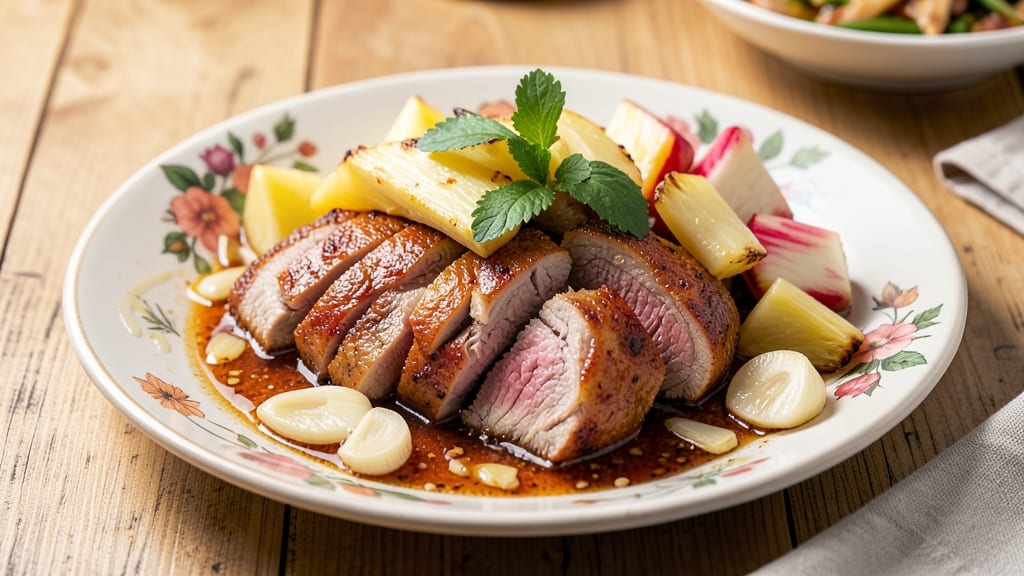
This Filipino pork pineapple recipe transforms humble ingredients into a one-pan masterpiece—tender pork simmered in a tangy adobo sauce, paired with crispy pineapple bites that add sweet contrast.
The secret lies in balancing soy sauce, vinegar, and garlic for that signature Filipino depth, while caramelizing pineapple chunks for texture that stands up to the rich sauce. I perfected this dish after years of experimenting with home-style adobo, ensuring every bite delivers both comfort and complexity.
The beauty of this recipe is its simplicity: one pan, minimal prep, and flavors that build as they cook. You’ll start with pork shoulder marinated in garlic, ginger, and vinegar, then braise it until fork-tender while pineapple rings crisp up in the same skillet—no cross-contamination, no extra dishes.
The adobo sauce reduces to a glossy, slightly sticky glaze that clings to both pork and pineapple, creating a harmony of salty, sweet, and tangy notes. This is the kind of dish that tastes even better the next day, making it ideal for meal prep or gatherings.
What makes this recipe truly special is the textural contrast—juicy, crispy pineapple bites cut through the richness of the pork, while the adobo’s caramelized edges add depth.
Serve it over steamed rice to soak up every last drop of sauce, or pair it with atchara (Filipino pickled papaya) for a refreshing crunch.
The dish is hearty enough for a weeknight dinner but impressive enough for guests, proving that Filipino comfort food can be both restaurant-quality and effortlessly homemade.
The key to success? Low-and-slow cooking for the pork and high-heat caramelization for the pineapple. Don’t skip the marinating step—it’s what builds the flavor foundation. And if you’re feeling adventurous, finish with a sprinkle of calamansi zest for that bright, citrusy kick that’s quintessentially Filipino.
Ready to bring a taste of the Philippines to your table? Let’s get cooking.
Ingredients for pork pineapple recipe filipino
The perfect balance of sweet, tangy, and savory—Filipino adobo magic with crispy pineapple bites in one pan.
| Ingredient | Amount | Notes |
|---|---|---|
| Pork Shoulder 🥓 | 1 ½ lb | Cut into 1.5-inch cubes, bone-in preferred |
| Fresh Pineapple 🍍 | 1 whole | Cut into 1-inch rings, cores removed |
| Soy Sauce 🥄 | ½ cup | High-quality, low-sodium preferred |
| White Vinegar 💧 | ¼ cup | Distilled for best flavor |
| Garlic Cloves 🧄 | 6 cloves | Minced, for marinade and sauce |
| Fresh Ginger 🌿 | 1 tbsp | Grated, for marinade |
| Brown Sugar 🍚 | 2 tbsp | Light or dark, packed |
| Olive Oil 🫒 | 2 tbsp | Extra-virgin for high heat |
| Black Peppercorns 🌶️ | 1 tsp | Freshly cracked for depth |
| Bay Leaves 🌿 | 2 whole | Dried, for aromatic base |
| Green Onions 🧅 | 3 whole | Sliced, for garnish |
| Calamansi Juice 🍋 | 2 tbsp | Or lime juice if unavailable |
| Salt 🧂 | 1 ½ tsp | Kosher or sea salt |
| Steamed Jasmine Rice 🍚 | 2 cups | Cooked, for serving |
The pork shoulder is non-negotiable here—its fat renders beautifully during braising, creating a rich sauce. Look for bone-in cuts at your local butcher or Asian grocery for that authentic marbling. If fresh ginger isn't available, powdered works at half the amount, but the fresh version adds that bright, zesty punch. For calamansi juice, Filipino markets often carry it fresh, but lime or even orange juice will work in a pinch. The pineapple should be ripe but firm—overripe fruit turns mushy during caramelization. If you can't find fresh pineapple, canned pineapple rings (drained well) will do, though they lack the crisp texture.
No soy sauce? Coconut aminos make a decent substitute, though the flavor profile shifts slightly. Running short on vinegar? Apple cider vinegar has a milder tang but still works. The brown sugar can be swapped for white sugar if preferred, though it won't caramelize as beautifully. For a deeper umami kick, add 1 tbsp fish sauce (ensure it's vegetarian if needed). If you're feeling adventurous, a splash of banana ketchup (a Filipino staple) adds a sweet-tangy depth. The bay leaves are essential—they infuse the sauce with earthy notes that balance the sweetness. Remove them before serving, as they can be bitter if overcooked.
This dish reheats beautifully—in fact, it tastes even better the next day as flavors meld. Store leftovers in an airtight container in the fridge for up to 5 days, or freeze for 3 months. For meal prep, portion the pork and pineapple separately—reheat the pork in the sauce, then crisp the pineapple fresh in a hot skillet. The pineapple rings can be pre-caramelized and stored separately, then reheated for 30 seconds before serving to restore crispness. Serve over steamed jasmine rice to soak up every last drop of that sticky, flavorful sauce—worth the extra 10 minutes of cooking time for that restaurant-quality texture.
Why You'll Love This Recipe
- One-Pan Magic: I swear by this—just toss the pork, pineapple chunks, and garlic on a sheet pan, drizzle with soy and vinegar, and let the oven do the work. No chopping boards, no pots, no stress.
- Sweet-Savory Balance: That caramelized pork with the bright, tangy pineapple? It’s the kind of combo that makes you pause mid-bite. The vinegar cuts through the richness, and the garlic adds this little punch that keeps it interesting.
- Lunchbox Hero: Between us, this is my go-to for packed lunches. The flavors only get better the next day, and it reheats like a dream. Throw in some rice, and you’ve got a meal that’s basically a hug in a container.
- Budget Stretch: Pork shoulder is cheap, pineapple’s affordable when you buy it whole, and you’re not using fancy ingredients. Honestly, it’s the kind of dish where you double the batch and freeze half—because why not?
Step-by-step instructions for pork pineapple Filipino adobo
Master this Filipino classic with tender pork, caramelized pineapple, and a tangy-sweet sauce that balances perfectly.
🍳 Step 1: Sear the Pork Shoulder for Depth of Flavor
Heat the 2 tablespoons olive oil in a large Dutch oven over medium-high heat until shimmering. Add the 1.5 lb pork shoulder cut into 1.5-inch cubes and sear undisturbed for 3-4 minutes per side until golden brown. This step develops the Maillard reaction, creating deep flavor that carries through the cooking process.
Once browned, remove the pork and set aside. In the same pot, add the 6 cloves minced garlic, 1 tablespoon grated fresh ginger, and 1 teaspoon freshly cracked black peppercorns. Sauté for 30 seconds until fragrant—this aromatic base forms the foundation of your sauce. The pork should release easily from the pan when ready to flip, indicating proper browning.
🥘 Step 2: Build the Tangy-Sweet Sauce
Return the seared pork to the pot and add 0.5 cup soy sauce, 0.25 cup white vinegar, 2 tablespoons brown sugar, 2 whole bay leaves, and 1.5 teaspoons salt. Stir to combine, then pour in 2 tablespoons calamansi juice (or lime juice if unavailable). Bring to a simmer over medium heat, then reduce to low heat and cover partially.
Simmer for 45 minutes, stirring occasionally, until the pork is tender and the sauce begins to thicken. The pork should pull away from the bone easily when tested with a fork. This low-and-slow cooking method ensures the meat remains juicy while absorbing the rich, complex flavors of the sauce.
🍳 Step 3: Caramelize the Pineapple for Crispy Bites
While the pork simmers, cut the 1 whole fresh pineapple into 1-inch rings and remove the cores. In a separate skillet, heat 1 tablespoon olive oil over medium-high heat. Add the pineapple rings in a single layer and cook for 2-3 minutes per side until golden brown and slightly caramelized—this is where the magic happens for that perfect crispy texture.
Transfer the caramelized pineapple to the Dutch oven with the pork and sauce. The residual heat will finish cooking the pineapple while it soaks up the remaining flavors. The pineapple should be tender yet retain a slight bite, and the sauce should coat everything evenly, creating a glossy, sticky finish.
⏰ Step 4: Simmer and Rest for Perfect Texture
Return the Dutch oven to medium-low heat and simmer uncovered for an additional 15-20 minutes, allowing the pineapple to absorb the sauce and the flavors to meld. The sauce should thicken slightly, coating the pork and pineapple in a glossy, tangy-sweet glaze. Taste and adjust seasoning if needed—you may need a touch more salt or brown sugar to balance the acidity.
Once the sauce reaches your desired consistency, remove the pot from heat and let the adobo rest for 10 minutes. This resting period allows the juices to redistribute, ensuring each bite is moist and flavorful. The pork should be fork-tender, and the pineapple should be tender yet retain its shape.
🍽️ Step 5: Serve with Steamed Jasmine Rice
Discard the bay leaves and slice the green onions into ¼-inch pieces. Garnish the adobo with the sliced green onions just before serving. Spoon the pork and pineapple over 2 cups steamed jasmine rice, ensuring each serving gets a generous portion of the flavorful sauce. The rice acts as a neutral base, allowing the bold flavors of the adobo to shine.
Serve immediately while the pork is still warm and the pineapple retains its crispy edges. The contrast of tender pork, sweet-tangy pineapple, and fragrant rice creates a harmonious balance of textures and flavors that defines this Filipino classic. Each bite should deliver a perfect blend of savory, sweet, and tangy notes, with the crispy pineapple adding a delightful crunch.
Pro Tips For Making Pork Pineapple Recipe Filipino
- SEAR THE PORK FIRST: Don’t skip browning the pork shoulder—this isn’t just for flavor, it’s the foundation. Cut the meat into 1-inch chunks, pat them dry with paper towels, and sear in a hot pan with a splash of oil until deep golden. I used to rush this, and the sauce never stuck right.
- PEEL THE PINEAPPLE RIGHT: Fresh pineapple is non-negotiable, but peeling it wrong wastes good fruit. Cut off the top and bottom, then slice off the sides in one clean motion (like a pineapple guillotine). For chunks, cut into 1-inch pieces—no need to core them, just leave the tough center out. (Yes, even if you’re impatient like me.)
- ACID BALANCE MATTERS: Too much vinegar and your pork gets tough; too little and the sauce tastes flat. Start with ¼ cup white vinegar for every pound of pork, then taste as you go. If it’s too sharp, add a pinch of sugar or a splash of water to mellow it out. (Your future self will thank you.)
- SIMMER LOW AND SLOW: After searing and adding the pineapple, don’t boil the sauce—simmer it at a gentle bubble, covered, for at least 45 minutes. This lets the pork stay tender and the flavors meld. I learned this the hard way when my first batch turned out chewy. (Your future self will really thank you.)
Pro cooking tips for perfect results
Marinating Magic
Don’t skip the marinade—it’s where the flavor foundation happens. Toss your 1.5 lb pork shoulder cubes in a bowl with 6 minced garlic cloves, 1 tbsp grated ginger, 2 tbsp soy sauce, and 1 tbsp calamansi juice (or lime).
Let it sit for at least 30 minutes—I often marinate mine overnight for deeper flavor infusion. This step ensures your pork stays juicy and absorbs the tangy-sweet balance before hitting the pan. 🌶️
One-Pan Efficiency
Use a Dutch oven for this recipe—it’s your secret weapon for even heat distribution. After searing the pork, deglaze the pan with the remaining marinade and 0.25 cup white vinegar to lift those flavorful browned bits. This creates a richer sauce without extra effort.
The pineapple can caramelize in the same pan after the pork simmers, so you’re truly cooking with minimal cleanup. Pro tip: Use medium-low heat for the pork to prevent toughening. ⚡
Pineapple Perfection
Fresh pineapple is non-negotiable here—canned won’t give you that crispy texture. Cut into 1-inch rings and caramelize them in a separate skillet over medium-high heat with 1 tbsp olive oil for 2-3 minutes per side.
They should be golden with slight char marks. The key is timing: add them to the pork sauce just before serving so they stay crispy, not soggy. 🍍
Sauce Science
The adobo sauce needs patience—simmer the pork for 45 minutes until it’s fork-tender, then reduce heat to medium-low for the final 15-20 minutes to thicken. If the sauce gets too thin, uncover the pot and let it reduce naturally. Avoid stirring constantly, which can make the sauce watery.
Taste as you go: balance the tang with brown sugar or the saltiness with a splash of vinegar. The sauce should coat the back of a spoon with a glossy sheen. 💫
Resting Matters
Let the pork rest for 10 minutes after cooking—this is where juices redistribute, preventing dry meat. Tent loosely with foil if worried about cooling too fast. The pineapple can wait until serving, but warming it briefly in the sauce keeps it tender.
Garnish with green onions right before serving to keep them vibrant. Serve over steamed jasmine rice to soak up every last drop of that sticky, flavorful sauce. 💪
Nutrition facts
Frequently asked questions
Can I use canned pineapple instead of fresh?
While fresh pineapple gives the best crispy texture, you can use canned pineapple rings in a pinch. Drain them well and pat dry with paper towels before cooking to prevent sogginess. For extra flavor, add 1 tablespoon banana ketchup to the sauce—it pairs beautifully with the tangy adobo. The texture won't be as crisp, but it'll still add sweet contrast.
How do I make this recipe spicier?
Add 1-2 teaspoons of chopped siling labuyo (Filipino chili) or ½ teaspoon cayenne pepper to the sauce while simmering. For heat without spice, include 1 whole dried chili pepper (remove before serving). Start with less—Filipino chilis pack serious heat! The adobo's tangy-sweet balance makes it a great vessel for spice.
What's the best way to reheat leftovers?
Reheat pork and sauce together in a skillet over low heat until warmed through. For the pineapple, crisp it fresh in a hot pan with 1 teaspoon butter for 1-2 minutes per side. Never microwave the pineapple—it turns rubbery. The flavors actually improve overnight as the sauce thickens further. Store leftovers in an airtight container for up to 5 days.
Can I substitute pork shoulder with another cut?
Pork tenderloin or pork loin work well but cook faster—reduce simmering time to 25-30 minutes for tender results. Avoid lean cuts like ham; they dry out. For budget-friendly options, use pork belly (increase simmering to 1 hour for crispy fat). Bone-in cuts stay juicier than boneless. Remember: fat equals flavor in Filipino adobo!
What are good Filipino side dishes to serve with this?
Pair with steamed jasmine rice (a must), atchara (pickled papaya) for tangy crunch, or ginataang gulay (coconut veggies) for creaminess. For extra protein, add garlic fried rice or lumpia (spring rolls). The adobo's bold flavors work beautifully with mild, fresh sides that cut through the richness.