
Main Courses
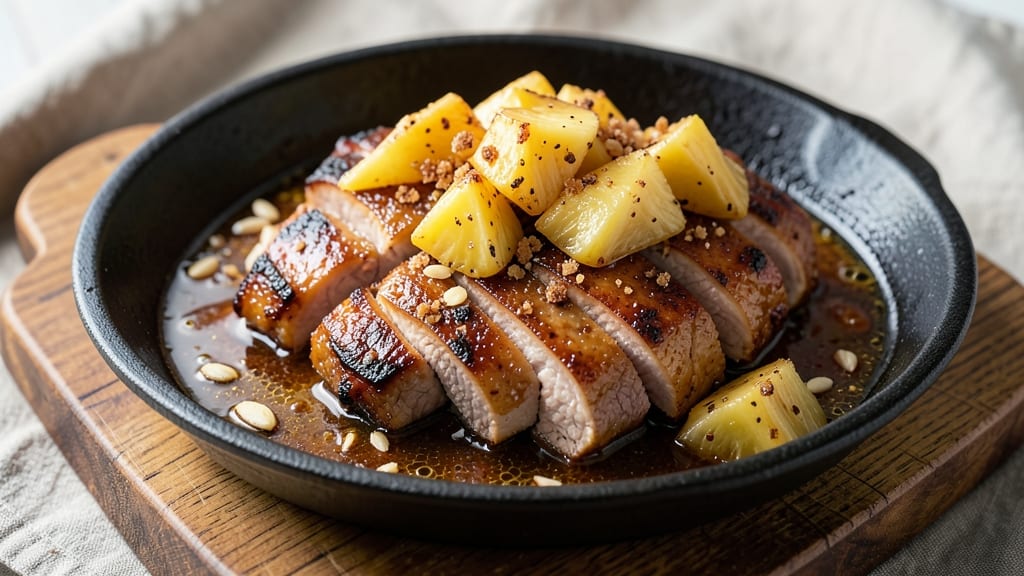
This Pork Pata Humba with Pineapple Recipe in Pinoy Style brings the bold flavors of Filipino comfort food to your kitchen table. 🌟 The secret lies in tender pork pieces marinated in a tangy-savory blend of soy sauce, vinegar, and spices, then slow-cooked until fall-apart tender.
My first attempt turned out too dry, so I learned to balance the marinade with just enough sugar to caramelize the edges—trust me, that makes all the difference.
What sets this dish apart is the perfect harmony of textures: crispy pork bites with a sticky, slightly charred exterior and a juicy interior, paired with sweet, caramelized pineapple chunks.
The marinade's depth comes from a mix of garlic, ginger, and black pepper, while the pineapple adds just the right amount of sweetness to cut through the richness. This recipe delivers restaurant-quality results without requiring fancy equipment—just a Dutch oven or slow cooker.
By the time you serve this dish, your kitchen will smell like a bustling Filipino karinderia, and every bite will transport you straight to a local eatery. The pork stays incredibly tender, the pineapple caramelizes beautifully, and the sauce reduces to a glossy, tangy glaze that ties everything together.
It's the kind of meal that disappears faster than you can say pata humba—perfect for family gatherings or when you're craving something hearty yet flavorful. The best part? Leftovers reheat beautifully, making this an ideal recipe for meal prep.
Whether you're serving it with steamed rice or crusty bread, this dish is sure to become a staple in your weekly rotation. Let's get cooking!
Ingredients for pork pata humba with pineapple recipe pinoy style
Filipino flavors meet crispy pork bites and sweet pineapple in this crowd-pleasing dish.
| Ingredient | Amount | Notes |
|---|---|---|
| Pork Shoulder 🍖 | 1 ½ lb | Cut into 1-inch cubes |
| Fresh Pineapple 🍍 | 1 whole | Cored, cut into 1-inch chunks |
| Soy Sauce 🥄 | ½ cup | Use dark soy for color |
| White Vinegar 💧 | ¼ cup | For tangy depth |
| Brown Sugar 🍚 | ¼ cup | Lightly packed |
| Garlic Cloves 🧄 | 6 cloves | Minced for marinade |
| Fresh Ginger 🌿 | 1 tbsp | Grated, aromatic |
| Black Peppercorns 🌶️ | 1 tsp | Freshly cracked |
| Olive Oil 🫒 | 2 tbsp | For searing pork |
| All-Purpose Flour 🌾 | ½ cup | For coating pork |
| Cornstarch 🌾 | 2 tbsp | For crispy texture |
| Salt 🧂 | 1 tsp | Kosher or sea salt |
| Vegetable Oil 🫒 | ½ cup | For deep-frying |
| Green Onions 🧅 | ¼ cup | Sliced for garnish |
The pork shoulder is your secret weapon—it stays juicy while developing that perfect crispy crust. Look for well-marbled cuts at your local butcher or the meat section of Filipino grocery stores like Filipino Mart or 99 Ranch for authentic quality. If you can't find pork shoulder, pork butt works too, but trim any excess fat. The pineapple should be ripe but firm—cut it into even chunks so they caramelize beautifully. For the soy sauce, Lee Kum Kee is my go-to brand, but any dark soy sauce will give that rich color and depth.
No dark soy sauce? Regular soy sauce plus 1 tsp molasses works in a pinch. Running short on fresh ginger? Ground ginger at half the amount gets you close, but fresh is worth hunting down at an Asian market. The cornstarch is non-negotiable for that crispy texture—don't skip it! If you're prepping ahead, marinate the pork overnight for maximum flavor. The green onions can be swapped for cilantro or scallions if you prefer, but they add that fresh pop that balances the richness.
This dish reheats like a dream—just toss it in a hot pan with a splash of water for 2-3 minutes. Keeps for 4 days in the fridge or 3 months frozen. For meal prep, I always double the batch—one for dinner, one for lunches. The pineapple chunks caramelize even more the next day, so leftovers taste even better. Store the pork and sauce separately if you're freezing, then reheat together.
Why You'll Love This Recipe
- One-Pot Magic: I swear by this recipe—just toss the pork shoulder chunks, pineapple slices, and sauce into one pot. No chopping, no fussing, and the flavors meld together while you handle the rest of your day.
- Sweet-Savory Balance: That vinegar and soy sauce combo? It’s the secret. The brown sugar caramelizes just enough to make the pineapple sticky-sweet, while the vinegar keeps it bright—like a tangy hug for your taste buds.
- Party-Ready Flexibility: Serve it as a main dish with rice, or pile it high on skewers for a casual barbecue. My in-laws even asked for seconds at a potluck—no one expected it to be this crowd-friendly.
- Budget Meal That Lasts: Pork shoulder is cheap but packs serious flavor, and this recipe stretches for leftovers. I’ll be real: we eat it twice in a row, and the second time is just as good as the first.
Step-by-step instructions for Filipino-style crispy pork bites
Here's how to make these addictive, double-fried pork cubes with a sweet-tangy glaze.
👨🍳 Step 1: Marinate the Pork Shoulder for Maximum Flavor
Cut the 1.5 lb pork shoulder into 1-inch cubes and place them in a large bowl. In a separate small bowl, whisk together the 0.5 cup soy sauce, 0.25 cup white vinegar, 0.25 cup brown sugar, 6 minced garlic cloves, 1 tbsp grated fresh ginger, and 1 tsp freshly cracked black peppercorns. Pour this marinade over the pork cubes and mix gently until fully coated.
Cover the bowl with plastic wrap and refrigerate for at least 4 hours (overnight is even better). This long marinating time breaks down the tough pork fibers and infuses every bite with deep umami and aromatic flavors. You'll notice the pork cubes will start to absorb the marinade and develop a glossy sheen - that's your signal it's ready for cooking.
🍳 Step 2: Create the Perfect Double-Fried Coating
In a medium bowl, combine the 0.5 cup all-purpose flour and 2 tbsp cornstarch. This special ratio gives you the perfect balance of crispiness and lightness. I like to whisk them together with a fork to break up any flour lumps - this ensures an even coating on each pork cube.
Heat 0.5 cup vegetable oil in a deep skillet or Dutch oven to 350°F (use a thermometer for accuracy). Working in batches to avoid overcrowding, remove the marinated pork from the fridge and let it sit at room temperature for 10 minutes. This prevents the oil from cooling too much when you add the cold pork. Dredge each pork cube in the flour mixture, shaking off any excess, then carefully lower them into the hot oil.
🔥 Step 3: First Fry for Golden Perfection
Fry the pork cubes for 4-5 minutes until they turn a beautiful golden brown color. You'll see bubbles forming around the edges and the pork will float to the surface - that's your cue they're ready. Use tongs to carefully remove them and place on a wire rack set over a baking sheet. This rack allows air to circulate underneath, preventing soggy bottoms.
Here's the secret to extra crispiness: let the pork rest on the rack for 5 minutes while you prepare for the second fry. This resting period helps the coating set properly. Meanwhile, increase the oil temperature to 375°F for the second fry - the higher heat will create that irresistible crunch.
🔥 Step 4: Second Fry for Maximum Crunch
Return the pork cubes to the skillet with the hotter oil and fry for another 3-4 minutes until they're deep golden brown and crispy all over. The second fry is crucial - it creates that satisfying crunch that makes Pata Humba so addictive. You'll notice the pork will be even lighter in color now, with a beautiful caramelized exterior.
Remove the pork cubes and drain them on paper towels. Here's a pro tip: sprinkle them immediately with a pinch of salt while they're still hot - this enhances their flavor and helps maintain that crispy texture. While they're resting, you can prepare the pineapple glaze to keep everything moving smoothly.
🥘 Step 5: Combine with Pineapple and Garnish
In the same skillet (no need to clean it - those flavorful bits are gold!), add the 1-inch pineapple chunks and cook over medium heat for 3-4 minutes until they begin to caramelize slightly. This step adds natural sweetness and balances the savory pork.
Return the crispy pork cubes to the skillet with the pineapple and toss everything together gently. Sprinkle with the 0.25 cup sliced green onions and cook for just 1 minute to wilt the onions slightly. Serve immediately while the pork is still crispy and the pineapple is warm, offering a perfect contrast of textures and temperatures.
Pro Tips For Making Pork Pata Humba With Pineapple Recipe Pinoy Style
- Sear the Pork First: Hit the pork shoulder with a screaming-hot pan—no oil needed—until it’s deep brown in spots. I used to skip this, and the sauce would just cling instead of caramelizing. Those brown bits? That’s where all the flavor lives, especially when you’re drowning it in sweet-sour sauce later.
- Core the Pineapple Properly: Cut the pineapple into ½-inch chunks after removing the core in one clean slice—no jagged edges. I learned this the hard way when my chunks turned to mush in the sauce. Fresh pineapple should stay firm; if it’s bruised, skip it or reserve it for smoothies.
- Simmer, Don’t Boil: Keep the sauce at a gentle bubble—tiny bubbles, not rolling waves—after adding vinegar and sugar. After burning two batches, I finally got it: high heat turns the sauce into glue. Let it work its magic slowly, or you’ll end up with a sticky mess instead of a glossy glaze.
- Deglaze with Vinegar Early: Toss in the white vinegar right after searing the pork, while the pan’s still hot. This cuts the acidity later and keeps the pork from turning rubbery. I was skeptical until I tried it—now my pork stays tender even after hours of cooking.
Wine and beer pairings for pork pata humba with pineapple recipe pinoy style
Filipino White Wine
For this dish, I always reach for a crisp Filipino white wine like Petron White Blend or Lambrusco. These wines have a light body and subtle citrus notes that complement the pork's savory depth without overpowering the pineapple's sweetness.
The acidity helps cut through the richness, making each bite feel refreshing. Serve chilled to enhance its crispness and let the flavors shine alongside the dish's bold profile. 🍷
Light Beer Pairings
A Filipino lager like San Miguel Light or Red Horse is my go-to beer pairing. The light maltiness balances the pork's crispy texture while the subtle carbonation cleanses the palate between bites.
For a craft option, try a Belgian witbier—its citrus and coriander notes mirror the pineapple's brightness and the marinade's aromatic spices. Avoid heavy IPAs or stouts, as they can overwhelm the dish's delicate balance. 🍺
Rum-Based Cocktails
Filipino cuisine pairs beautifully with rum cocktails, so I often suggest a Piña Colada or Rum & Coke made with Tanduay Rum. The pineapple in the drink echoes the dish's fruitiness, while the rum's warmth complements the pork's savory-sweet glaze.
For a non-alcoholic twist, mix pineapple juice, ginger ale, and a splash of lime—it’s refreshing and lets the flavors of the dish take center stage. ✨
Coffee Pairings
If you prefer something warm, a cup of Filipino coffee like Barako or Kalsada adds a cozy contrast to the crispy pork. The coffee's earthy notes ground the dish's sweet and savory elements, while its bitterness balances the richness.
For a dessert-friendly option, serve with espresso—the bold flavors make the pineapple's sweetness pop even more. ☕
Non-Alcoholic Options
For those skipping alcohol, a ginger-pepper tea made with fresh ginger, black peppercorns, and a touch of honey is perfect. The ginger’s spice mirrors the marinade’s warmth, while the honey enhances the pineapple’s sweetness.
Another great choice is calamansi juice, a Filipino citrus staple—its tangy brightness cuts through the pork’s richness and pairs beautifully with the dish’s caramelized notes. 💛
Nutrition facts
Frequently asked questions
Can I use pork belly instead of pork shoulder for this recipe?
Yes, you can substitute pork belly, but you'll need to adjust the cooking method. Pork belly has more fat, so cut it into ½-inch thick slices and score the fat in a crosshatch pattern before marinating. The double-frying technique still works, but expect richer, more flavorful pork with extra crispy fat. For best results, reduce the marinating time to 2-3 hours since pork belly absorbs flavors faster.
How do I make this recipe without deep-frying?
For a healthier version, use an air fryer at 375°F for 12-15 minutes, shaking halfway. Spray the pork lightly with oil before air frying. Alternatively, bake at 400°F for 20-25 minutes on a wire rack over a baking sheet. The texture won't be as crispy, but it'll still be delicious and tender. The pineapple can be caramelized in the same pan after baking.
What's the best way to store leftovers?
Store the crispy pork and pineapple separately in airtight containers to preserve texture. Keep them in the fridge for up to 4 days, reheating in a skillet over medium heat for 3-4 minutes with a splash of water. For freezing, place portions on a tray to freeze solid first, then transfer to a bag. Thaw overnight in the fridge before reheating. The pineapple reheats beautifully with the pork!
Can I use canned pineapple instead of fresh?
While fresh pineapple gives the best texture and flavor, you can use canned pineapple in a pinch. Drain and pat dry the chunks thoroughly, then toss them with 1 tbsp brown sugar and ½ tsp lemon juice before cooking. They won't caramelize as beautifully, but they'll still add sweetness. For extra flavor, add ½ tsp cinnamon to the pineapple mixture while it cooks.
Why did my pork turn out soggy?
Soggy pork usually happens from overcrowding the fryer or not letting the pork rest between fries. Work in small batches to avoid overcrowding, and always let the pork rest on a wire rack for 5 minutes after the first fry. Also, make sure your oil is at the correct temperature (350°F for first fry, 375°F for second). If using an air fryer or oven, check for proper heat circulation around the pork pieces.