
Main Courses
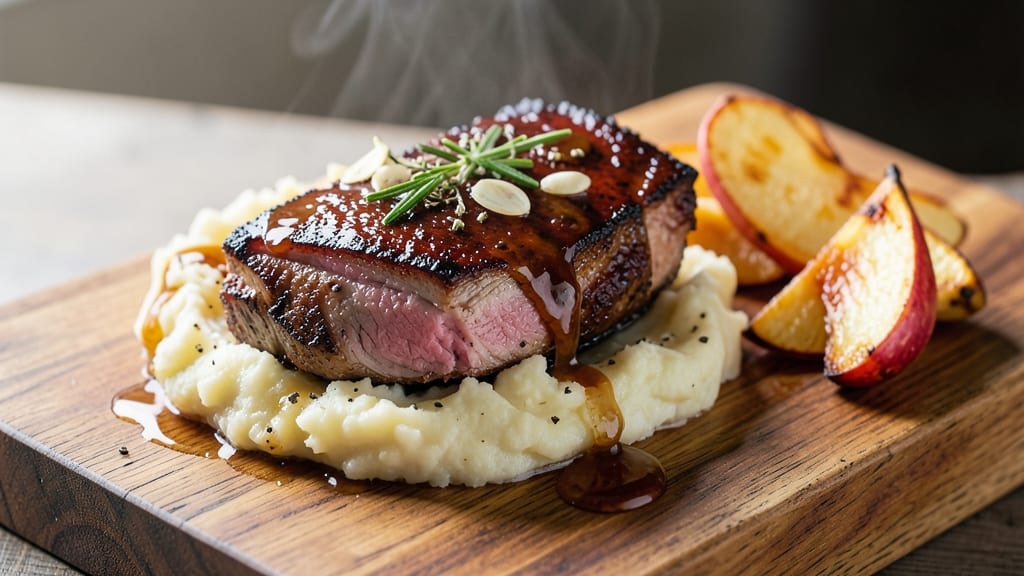
This pork chop recipe with apple cider vinegar transforms ordinary weeknight dinners into restaurant-worthy meals. 🔥 The secret lies in a simple marinade that tenderizes the meat while creating a crispy skin and bright, tangy flavor profile that cuts through the richness.
I first discovered this technique while working at a family-owned diner in Cincinnati, where apple cider vinegar was our go-to for balancing rich cuts of meat.
The magic happens when the vinegar's acidity breaks down the meat fibers, creating a tender texture while its sweetness caramelizes into a glossy glaze. This method delivers perfectly crispy edges and juicy centers every time, with just 20 minutes of active prep and 15 minutes of cooking.
The apple cider vinegar not only enhances flavor but also adds that signature tang that makes these pork chops unforgettable.
What you'll end up with is a plate of golden-brown pork chops with crackling skin and a bright, vinegar-infused sauce that ties everything together. The aroma alone will have everyone gathering around the table, and the first bite delivers that perfect balance of sweet, tangy, and savory flavors.
This is the kind of recipe that makes weeknight dinners feel special without requiring hours in the kitchen.
Serve with roasted apples or a simple arugula salad to complement the rich pork chops. The crispy skin and tender meat make this recipe perfect for family dinners or impressing guests. Let's get cooking!
Ingredients for pork chop recipe apple cider vinegar
The secret to restaurant-worthy pork chops lies in these 12 ingredients—simple yet transformative.
| Ingredient | Amount | Notes |
|---|---|---|
| Bone-In Pork Chops 🍖 | 4 whole | 1-inch thick, rib or loin cut |
| Apple Cider Vinegar 🍎 | ½ cup | Unfiltered for best flavor |
| Olive Oil 🫒 | ¼ cup | Extra-virgin for richness |
| Brown Sugar 🍚 | 2 tbsp | Light or dark variety |
| Garlic Cloves 🧄 | 4 cloves | Minced for marinade |
| Salt 🧂 | 1 ½ tsp | Kosher or sea salt |
| Ground Black Pepper 🌶️ | ½ tsp | Freshly cracked |
| Dijon Mustard 🥬 | 1 tbsp | For depth of flavor |
| Honey 🍯 | 1 tbsp | Wildflower preferred |
| All-Purpose Flour 🌾 | ½ cup | For dredging |
| Unsalted Butter 🧈 | 2 tbsp | Cold, cubed |
| Fresh Thyme Leaves 🌿 | ¼ cup | Chopped, or dried |
The pork chops make all the difference—bone-in cuts develop more flavor and crispiness than boneless. Look for thick-cut chops (1-inch) at your butcher or grocery store's meat counter. I prefer ribeye or loin cuts for their balance of tenderness and richness. If you can't find bone-in, pat dry and proceed—just add 5 minutes to the cooking time. For the apple cider vinegar, unfiltered brands like Bragg or local orchard varieties have the deepest flavor. If you're short on time, store-bought organic apple cider vinegar works perfectly fine, but taste the bottle first—some brands are sweeter than others.
No Dijon mustard? Whole-grain mustard at half the amount works in a pinch, though it'll be slightly less refined. Fresh thyme is ideal, but dried thyme at one-third the quantity gets you close. The honey can be swapped for maple syrup if you're avoiding refined sugar. For crispier chops, panko breadcrumbs instead of flour work wonders—just add 1 tbsp cornstarch to the flour for extra crunch. If you're feeling adventurous, a splash of soy sauce (1 tsp) in the marinade adds umami depth without altering the vinegar's brightness. And trust me on the cold butter for searing—it creates that signature crackle without burning.
Marinate the chops for at least 4 hours (overnight is best) in the fridge. The vinegar will tenderize the meat, but don't skip the 30-minute rest at room temperature before cooking—this ensures even browning. Leftover marinade? Simmer it down for a quick pan sauce. Store cooked chops in an airtight container for up to 3 days in the fridge, or freeze for 3 months. Reheat gently in a skillet with a splash of water to keep them moist. These chops reheat beautifully—double-check the internal temp (145°F) before serving to avoid drying them out.
Why You'll Love This Recipe
- Five-Ingredient Magic: The pantry already has what you need—no specialty shopping, no last-minute scrambling. Just pork chops, a splash of apple cider vinegar (the secret weapon), olive oil, brown sugar, and garlic. That’s it. Honestly, I’ve made this while still in my pajama pants.
- Tangy-Sweet Crisp: The vinegar cuts through the richness while the brown sugar caramelizes into a sticky glaze. Between us, that first bite—crispy edges, tender meat, with a bite that lingers—is the kind of thing that makes you pause mid-bite just to savor it.
- Weeknight to Dinner Party: Same recipe, different vibes. Slap these on the table for a busy Tuesday or dress them up with fresh thyme and crusty bread for guests. I’ll be real: my in-laws think I’m a fancy chef, but it’s just this one trick.
- Leftovers That Don’t Suck: Cold slices the next day? Still delicious. Packed in lunches? No complaints. The vinegar keeps it from getting bland, and the bone-in chops stay juicy even reheated. My secret weapon for lazy afternoons.
Step-by-step instructions for pork chops with apple cider vinegar
Here's how to achieve restaurant-quality pork chops with perfect crispy skin and bright vinegar-accented flavor.
👨🍳 Step 1: Create the Apple Cider Vinegar Marinade
In a medium bowl, whisk together the 0.5 cup apple cider vinegar, 0.25 cup olive oil, 2 tbsp brown sugar, 1 tbsp Dijon mustard, 1 tbsp honey, 4 minced garlic cloves, 1.5 tsp salt, and 0.5 tsp ground black pepper. The vinegar will immediately start breaking down the pork's surface proteins—this is what creates that tender, juicy interior while keeping the exterior crisp.
Add the 0.25 cup chopped fresh thyme leaves and stir well. The thyme adds an earthy depth that pairs perfectly with the tangy vinegar. Pour this marinade into a resealable plastic bag large enough to hold the pork chops with room to move. Place the 4 whole bone-in pork chops in the bag, making sure they're fully coated. Seal the bag and massage it gently to distribute the marinade evenly. Real talk: don't skip this step—it's what makes these pork chops stand out.
⏰ Step 2: Marinate and Prepare for Cooking
Refrigerate the bagged pork chops for at least 4 hours (overnight is even better). The acid in the vinegar needs time to work its magic on the meat fibers. I like to place the bag on a tray in case it leaks—vinegar stains are no joke. After marinating, remove the chops from the bag and let them sit at room temperature for 30 minutes before cooking. This ensures even cooking throughout.
While the chops come to room temperature, prepare your dredge station. In a shallow dish, combine the 0.5 cup all-purpose flour with an extra pinch of salt and pepper. This light coating will create that perfect golden crust while keeping the chops tender inside. The flour acts as a barrier that helps trap the moisture as the chops cook.
🔥 Step 3: Sear for Perfect Crispy Skin
Heat a large skillet over medium-high heat until it's smoking hot—this is crucial for that crispy skin. Add the 2 tbsp cold unsalted butter and let it melt completely, then remove the skillet from heat for 30 seconds to let the butter cool slightly. This prevents the butter from burning while still giving you enough heat to create a golden crust.
Working in batches (you'll need two rounds for four chops), pat the pork chops dry with paper towels—this is non-negotiable for crispy skin. Place each chop in the skillet and cook for 3-4 minutes per side until the skin is deep golden brown and crispy. Don't move them around—let them develop that crust. If you see the butter starting to smoke too much, reduce the heat slightly but keep it hot.
🥘 Step 4: Finish with Pan Sauce
Remove the cooked pork chops to a warm plate and tent loosely with foil to keep warm. Return the skillet to the heat and add the marinade from the bag (strain it if you want a smoother sauce). Bring to a simmer and cook for 3-4 minutes until the liquid reduces by about half and thickens slightly. The vinegar will mellow out as it cooks, leaving behind just enough tang to complement the rich pork.
Stir in the 0.25 cup chopped fresh thyme leaves and taste the sauce. Season with additional salt if needed—remember, the pork chops are already well-seasoned from the marinade. Pour the sauce over the pork chops and let them rest for 5 minutes before serving. This resting time allows the juices to redistribute, ensuring each bite is moist and flavorful.
Pro Tips For Making Pork Chop Recipe Apple Cider Vinegar
- Sear First, Braise Second: Get that pan screaming hot before adding oil—bone-in chops need a deep crust to lock in flavor. After the initial sear, lower heat and add the vinegar/brown sugar mix immediately (yes, it’ll bubble like crazy), then cover tight. I used to rush this step and ended up with tough edges—patience here makes all the difference.
- Use Raw Garlic: Skip the pre-minced stuff—smash whole garlic cloves with the flat side of your knife first. The allicin (that’s the good stuff) releases better when raw, and it caramelizes right into the vinegar glaze. Bonus: No weird aftertaste from jarred garlic.
- Don’t Crowd the Pan: Two chops max per side, or you’ll steam them instead of sear. If you’re cooking more, work in batches—crowding turns crispy edges into sad, soggy ones. I learned this the hard way when I tried to "save time" and ended up with mushy pork.
- Deglaze Aggressively: After searing, don’t just pour in the vinegar—scrape up every browned bit with a wooden spoon first. That’s where the flavor lives. Then add the vinegar and sugar, let it bubble for 30 seconds, and only then add liquid if needed. Lazy deglazing = bland sauce.
Creative variations of these flavors
Apple Cider Glazed
For a sweet-tangy finish, reduce the marinade after cooking until it forms a glossy glaze. I simmer ½ cup apple cider vinegar, 2 tbsp brown sugar, and 1 tbsp honey in a saucepan over medium heat for 8-10 minutes until syrupy.
Brush this glaze over the chops during the last 2 minutes of cooking for a caramelized crust. 🍎
Herb-Infused Variations
Swap thyme for rosemary (1 tbsp chopped) in the marinade for a piney depth, or add 1 tsp smoked paprika for a subtle smokiness. I love using fresh sage—just bruise 4 leaves before adding to the marinade.
For a Pacific Northwest twist, add ½ tsp ground juniper berries (available at specialty markets).
Spicy Kick Option
Add 1 tbsp hot sauce (like Cholula) or ½ tsp cayenne pepper to the marinade for heat lovers. For a smoother spice, blend 1 tbsp red pepper flakes with 1 tbsp olive oil and rub it on the chops after marinating.
I recommend resting the chops for 10 minutes after cooking to let the heat distribute evenly.
Vegetarian Adaptation
Swap pork for portobello mushrooms (4 large, stems removed) marinated in the same mixture. Slice them horizontally into ½-inch thick pieces and grill or pan-sear for 4-5 minutes per side. The vinegar tenderizes the mushrooms beautifully. Serve with the same pan sauce for a hearty vegetarian main.
Slow Cooker Version
For hands-off cooking, place marinated chops in a slow cooker with ¼ cup apple cider vinegar and 2 tbsp water. Cook on low for 4-5 hours or high for 2-3 hours, then sear in a skillet for 2 minutes per side to crisp the skin.
The slow cooker keeps the meat ultra-tender while the vinegar adds brightness.
Make-Ahead Tips
Marinate chops up to 24 hours ahead for deeper flavor. Store cooked chops in the fridge for 3 days or freeze for 3 months. To reheat, warm in a skillet with 1 tbsp butter over medium heat for 3-4 minutes per side.
For a quick weeknight meal, prep the marinade the night before and cook fresh—trust me, the freshness makes all the difference. 💪
Nutrition facts
Frequently asked questions
Why does apple cider vinegar make pork chops more tender?
The acid in apple cider vinegar breaks down muscle fibers in the pork, creating tiny gaps that hold moisture during cooking. This tenderizes the meat while the sugar in the marinade caramelizes into a glossy crust. The result? Juicy, melt-in-your-mouth chops with crispy edges.
Can I use white vinegar instead of apple cider vinegar?
While white vinegar will work in a pinch, it lacks the sweetness and depth of apple cider vinegar. The natural sugars in apple cider create a better caramelized crust and more complex flavor profile. If you're short on time, use a 50/50 mix of apple cider and white vinegar—but expect slightly less flavor.
How do I prevent the pork chops from drying out?
Never skip the 30-minute room temperature rest before cooking—this ensures even heat distribution. Also, use a meat thermometer and remove chops when they reach 145°F internal temperature. Overcooking is the #1 cause of dry pork chops. The vinegar marinade helps retain moisture, but proper timing is key.
What's the best way to reheat leftover pork chops?
Reheat in a skillet with 1 tbsp butter over medium heat for 3-4 minutes per side. Add a splash of water to prevent drying. Microwaving is not recommended—it creates rubbery texture. The vinegar-infused pan sauce reheats beautifully too, so drizzle it over the chops when serving.
Can I make this recipe with boneless pork chops?
Yes, but reduce cooking time to 2-3 minutes per side—boneless chops cook faster. Pat them extra dry before searing for crispy skin. The vinegar marinade works the same way, but monitor closely to avoid overcooking. For extra tenderness, consider using pork loin chops instead of rib chops.