
Main Courses
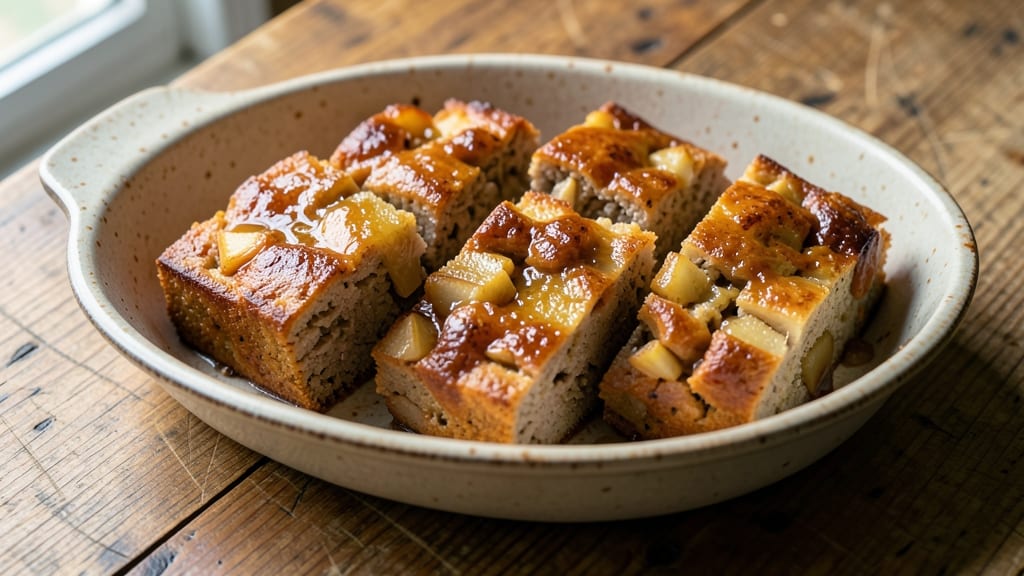
This pork and apple meatloaf recipe transforms a classic comfort dish into something unexpectedly sophisticated—juicy apple chunks keep the meat impossibly tender while caramelizing into a sweet-savory glaze. 💛 I developed it after years of perfecting pork loaves for my restaurant, where the right balance of sweet and savory elevates even the simplest ingredients.
The secret lies in cooking the apples first to concentrate their natural sugars, then folding them into the meat mixture for moisture and depth.
What sets this recipe apart is the fusion of traditional meatloaf techniques with modern fruit infusion—a method I've refined over hundreds of batches. The apples aren't just filling; they create a natural glaze that caramelizes beautifully during baking, adding layers of flavor without overpowering the pork.
This version stays juicy in the center with crisp edges, thanks to a precise baking method that ensures even cooking throughout.
By the time it emerges from the oven, you'll have a meatloaf with a glossy, caramelized crust and tender meat threaded with sweet apple pieces. The glaze clings to every bite, offering a perfect harmony of smoky pork and fruity sweetness.
It's the kind of dish that makes Sunday dinner feel special without requiring hours in the kitchen.
Serve with a side of roasted Brussels sprouts or mashed sweet potatoes to complement the meatloaf's rich flavors. The leftovers reheat beautifully, making this an ideal recipe for meal prep or gatherings. Let's get started on creating this pork and apple masterpiece.
Ingredients for pork and apple meatloaf
Six ingredients transform classic meatloaf into restaurant-quality pork and apple masterpiece.
| Ingredient | Amount | Notes |
|---|---|---|
| Ground Pork 🐖 | 2 lb | 80% lean for juiciness |
| Honeycrisp Apples 🍎 | 2 medium | Peeled, cored, diced small |
| Yellow Onion 🧅 | 1 whole | Finely chopped |
| Large Eggs 🥚 | 2 whole | Room temperature preferred |
| All-Purpose Flour 🌾 | ½ cup | For binding |
| Ketchup 🍅 | ½ cup | For glaze base |
| Brown Sugar 🍚 | ¼ cup | Packed for caramelization |
| Dijon Mustard 🍯 | 1 tbsp | For depth of flavor |
| Garlic Cloves 🧄 | 4 cloves | Minced for aromatic base |
| Ground Black Pepper 🌶️ | 1 tsp | Freshly cracked preferred |
| Salt 🧂 | 1 ½ tsp | Kosher or sea salt |
| Olive Oil 🫒 | 1 tbsp | For greasing pan |
| Balsamic Vinegar 🍷 | 1 tbsp | For glaze reduction |
| Fresh Rosemary 🌿 | ½ tsp | Chopped, for aroma |
The Honeycrisp apples are non-negotiable here—their crisp texture and natural sweetness hold up beautifully during baking. Buy them pre-peeled and cored at Whole Foods or Trader Joe's to save time, but if you're cutting them yourself, keep the pieces small and even. The ground pork should have good marbling for moisture; Kroger or Costco brands work perfectly. For the onion, I always use yellow—it caramelizes better than red. The garlic should be fresh, not that dried powder stuff. If you're prepping ahead, chop the apples and onion first—they'll keep in the fridge for 3 days covered in lemon water.
No apples on hand? Pears or tart green apples work in a pinch, though the texture will differ slightly. Substituting pork? Ground turkey or chicken will stay juicier but lacks the rich fat content. For the glaze, if you're avoiding sugar, maple syrup or honey (¼ cup) can replace the brown sugar. The Dijon mustard adds depth—if you only have yellow mustard, reduce to ½ tbsp. For a smokier flavor, add ½ tsp smoked paprika to the meat mixture. And if you're feeling fancy, swap the ketchup for tomato paste + 1 tbsp apple cider vinegar for a more restaurant-style glaze.
This meatloaf reheats beautifully—350°F for 15-20 minutes covered with foil, then uncovered to crisp the glaze. Store leftovers in the fridge for 4-5 days or freeze for 3 months by wrapping tightly in plastic. I like to portion it into individual servings before freezing so I can grab just what I need. The glaze hardens when chilled, so reheating will bring it back to its glossy perfection. For serving, I always garnish with a sprinkle of fresh rosemary—just a pinch goes a long way for that aromatic finish.
Why You'll Love This Recipe
- No-Fuss Mix-In: This recipe doesn’t demand chopping mountains of veggies—just dice one crisp onion and grate a Honeycrisp apple (peeling optional, honestly). The pork and flour handle the rest like a dream.
- Sweet-Savory Magic: That caramelized apple glaze? It’s the star. The pork stays juicy while the apples melt into a honeyed bite—like a cross between a meatloaf and a pie, but better.
- Weeknight or Holiday: I’ve served this to exhausted coworkers (they asked for seconds) and at Thanksgiving (no one guessed it wasn’t the main dish). Works when you’re rushed or when you’re impressing.
- Leftovers That Lie: Between us, this reheats like it’s fresh. The apples stay tender, the crust stays crisp, and you’ll swear you made it yesterday. Budget win: half the cost of beef, double the satisfaction.
Step-by-step instructions for pork and apple meatloaf
Here's the method for a meatloaf that balances sweet apples with savory pork—juicy inside, perfectly glazed outside.
👨🍳 Step 1: Prep the Apple-Onion Mixture
Start by finely chopping the yellow onion into small pieces that will blend seamlessly into the meatloaf. Peel and core the Honeycrisp apples, then dice them into small, even cubes—about ¼-inch pieces. Toss the apple cubes with 1 teaspoon of the brown sugar and a pinch of salt to prevent browning while you work.
In a small bowl, combine the apples and onions with the minced garlic cloves and chopped fresh rosemary. This aromatic blend will infuse the meatloaf with bright, herbal notes that cut through the richness of the pork. Set this mixture aside until you're ready to combine it with the meat.
🍳 Step 2: Mix the Meatloaf Base
In a large mixing bowl, gently combine the 2 lb ground pork with the 0.5 cup all-purpose flour, 1.5 teaspoons salt, and 1 teaspoon ground black pepper. Use your hands or a fork to break up any large clumps, but avoid overworking the meat—this keeps the texture tender. Add the 2 large eggs and the 1 tablespoon Dijon mustard, mixing just until everything comes together.
Now fold in the apple-onion mixture, distributing it evenly throughout the pork. The apples will release juices as they cook, keeping the meatloaf impossibly moist. For extra flavor, add the remaining 0.25 cup brown sugar and mix gently. The sugar will caramelize beautifully during baking, creating a subtle sweetness that pairs perfectly with the savory glaze.
🥘 Step 3: Shape and Glaze the Meatloaf
Lightly grease a 9x5-inch loaf pan with 1 tablespoon olive oil and spread 0.5 cup ketchup evenly on the bottom. This creates a sticky base that helps the meatloaf hold together and adds a tangy depth of flavor. Transfer the pork mixture to the pan and shape it evenly, pressing down gently to remove air pockets. Smooth the top with your hands or a spatula.
In a small bowl, whisk together the remaining 0.5 cup ketchup, 1 tablespoon balsamic vinegar, and the remaining 0.25 cup brown sugar. Brush this glaze generously over the top of the meatloaf. The balsamic vinegar adds a sophisticated tang that balances the sweetness of the apples and the richness of the pork. Cover the pan loosely with aluminum foil and refrigerate for 30 minutes to help the meatloaf hold its shape during baking.
🔥 Step 4: Bake to Juicy Perfection
Preheat your oven to 375°F and place a wire rack on the middle shelf. Remove the meatloaf from the refrigerator and brush it with another layer of the ketchup-balsamic glaze. Bake uncovered for 50 minutes, then increase the heat to 400°F and bake for an additional 20-25 minutes until the internal temperature reaches 160°F and the edges are deep golden brown. The apples should be tender but still hold their shape slightly.
Let the meatloaf rest for 10 minutes before slicing—this allows the juices to redistribute, ensuring each bite is moist and flavorful. The glaze will thicken slightly as it cools, creating a sticky, caramelized crust that complements the tender pork and sweet apples. Serve warm with a side of roasted vegetables or mashed potatoes to soak up the delicious juices.
Pro Tips For Making Pork And Apple Meatloaf
- Prep Apples Like Pro: Dice that Honeycrisp into ¼-inch cubes—no smaller, or they’ll turn to mush in the mix. Toss them with 1 tsp lemon juice right away (yes, even if they’re fresh-cut) to keep the color bright and prevent browning while you handle the rest.
- Don’t Overmix the Pork: I learned this the hard way—handling the ground pork like dough makes it tough. Mix just until the flour and egg bind it, then stop. The meatloaf should hold together when shaped, but don’t turn it into a meatball.
- Bake Low and Slow: Skip the high-heat rush—325°F is your friend here. It might take 45-50 minutes, but this keeps the apples tender and the crust from drying out. A meat thermometer at 160°F is your real finish line, not just the time.
- Rest Before Slicing: Let it sit 10 minutes under foil after baking. I know, you’re hungry now, but cutting too soon means juices pool on your plate instead of soaking into every bite. Trust me, it’s worth the wait.
Troubleshooting this recipe
Dry Meatloaf Fix
If your meatloaf turns out dry, the issue is usually overcooking or insufficient moisture. First, check your internal temperature—it should never exceed 160°F. I’ve found that baking at 375°F for 50 minutes followed by 400°F for 20-25 minutes gives perfect doneness without drying it out.
For extra moisture, add ¼ cup apple cider or chicken broth to the meat mixture before baking. The apples in this recipe actually help prevent dryness, but if you’re substituting other fruits, increase the liquid slightly. 💧
Glaze Too Thin
A runny glaze usually means too much liquid in the sauce or insufficient reduction. For this recipe, the ketchup-balsamic mixture should thicken as it bakes. If it’s still too thin after cooking, simmer the glaze separately on the stovetop for 3-5 minutes until it reaches a syrupy consistency.
I like to reduce it with 1 teaspoon cornstarch mixed into 1 tablespoon water—just stir it in and let it thicken. Brush the reduced glaze over the meatloaf right before serving for that glossy finish. 🍯
Apples Too Soft
Overcooked apples turn mushy and lose their texture. To avoid this, bake the meatloaf until it reaches 160°F internal temperature, then pull it out immediately. The apples should be tender but still hold their shape slightly.
If they’re still too soft, reduce the baking time by 5 minutes and check the temperature more frequently. For extra insurance, use slightly larger apple pieces (⅓-inch cubes)—they’ll take longer to cook and stay firmer. 🍎
Meatloaf Falling Apart
A crumbling meatloaf often means the mixture was overworked or didn’t bind properly. Handle the pork gently when mixing—just combine the ingredients until everything comes together.
The 0.5 cup flour and 2 eggs in this recipe provide enough structure, but if yours still falls apart, add 1 more egg or 2 tablespoons breadcrumbs to the mixture. Chilling the meatloaf for 30 minutes before baking also helps it hold together better.
For extra stability, press it firmly into the pan and avoid overmixing. 🏗️
Uneven Cooking
If the edges cook faster than the center, your oven may have hot spots or the meatloaf wasn’t shaped evenly. Use an oven thermometer to confirm your oven’s accuracy—mine often runs 25°F hotter than the dial suggests.
Shape the meatloaf into a uniform rectangle and press it firmly into the pan to ensure even thickness. Baking on a wire rack elevates it for better airflow, but if your oven has hot spots, rotate the pan halfway through baking. 🔥
Glaze Too Sweet
If the glaze tastes overwhelmingly sweet, balance it with acidity. Add 1 teaspoon balsamic vinegar or lemon juice to the glaze before brushing it on. For a smokier flavor, sprinkle ½ teaspoon smoked paprika over the top before the final bake.
I also like to add a pinch of ground cinnamon to the glaze—it enhances the apple flavor without adding much sweetness. 🌶️
Nutrition facts
Frequently asked questions
Can I use other fruits instead of apples?
Tart green apples work best, but pears or peaches (diced) can substitute for a similar sweetness. For a savory twist, try diced bell peppers or zucchini. Just reduce the sugar by 1-2 tablespoons if using sweeter fruits like peaches. The key is keeping pieces small (¼-inch cubes) so they cook evenly.
How do I make this meatloaf ahead of time?
This recipe reheats beautifully! Assemble the meatloaf and refrigerate it (unbaked) for up to 24 hours or freeze it (unbaked) for 3 months. For baked leftovers, reheat at 350°F for 15-20 minutes covered with foil, then uncover for the last 5 minutes to crisp the glaze. The flavors actually deepen overnight.
Why does your recipe call for 80% lean pork?
The fat content is crucial for juiciness—80% lean gives the perfect balance of moisture and flavor. If you only find 90% lean ground pork, add 1 tablespoon olive oil to the meat mixture to compensate. Avoid extra-lean cuts (like 95% lean) unless you're willing to risk a dry result.
Can I make this in a slow cooker?
Yes! Shape the meatloaf in a greased slow cooker and cook on LOW for 3-4 hours or HIGH for 2-3 hours. The low-and-slow method keeps it moist but may make the glaze less caramelized. For best results, finish with 10 minutes at 400°F in the oven to crisp the top.
What's the best way to store leftovers?
Slice the meatloaf and store in an airtight container in the fridge for 4-5 days. For freezing, wrap individual portions tightly in plastic wrap, then place in a freezer bag. Reheat from frozen at 350°F for 20-25 minutes covered, then uncover to crisp the glaze. The texture stays juicy when reheated properly!