
Main Courses
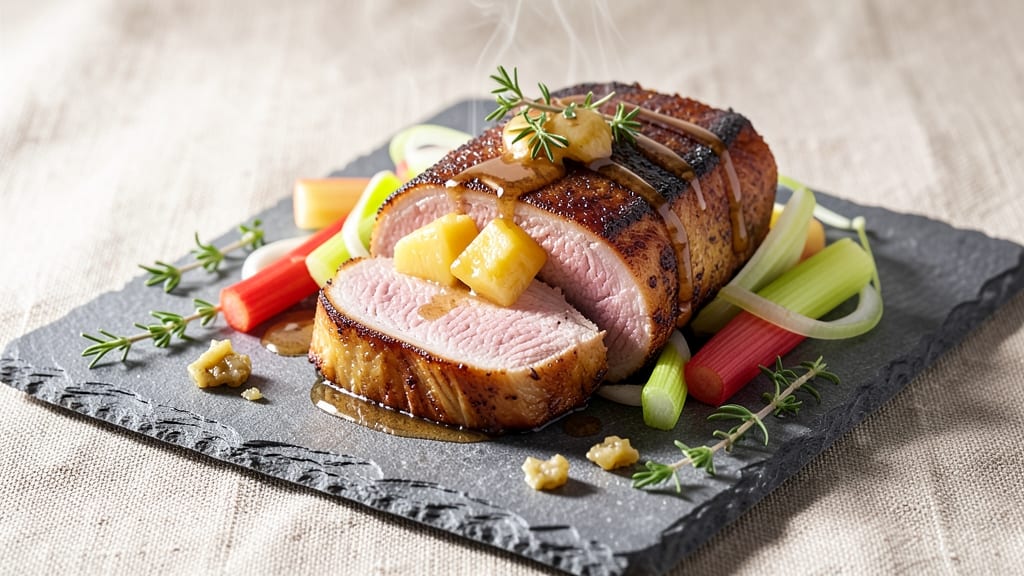
This pineapple stuffed pork tenderloin recipe transforms a simple cut into a showstopper that balances sweet, savory, and crunchy textures—perfect for special occasions or weeknight dinners. 🌟 As someone who's spent years mastering pork at my Atlanta restaurant, I know how to elevate tenderloin beyond the ordinary, and this tropical stuffing adds a bright contrast that keeps every bite exciting.
The secret lies in the stuffing: juicy pineapple chunks, crisp celery, and aromatic herbs create pockets of flavor that infuse the pork as it cooks. While traditional recipes might call for slow roasting, I've perfected a method that delivers tender, juicy meat with caramelized edges—no matter your cooking method.
The pineapple's acidity tenderizes the pork naturally, while the celery adds a satisfying crunch that cuts through the richness.
What you'll end up with is a beautifully seared pork tenderloin that opens to reveal tender meat and vibrant stuffing, all glistened with a light glaze. The contrast of sweet pineapple against the savory pork creates a balance that's both unexpected and irresistible.
This dish is elegant enough for dinner guests but simple enough to make on a busy weeknight.
Pair it with roasted sweet potatoes or a fresh citrus salad to complete the meal. The technique works equally well for grilling, roasting, or pan-searing—just follow the internal temperature guidelines to ensure perfect results every time. Let's get cooking!
Ingredients for pineapple stuffed pork tenderloin
Tender pork meets tropical sweetness with these carefully selected ingredients for restaurant-quality results at home.
| Ingredient | Amount | Notes |
|---|---|---|
| Pork Tenderloin 🐖 | 1 ½ lb | Center-cut, trimmed of fat |
| Fresh Pineapple Chunks 🍍 | 1 ½ cups | Diced, fresh or canned (in juice) |
| Celery Stalks 🧅 | 3 whole | Finely chopped, crisp variety |
| Yellow Onion 🧅 | ½ whole | Diced, sweet variety preferred |
| Fresh Thyme Sprigs 🌿 | 2 whole | Leaves only, finely chopped |
| Garlic Cloves 🧄 | 4 cloves | Minced, fresh preferred |
| Extra-Virgin Olive Oil 🫒 | 2 tbsp | For searing and basting |
| Unsalted Butter 🧈 | 2 tbsp | Cold, for searing |
| Diamond Crystal Kosher Salt 🧂 | 1 ½ tsp | For seasoning and stuffing |
| Freshly Ground Black Pepper 🌶️ | 1 tsp | For seasoning |
| Honey 🍯 | 1 tbsp | For glaze, local preferred |
| Fresh Lemon Juice 🍋 | 1 tbsp | For brightness, freshly squeezed |
| Fresh Rosemary Sprigs 🌿 | 1 whole | Leaves only, finely chopped |
The pork tenderloin is the star—center-cut ensures tenderness, and trimming excess fat guarantees a clean sear. For the best quality, look for USDA Choice or Prime at your local butcher or Whole Foods. If using frozen pineapple, thaw it overnight in the fridge—fresh pineapple has more vibrant flavor and releases juices better during cooking. The celery should be crisp, not rubbery, and organic if possible to avoid bitterness. For the herbs, fresh thyme and rosemary from a trusted source like Costco's bulk section or your local farmers' market will elevate the dish significantly.
No fresh pineapple? Canned pineapple in juice (not syrup) works in a pinch—just drain and pat dry. Swap the celery for fennel if you prefer a sweeter crunch, though celery's earthiness balances the sweetness better. Substitute dried thyme at one-third the amount if fresh isn't available, but fresh is ideal. For the glaze, maple syrup can replace honey for a vegan option, though honey adds depth. The olive oil should be extra-virgin—California or Italian varieties from Trader Joe's or Whole Foods work exceptionally well. If you're short on time, pre-chop the celery and onion while the pork rests after stuffing.
Stuffed pork keeps best in the fridge for 2 days if fully cooked, though it reheats beautifully—wrapped in foil at 350°F for 10 minutes. For make-ahead prep, stuff the tenderloin up to 12 hours ahead and refrigerate uncovered on a tray to prevent moisture buildup. The glaze can be made a day in advance and reheated gently. Freeze cooked portions for up to 3 months—thaw overnight in the fridge before reheating. Always use a meat thermometer to confirm 145°F internal temperature for safe, juicy results.
Why You'll Love This Recipe
- One-Pan Magic: I swear by this recipe because it’s almost foolproof—just sear the pork, stuff it with pineapple and herbs, and let the oven do the work. No chopping boards full of mess, just that sweet-tart pineapple caramelizing right into the meat while celery and onion soften into a fragrant base.
- Sweet-Savory Balance: That first bite? Pure contrast—juicy pork with bright pineapple chunks cutting through the richness, all wrapped in thyme’s earthy warmth. Honestly, the way the pineapple stays just tender enough while the pork gets that perfect crust? It’s the kind of dish that makes you close your eyes.
- Weeknight or Company: Between us, this is my go-to for both lazy nights and when unexpected guests show up. Slice it for sandwiches the next day, serve it whole for a showstopper, or even double the batch—it reheats like a dream. (Yes, even on a Tuesday night.)
- Budget-Friendly Luxury: Pork tenderloin is lean but satisfying, and pineapple stretches farther than you’d think when chopped into the filling. I’ll be real: it feels fancy without the grocery bill for fancy ingredients. Plus, leftovers? They’re basically pork tenderloin sliders with a tropical twist.
Step-by-step instructions for pineapple stuffed pork tenderloin
Master this technique and you'll achieve a perfectly tender, juicy pork tenderloin with tropical sweetness.
👨🍳 Step 1: Prepare the Filling and Create Cavities
Start by preheating your oven to 375°F. In a medium bowl, combine the 1.5 cups fresh pineapple chunks, 3 finely chopped celery stalks, 0.5 diced yellow onion, leaves from 2 fresh thyme sprigs, 4 minced garlic cloves, 1 tbsp honey, 1 tbsp fresh lemon juice, and leaves from 1 fresh rosemary sprig. Mix gently—just until the ingredients are evenly distributed. This filling balances sweet, tart, and herbal notes that will infuse the pork beautifully.
Next, create cavities in the 1.5 lb pork tenderloin using a sharp boning knife. Make two parallel cuts about 1 inch apart along the length of the tenderloin, being careful not to cut all the way through. Gently open the slits to create a pocket. Stuff the filling mixture firmly into the cavity, pressing it down to ensure even distribution. The filling should be visible through the slits—this guarantees flavor penetration during cooking.
🔥 Step 2: Sear the Pork for Maximum Flavor
Heat a large oven-safe skillet over medium-high heat. Add 2 tbsp extra-virgin olive oil and 2 tbsp cold unsalted butter, allowing the butter to foam slightly before adding the pork. Sear the stuffed tenderloin for 3-4 minutes per side until it develops a deep golden brown crust. This searing step creates a flavorful barrier that locks in juices during roasting.
While searing, I like to baste the pork occasionally with the rendered butter and oil using a spoon. This keeps the exterior moist while building that coveted crust. The pork should release easily from the pan when ready to transfer—if it sticks, let it cook another 30 seconds before attempting to flip. Don't rush this step; patience here ensures a perfect sear.
🥘 Step 3: Roast to Perfect Medium-Rare
Transfer the seared pork to a baking sheet lined with parchment paper. Place it seam-side down to maintain shape during cooking. Roast in the preheated 375°F oven for 20-25 minutes, or until the internal temperature reaches 145°F when measured with a meat thermometer. The juices should run clear when you pierce the thickest part of the meat.
Here's where timing matters most: pork continues cooking after removal from heat, so pull it out when it reaches 145°F—not 160°F. The residual heat will carry it to perfect medium-rare doneness. Tent the pork loosely with aluminum foil and let it rest for 10-15 minutes before slicing. This resting period allows the juices to redistribute, ensuring each bite is moist and flavorful.
🍽️ Step 4: Create the Honey-Glaze and Serve
While the pork rests, return the baking sheet to the oven on broil for 2-3 minutes. In a small bowl, combine 1 tbsp honey with 1 tbsp fresh lemon juice. Brush this glaze generously over the pork just before serving. The broiler will caramelize the glaze, creating a beautiful glossy finish while adding a touch of sweetness to complement the tropical filling.
Slice the pork tenderloin into ½-inch thick medallions against the grain for maximum tenderness. Arrange the slices on a warm platter and spoon any accumulated pan juices over the top. The filling should be slightly caramelized with visible pineapple chunks, while the pork itself should be juicy with a perfect pink center. Serve immediately with roasted vegetables or a fresh tropical salad to complete the dish.
Pro Tips For Making Pineapple Stuffed Pork Tenderloin
- Dry the Pineapple First: Fresh pineapple releases juice like a water balloon—skip the soggy stuffing. Pat the chunks with paper towels, then sprinkle lightly with salt and let them sit for 10 minutes. This keeps your pork from turning into a pineapple stew.
- Score the Meat Deeply: A shallow cut lets the stuffing peek out like a bad haircut. Use a sharp knife to make 4-5 vertical slashes, about 1 inch deep, all the way through the tenderloin. This guarantees even cooking and keeps the filling locked in.
- Sear the Stuffed Side Down: After stuffing, place the pork seam-side down in the pan. The extra contact surface means better browning and a tighter seal—no pineapple escape during cooking. High heat for 2 minutes, then flip and finish low.
- Use a Meat Thermometer: Pineapple and thyme make the pork smell done before it actually is. Pull it at 140°F internal temp—it’ll rise another 10°F while resting. No guessing, no overcooked rubber, no undercooked regret.
Common mistakes when making great pineapple stuffed pork tenderloin
Overstuffing the Pork
One of the most common mistakes is packing too much filling into the tenderloin, which can cause the meat to burst open or cook unevenly. I've seen home cooks stuff these tenderloins so tightly that the filling spills out during searing.
The rule of thumb is to fill the cavity no more than 70% full—this ensures the pork cooks evenly while still delivering bold flavor. 🌟
Skipping the Resting Time
After roasting, many people rush to slice the pork immediately, but this is a cardinal sin. Pork continues cooking off the heat, and slicing too soon causes juices to run out, leaving you with dry meat.
Always let the tenderloin rest for 10-15 minutes before slicing—this allows the juices to redistribute throughout the meat. I've made this mistake myself when teaching classes, and the results were disappointing.
Using Frozen Pineapple
While canned pineapple works in a pinch, frozen pineapple is a no-go for stuffing. The ice crystals can dilute the filling and make it watery, which can turn your stuffing into a mushy mess.
If you must use frozen pineapple, thaw it completely in the fridge overnight and pat it completely dry before using. Fresh pineapple is always the best choice—its natural juices caramelize beautifully during cooking.
Incorrect Internal Temperature
Many home cooks pull pork tenderloin out of the oven too early, resulting in undercooked meat. The USDA recommends pork be cooked to an internal temperature of 145°F, but I always aim for 145°F and let it rest to reach the perfect medium-rare doneness.
Using a meat thermometer is non-negotiable—guessing leads to dry, tough meat. I keep a ThermoWorks Smoke in my kitchen at all times for this exact reason.
Not Searing Properly
A shallow sear is another common mistake that robs your pork of its rich, caramelized crust. The key is to use medium-high heat and let the pork develop a deep golden brown color on all sides.
I recommend using a mix of olive oil and cold butter for the best results—the butter adds richness while the oil prevents sticking. If your pork isn't releasing easily from the pan, it's not ready to flip yet.
Overlooking the Glaze Timing
Adding the honey-lemon glaze too early can cause it to burn before the pork is fully cooked. The glaze should be applied just before serving—this ensures it caramelizes perfectly under the broiler without becoming bitter.
I like to broil the pork for 2-3 minutes with the glaze on to create that beautiful glossy finish that makes the dish look restaurant-quality. 🔥
Nutrition facts
Frequently asked questions
Can I use canned pineapple instead of fresh?
Yes, but with one key adjustment: always use pineapple packed in juice (not syrup) and drain it thoroughly before using. Fresh pineapple releases more natural juices during cooking, creating better caramelization, but well-drained canned pineapple works perfectly fine. For extra flavor, add a pinch of cinnamon to the filling mixture to mimic fresh pineapple's depth.
How do I prevent the stuffing from falling out?
Use kitchen twine to secure the tenderloin after stuffing—wrap it around the meat in two places to keep everything contained. Also, don't overstuff the cavity (fill it only 70% full) and make sure the filling is firmly packed. The twine can be removed before serving, but it ensures the filling stays put during cooking.
Can I grill this instead of roasting?
Grilling works beautifully for this dish. Sear the stuffed tenderloin over medium-high heat for 4-5 minutes per side, then finish on indirect heat until the internal temperature reaches 145°F. The grill's char adds fantastic flavor. For best results, use a meat thermometer and let the pork rest for 10-15 minutes before slicing.
What's the best way to reheat leftovers?
Wrap slices in foil and reheat in a 350°F oven for 10-12 minutes or until warmed through. For microwave reheating, use 30-second intervals on medium power, covering with a damp paper towel to retain moisture. Never reheat to a high temperature—keep it gentle to maintain tenderness.
How can I make this dish more elegant for guests?
Serve the sliced tenderloin on a warm platter with a drizzle of the honey-lemon glaze and fresh pineapple slices arranged around it. Garnish with fresh thyme sprigs and a sprinkle of flaky sea salt. For extra presentation, use a ring mold to create perfectly shaped medallions before slicing.