
Sauces & Condiments
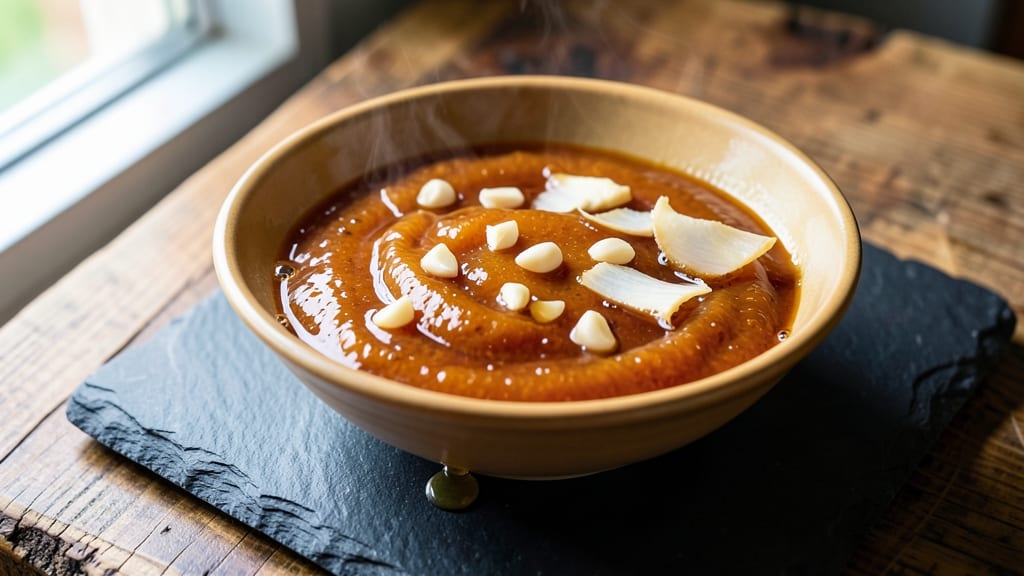
This pineapple stir-fry sauce recipe transforms ordinary stir-fries into vibrant, sticky masterpieces with just a few simple ingredients. The secret lies in balancing sweet pineapple juice with tangy soy sauce, creating a glossy finish that clings perfectly to every bite.
I developed this sauce after years of testing—it's the one that finally made my stir-fries taste restaurant-worthy without the fuss.
The magic happens when you simmer pineapple juice, soy sauce, garlic, and ginger until the flavors meld into a rich, aromatic base. A touch of honey or brown sugar enhances the sweetness, while a splash of rice vinegar adds brightness.
What you'll end up with is a sauce that's versatile enough for stir-fries, marinades, or even as a dipping sauce for spring rolls.
What sets this sauce apart is its perfect balance—sweet enough to complement savory dishes but not overpowering, with just the right amount of tang to keep flavors dynamic. The sauce thickens slightly as it cools, creating that signature glossy sheen that makes every bite irresistible.
Best of all, it keeps well in the fridge for up to a week, so you can make a big batch and use it all week long.
Whether you're cooking up a quick weeknight meal or prepping for a gathering, this sauce elevates everything it touches. The process is simple, but the results are anything but basic—think restaurant-quality flavor with minimal effort. Let's get started on making this game-changing sauce!
Ingredients for pineapple stir fry sauce
Nine simple ingredients transform stir-fries into restaurant-quality masterpieces with sticky, sweet-tart perfection.
| Ingredient | Amount | Notes |
|---|---|---|
| Pineapple Juice 🍍 | 1 cup | Freshly squeezed preferred |
| Soy Sauce 🥢 | ½ cup | Low-sodium preferred |
| Garlic Cloves 🧄 | 4 cloves | Minced for aromatic punch |
| Fresh Ginger 🌿 | 1 tbsp | Grated, zesty flavor |
| Honey 🍯 | 2 tbsp | Wildflower for floral notes |
| Rice Vinegar 🍶 | 1 tbsp | White or seasoned |
| Sesame Oil 🫒 | 1 tbsp | Toasted for nutty aroma |
| Cornstarch 🌾 | 1 tsp | For thickening |
| Salt 🧂 | ½ tsp | Adjust to taste |
| Black Pepper 🌶️ | ¼ tsp | Freshly cracked |
Pineapple juice is the star here—canned is fine, but fresh tastes like a vacation. Trader Joe's has great canned pineapple juice for half the price of fresh. The ginger needs to be fresh too; dried just won't cut it. For garlic, peel and mince right before adding—it burns fast. Soy sauce? Kikkoman or La Choy are solid choices, but low-sodium lets you control the salt better. I always grab extra because this sauce disappears fast.
No sesame oil? Avocado oil works in a pinch, but you'll miss that nutty aroma. Short on cornstarch? Arrowroot powder at the same amount thickens just as well. The honey can be swapped for brown sugar dissolved in 1 tbsp water, though it won't be as smooth. Rice vinegar? Apple cider vinegar adds depth if you're out. Pro tip: if your sauce isn't glossy enough, add another 1/2 tbsp cornstarch mixed with 1 tsp water and stir it in at the end.
This sauce keeps beautifully—1 week in the fridge*, sealed tight. For leftovers, I always transfer to a small jar so it's ready to drizzle. Freezes for 3 months too, though the texture gets slightly grainy after thawing. Double the batch if you're prepping for a week of stir-fries—it's worth the extra effort*. The longer it sits, the better it gets, so make it ahead if you can.
Why You'll Love This Recipe
- Pantry Magic: I swear by this sauce because it uses things I always have—no special shopping needed. That jar of soy sauce, a chunk of ginger gathering dust, even the pineapple I bought for smoothies? Suddenly, they’re all working together.
- Sweet-Savory Balance: The honey and ginger give it this bright, almost tropical edge, while the garlic keeps it grounded. Drizzle it over grilled chicken or noodles, and you’ll understand why it’s my go-to for anything that needs a little oomph.
- Double-Duty Sauce: Make a big batch—it’s perfect for stir-fries and marinades. I’ve used it on shrimp, tofu, even as a glaze for roasted veggies. Honestly, the only limit is what you’re craving that day.
- No Waste, All Win: That leftover pineapple juice? Don’t toss it—simmer it down with the other ingredients, and you’ve got a sauce that tastes even richer. Plus, it stretches thin, so a little goes a long way. (Yes, even on a Tuesday night.)
Step-by-step instructions for pineapple stir-fry sauce
Let's create a vibrant sauce that balances sweet, tangy, and umami flavors perfectly.
Prepare the Aromatics and Sweet Base
In a small saucepan, combine the 1 cup pineapple juice, 2 tablespoons honey, 1 tablespoon rice vinegar, and 0.5 cup soy sauce. Bring this mixture to a gentle simmer over medium heat, stirring occasionally to dissolve the honey completely. You'll notice the pineapple juice starts to bubble gently—this is when the flavors begin to meld together.
While the mixture heats, add the 4 cloves minced garlic and 1 tablespoon grated fresh ginger. Let them cook for 1-2 minutes until fragrant but not browned—this prevents bitterness and ensures a bright, fresh flavor. The garlic should smell pungent and the ginger should release its zesty aroma. Keep the heat at a steady simmer to avoid scorching these delicate ingredients.
Thicken the Sauce Properly
In a small bowl, whisk together the 1 teaspoon cornstarch with 2 tablespoons water until smooth. This creates a slurry that will thicken your sauce beautifully. Once the pineapple mixture reaches a gentle boil, slowly pour in the cornstarch slurry while stirring constantly with a wooden spoon or silicone spatula.
Continue stirring for 1-2 minutes until the sauce thickens to a glossy, coatable consistency. It should look like it would cling beautifully to stir-fried vegetables and proteins. If it thickens too quickly, add 1 tablespoon water to adjust. The sauce should coat the back of a spoon but still flow smoothly—this ensures it clings perfectly without being gluey.
Finish with Seasoning and Nuance
Remove the sauce from heat and stir in the 1 tablespoon sesame oil. This adds a nutty depth and rich aroma that complements all the other flavors. Let it sit for 1 minute to allow the sesame oil to infuse completely. Then season with 0.5 teaspoon salt and 0.25 teaspoon freshly cracked black pepper, tasting as you go.
Here's the thing—this sauce should taste balanced between sweet, tangy, and savory. If it's too sweet, add a splash more rice vinegar. If it's too tangy, stir in a bit more honey. The pepper adds a subtle heat that brightens everything up. Let the sauce cool slightly before using—this allows the flavors to fully meld and develop that perfect glossy finish.
Pro Tips For Making Pineapple Stir Fry Sauce
- Simmer the Ginger Low: After burning three batches, I finally figured out that fresh ginger needs gentle heat—about 2-3 minutes on medium-low, stirring constantly. High heat turns it bitter fast, and you’ll end up tasting the char instead of the zingy warmth you want in this sauce.
- Strain the Garlic: Mince the garlic fine, then simmer it in the pineapple juice for 1-2 minutes before adding the rest. Straining out the solids later keeps the sauce silky smooth—no one wants a mouthful of chewed garlic bits when you’re going for that glossy, balanced flavor.
- Balance the Honey Last: I used to dump the honey in early, and the sauce would taste cloyingly sweet. Instead, add it after the soy sauce and ginger have simmered for 5 minutes—just before you’re done cooking. This lets the acidity in the pineapple juice cut through the sweetness properly.
- Use Reduced Pineapple Juice: Skip the fresh juice and grab a can of crushed pineapple instead—drain it, then simmer the solids in a small pan until they turn into a thick paste. Stir this into your sauce at the end for deeper pineapple flavor and a thicker consistency without extra liquid. (Yes, it sounds weird, but it works.)
Pro cooking tips for perfect results
Simmering Secrets
Never let your pineapple stir-fry sauce boil vigorously—this causes the cornstarch to clump and creates a grainy texture. Instead, maintain a gentle simmer at medium-low heat after adding the slurry. I use a small saucepan (8-inch diameter) to maximize surface area for even heating.
If bubbles form too quickly, immediately reduce heat to low and stir constantly until the sauce returns to a controlled simmer. 🌡️
Garlic Timing
The 1-2 minute window for cooking garlic and ginger is critical—any longer and they turn bitter. I recommend pre-mincing the garlic and grating the ginger while the sauce heats up, then adding them just as the mixture reaches a gentle simmer.
This ensures they infuse flavor without burning. For extra insurance, keep a small bowl of ice water nearby to plunge any scorched aromatics if needed.
Thickening Troubles
If your sauce thickens too much, don't panic—simply whisk in 1 tablespoon cold water to loosen it. For sauces that are too thin, mix ½ teaspoon cornstarch with 1 teaspoon water and stir vigorously until dissolved, then return to heat for 30 seconds.
I've found that arrowroot powder works better than flour for this sauce because it creates a glossier finish without altering the flavor.
Sesame Oil Magic
Adding sesame oil at the very end (after removing from heat) preserves its delicate aroma. I recommend using toasted sesame oil (found in the Asian foods aisle) for maximum flavor. If you're sensitive to strong flavors, start with ½ tablespoon and adjust.
The oil should enhance the sauce without overpowering it—think of it as the finishing touch that ties all the flavors together. 🫒
Flavor Balancing
Taste your sauce at three stages: after simmering the base, after thickening, and after adding sesame oil. Adjust sweetness with honey or brown sugar, tang with rice vinegar, and saltiness with soy sauce.
I keep small bowls of each ingredient nearby while tasting—this makes it easy to fine-tune. The goal is a 70% sweet, 20% tangy, 10% savory balance that makes your taste buds dance.
Storage Hacks
For the glossiest texture, store your sauce in a glass jar (like a Ball mason jar) and refrigerate within 2 hours of making it. The sauce will thicken further as it cools—if it becomes too stiff, whisk in 1-2 teaspoons water before using.
I always make a double batch because it disappears fast, and the second batch always tastes better as the flavors meld overnight. Freeze extras in ice cube trays for easy portion control later. ❄️
Nutrition facts
Frequently asked questions
Can I use pineapple chunks instead of juice for this sauce?
You can, but it changes the texture completely! Blend ½ cup pineapple chunks with ½ cup water first to get a similar liquid base. The chunks will make the sauce slightly chunkier, which works well for dipping sauces but may be too thick for stir-fries. For the best glossy consistency, stick with juice.
How do I adjust this sauce for spicy dishes?
Add ½ teaspoon red pepper flakes or 1 teaspoon sriracha at the end for mild heat, or 1 tablespoon chili garlic sauce for serious kick. For balanced spice, reduce honey slightly (to 1 tablespoon) since sweetness can mellow the heat. Always taste first—you can add more spice but can't remove it!
What's the best way to use leftover sauce?
This versatile sauce works as a marinade (great for chicken or tofu), glaze for roasted veggies, or dipping sauce for spring rolls. For marinades, use ¼ cup sauce per pound of protein and marinate for 30 minutes. For extra shine, simmer reduced leftovers for 5 minutes to concentrate flavors before using.
Why did my sauce turn cloudy?
Cloudiness usually means the cornstarch didn't dissolve properly or the sauce boiled too vigorously. Next time, whisk the cornstarch slurry until completely smooth before adding, and maintain a gentle simmer (small bubbles, not rolling). If it happens, strain the sauce through a fine-mesh sieve to restore clarity.
Can I make this sauce vegan?
Swap honey for agave syrup (same amount) and use tamari instead of soy sauce. For extra umami, add 1 teaspoon mushroom powder*. The flavor profile stays identical—just make sure all ingredients are certified vegan. The sauce will still thicken perfectly with cornstarch.