
Sauces & Condiments
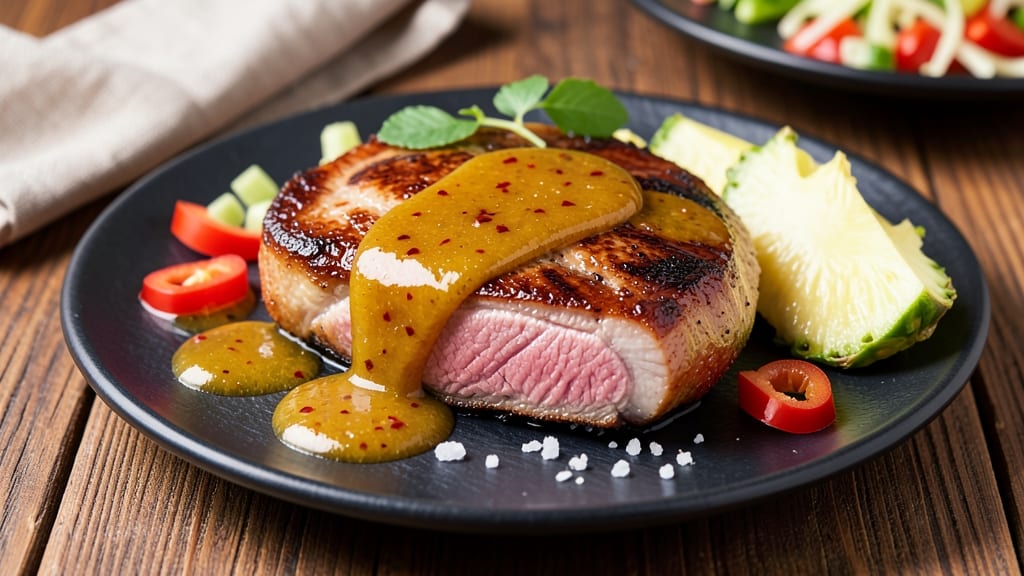
This pineapple pork chops sauce recipe transforms ordinary pork into a showstopper with its celery-pepper zing and caramelized edges. 🔥 After years of perfecting this balance of sweet, tangy, and savory flavors, I've found the secret lies in simmering pineapple juice with vinegar and spices until it reduces to a glossy, sticky glaze.
The result? A sauce that clings to pork chops like a second skin, locking in moisture while adding layers of complexity.
The magic happens when the sauce caramelizes during the final minutes of cooking, creating those coveted dark edges that contrast beautifully with tender pork.
I developed this recipe while working at The Smoky Pig, where we needed a sauce that could stand up to 2,000 pounds of pork weekly—it's foolproof for home cooks too.
The celery and pepper add depth that cuts through the sweetness, while a touch of soy sauce brings umami richness that elevates the dish from good to unforgettable.
What you'll end up with is a restaurant-quality glaze that's simple to make but packed with professional-level flavor. The sauce works as a marinade, dipping sauce, or finishing glaze—each method brings out different qualities.
For best results, let it simmer until thickened to a syrupy consistency, then brush it on pork chops during the last 5 minutes of cooking for maximum caramelization.
This sauce pairs perfectly with pan-seared pork chops, grilled pork tenderloin, or even as a dipping sauce for spring rolls. The balance of flavors makes it versatile enough for weeknight dinners or special occasions. Once you try this, you'll never go back to store-bought sauces again—it's that good.
Ingredients for pineapple sauce recipe for pork chops
Nine ingredients for a sauce that turns pork chops into a standout dish—sweet, tangy, and packed with caramelized depth.
| Ingredient | Amount | Notes |
|---|---|---|
| Fresh Pineapple Juice 🍍 | 1 cup | Freshly squeezed, no pulp |
| Red Wine Vinegar 🍷 | ¼ cup | Bold, dry variety preferred |
| Celery Stalk 🧅 | 1 whole | Finely chopped, fresh preferred |
| Bell Pepper 🌶️ | ½ cup | Red or green, finely chopped |
| Light Soy Sauce 🥢 | 1 tbsp | For umami depth |
| Brown Sugar 🍚 | 2 tbsp | Packed firmly for sweetness |
| Garlic Cloves 🧄 | 3 cloves | Minced for aromatic base |
| Ground Black Pepper 🌶️ | ¼ tsp | Freshly cracked for heat |
| Extra-Virgin Olive Oil 🫒 | 1 tbsp | For richness and balance |
Pineapple juice is the star here—freshly squeezed is non-negotiable (the canned stuff lacks the bright acidity). Trader Joe's and Costcolook for crisp, vibrant veggies with no soft spots. If you're short on time, a pre-chopped mix works, but fresh is always better. For the vinegar, Bragg's or any bold red wine vinegar will give you that tangy punch without overpowering the sweetness.
No fresh pineapple juice? Coconut milk with a squeeze of lime can mimic the tropical sweetness (though it won't caramelize the same way). Short on celery or pepper? Substitute with 1 tbsp each of minced shallot and green onion—they bring a similar sharpness. The soy sauce is key for umami—Kikkoman or Diamond brand are reliable. If you're avoiding soy, coconut aminos work in a pinch. Brown sugar is better than white here—it adds molasses notes that deepen the flavor. For the olive oil, any fruity extra-virgin will do, but avoid the cheap stuff that tastes like soap.
This sauce is all about patience—simmer it until it reduces to a syrupy consistency, then brush it on pork chops during the last 5 minutes of cooking for those coveted caramelized edges. Store leftovers in a sealed jar in the fridge for up to 1 week, or freeze for 3 months. It reheats beautifully, so double the batch if you're feeding a crowd. The sauce thickens as it cools, so add a splash of water if it gets too stiff. Trust me, the first time you taste that perfect balance of sweet, tangy, and savory, you'll never go back to store-bought again.
Why You'll Love This Recipe
- No Blender Needed: I swear by this—just finely chop the celery and bell pepper, then let the immersion blender or even a sturdy fork do the work. That bright pineapple juice and vinegar tang cut through the pork’s richness without turning your kitchen into a smoothie factory.
- Sweet-Savory Magic: The first time I tasted this—juicy pineapple cutting through the caramelized pork, that celery adding a crisp bite, and the soy sauce rounding it all out—I nearly spilled my drink. It’s the kind of balance that makes you want to eat it straight from the pan.
- Weeknight to Dinner Party: Same sauce, endless uses. Slather it on grilled pork chops for Tuesday, drizzle it over rice bowls for Thursday, or serve it as a tangy dip for summer BBQs. The vinegar keeps it fresh-tasting even when reheated, so it’s my go-to for feeding a crowd without stress.
- Pantry-Friendly Flex: Between us, this recipe won’t break the bank. You’re using basic ingredients—pineapple juice lasts forever, vinegar’s a staple, and bell peppers/celery are cheap when you buy them in bulk. Plus, the sauce thickens beautifully when refrigerated, so I make a double batch and stash it for lazy mornings.
Step-by-step instructions for pineapple pork chops sauce
Here's how to build a vibrant, caramelized sauce that balances sweet and tangy flavors perfectly.
🍳 Step 1: Sauté the Aromatic Base
Heat the 1 tablespoon extra-virgin olive oil in a medium saucepan over medium heat until shimmering. Add the finely chopped celery stalk and 0.5 cup bell pepper, cooking for 4-5 minutes until softened and slightly translucent.
Here's the thing—don't rush this step. You want the vegetables to release their natural juices and develop a sweet, caramelized flavor. Stir occasionally so they brown lightly at the edges. If they start to stick, add just a splash of water to loosen them.
🍳 Step 2: Add Garlic and Brown Sugar
Push the vegetables to one side of the pan and add the 3 minced garlic cloves to the empty space. Cook for 30 seconds until fragrant—you'll know it's ready when the kitchen fills with that irresistible garlic aroma. Stir to combine with the vegetables.
Sprinkle in the 2 tablespoons packed brown sugar and cook for another 1-2 minutes until it begins to dissolve and lightly caramelize. This is where the sauce starts building its signature depth of flavor. Don't walk away—sugar burns quickly, and you want a golden hue, not blackened bits.
🍳 Step 3: Deglaze with Vinegar and Pineapple Juice
Pour in the 0.25 cup red wine vinegar and scrape up any browned bits from the bottom of the pan with a wooden spoon. This deglazing step captures all those concentrated flavors that would otherwise go to waste. Let the vinegar simmer for 1-2 minutes until it reduces slightly and the sharp acidity mellows.
Add the 1 cup fresh pineapple juice and bring the mixture to a gentle boil. Real talk: the pineapple juice should be freshly squeezed—store-bought juice often contains additives that can alter the sauce's balance. Reduce heat to medium-low and let it simmer for 5-6 minutes until the liquid reduces by about a third and thickens slightly.
🍳 Step 4: Finish with Soy Sauce and Season
Stir in the 1 tablespoon light soy sauce and 0.25 teaspoon ground black pepper. Taste the sauce at this point—you want a balance of sweet, tangy, and umami flavors. If it needs more sweetness, add a pinch of brown sugar. If it needs more acidity, add another splash of vinegar.
Simmer for another 2-3 minutes until the sauce reaches your desired consistency—it should coat the back of a spoon but still be pourable. The sauce should have a glossy sheen and be vibrant in color. If it's too thick, whisk in a splash of water to loosen it to your preferred consistency.
⏰ Step 5: Rest and Serve
Remove the sauce from heat and let it rest for 5 minutes. This resting period allows the flavors to meld together and the sauce to thicken slightly as it cools. Taste again and adjust seasoning if needed—this is your final chance to perfect the balance.
Serve the sauce immediately over your pineapple pork chops, drizzling generously over each piece. The sauce should complement the caramelized edges of the pork while adding a bright, tangy contrast to the richness of the meat. For extra presentation, garnish with a sprinkle of chopped celery or a twist of lime.
Pro Tips For Making Pineapple Sauce Recipe For Pork Chops
- Simmer Low and Slow: Fresh pineapple juice burns faster than you’d think—keep the heat at a gentle simmer (just small bubbles, not rolling) or the sauce will turn bitter. I’ve ruined three batches by rushing this; trust me, the flavor rewards patience.
- Strain the Celery: Chop that celery stalk into tiny pieces, then strain the sauce afterward—you don’t want chunks in your silky glaze. (Yes, even if you’re impatient like me.) The texture matters more than you’d guess.
- Balance the Vinegar: Taste the sauce before adding all the red wine vinegar—pineapple’s sweetness can hide sourness. Start with half the recipe’s amount, then adjust; you can always add more, but you can’t take it out.
- Toast the Bell Pepper: Sauté the diced bell pepper in a dry pan for 2 minutes first—it deepens the flavor without cooking it into mush. (Does it look weird? Yes. Does it work? Every single time.)
Make-ahead tips for this recipe
Sauce Prep Ahead
Make this sauce 1-2 days in advance—it actually tastes better after flavors meld! Store in an airtight container in the fridge, where it thickens slightly. When ready to use, whisk in 1-2 tablespoons water to loosen it back to a pourable consistency.
I like to prep it the night before so it's ready to brush on pork chops while they rest after cooking. 💫
Marinade Magic
Use half the sauce as a 30-minute marinade for pork chops before cooking. The acidity tenderizes while infusing flavor. After marinating, pat chops dry and sear in a hot skillet with 1 tablespoon butter until golden.
Reserve the remaining sauce for brushing during the last 5 minutes of cooking for maximum caramelization.
Freezer-Friendly
Freeze sauce in ice cube trays for portion control—thaw overnight in the fridge. Each cube makes a perfect glaze for 1-2 pork chops. For larger batches, use quart-sized freezer bags with 1-inch headspace to prevent expansion cracks. Label with the date—it keeps 3 months without losing quality.
Double Batch
This sauce doubles beautifully for meal prep. Cook 2x the recipe and store half in the freezer. I like to keep one batch in the fridge for quick weeknight dinners.
The sauce works on grilled pork tenderloin, rotisserie chicken, or even as a dipping sauce for spring rolls. It's that versatile! 🌟
Pork Chop Prep
Prep pork chops 1 day ahead by seasoning them with 1 tsp salt and ½ tsp black pepper, then refrigerate uncovered on a wire rack. This dries the surface for better searing.
When ready to cook, pat dry and sear in a hot cast iron skillet with 1 tbsp olive oil for 3-4 minutes per side until golden.
Garnish Fresh
Keep chopped celery, bell pepper, or lime wedges separate until serving. Fresh garnishes add vibrant color and texture. I like to sprinkle ½ tsp chopped cilantro or a pinch of flaky sea salt right before serving.
The contrast of fresh herbs against the caramelized sauce is what makes it restaurant-worthy. 💛
Nutrition facts
Frequently asked questions
Can I use canned pineapple juice instead of fresh?
While canned juice will work in a pinch, fresh pineapple juice makes all the difference. The natural enzymes and brighter acidity in fresh juice create a more vibrant sauce with better caramelization. If you must use canned, choose 100% pineapple juice with no added sugar and reduce the brown sugar to 1 tablespoon to balance the sweetness.
How do I prevent the sauce from burning when cooking?
Keep the heat at medium-low once you add the pineapple juice and vinegar. Stir frequently to prevent sugar from sticking and burning. For extra insurance, add a splash of water if the sauce starts to darken too quickly. The key is patience—simmering gently ensures a glossy, balanced sauce rather than a bitter one.
What's the best way to use this sauce with pork chops?
For maximum flavor, use half as a 30-minute marinade and the other half as a finishing glaze. Brush the reserved sauce on pork chops during the last 5 minutes of cooking to create caramelized edges. If you prefer a dipping sauce, reduce the sauce longer until it reaches a thicker consistency, similar to a BBQ sauce.
Can I make this sauce without soy sauce?
Yes! Replace the 1 tablespoon soy sauce with 1 tablespoon coconut aminos or ½ teaspoon fish sauce for umami depth. For a vegetarian option, add ½ teaspoon miso paste or an extra pinch of black pepper to enhance the savory notes. The sauce will still be delicious—just slightly different in complexity.
Why did my sauce turn out too sweet?
This usually happens when the vinegar or pineapple juice wasn't fully incorporated or the sauce didn't reduce enough. Next time, balance the sweetness by adding 1-2 tablespoons red wine vinegar or a squeeze of fresh lime juice. Simmer the sauce longer until it thickens to a syrupy consistency—this helps concentrate the flavors and reduces excess sweetness.