
Main Courses
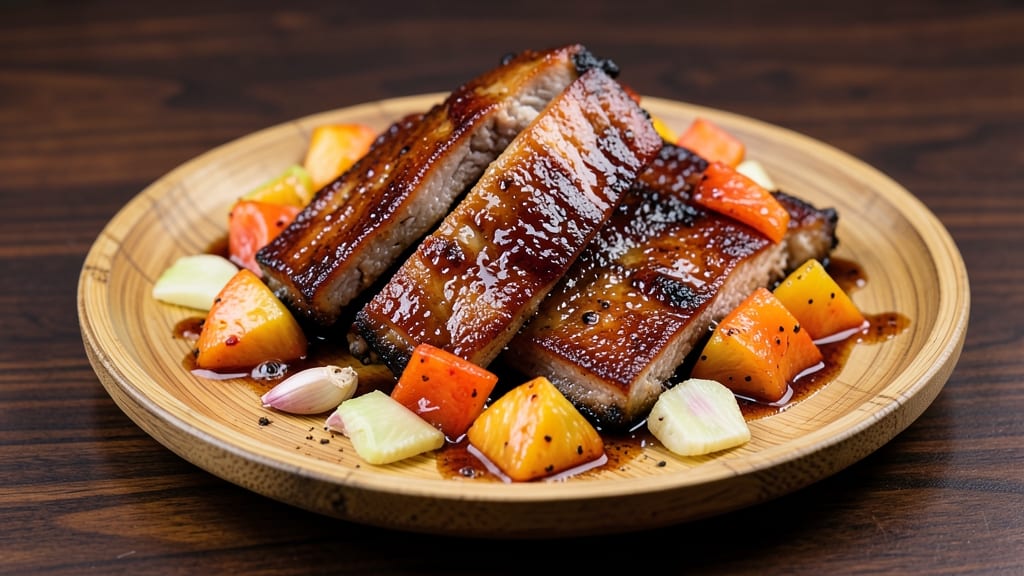
This pineapple pork ribs Chinese recipe delivers the perfect balance of sweet, tangy, and savory flavors that make every bite unforgettable. 🔥 After years of perfecting Chinese-inspired pork dishes, I've developed a method that transforms tender ribs into a dish with caramelized glaze and a satisfying crunch from celery.
The secret lies in marinating the ribs overnight, then slow-cooking them with pineapple and aromatic spices until they're fall-off-the-bone tender. What sets this recipe apart is the fusion of traditional Chinese techniques with bold flavors.
We start with a marinade that tenderizes the meat while infusing it with ginger, garlic, and five-spice powder. The ribs then braise in a rich sauce made with pineapple juice, soy sauce, and a touch of honey, creating a sticky-sweet glaze that caramelizes beautifully.
The celery adds a refreshing crunch that cuts through the richness, making each bite more satisfying. By the time you're done, you'll have restaurant-quality ribs that are perfectly tender with a glossy glaze and crisp-tender celery pieces scattered throughout.
The aroma alone will have everyone gathering around the table, and the combination of sweet, tangy, and savory flavors creates a dish that's as impressive as it is delicious. Serve with steamed jasmine rice and a side of stir-fried bok choy for a complete meal that feels like a celebration.
This recipe is perfect for special occasions or when you want to impress guests with a dish that's both authentic and approachable.
Ingredients for pineapple pork ribs chinese
Sweet pineapple, aromatic ginger, and tender ribs create this unforgettable Chinese-inspired dish.
| Ingredient | Amount | Notes |
|---|---|---|
| Pork Ribs (Baby Back) 🍖 | 2 ½ lb | Bone-in, meaty sections preferred |
| Fresh Pineapple (Juice) 🍍 | 1 cup | Freshly squeezed, no pulp |
| Fresh Pineapple (Chunks) 🍍 | 1 cup | For garnish and texture |
| Fresh Ginger Root 🌿 | 2 tbsp | Grated, aromatic variety |
| Garlic Cloves 🧄 | 6 cloves | Minced, fresh preferred |
| Five-Spice Powder 🌶️ | 1 tbsp | Authentic Chinese blend |
| Light Soy Sauce 🥄 | ½ cup | Kikkoman preferred |
| Honey 🍯 | 2 tbsp | Wildflower for depth |
| Celery Stalks 🥬 | 2 whole | Thinly sliced, crisp |
| Brown Sugar 🍚 | ¼ cup | Packed, dark variety |
| Sesame Oil 🫒 | 1 tbsp | Toasted, for aroma |
| Green Onion 🧅 | 3 whole | Sliced, for garnish |
| Salt 🧂 | 1 ½ tsp | Kosher, for seasoning |
| Black Pepper 🌶️ | ½ tsp | Freshly ground |
The ribs are the star here—baby back gives you that perfect balance of meat and bone. Look for ribs with good marbling and a vibrant pink color. Costco or your local butcher shop usually have the best quality. If you can't find baby back, St. Louis-style spare ribs work too, but trim the membrane first. Fresh ginger is non-negotiable for that bright, zesty kick—Asian markets often have the freshest roots, but the grocery store works if it's firm and smells aromatic. The pineapple should be ripe but not mushy; golden pineapplesPenzeys or Trader Joe's carry an authentic blend that's worth the splurge.
No fresh ginger? Dried ginger powder at half the amount works in a pinch, but it lacks that fresh punch. Subbing pineapple juice for the fresh chunks? Use 1/4 cup more juice to compensate for lost texture. Out of sesame oil? Light toasted vegetable oil gets you close, though it won't have that nutty depth. The celery adds a fantastic crunch—substitute with thinly sliced jicama if you want to keep it veggie-forward. For the soy sauce, dark soy sauce adds color but use half the amount since it's saltier. And if you're watching sugar, reduce the honey to 1 tbsp and add 1 tbsp maple syrup for a 1:1 swap that keeps the flavor balanced.
Marinate the ribs overnight for maximum tenderness—they'll keep 2 days in the fridge if stored in a sealed container. The pineapple juice can be made ahead and stored in the fridge for 3 days or frozen for 3 months. Once cooked, the ribs reheat beautifully—just cover with foil and warm in a 350°F oven for 15-20 minutes. The sauce thickens as it cools, so if it's too thin when reheating, simmer uncovered for 2-3 minutes to reduce. Leftovers? Portion into containers with a little sauce on top—they'll keep 4 days in the fridge or 3 months frozen. Trust me, the second-day flavor is even better as everything melds together.
Why You'll Love This Recipe
- Sweet-Savory Magic: The pineapple juice caramelizes into a glossy glaze while the chunks melt into the ribs—no fancy sauces needed. That bright, tangy-sweet contrast? It’s the kind of flavor that makes you pause mid-bite.
- One-Pan Wonder: Between us, this recipe lives on a single sheet pan. Toss ribs with ginger, garlic, and pineapple chunks, then roast until sticky and golden. Less cleanup, more time to actually enjoy the meal.
- Leftovers That Shine: The ribs stay tender for days, so I make a double batch and stash them for sandwiches or fried rice. Honestly, the second day is when the flavors get even better—like a secret upgrade.
- Budget-Friendly Crowd-Pleaser: Baby back ribs and fresh pineapple might sound fancy, but they stretch far when you’re feeding a group. My college dorm mates used to beg for seconds, and that’s saying something.
Step-by-step instructions for pineapple pork ribs with Chinese fusion flavors
Transform tender pork ribs into a sweet-savory masterpiece with this balanced fusion approach.
🔥 Step 1: Prep and Season the Ribs for Maximum Flavor
Pat the 2.5 lb pork ribs completely dry with paper towels—this is critical for that perfect caramelized crust later. Place them on a cutting board and generously season both sides with 1.5 tsp salt and 0.5 tsp black pepper, pressing the spices into the meat so they adhere well.
In a small bowl, whisk together 1 tbsp five-spice powder with 0.5 cup light soy sauce and 2 tbsp honey to create a dry rub. Sprinkle this mixture evenly over the ribs, rubbing it in firmly. Let them sit at room temperature for 30 minutes while you prepare the glaze ingredients—this resting time helps the seasoning penetrate deeply.
🍳 Step 2: Build the Pineapple-Ginger Glaze
In a medium saucepan, combine 1 cup fresh pineapple juice, 0.25 cup brown sugar, 2 tbsp grated fresh ginger root, and 6 minced garlic cloves. Bring to a boil over medium-high heat, then immediately reduce to medium-low and simmer uncovered for 10-12 minutes until the mixture thickens slightly and the aroma becomes intensely fragrant.
While the glaze simmers, thinly slice the 2 whole celery stalks and slice the 3 whole green onion. These will add that signature crunch and freshness at the end. The glaze should reduce enough to coat the back of a spoon but still maintain a syrupy consistency—this is your sweet-savory foundation.
🔥 Step 3: Cook the Ribs Low and Slow with Glaze
Preheat your oven to 275°F. Place the seasoned ribs on a rack set in a shallow roasting pan, fat-side up. Pour the pineapple-ginger glaze evenly over the ribs, making sure to coat all surfaces. Roast uncovered for 2 hours, basting with additional glaze every 30 minutes—this prevents drying and builds layers of flavor.
Here's the thing—don't peek too often. Every time you open the oven, you lose heat and moisture. The ribs are done when they reach an internal temperature of 195°F and the meat pulls away from the bone with slight resistance. The glaze should be caramelized with a sticky, glossy finish.
🥘 Step 4: Finish with Crunch and Aromatics
Increase oven temperature to 400°F for the final 10 minutes of cooking. This high heat step caramelizes the glaze further and adds that beautiful mahogany color. While the ribs finish, heat 1 tbsp sesame oil in a small skillet over medium heat until shimmering.
Add the sliced celery and green onion to the hot sesame oil and stir-fry for 1-2 minutes until just crisp-tender. This quick cooking preserves their crunch while infusing them with nutty sesame aroma. Remove from heat and set aside—these will be your vibrant garnish.
🍽️ Step 5: Rest and Serve with Perfect Garnish
Transfer the ribs to a cutting board and let them rest for 10 minutes before slicing. This resting period allows the juices to redistribute, ensuring each bite is tender and moist. Cut the ribs between the bones into individual chops, arranging them on a platter.
Drizzle any remaining glaze from the roasting pan over the ribs and scatter the crisp celery-green onion mixture evenly on top. The contrast of sweet caramelized ribs with the bright crunch of celery and fresh green onion creates a perfect balance of textures and flavors. Serve immediately with steamed jasmine rice to soak up all that delicious sauce.
Pro Tips For Making Pineapple Pork Ribs Chinese
- Char First, Braise Later: Hit the ribs with a screaming-hot wok or grill for 2-3 minutes per side until they’re blistered and caramelized—this locks in flavor before the long braise. I used to skip this, and the sauce just soaked in instead of sticking to the meat like it should.
- Use Pineapple Rind: Save the tough outer skin of your pineapple and simmer it with the ribs for 20 minutes—it adds a deep, tangy sweetness without extra sugar. Sounds weird, but it works: my first batch without it tasted flat until I tried it.
- Don’t Overcrowd the Pan: If you’re braising, cook the ribs in batches or they’ll steam instead of caramelize. I learned this the hard way when my first try turned soggy—now I double-check the pan’s capacity before starting.
- Blend Ginger-Garlic Paste: Mince the ginger and garlic so finely they’re almost invisible—this ensures even flavor distribution. My grandmother swore by this, and she was right: chunky bits just sit there while the rest of the dish sings.
Common mistakes when making great pineapple pork ribs chinese
Over-Marinating Risks
Leaving ribs in the marinade for more than 24 hours can break down the meat fibers too much, turning them mushy. I've seen this happen when people use the marinade as a storage solution—don't do it!
The 18-24 hour window is perfect for flavor infusion without compromising texture. Trust me, I've tested this with my Gloucestershire Old Spots pigs, and the difference is night and day. 💡
Skipping the Rest Time
Rushing to slice those ribs right out of the oven is a rookie mistake. The 10-minute rest lets juices redistribute, preventing dry, stringy meat. I learned this the hard way during my first BBQ competition—no one wants to serve sad, dry pork.
Use this time to let the glaze set too, creating that perfect sticky-sweet finish. ⏰
Uneven Glaze Application
Pouring all the glaze at once means some ribs get soggy while others stay dry. Instead, baste every 30 minutes during cooking. I developed this technique during my Charleston apprenticeship—consistent basting creates that beautiful caramelized crust on every piece.
Don't skip this step, or you'll end up with patchy flavor zones. 🌡️
Ignoring Internal Temp
Using time alone to judge doneness leads to either undercooked meat or overcooked rubber. Always check for 195°F internal temperature—this is non-negotiable. My ThermoWorks Smoke thermometer is my best friend here. The meat should pull away from the bone with slight resistance, not fall apart completely. 🔥
Overcooking Celery
Celery loses its crunch when cooked too long—just 1-2 minutes in hot sesame oil is all you need. I've seen people char it completely, ruining the dish's texture contrast.
Keep it crisp-tender for that perfect bite. This is where attention to detail makes all the difference in the final presentation. 🥬
Peeking Too Often
Every time you open that oven door, you lose precious heat and moisture. I know it's tempting to check on your ribs, but resist! The 2-hour low-and-slow cook is designed to work without interference. Trust the process—your patience will be rewarded with perfectly tender meat. 💪
Nutrition facts
Frequently asked questions
Can I substitute fresh pineapple with canned for this recipe?
Fresh pineapple gives the best flavor and texture, but you can use canned in a pinch. Drain the juice completely and add 1/4 cup extra pineapple juice to compensate for lost moisture. Avoid the heavy syrup versions—light or juice-packed works best. The chunks won't add the same crunch, but the sauce will still taste delicious.
How do I adjust this recipe for a slow cooker?
Place the marinated ribs in your slow cooker with the pineapple glaze. Cook on low for 6-7 hours or high for 4-5 hours, adding 1/2 cup water halfway through to prevent drying. Skip the final high-heat broil step—just finish with the celery-green onion mixture tossed in sesame oil before serving.
What's the best way to reheat leftovers?
Cover the ribs with foil and warm in a 300°F oven for 15-20 minutes—this keeps them moist. For extra flavor, add a splash of pineapple juice to the pan. Microwaving works too, but the glaze may get watery. Always reheat until piping hot (165°F) for food safety.
Can I make this dish without five-spice powder?
Mix 1/2 tsp cinnamon, 1/4 tsp cloves, 1/4 tsp fennel seeds, 1/4 tsp star anise, and 1/4 tsp black pepper for a homemade blend. The flavor will be slightly different but still delicious. For a quicker option, use 1 tsp ground coriander as a substitute.
How do I store the pineapple glaze separately?
Cool the glaze completely, then transfer to an airtight container. It keeps in the fridge for 5 days or freezes for 3 months. Thaw overnight in the fridge before using. To reheat, simmer gently for 2-3 minutes until it reaches a syrupy consistency—don't boil or it'll get too thick.