
Main Courses
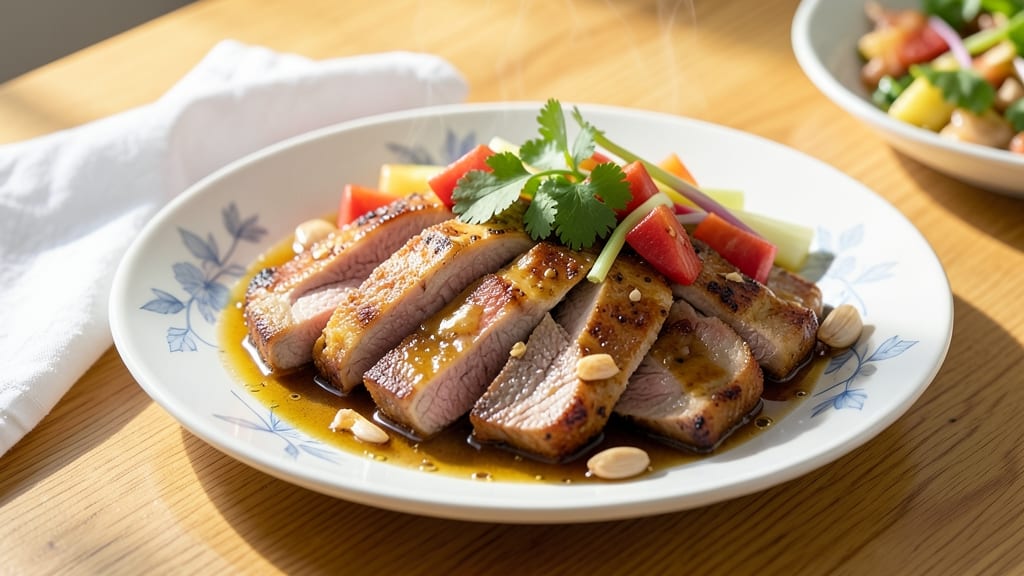
This Panlasang Pinoy pineapple pork recipe delivers the perfect balance of sweet, tangy, and umami flavors that define Filipino comfort food. 💛 The secret lies in crispy pork belly paired with a glossy glaze that's both sticky and refreshing—thanks to fresh pineapple and a touch of fish sauce.
I first made this during a family gathering when we needed a dish that would impress without being overly complicated.
The beauty of this recipe is in its simplicity: tender pork pieces marinated in a blend of soy sauce, calamansi (or lime), and garlic, then braised until perfectly tender. The crispy celery crunch adds a satisfying texture contrast that elevates every bite.
What makes this dish truly special is how the sweetness of the pineapple glaze plays off the savory depth of the pork, creating a harmony that's uniquely Filipino.
By the time you're done, you'll have a dish that's rich, flavorful, and just sweet enough to satisfy cravings—without being cloying. The pork stays juicy and tender, while the glaze caramelizes into a sticky-sweet finish that makes every bite irresistible.
This is the kind of meal that pairs perfectly with steamed rice and a side of atchara for that authentic Filipino experience.
Whether you're cooking for a family dinner or a special occasion, this recipe delivers restaurant-quality results with minimal effort. The techniques are straightforward, and the ingredients are easy to find—making it perfect for both beginners and seasoned home cooks. Let's get started on creating this crowd-pleaser!
Ingredients for pineapple pork recipe panlasang pinoy
Pork belly, pineapple, and celery—Filipino flavors that come together in one unforgettable dish.
| Ingredient | Amount | Notes |
|---|---|---|
| Pork Belly 🥓 | 1 ½ lb | Cut into 1-inch cubes, skin on |
| Fresh Pineapple 🍍 | 1 cup | Finely chopped, juices reserved |
| Celery Stems 🧅 | 2 whole | Cut into 1-inch pieces, crispy |
| Soy Sauce 🍶 | ½ cup | Regular or light soy preferred |
| Calamansi Juice 🍋 | ¼ cup | Or substitute lime juice |
| Garlic Cloves 🧄 | 6 cloves | Minced, fresh preferred |
| Fish Sauce 🐟 | 1 tbsp | Red Boat brand recommended |
| Brown Sugar 🍚 | ¼ cup | Packed, light variety |
| Olive Oil 🫒 | 2 tbsp | For searing pork |
| Black Peppercorns 🌶️ | ½ tsp | Freshly cracked |
| White Vinegar 💧 | 1 tbsp | For tangy balance |
| Green Onions 🧅 | 2 whole | Sliced, for garnish |
| Salt 🧂 | 1 ½ tsp | Kosher or sea salt |
Pork belly is the star here—look for thick-cut pieces with good marbling at your local Asian market or butcher shop. Filipino markets often have pre-cut pork belly, which saves time. The celery? Don't skip the crispy stems—they add that signature crunch that makes this dish special. Fresh pineapple is a must (canned won't cut it), but if you can't find it, frozen works in a pinch—just thaw and drain well. For the fish sauce, Red Boat is the gold standard, but any good-quality brand will do.
No calamansi? Lime juice works perfectly—just use the same amount. Brown sugar substitutes? White sugar is fine, but it won't caramelize as nicely. Running low on fish sauce? Soy sauce plus a pinch of sugar mimics the umami punch. The pork cubes should be about 1-inch—too big and they won't cook through, too small and they'll dry out. Pro tip: Pat the pork dry before searing to get that perfect crispy exterior. And if you're feeling fancy, add a splash of pineapple juice to the marinade for extra sweetness.
This dish tastes even better the next day—make extra if you can. Store leftovers in an airtight container for up to 4 days in the fridge. For longer storage, freeze portions for up to 3 months. The glaze thickens as it cools, so warm gently on the stove with a splash of water if it's too stiff. Pairs perfectly with steamed rice and a side of pickled vegetables for that full Filipino experience.
Why You'll Love This Recipe
- Here’s what sold me: the calamansi juice cuts through the richness of the pork belly, while the pineapple’s natural sweetness keeps it from feeling heavy. Soy sauce ties it all together—salty, tangy, and just a little umami. It’s the kind of dish that makes you go back for seconds without trying.
- One-Pan Magic: I swear by this—just pork belly, pineapple chunks, and a handful of celery stems tossed in a pan. No extra pots, no fancy techniques. The pork caramelizes while the pineapple softens, and the celery adds that bright crunch without overpowering.
- Sweet-Savory Balance: Here’s what sold me: the calamansi juice cuts through the richness of the pork belly, while the pineapple’s natural sweetness keeps it from feeling heavy. Soy sauce ties it all together—salty, tangy, and just a little umami. It’s the kind of dish that makes you go back for seconds without trying.
- Lunchbox Hero: Between us, this is my go-to for packed lunches. The flavors actually improve after sitting overnight (yes, even on a Tuesday night). I portion it into containers with steamed rice, and it’s a hit with my kids—no weird textures, no complaints.
Step-by-step instructions for pineapple pork recipe Panlasang Pinoy
Crispy pork, sweet-tart glaze, and crunchy celery—this Filipino favorite delivers every time.
🔥 Step 1: Sear the Pork Belly for Maximum Crisp
Heat a large skillet over medium-high heat and add the 2 tablespoons olive oil. Once shimmering, add the 1.5 lb pork belly, cut into 1-inch cubes, in a single layer. Let it sear undisturbed for 3-4 minutes until golden brown on one side.
Here's the thing—don't rush this step. You want that deep, caramelized crust that'll give your dish that restaurant-quality texture. Flip the pork and sprinkle with 1.5 teaspoons salt and 0.5 teaspoon black peppercorns (cracked fresh, not ground). Keep searing for another 3-4 minutes until all sides are golden. Remove pork and set aside—it'll finish cooking later.
🍳 Step 2: Build the Crispy Celery Base
In the same skillet (no need to clean it—those browned bits are flavor gold), add the 2 whole celery stems, cut into 1-inch pieces. Cook over medium heat for 5-6 minutes, stirring occasionally, until the celery turns golden brown and crispy. This is your texture foundation—don't skip this step or you'll lose that signature crunch.
Once crispy, remove celery and set aside with the pork. Add the 6 cloves minced garlic to the skillet and cook for 30 seconds until fragrant. You'll know it's ready when your kitchen smells like garlic heaven—don't let it burn! This quick cooking preserves the garlic's sweetness rather than bitterness.
🥘 Step 3: Create the Sweet-Tart Glaze
Pour in the 0.5 cup soy sauce, 0.25 cup calamansi juice, 1 tablespoon fish sauce, 0.25 cup brown sugar, and 1 tablespoon white vinegar. Stir well to combine, then bring to a gentle simmer over medium heat for 3-4 minutes until the sugar dissolves and the mixture thickens slightly.
Here's where the magic happens: add the 1 cup finely chopped fresh pineapple (with juices) and the reserved celery back to the skillet. Let it all simmer together for another 2-3 minutes until the pineapple softens slightly but still maintains some bite—you want that sweet-tart contrast in every bite.
🔥 Step 4: Finish the Pork Perfectly
Return the seared pork to the skillet with the sauce and pineapple mixture. Stir gently to coat everything evenly. Cover and let it cook on low heat for 10-12 minutes, stirring occasionally, until the pork is tender and the sauce has reduced slightly to coat everything.
You'll know it's done when the pork easily pulls apart with a fork and the sauce has that perfect glossy consistency—thick enough to coat but still saucy. The pork should be tender yet still hold its shape when sliced. If the sauce is too thin, uncover and simmer for another 2-3 minutes to thicken.
🍽️ Step 5: Garnish and Serve with Confidence
Transfer the pineapple pork to serving plates and garnish with the 2 whole green onions, sliced thinly. The bright green color not only looks beautiful but also adds a fresh, clean finish that cuts through the richness of the dish.
Serve immediately while the pork is hot and the celery is still crisp. This dish tastes best straight from the pan—every bite delivers that perfect balance of crispy pork, sweet pineapple, and tangy-savory glaze. Pair it with steamed rice to soak up all that delicious sauce!
Pro Tips For Making Pineapple Pork Recipe Panlasang Pinoy
- CUT PORK BELLY THIN: Pineapple pork needs pork that cooks fast—aim for ¼-inch slices max. Thicker pieces turn rubbery before the sauce caramelizes, and you’ll end up with tough, dry meat instead of tender bites. Use a sharp knife and press firmly while cutting (yes, it’s messy, but worth it).
- COOK PINEAPPLE FIRST: Sauté the pineapple chunks until they release their juices—about 3-4 minutes—before adding the pork. This builds flavor into the pan and prevents the sauce from tasting watered down later. Skip this, and your dish will taste like it’s missing something.
- DON’T BOIL THE SOY SAUCE: Add soy sauce after the pork has browned and the pineapple has softened. If you dump it in too early, the high heat will turn it bitter and ashy. A splash of water or broth at the end helps deglaze, but soy sauce belongs in the final 5 minutes of cooking.
- USE CELERY FOR DEPTH, NOT JUST GREENS: Celery stems add a woody, earthy note that balances the sweetness—don’t skip them. Chop them into thick chunks (no need to peel) and char them lightly with the pork. Finely diced celery leaves can go in later for color, but the stems are the real flavor workhorses here.
Essential equipment for perfect results
Skillet Essentials
You'll need a large, heavy-bottomed skillet—I swear by my 12-inch cast iron from Lodge—to handle the searing and braising. The thick base distributes heat evenly, preventing hot spots that could burn your pork or celery.
If you don't own cast iron, a stainless steel skillet with a 3-4 quart capacity works perfectly. Just avoid nonstick—those browned bits are flavor gold! 🔥
Knife & Cutting Tools
A sharp chef's knife (I use my 8-inch Wüsthof) is non-negotiable for this recipe. You'll need to cut pork belly into 1-inch cubes and chop pineapple into fine pieces—dull knives make both tasks frustrating.
For the celery, a mandoline speeds up the process if you're making this often, but a good knife works fine. Keep your cutting board stable—Filipino recipes rely on precision!
Measuring Tools
Precision matters with Filipino flavors, so grab a liquid measuring cup for the pineapple juice and soy sauce, and a small kitchen scale if you want to nail the exact 1.5 lb pork belly measurement.
For dry ingredients like brown sugar, a spoon rest prevents spills when scooping from the jar. I keep my OXO Good Grips measuring spoons within arm's reach—they're durable and accurate for the 1 tbsp fish sauce and 0.5 tsp black peppercorns.
Marinade & Mixing
A medium mixing bowl (about 2-quart capacity) handles the pork marinade perfectly. I like to use glass because it's easy to see when the pork is fully coated. For stirring the glaze, a heat-resistant silicone spatula prevents scratching your skillet.
Pro tip: Keep a small bowl nearby for the reserved pineapple juices—you'll want to add them back to the skillet later for extra depth. 🥄
Optional Upgrades
For the crispy celery, a mandoline slicer with a 1/4-inch blade gives you perfect, even pieces every time. If you're feeling fancy, invest in a calamansi juicer (available at Asian markets) for that authentic tang—no lime substitute can fully replicate it.
And for serving, a tongs makes plating the crispy pork and celery effortless without breaking them apart. My Mercer Culinary Genius tongs have been my secret weapon for years!
Cleanup Tools
Filipino recipes get sticky, so keep paper towels and a long-handled spatula nearby for scraping up those delicious browned bits. I also recommend a skillet brush with stiff bristles to clean your cast iron between uses.
And trust me—you'll want two sets of utensils: one for raw pork and one for everything else. Food safety first! ✨
Nutrition facts
Frequently asked questions
Can I substitute pork belly with chicken or shrimp?
While pork belly is traditional, you can adapt this recipe! For chicken, use 1.5 lb boneless thighs (cut into 1-inch pieces) and reduce cooking time to 8-10 minutes. For shrimp, use 1 lb large shrimp (peeled, deveined) and cook for just 3-4 minutes—they'll finish in the sauce. The crispy celery and pineapple glaze work beautifully with either protein!
What makes this dish 'Panlasang Pinoy' different from other Filipino pork recipes?
The magic lies in the crispy celery crunch and the sweet-tart balance of pineapple, calamansi, and fish sauce. Unlike traditional lechon kawali (which uses soy sauce and vinegar), this recipe adds fresh pineapple for brightness and brown sugar for depth. The celery isn't just garnish—it's a textural star!
How do I fix the sauce if it's too thin or too thick?
For a thin sauce, simmer uncovered for 2-3 minutes to reduce. If it's too thick, add 1-2 tablespoons water or pineapple juice and stir gently. Pro tip: The sauce will thicken more as it cools—warm it gently before serving.
Can I make this recipe in a slow cooker?
Sear the pork and celery first, then transfer everything to a 3-4 quart slow cooker. Add all sauce ingredients and cook on LOW for 4-5 hours or HIGH for 2-3 hours. The slow cooking makes the pork extra tender, but the celery may soften—add fresh crispy celery when serving.
Why does my pork turn out dry?
Overcooking is the usual culprit! Keep the pork covered on low heat for 10-12 minutes max—it should be tender but still hold its shape. For extra juiciness, add 2 tablespoons reserved pineapple juice to the skillet during the final cooking. And always pat pork dry before searing to prevent steaming.