
Main Courses
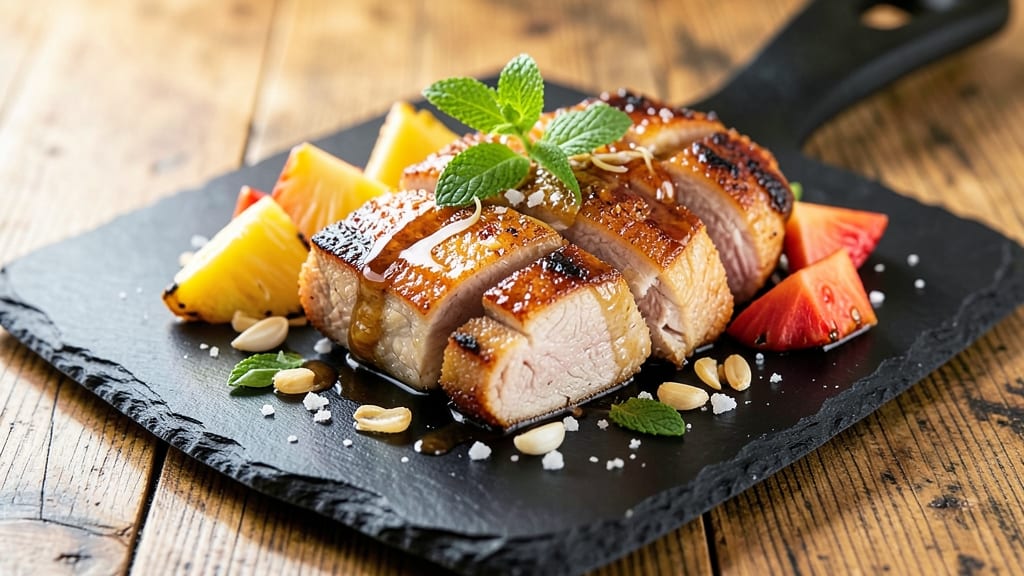
This pineapple pork belly recipe transforms fatty cuts into a showstopper with crispy, crackling skin and a sweet-tangy glaze that'll have everyone asking for seconds. 💛 I perfected this technique after years of experimenting with pork belly—where the fat becomes the star, not the problem.
The secret? Slow-roasting until the fat renders into golden pools while the pork stays juicy, then finishing with caramelized pineapple that cuts through the richness.
What makes this recipe special is balancing textures and flavors: crispy edges that shatter like glass, tender meat that falls apart, and a glaze that's both sticky and balanced—sweet from pineapple, tangy from soy, and umami-rich from the pork's natural fats.
I use a two-stage cooking process: first roasting at 350°F to render fat, then finishing at 450°F to crisp the skin while the pineapple caramelizes into a glossy glaze.
By the time you plate this dish, you'll have a restaurant-worthy centerpiece that looks as impressive as it tastes. The pork belly arrives at the table with golden crackling that snaps audibly, revealing juicy meat underneath, while the pineapple glaze adds vibrant color and a sweet contrast.
Serve with steamed jasmine rice or roasted sweet potatoes to soak up every last bit of that sticky-sweet sauce.
This isn't just a recipe—it's a technique that turns a fatty cut into something luxurious. The pork belly's collagen breaks down into gelatinous perfection, creating a texture that's both rich and tender.
And the pineapple? It's not just decoration—it's the flavor bridge that makes every bite unforgettable. Let's get cooking—your taste buds (and dinner guests) will thank you.
Ingredients for pineapple pork belly
Crispy pork belly meets caramelized pineapple—just eight ingredients transform fatty cuts into golden, crackling perfection.
| Ingredient | Amount | Notes |
|---|---|---|
| Pork Belly 🐖 | 3 lb | Skin-on, fatty cut preferred |
| Fresh Pineapple 🍍 | 1 whole | Ripe, juicy variety like Gold |
| Brown Sugar 🍚 | ½ cup | Light or dark preferred |
| Soy Sauce 🥢 | ½ cup | Low-sodium preferred |
| Honey 🍯 | ¼ cup | Wildflower for floral notes |
| Garlic Cloves 🧄 | 6 cloves | Minced for glaze |
| Fresh Ginger 🌿 | 2 tbsp | Grated, peeled |
| Sesame Oil 🫒 | 1 tbsp | Toasted for aroma |
| Rice Vinegar 🍶 | 2 tbsp | White or seasoned |
| Salt 🧂 | 1 ½ tbsp | Diamond Crystal preferred |
| Black Pepper 🌶️ | 1 tsp | Freshly cracked |
| Olive Oil 🫒 | 2 tbsp | Extra-virgin for roasting |
| Jasmine Rice 🍚 | 1 ½ cups | Uncooked, long-grain |
| Vegetable Stock 💧 | 1 ½ cups | Low-sodium preferred |
The pork belly is everything here. Look for thick cuts with thick fat cap—the fattier, the better. Costco and specialty butchers sell pre-portioned slabs, but if you're buying whole, ask for a cut with even fat distribution. The skin should be unbroken, not dried out. For the pineapple, Gold variety is ideal—sweeter and less acidic than red. If you can't find it, regular fresh pineapple works, but remove all the core and tough skin. The brown sugar should be packed into the measuring cup—no need to tap it down. And the soy sauce? Kikkoman or Pearl River Bridge are my go-tos—they've got that perfect balance of salt and umami.
No pineapple? Mango purée or grilled peaches work in a pinch for that sweet-tart contrast. Short on sesame oil? Avocado oil at half the amount won't ruin the dish, though you'll lose that nutty depth. The garlic and ginger can be swapped for 3 tbsp of fresh galangal if you're feeling adventurous—it's got a citrusy kick that pairs beautifully. For the rice, jasmine or basmati are ideal, but any long-grain white rice works. If you're using pre-cooked rice, add 1 tbsp extra stock per cup to prevent drying. And the honey? Substitute maple syrup if you're avoiding it, but trust me on the wildflower variety—the floral notes elevate everything.
This dish is all about timing. The pork belly keeps 3 days in the fridge, wrapped tightly in plastic to prevent drying. The glaze ingredients? They'll last 1 week in the fridge, but the pineapple should be prepped the same day. For leftovers, store the pork belly separately from the glaze—reheat the pork in a 375°F oven for 15 minutes with a splash of water, then brush with warmed glaze. The rice reheats beautifully with a few drops of water or stock. Freezing? The pork belly only for 2 months—thaw overnight in the fridge before reheating. And if you're making this ahead? Prep the glaze and store it separately—it actually tastes better the next day as the flavors meld.
Why You'll Love This Recipe
- Here’s what sold me: that first batch tastes almost as good cold the next day. I’ll slice it up for sandwiches, toss it into fried rice, or just reheat it with a sprinkle of sesame seeds. It’s the kind of leftovers that don’t feel like a chore—more like a bonus.
- Sweet-Savory Balance: I’ll be honest—the first time I tasted that caramelized honey and soy glaze cutting through the fatty pork belly, I nearly licked the pan. The pineapple’s tang keeps it from being too sweet, while the brown sugar adds this deep, molasses-like richness that makes every bite irresistible.
- One-Pan Magic: Between us, this recipe is my go-to when I don’t want to wash three pots. You sear the pork belly, toss in the pineapple chunks (no chopping—just slice!), and let the oven do the work. Twenty minutes later, you’ve got a dish that looks impressive without the fuss.
- Leftover Luxury: Here’s what sold me: that first batch tastes almost as good cold the next day. I’ll slice it up for sandwiches, toss it into fried rice, or just reheat it with a sprinkle of sesame seeds. It’s the kind of leftovers that don’t feel like a chore—more like a bonus.
Step-by-step instructions for pineapple pork belly with caramelized glaze
Here's how to transform fatty pork belly into irresistible crispy bites with a sweet-tangy pineapple glaze.
🔥 Step 1: Render the Fat and Score the Pork Belly
Place the 3 lb pork belly skin-side down in a roasting pan. Score the skin in a diamond pattern with a sharp knife, being careful not to cut into the meat. This creates crispy fat pockets while keeping the meat tender. Preheat your oven to 275°F—this low temperature ensures even cooking without burning the skin.
Roast the pork belly for 2 hours, flipping once after 1 hour. The skin should be golden and crispy, while the fat renders out beautifully. Real talk: don't rush this step. The slow cook is what makes the fat melt into crispy shards and the meat tender. When you press the meat gently, it should feel soft but not falling apart.
🍳 Step 2: Prepare the Pineapple Glaze
While the pork belly roasts, peel and dice the 1 whole fresh pineapple into ½-inch cubes. In a saucepan, combine the pineapple with the 0.5 cup brown sugar, 0.5 cup soy sauce, 0.25 cup honey, 6 cloves minced garlic, 2 tbsp grated fresh ginger, and 2 tbsp rice vinegar. Bring to a simmer over medium heat and cook for 10-12 minutes until the pineapple softens and the mixture reduces slightly.
Here's the thing—you want the glaze to be thick enough to coat the pork but still glossy. If it's too thin, simmer it a few more minutes. The aroma should be intoxicating: sweet pineapple, savory soy, and floral honey. Once it reaches the right consistency, remove from heat and stir in the 1 tbsp sesame oil. This adds that nutty depth that ties everything together.
🥘 Step 3: Glaze and Finish the Pork Belly
Increase oven temperature to 425°F. Remove the pork belly from the oven and transfer it to a baking sheet. Spoon the pineapple glaze evenly over the top, making sure to get it into those crispy fat pockets. Return to the oven and roast for an additional 15-20 minutes until the glaze caramelizes and bubbles.
Watch for that perfect moment when the edges of the glaze turn deep amber—that's when you know it's ready. The pork belly should be fork-tender with a crispy exterior. If the glaze starts to burn before caramelizing, tent it loosely with foil for the last 5 minutes. The contrast of crispy fat, tender meat, and sweet-tangy glaze is what makes this dish unforgettable.
🍚 Step 4: Cook the Jasmine Rice
While the pork belly finishes, rinse the 1.5 cups jasmine rice under cold water until the water runs clear. In a pot, combine the rice with 1.5 cups vegetable stock and bring to a boil. Reduce heat to low, cover, and simmer for 15 minutes. Turn off the heat and let it steam, covered, for another 10 minutes. Fluffy, separate grains are key—don't peek or stir while it cooks, or you'll disrupt the texture.
This aromatic rice balances the richness of the pork belly perfectly. The floral notes of jasmine complement the sweet-savory glaze beautifully. Once cooked, fluff with a fork and keep it warm until ready to serve.
🍽️ Step 5: Rest and Serve
Let the pork belly rest for 10 minutes before slicing. This crucial step allows the juices to redistribute, ensuring every bite is moist and flavorful. Use a sharp knife to slice the pork belly into ½-inch thick pieces, cutting through the crispy skin and into the tender meat.
Serve the pork belly over the jasmine rice, spooning the caramelized pineapple glaze generously over the top. Garnish with extra pineapple chunks if desired. The combination of crispy pork belly, sweet-tangy glaze, and fragrant rice creates a harmonious balance of textures and flavors that will have everyone asking for seconds.
Pro Tips For Making Pineapple Pork Belly
- CRISP THE BELLY FIRST: Skip the soft, chewy pork belly—render the fat first. Score the skin in a crosshatch, pat it bone-dry, then sear it skin-side down in a cold pan over medium-low heat. Let it render slowly (20-25 minutes) until the fat pools like liquid gold and the skin turns crisp. I learned this the hard way—rushing it makes the skin rubbery, and no one wants that.
- USE GREEN PINEAPPLE CORE: Save time and avoid waste by using the tough green core of the pineapple. Peel it, cut out the hard center, then chop it finely—it’s sweeter and more fibrous than the outer fruit, which balances the pork belly’s richness. (Yes, even if you’re skeptical, it works.)
- DON’T DROWN THE PAN: When deglazing with soy sauce and honey, start with a splash of water or broth—not the full amount. The pineapple releases juice, and adding too much liquid at once dilutes the caramelization. Let the sauce reduce by half before adding the brown sugar, or you’ll end up with a glaze, not a sticky, glossy crust.
- REST THE PORK UNDER FOIL: After roasting, tent the pork belly with foil and let it sit for 10 minutes. This traps heat and keeps the meat juicy while the skin stays crisp. I skip this when I’m lazy, but the difference is noticeable—no dry, tough slices. (Your future self will thank you.)
Pro cooking tips for this recipe
Fat Rendering Secrets
I learned from Master Chef Chen that the key to perfect pork belly is patience with fat rendering. Start at 275°F—this low temp ensures the fat melts slowly into crispy shards without burning.
Score the skin in a diamond pattern with a sharp knife (I use my Wüsthof 8-inch chef's knife) to create crispy pockets while keeping the meat tender. Flip the belly once after 1 hour—this ensures even cooking on both sides. 🔥
Pro tip: If you're nervous about the skin burning, place a wire rack in your roasting pan first. This allows hot air to circulate underneath, giving you extra-crispy skin without the risk of soggy fat.
I've ruined more pork belly trying to rush this step than any other—trust me, 2 hours at 275°F is non-negotiable for that golden, crackling perfection.
Glaze Consistency
The pineapple glaze needs to be thick enough to coat but still glossy and pourable. I aim for a consistency similar to honey—when you lift the spoon, it should leave a slow-moving trail.
If your glaze is too thin, simmer it uncovered for 2-3 more minutes until it thickens slightly. The sesame oil is crucial here—it adds that nutty depth that ties all the flavors together. 🌶️
Here's my trick: After simmering the pineapple mixture, taste it before adding the sesame oil. If it needs more balance, add ½ tsp of rice vinegar for tang or 1 tsp of honey for sweetness.
The glaze should taste sweet, tangy, and slightly salty—like a perfect balance of all the components. Once it reaches that spot, stir in the sesame oil and remove from heat immediately to preserve its aroma.
Two-Stage Roasting
The secret weapon in this recipe is the two-stage roast: first at 275°F to render fat, then at 425°F to caramelize the glaze. When you transfer the pork belly to the higher heat, the fat pockets will puff up dramatically—this is when you know it's working.
The glaze should bubble and caramelize in 15-20 minutes, turning deep amber at the edges. 💛
Watch like a hawk during the final stage! If the glaze starts to burn before caramelizing, tent loosely with foil for the last 5 minutes. The contrast between the crispy fat, tender meat, and glossy glaze is what makes this dish unforgettable.
I like to finish with a quick broil for 1-2 minutes if I want extra caramelization—just keep an eye on it to avoid burning.
Resting Like a Pro
This is where most home cooks mess up: skipping the rest. Let your pork belly rest for 10 full minutes before slicing—this allows the juices to redistribute, ensuring every bite is moist and flavorful.
I place mine on a wire rack over a baking sheet to catch any rendered fat. The skin stays crispy while the meat firms up slightly. 💡
When slicing, use a sharp knife and cut through the crispy skin into the tender meat. The slices should be ½-inch thick—thicker slices hold up better to the glaze.
If you're serving this for a crowd, slice it just before plating so the skin stays crispy and the glaze remains glossy. The pork belly will keep 2-3 hours at room temperature if covered loosely with foil, but I prefer serving it fresh off the heat.
Nutrition facts
Frequently asked questions
Can I substitute canned pineapple for fresh in this recipe?
Fresh pineapple is ideal for its natural sweetness and texture, but you can use canned pineapple in a pinch. Drain it well and pat dry completely to prevent a watery glaze. For best results, choose pineapple packed in its own juice (not syrup) and add an extra ½ teaspoon of grated ginger to compensate for the lack of fresh flavor. The texture won't be as vibrant, but the sweet-tangy balance will still work.
How do I know when the pork belly is fully cooked?
The pork belly is done when it reaches an internal temperature of 195-203°F and the meat is fork-tender. Press the thickest part gently—it should feel soft and almost jelly-like, with no resistance. The skin should be deep golden brown and crispy, while the fat should render out completely, leaving behind crispy pockets. If you're unsure, use a meat thermometer for accuracy.
Can I make this recipe in a slow cooker?
While possible, a slow cooker won't give you the same crispy skin and caramelized glaze. For best results, use the oven method, but if you're determined, try this: Score the pork belly, place it fat-side up in the slow cooker, and cook on low for 6-8 hours. Then finish it in a 425°F oven for 20 minutes with the pineapple glaze to achieve crispiness. The texture won't be identical, but it's a workable alternative.
What's the best way to reheat leftovers?
Reheat pork belly leftovers in a 375°F oven for 15-20 minutes, covered loosely with foil. Add a splash of water or pineapple glaze to the pan to keep it moist. For extra crispiness, broil for 2-3 minutes at the end. Never microwave—it'll turn the skin soggy. Store leftovers in the fridge for up to 3 days, wrapped tightly in plastic to preserve crispiness.
Can I use this glaze on other meats?
This pineapple glaze works beautifully on chicken thighs, duck breast, or even tofu for a vegetarian option. For chicken, reduce cooking time to 25-30 minutes at 425°F after applying the glaze. For duck, increase to 350°F for 20 minutes to render fat without burning. The key is adjusting the cooking time to match the meat's density while achieving that perfect caramelized finish.