
Main Courses
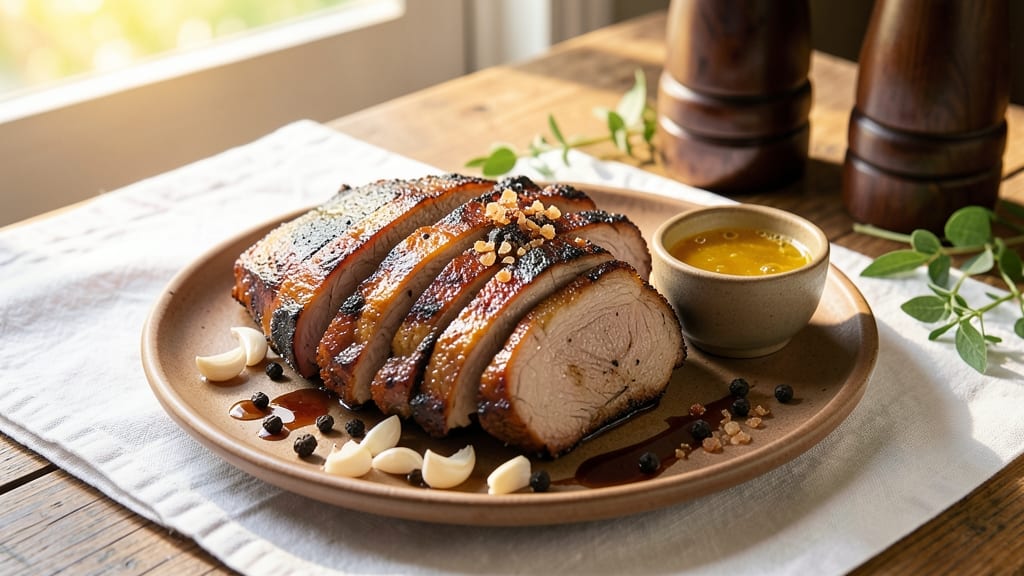
This Filipino pork barbecue recipe with pineapple juice delivers juicy tenderness and caramelized sweetness that will transport you straight to a bustling Filipino street market. 🔥 The secret lies in the marinade—pineapple juice tenderizes the meat while its natural acids break down fibers, creating melt-in-your-mouth bites.
I’ve perfected this technique over years of cooking, balancing traditional methods with modern efficiency.
The magic happens in the marinating process, where pineapple juice, soy sauce, and garlic work together to infuse the pork with depth and richness. Whether you grill, pan-sear, or skewer the pork, the result is always the same: perfectly caramelized edges and succulent centers that hold up to every bite.
This dish is a staple in Filipino cuisine, but my version simplifies the process without sacrificing authenticity.
What sets this recipe apart is the balance of flavors—sweet, savory, and slightly tangy—all achieved with just a few key ingredients. The pineapple juice not only tenderizes but also adds a subtle sweetness that caramelizes beautifully as the pork cooks.
Serve it with garlic rice and pickled vegetables for a complete, restaurant-quality meal.
Ready in under an hour, this dish is perfect for weeknight dinners or special gatherings. The technique is straightforward, but the results are anything but basic—restaurant-quality tenderness with minimal effort. Let’s get cooking!
Ingredients for filipino pork barbecue recipe with pineapple juice
Pork shoulder, pineapple juice, and soy sauce create the perfect balance of sweet, savory, and tender perfection.
| Ingredient | Amount | Notes |
|---|---|---|
| Pork Shoulder (or Pork Butt) 🥩 | 2 lb | Cut into 2-inch cubes, boneless preferred |
| Fresh Pineapple Juice 🍍 | 1 cup | Freshly extracted, no sugar added |
| Soy Sauce 🥄 | ½ cup | High-quality, light or dark variety |
| Garlic Cloves 🧄 | 8 cloves | Minced finely for maximum flavor infusion |
| Brown Sugar 🍚 | ¼ cup | Packed, for caramelization |
| Black Peppercorns 🌶️ | 1 tsp | Freshly cracked for robust flavor |
| Ground Black Pepper 🌶️ | ½ tsp | For additional seasoning |
| Olive Oil 🫒 | 2 tbsp | For searing, high smoke point preferred |
| Lemon Juice 🍋 | 1 tbsp | Freshly squeezed, for brightness |
| Green Onions 🧅 | 4 whole | Sliced, for garnish and freshness |
| Sesame Oil 🫒 | 1 tsp | For finishing, toasted sesame aroma |
| Kosher Salt 🧂 | 1 ½ tsp | Diamond Crystal preferred for balance |
The pork shoulder is the star—look for well-marbled cuts with even fat distribution. Filipino markets or high-end butchers often have the best quality, but any reputable grocery store’s meat department will carry suitable options. If you’re buying a whole shoulder, ask for it to be cut into 2-inch cubes; this ensures even cooking and maximum tenderness. The pineapple juice should be freshly extracted—store-bought versions often contain added sugar, which can overpower the natural sweetness. For the best flavor, use a mix of fresh pineapple and a splash of bottled pineapple juice if needed. Garlic is non-negotiable here; Filipino garlic, if available, adds a deeper, more complex flavor profile than standard supermarket varieties.
No fresh pineapple juice? Coconut water or even a mix of orange juice and a pinch of sugar can work in a pinch, though the texture and depth will differ slightly. For the soy sauce, Japanese or Filipino brands like Silver Swan or Kikkoman deliver the best umami punch, but any high-quality soy sauce will suffice. If you’re avoiding added sugar, reduce the brown sugar to 2 tablespoons and compensate with a touch more pineapple juice. The green onions can be swapped for regular onions if unavailable, though they add a fresher finish. For extra richness, a splash of calamansi juice (if you can find it) elevates the dish to restaurant-quality levels—it’s the secret weapon in many Filipino kitchens.
Marinate the pork for at least 4 hours, but overnight yields the best results for maximum tenderness. Store the marinade in an airtight container in the fridge for up to 2 days—the flavors deepen over time. If you’re prepping ahead, cook the pork just until it’s 80% done, then reheat it quickly over high heat to achieve those caramelized edges. The leftovers keep well for 3 days in the fridge, though they’re best enjoyed fresh. For longer storage, freeze the cooked pork in single-serve portions for up to 3 months; thaw overnight in the fridge before reheating.
Why You'll Love This Recipe
- One-Pan Magic: I swear by this recipe because it’s that simple—just toss the pork in a single pan with garlic, soy sauce, and pineapple juice, then let the oven do the work. No flipping, no fussing, just hands-off perfection while you sip your coffee or watch the game.
- Sweet-Savory Crave: That caramelized brown sugar glaze? It’s where this dish gets its magic. The pineapple juice keeps it juicy while the garlic and soy sauce create this addictive balance—salty, sweet, and just a little tangy. (Yes, even my picky husband asks for seconds.)
- Leftovers? More Like Leftovers: Between us, this recipe makes way more than we can eat in one sitting. The pork stays tender and flavorful for days, so I freeze portions for lazy nights or pack it in lunches. Honestly, it’s my go-to for meal prep because reheating it doesn’t ruin a thing.
- Budget-Friendly Feast: Pork shoulder is affordable, and the other ingredients? Most are pantry staples. I’ve fed a crowd of eight for under $20 with this—plus, the leftovers stretch even further. It’s the kind of dish that makes you feel like you’re hosting a fancy dinner without breaking the bank.
Step-by-step instructions for Filipino pork barbecue
Master this classic dish where tender pork meets caramelized sweetness through precise technique.
🔥 Step 1: Sear the Pork for Deep Flavor
Heat 2 tablespoons olive oil in a large Dutch oven over medium-high heat until shimmering. Add the 2 lb pork shoulder cut into 2-inch cubes, working in batches if needed to avoid crowding. Sear each piece for 2-3 minutes per side until deep golden brown—this creates the Maillard reaction that builds rich, savory depth.
Don't rush this step. You'll know it's ready when the pork releases easily from the pan and develops a beautiful crust. Remove the seared pork and set aside—it'll continue cooking in the sauce later. The remaining browned bits (fond) in the pan will dissolve into the sauce, creating complex umami layers.
👨🍳 Step 2: Build the Sweet-Savory Marinade
In the same Dutch oven, reduce heat to medium and add 8 cloves minced garlic. Sauté for 30 seconds until fragrant—don't let it brown or it'll turn bitter. Add the 1 cup fresh pineapple juice and 0.5 cup soy sauce, scraping up any browned bits from the bottom with a wooden spoon.
Stir in the 0.25 cup packed brown sugar, 1.5 teaspoons kosher salt, 1 teaspoon cracked black peppercorns, and 0.5 teaspoon ground black pepper. Bring to a gentle simmer and cook for 5 minutes until the sugar begins to caramelize slightly—this is where the sauce gets its signature sweet-tangy balance. The mixture should reduce by about 20%.
🍳 Step 3: Braise Until Fork-Tender
Return the seared pork to the Dutch oven, spooning the marinade over the top. Add 1 tablespoon lemon juice to brighten the flavors. Bring to a simmer, then cover tightly and transfer to a 325°F oven. Braise for 2.5-3 hours until the pork is fork-tender and falls apart easily when pierced.
Here's the thing—resist the urge to peek or stir. The tight lid traps steam that gently cooks the pork through, keeping it moist. You'll know it's done when the sauce thickens to a glossy consistency and the pork reaches an internal temperature of 205°F. The pork should pull apart with minimal resistance, signaling perfect tenderness.
🥘 Step 4: Finish with Sesame Oil and Garnish
Remove the pork from the oven and let it rest for 10 minutes while you prepare the finishing touches. Increase the oven temperature to 400°F and return the pork to the oven uncovered for 10-15 minutes to allow the sauce to thicken and develop a glossy sheen.
Just before serving, drizzle with 1 teaspoon sesame oil and garnish with 4 sliced green onions. The sesame oil adds a nutty aroma that complements the sweet-savory profile, while the green onions provide fresh contrast. Serve immediately with steamed rice to soak up every bit of that caramelized sauce.
Pro Tips For Making Filipino Pork Barbecue Recipe With Pineapple Juice
- CRANK THE HEAT FIRST: The first 5 minutes in a screaming-hot pan are non-negotiable—this sears the pork’s surface and locks in flavor before the sauce takes over. I learned this the hard way when my first batch turned out mushy; now I always start with the heat cranked to medium-high and let the pork develop a deep brown crust before anything else happens.
- STRAIN THAT PINEAPPLE JUICE: Fresh pineapple juice is the soul of this dish, but pulp clogs the pan and burns. Strain it through a fine-mesh sieve or cheesecloth into a bowl—yes, it’s extra work, but you’ll avoid a bitter, charred mess at the bottom. (And if you’re lazy, blend the pineapple first, then strain—same result, less elbow grease.)
- DON’T DROWN THE PORK: This isn’t a braise—too much liquid turns the pork soggy. After searing, add just enough sauce to deglaze the pan (about ¼ cup), then let it reduce by half before adding the pork back in. The sauce should coat the meat, not swim around it.
- GARLIC: SMASH, DON’T CHOP: Whole garlic cloves roasted in the fat make this dish sing, but they need to be bruised first. Smash them with the flat side of your knife before tossing them in—this releases more flavor without burning. (And skip the minced garlic; it burns in seconds and turns bitter.)
Make-ahead tips for this filipino pork barbecue recipe with pineapple juice
Marinade Prep Ahead
Make the marinade up to 2 days in advance and store it in an airtight container in the fridge. The flavors deepen over time, and the pineapple juice's enzymes continue breaking down the pork fibers for extra tenderness. I like to prep this while I'm doing other meal prep tasks—it's one less thing to worry about later. Just
Pork Pre-Cooking
For maximum efficiency, partially cook the pork in the marinade until it reaches 160°F internal temperature—about halfway through the braising time. Then, store it in the marinade in an airtight container in the fridge for up to 3 days. When ready to serve, finish cooking it in the oven at 400°F for 15-20 minutes to achieve that perfect caramelized crust. This method is a game-changer for busy weeknights. 💡
Freezer-Friendly
Cooked pork barbecue freezes beautifully for up to 3 months. Portion it into single-serving containers or freezer bags, leaving 1 inch of headspace for expansion.
When ready to eat, thaw overnight in the fridge, then reheat in a skillet over medium heat with a splash of water to restore moisture. The texture stays juicy, and the flavors remain rich—just like fresh. ❄️
Sauce Separation Fix
If the sauce separates after refrigeration, simply reheat it gently over low heat while stirring constantly. The natural emulsifiers in the soy sauce and pineapple juice will recombine as the temperature rises.
For extra insurance, whisk in 1 teaspoon cornstarch mixed with 1 tablespoon water until smooth. This trick works wonders for maintaining that glossy, cohesive sauce texture. 🔥
Garnish Prep
Slice the green onions and store them in a small airtight container lined with a paper towel to absorb excess moisture. Keep them in the fridge for up to 5 days—they’ll stay crisp and vibrant for garnishing.
I also like to toast the sesame seeds ahead of time by dry-toasting them in a small pan over low heat for 2-3 minutes until fragrant. Store them in a sealed jar for up to 2 weeks to add a nutty finish whenever needed. ✨
Meal Prep Sides
Prepare garlic rice and pickled vegetables (atchara) in advance to complete your Filipino feast. Cook the rice and store it in an airtight container for up to 4 days. For the atchara, it actually improves with time—store it in the fridge for 3-5 days before serving.
The longer it sits, the more the flavors meld together. This way, you can assemble the whole meal quickly when it's time to eat. 🍚
Nutrition facts
Frequently asked questions
Can I use canned pineapple juice instead of fresh?
You can use canned pineapple juice, but fresh is ideal for better flavor and texture. Canned juice often contains added sugar, which may alter the caramelization. If using canned, choose "no sugar added" and reduce the brown sugar to 1 tablespoon to balance sweetness.
Why does the pork need to rest before serving?
Resting allows the juices to redistribute, preventing them from running out when cut. The pork should rest for 10 minutes after cooking—this ensures each bite stays moist and flavorful. Skipping this step results in dry, tough meat.
What's the best way to reheat leftover Filipino pork barbecue?
Reheat in a skillet over medium heat with a splash of water or pineapple juice to restore moisture. Cover and cook for 3-4 minutes until warmed through. Avoid microwaving—it dries out the meat.
Can I make this recipe with chicken instead of pork?
Yes, but adjust the cooking time to 20-25 minutes for 2 lb chicken thighs after searing. Chicken cooks faster than pork, so monitor closely to avoid overcooking. Use bone-in pieces for better flavor retention.
How do I know when the pork is fully cooked?
Use a meat thermometer to check for 205°F internal temperature. The pork should pull apart easily with two forks—this confirms perfect tenderness. If using a thermometer isn't possible, cut into a piece; it should be fork-tender with no pink.