
Breakfast & Brunch
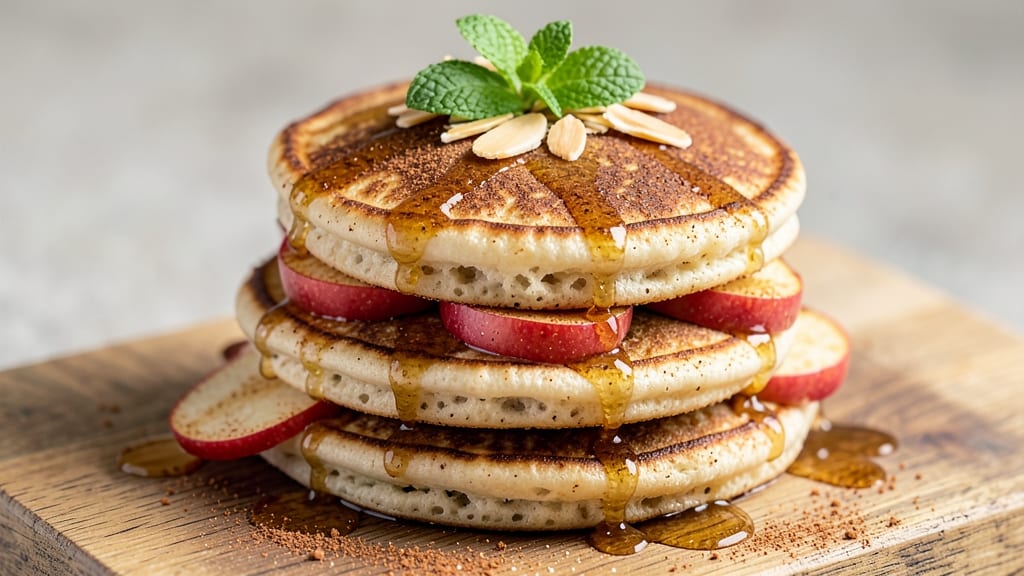
This diabetic apple pancakes recipe proves you can enjoy fluffy, cinnamon-spiced stacks without spiking your blood sugar. 💛 The secret lies in almond flour and sugar substitutes that deliver the same warm, comforting flavors while keeping carbs in check—perfect for a breakfast that feels indulgent but stays responsible.
My version maintains that classic pancake texture you love, just with ingredients that support your health goals.
What sets these pancakes apart is the combination of fiber-rich apples and almond flour, which create a naturally sweet, slightly dense batter that cooks up golden and tender.
I’ve tested this recipe countless times to ensure it’s foolproof, with a flipping technique that guarantees crispy edges and a soft center every time. The cinnamon isn’t just for flavor—it adds warmth that makes these pancakes feel like a cozy hug on a plate.
By the time you’re done, you’ll have a stack of low-carb pancakes that’s rich in flavor, satisfying in texture, and gentle on your blood sugar. The apples add natural sweetness and a subtle tartness that balances the warmth of the cinnamon, while the almond flour keeps things hearty and protein-packed.
This is breakfast that doesn’t compromise—just better for you.
Serve with a dollop of sugar-free syrup or a sprinkle of cinnamon for extra warmth, and watch as even the most skeptical eaters ask for seconds. The best part?
These pancakes reheat beautifully, making them ideal for meal prep or a quick grab-and-go breakfast. Let’s make them together—your taste buds (and your blood sugar) will thank you.
Ingredients for diabetic apple pancakes
Fiber-rich almond flour and naturally sweet apples make these pancakes diabetic-friendly yet irresistibly cozy.
| Ingredient | Amount | Notes |
|---|---|---|
| Almond Flour 🌰 | 1 ½ cups | Finely ground for best texture |
| Granulated Erythritol 🍯 | ¼ cup | Sugar substitute, measures like sugar |
| Large Eggs 🥚 | 3 whole | Room temperature for even mixing |
| Unsweetened Almond Milk 🥛 | ¾ cup | Vanilla or plain, unsweetened |
| Baking Powder 🧂 | 1 tbsp | Aluminum-free preferred |
| Ground Cinnamon 🌿 | 1 tbsp | Freshly ground for warmth |
| Salt 🧂 | ½ tsp | Fine sea salt preferred |
| Medium Apples 🍎 | 1 whole | Sweet-tart variety, peeled and grated |
| Unsalted Butter 🧈 | 2 tbsp | Melted for cooking |
| Vanilla Extract 🍯 | ½ tsp | Pure vanilla for authentic flavor |
| Coconut Oil 🫒 | 1 tbsp | For nonstick cooking surface |
Almond flour is the star here—Bob's Red Mill or Anthony's Goods are my go-tos for consistent texture. Look for finely ground flour (not almond meal) to mimic traditional pancake lightness. The apples? Honeycrisp or Fuji work best—they’re sweet enough to balance the cinnamon without needing extra sugar. If you can’t find erythritol, monk fruit sweetener works too, but measure carefully since it’s more potent. For the cinnamon, McCormick or Spicewalla brands keep their flavor longer once opened.
No almond milk? Coconut milk or oat milk are great swaps, but avoid flavors—stick to plain. Short on apples? Pears or peaches work in a pinch, but they’ll change the texture slightly. The baking powder is non-negotiable—aluminum-free ensures no metallic aftertaste. For extra fluffiness, whisk the eggs until frothy before mixing. And if you’re prepping ahead, grate the apples last to prevent browning.
Store the dry ingredients (flour, sweetener, cinnamon) in an airtight container for up to 6 months. The wet batter keeps for 2 days in the fridge, but cook within 24 hours for best texture. These pancakes reheat beautifully—microwave 20 seconds with a damp paper towel for crispy edges. Freeze cooked pancakes between parchment paper for 1 month. Pro tip: Stack them with parchment between layers to prevent sticking.
Why You'll Love This Recipe
- Five-Ingredient Magic: The almond flour and erythritol mix is that simple—no measuring cups, no weird ratios. Just crack eggs, stir, and cook. Honestly, I’ve made these with my eyes closed, and they still turn out fluffy.
- Apple-Cinnamon Crunch: That caramelized apple swirl? It’s the star. The warm spices cut through the nutty almond flour, and the erythritol keeps it sweet without the crash. My husband licks his plate—no joke.
- Breakfast or Dessert: Serve them with a dollop of Greek yogurt for a protein boost, or drizzle with sugar-free syrup for a weekend treat. I’ve even packed them for lunch; they’re sturdy enough to travel.
- No Waste, No Guilt: Leftovers? Toss them in the fridge for up to five days—reheat in a toaster or microwave. And between us, the almond flour is cheaper than flour blends over time. Win-win.
Step-by-step instructions for diabetic apple pancakes
Here's how to make fluffy, low-carb apple pancakes that taste indulgent without spiking blood sugar.
👨🍳 Step 1: Prep the Apples and Mix Dry Ingredients
Peel and grate the 1 whole medium apple using a box grater or food processor. I like to use a sweet-tart variety like Honeycrisp or Fuji—they hold up well to cooking without turning mushy. Pat the grated apples dry with a paper towel to remove excess moisture, which keeps your pancakes light and fluffy.
In a medium bowl, whisk together the 1.5 cups almond flour, 1 tablespoon baking powder, 1 tablespoon ground cinnamon, and ½ teaspoon salt. I always sift this mixture first to eliminate any lumps—it makes for a smoother batter. Set aside for now; we'll combine it with wet ingredients next.
🍳 Step 2: Whisk Wet Ingredients for Perfect Texture
In a separate large bowl, beat the 3 whole large eggs until frothy, about 2 minutes with a hand mixer. Add the 0.25 cup granulated erythritol and 0.5 teaspoon vanilla extract, mixing until the sweetener dissolves completely. I've found that room-temperature eggs blend more smoothly, so if yours are straight from the fridge, let them sit out for 10 minutes first.
Pour in the 0.75 cup unsweetened almond milk and mix until just combined. Then add the 2 tablespoons melted unsalted butter—this adds richness without adding carbs. The batter should be thick but pourable, like heavy cream. If it's too thick, add 1-2 tablespoons more almond milk until it reaches the right consistency.
🥘 Step 3: Combine and Fold in Apples
Gradually pour the dry ingredients into the wet ingredients while mixing on low speed. Be careful not to overmix—just until everything is combined and there are no more flour streaks. This prevents tough pancakes. Then gently fold in the dried grated apples using a spatula, making sure they're evenly distributed throughout the batter.
Let the batter rest for 5 minutes while you prepare your cooking surface. This resting time allows the almond flour to fully hydrate, which improves texture. I know it seems counterintuitive to wait, but trust me—it makes a difference in the final result.
🔥 Step 4: Cook Golden Pancakes on Medium Heat
Heat a nonstick skillet over medium heat and melt the 1 tablespoon coconut oil evenly across the surface. Once the oil is shimmering (about 1 minute), pour ¼ cup batter into the pan, spreading it slightly to form a 4-inch round. You should have enough batter for 4 pancakes—this recipe makes a perfect stack for each serving.
Cook until bubbles form on the surface and the edges look set (about 2-3 minutes). Then flip carefully and cook the other side for another 2 minutes until golden brown. I press down gently on the pancake during the first minute—this prevents it from curling and ensures even contact with the pan. Keep the cooked pancakes warm in a 200°F oven while you finish the batch.
🍽️ Step 5: Stack and Serve Warm
Transfer the cooked pancakes to a plate and stack them high—these are meant to be enjoyed in stacks! Serve immediately while still warm and slightly crispy around the edges. The aroma of cinnamon and apples will fill your kitchen, and each bite delivers that perfect balance of sweetness and spice without the carb crash.
For extra indulgence, top with a dollop of sugar-free whipped cream or a sprinkle of cinnamon. The pancakes will continue to soften slightly as they cool, so enjoy them right away. Store any leftovers in the refrigerator for up to 3 days—just reheat in a toaster or skillet until warm and crispy again.
Pro Tips For Making Diabetic Apple Pancakes
- MEASURE ALMOND FLOUR RIGHT: Spoon it straight from the bag—don’t scoop. Almond flour packs differently than regular flour, and you’ll end up with pancakes that’re either too dense or too dry. A standard 1:1 cup measure is fine, but tap the container to settle it before leveling.
- WHISK EGGS UNTIL THICK: Beat those eggs for a solid 30 seconds past when they look done. You’re aiming for ribbons that hold their shape when you lift the whisk—this ensures your pancakes hold together and don’t turn into almond-flour soup. (Yes, I’ve done it. Twice.)
- DON’T OVERMIX THE BATTER: Stir just until the erythritol dissolves and the dry ingredients disappear—maybe 10-12 strokes max. Overmixing develops gluten (even in almond flour) and makes your pancakes tough. The batter should look shaggy, not smooth.
- COOK LOW AND SLOW: Medium-low heat is your friend here. Almond-flour pancakes burn faster than they brown, and you want gentle bubbles forming before flipping—not a crispy black crust. If your first side’s golden but the second’s raw, your heat’s too high.
Storing and reheating this dish
Refrigerator Storage
Store leftover pancakes in an airtight container with parchment paper between layers to prevent sticking. These pancakes stay fresh in the fridge for up to 3 days—the almond flour helps maintain moisture better than traditional flour.
I like to keep them in a glass container (like Pyrex) because it lets me see the stack, which makes them look even more inviting. 💛
Freezer Prep
For longer storage, freeze cooked pancakes individually wrapped in parchment paper before stacking in a freezer bag. This method prevents them from becoming a single frozen block. They’ll keep for 1 month without losing texture.
When ready to eat, simply pop them in the toaster or reheat in a skillet with 1 teaspoon coconut oil over medium heat for 2-3 minutes per side.
Reheating Methods
My go-to method is the toaster—it gives the best crispy edges. Set the toaster to medium heat and toast for 1-2 minutes until golden.
For a skillet, heat 1 tablespoon butter or coconut oil over medium heat and warm the pancakes for 2-3 minutes per side, pressing down gently with a spatula to restore crispiness.
Microwave reheating works too: place a pancake on a plate, cover with a damp paper towel, and heat for 20-30 seconds.
Meal Prep Tips
Make a double batch on Sunday and store half in the freezer for quick breakfasts. I like to prep the batter ahead of time (it keeps for 2 days in the fridge) and cook fresh pancakes in the morning—this saves time while keeping them tastiest.
For extra convenience, use mini pancake molds to create bite-sized portions that reheat perfectly in the microwave. These are great for grab-and-go breakfasts or packing in lunches. ✨
Reviving Stale Pancakes
If your pancakes lose crispiness overnight, don’t toss them! Spritz with water and reheat in a skillet for 1 minute per side—the moisture will help restore that fresh-from-the-pan texture.
Alternatively, pop them in the oven at 350°F for 5-7 minutes with a sprinkle of cinnamon for a warm, comforting breakfast. Even "stale" pancakes can taste amazing with the right treatment. 💡
Nutrition facts
Frequently asked questions
Can I use regular flour instead of almond flour for diabetic pancakes?
While you can substitute regular flour, it won't be diabetic-friendly. Almond flour provides healthy fats and fiber while keeping carbs low. For a 1:1 replacement, try almond meal (coarser texture) or coconut flour (requires extra eggs). These alternatives maintain the low-carb benefits while adding protein and nutrients.
How do I prevent my diabetic apple pancakes from turning out dry?
Overmixing the batter is the #1 cause of dry pancakes. Mix just until combined, and let the batter rest for 5 minutes before cooking. Using room-temperature eggs and adding 1 extra tablespoon of almond milk if needed also helps maintain moisture. For extra richness, increase the butter to 3 tablespoons in the batter.
What's the best way to make these pancakes extra fluffy?
For maximum fluffiness, whisk the eggs until frothy before mixing, and separate the dry ingredients from the wet until the last moment. Add ½ teaspoon of apple cider vinegar to the wet ingredients to help activate the baking powder. Cook on medium-low heat and avoid pressing too hard when flipping to preserve the air bubbles.
Can I make these pancakes without apples for a nut-free option?
Yes! Replace the apples with ½ cup grated zucchini or carrot (drained well) for moisture and sweetness. For pure nut-free, use ½ cup unsweetened applesauce or 1 mashed banana (adds natural sweetness). Just reduce the almond milk by 2 tablespoons to maintain batter consistency.
How do I adjust the recipe for a single serving?
Scale down all ingredients by ¼: 0.4 cup almond flour, 1 egg, 0.2 cup almond milk, 0.5 tbsp erythritol, and ¼ of an apple. Use 1 tbsp coconut oil for cooking. This makes 1-2 small pancakes—perfect for a single serving with protein like eggs or turkey bacon to balance blood sugar.