
Main Courses
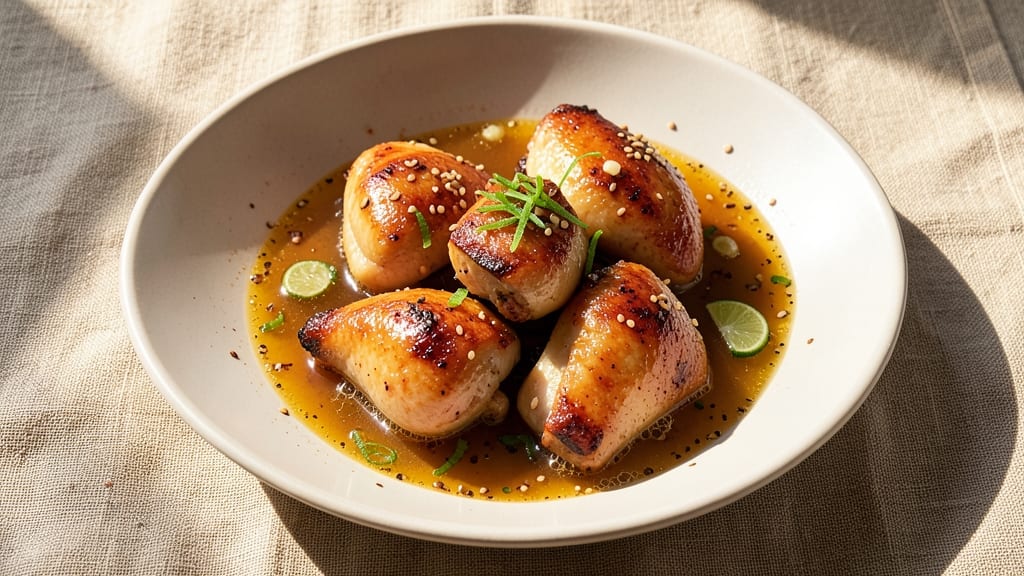
This cooking chicken in pineapple juice recipe transforms ordinary chicken into tender, caramelized perfection with a tropical twist. The natural acids in pineapple break down fibers while creating a sticky, sweet glaze that browns beautifully—no extra sugar needed.
I perfected this method after years of experimenting with marinades, and the results are restaurant-quality without the fuss.
The process is straightforward: chicken pieces simmer gently in pineapple juice until fork-tender, then finish under the broiler for a caramelized crust. The juice infuses the meat with bright, tangy-sweet flavors while keeping it moist.
This technique works equally well for thighs, drumsticks, or breasts, making it versatile for weeknight dinners or special occasions.
What you'll end up with is succulent chicken with crispy edges and a glossy glaze that's impossible to resist. The aroma alone will have everyone gathering at the table.
Serve with coconut rice or grilled vegetables to complete the tropical theme, or pair it with a fresh herb salad for contrast.
This dish delivers tender results every time while showcasing how simple ingredients can create extraordinary flavors. The pineapple juice does double duty as both tenderizer and glaze, eliminating the need for complicated sauces or marinades. Ready to try it?
Ingredients for cooking chicken in pineapple juice
Twelve ingredients transform ordinary chicken into restaurant-quality tropical perfection with minimal effort.
| Ingredient | Amount | Notes |
|---|---|---|
| Boneless, Skinless Chicken Thighs 🍗 | 1 ½ lb | Cut into even-sized pieces |
| Fresh Pineapple Juice 🍍 | 1 ½ cups | From 1 medium pineapple |
| Brown Sugar 🍚 | 2 tbsp | Lightly packed for balance |
| Soy Sauce 🍶 | 2 tbsp | Low-sodium preferred |
| Garlic Cloves 🧄 | 4 cloves | Minced for depth of flavor |
| Fresh Ginger 🌿 | 1 tbsp | Grated, for aromatic warmth |
| Olive Oil 🫒 | 1 tbsp | Extra-virgin for richness |
| Lime Juice 🍋 | 1 tbsp | Freshly squeezed |
| Diamond Crystal Kosher Salt 🧂 | 1 tsp | Adjust to taste |
| Ground Black Pepper 🌶️ | ½ tsp | Freshly cracked for intensity |
| Fresh Cilantro 🌿 | ¼ cup | Chopped, for garnish |
| Sesame Seeds 🌾 | 1 tbsp | Toasted, for texture |
The pineapple juice is the star here—look for fresh, vibrant juice from a whole pineapple rather than canned, which often contains added sugars. Trader Joe's and Whole Foods carry excellent fresh pineapple options, or use a blender to extract juice from a ripe fruit. The chicken thighs are ideal for this method; their higher fat content ensures tenderness, while the skin adds crispiness during the broiling step. For optimal results, pat the chicken dry before cooking to promote better browning. The ginger and garlic should be freshly grated and minced—pre-minced garlic lacks the aromatic punch needed here.
No fresh pineapple juice? Coconut water or orange juice can substitute, though the flavor profile shifts slightly. The brown sugar is optional but enhances the caramelization—coconut sugar is a one-to-one swap for a more complex flavor. For extra depth, add a dash of fish sauce (if not avoiding it) or a pinch of red pepper flakes for heat. The sesame seeds can be omitted if unavailable, but the toasted flavor adds a satisfying crunch. If using pre-minced garlic, toast it briefly in olive oil to intensify its flavor before adding to the marinade.
This dish reheats beautifully—store in an airtight container for up to 3 days—though it's best enjoyed fresh. The pineapple juice marinade can be made 2 days ahead; simply store it in the fridge and bring to room temperature before using. For meal prep, cook the chicken fully and refrigerate the pieces separately from the sauce, then reheat both components together. The glaze thickens as it cools, so reheat gently to restore its glossy consistency. Garnish with fresh cilantro and sesame seeds just before serving to preserve their vibrant flavors.
Why You'll Love This Recipe
- Five-Ingredient Magic: The pantry already has most of this—chicken, garlic, soy sauce—and that pineapple juice? You can grab it on the way home. No fancy prep, no last-minute grocery runs. Just toss everything in one pot, and let the sugar and acid work their magic while you fold laundry.
- Sweet-Savory Balance: That brown sugar caramelizes into the chicken, while the pineapple juice keeps it juicy and tangy. The garlic? Oh, it’s there—warm, punchy, like a little flavor hug. It’s the kind of dish where every bite feels like a reward, not just dinner.
- Weeknight or Potluck: Make it for yourself on a Tuesday when you’re too tired to think, or double the batch for a BBQ where everyone else brought boring sides. The leftovers reheat like a dream, and the flavors actually improve the next day—honestly, I’ve eaten this cold straight from the fridge.
- Budget-Friendly Flex: Chicken thighs are cheaper than breasts, and pineapple juice lasts longer than fresh fruit. Soy sauce stretches the flavor without breaking the bank. Plus, this recipe feeds four for under $12—leftovers mean less takeout, and that’s always a win.
Step-by-step instructions for chicken cooked in pineapple juice
This method delivers perfectly tender chicken with a caramelized glaze that balances sweet, salty, and tangy flavors.
Prepare the Chicken and Glaze Base
Cut the 1.5 lb boneless, skinless chicken thighs into even-sized pieces, about 1-inch thick. This ensures uniform cooking. In a medium bowl, whisk together the 1.5 cups fresh pineapple juice, 2 tbsp brown sugar, 2 tbsp soy sauce, 1 tbsp lime juice, 1 tbsp grated fresh ginger, and 1 tbsp minced garlic cloves. This creates the marinade that will tenderize the chicken while building complex flavors.
Season the chicken pieces generously with 1 tsp Diamond Crystal kosher salt and 0.5 tsp ground black pepper. The salt penetrates the meat, while the pepper adds depth. Let the chicken sit in the marinade for at least 30 minutes at room temperature—this jumpstarts the tenderizing process and ensures even flavor distribution.
Sear the Chicken for Depth of Flavor
Heat 1 tbsp olive oil in a large skillet over medium-high heat until shimmering. Working in batches if needed, add the marinated chicken and cook for 3-4 minutes per side until golden brown and cooked through to an internal temperature of 165°F. The sear locks in juices and creates a flavorful crust that contrasts with the sweet glaze.
As the chicken cooks, the marinade will bubble and reduce slightly—this intensifies the flavors. If the pan becomes too dry, add 1-2 tablespoons of pineapple juice to deglaze and keep the chicken moist. Transfer the seared chicken to a plate and tent loosely with foil to keep warm.
Simmer the Glaze to Caramelized Perfection
Return the skillet to medium heat and add the reserved marinade from the bowl. Bring to a gentle simmer and cook for 5-7 minutes, stirring occasionally, until the liquid reduces by about half and thickens into a glossy, syrupy glaze. The sugar in the marinade will caramelize, adding a deep, rich flavor that coats the chicken.
Taste the glaze and adjust seasoning if needed—add a pinch more salt or a splash of lime juice for brightness. The glaze should coat the back of a spoon and cling to the chicken when poured over it. If it thickens too much, whisk in 1 tablespoon of water to loosen slightly.
Finish and Garnish for Presentation
Return the seared chicken to the skillet and spoon the caramelized glaze evenly over the top. Let it simmer for 1-2 minutes to heat through and allow the sauce to cling to the chicken. The residual heat will gently cook the glaze into a sticky, flavorful coating.
Transfer the chicken to a serving platter and garnish with 0.25 cup chopped fresh cilantro and 1 tbsp toasted sesame seeds. The cilantro adds a bright, herbaceous note, while the sesame seeds contribute a nutty crunch. Serve immediately while the glaze is still warm and sticky for the best texture.
Pro Tips For Making Cooking Chicken In Pineapple Juice
- Sear First, Simmer Second: After browning the chicken thighs in a hot pan (2-3 minutes per side), pour in the pineapple juice mixture without scraping up all the fond—leave about half behind. That dark, sticky bit clings to the chicken and adds depth to the sauce. I learned this the hard way when I washed it all into the pot and ended up with pale, flavorless chicken.
- Strain That Juice: Fresh pineapple juice is great, but if you’re using whole chunks, strain out the pulp before adding it to the sauce. That fibrous gunk thickens the liquid into glue and makes the dish gummy. (Yes, even if you’re impatient and want to skip it—trust me, your mouth will notice.)
- Balance the Sweet-Sour: Taste the sauce before adding the chicken back in. Pineapple juice can be way more acidic than you expect. If it’s too sharp, a pinch of brown sugar or a splash of soy sauce (not extra pineapple) will round it out. I used to dump in more juice and end up with a mouth-puckering mess.
- Garlic: Crush, Don’t Chop: Smash those garlic cloves with the flat side of your knife before mincing—it releases more flavor. Toss them in the pan while the chicken sears so they caramelize slightly instead of just boiling away. Sounds weird, but it works: the sauce will taste like garlic, not just "something that was in there."
Creative variations of these flavors
Tropical Fusion Twist
Swap the pineapple juice for coconut water and add 1 tbsp fish sauce for a Thai-inspired version. The coconut water keeps the chicken moist while the fish sauce adds umami depth.
Garnish with thinly sliced Thai basil and crushed peanuts for a restaurant-quality finish. This variation works especially well with chicken thighs or drumsticks. 🌴
Spicy Caribbean Heat
Boost the flavor by adding 1 tbsp hot sauce or 1 tsp cayenne pepper to the marinade. For extra heat, include 1 minced Scotch bonnet pepper (seeds removed for less intensity).
Serve with grilled plantains and black beans for a full Caribbean feast. The pineapple juice balances the spice beautifully. 🌶️
Honey-Glazed Sweetness
Replace the brown sugar with 3 tbsp honey for a deeper caramelization. Add 1 tsp ground cinnamon to the marinade for warmth. This version pairs perfectly with sautéed apples or candied pecans. The honey creates a richer glaze that clings to the chicken like a sticky, sweet blanket. 🍯
Grilled Pineapple Chicken
For a smoky twist, grill the chicken after searing. Brush the pieces with the pineapple glaze and grill over medium-high heat for 4-5 minutes per side, basting frequently.
The grill adds charred notes that contrast beautifully with the sweet glaze. Serve with grilled pineapple slices on top for a showstopping presentation. 🔥
Slow-Cooker Adaptation
Transform this into a hands-off meal by using a slow cooker. Combine all marinade ingredients, add the chicken, and cook on low for 4-5 hours or high for 2-3 hours.
Finish under the broiler for 3-5 minutes to caramelize. The slow cooking ensures fall-apart tenderness with minimal effort. Perfect for busy weeknights! ⏰
Vegetarian Option
Swap the chicken for extra-firm tofu or portobello mushrooms. Press tofu to remove excess water, then cube and marinate as directed. For mushrooms, slice them thickly and sear before simmering in the glaze. The pineapple juice tenderizes the tofu and mushrooms beautifully, creating a meaty texture. 🌱
Nutrition facts
Frequently asked questions
Can I use canned pineapple juice instead of fresh?
Fresh pineapple juice is ideal because it has more vibrant flavor and natural enzymes that tenderize the chicken better. However, if you must use canned, choose 100% pineapple juice with no added sugar—avoid juices with preservatives or thickeners. For extra brightness, add 1 tbsp lime juice to compensate for the lack of freshness. The texture of the glaze may be slightly less glossy, but the flavor will still be delicious.
Why does the chicken turn out dry sometimes?
Overcooking is the most common cause—chicken should reach 165°F internally but not sit in hot liquid too long. For extra moisture, reduce the simmering time to 3-4 minutes after adding the chicken back to the pan. Also, don't skip the sear—it creates a flavorful barrier that locks in juices. If using a slow cooker, always finish under the broiler to caramelize without overcooking.
Can I make this recipe with chicken breasts instead of thighs?
Yes, but thighs work better because their higher fat content stays juicier during cooking. For breasts, cut them into 1-inch thick cutlets and reduce the cooking time to 2-3 minutes per side after searing. Add 1 tbsp extra olive oil to the pan to prevent sticking. The pineapple glaze will still cling beautifully, but breasts may dry out faster if overcooked.
How do I store leftovers to keep the glaze from drying out?
Store the chicken and glaze separately in airtight containers—the glaze thickens as it cools. Reheat the chicken in a skillet over low heat with 1 tbsp water or pineapple juice to restore moisture, then pour the reheated glaze over the top. Leftovers keep well for 3-4 days in the fridge or 3 months in the freezer. Thaw frozen chicken in the fridge overnight for best results.
What's the best way to serve this dish for a crowd?
Double the recipe and use a large Dutch oven for even cooking. Serve family-style with the chicken in the center, surrounded by coconut rice and grilled vegetables. For easy serving, arrange chicken pieces on a platter with the glaze spooned over them, then garnish with cilantro and sesame seeds. Keep extra glaze warm in a slow cooker on low heat for basting during the meal.