
Main Courses
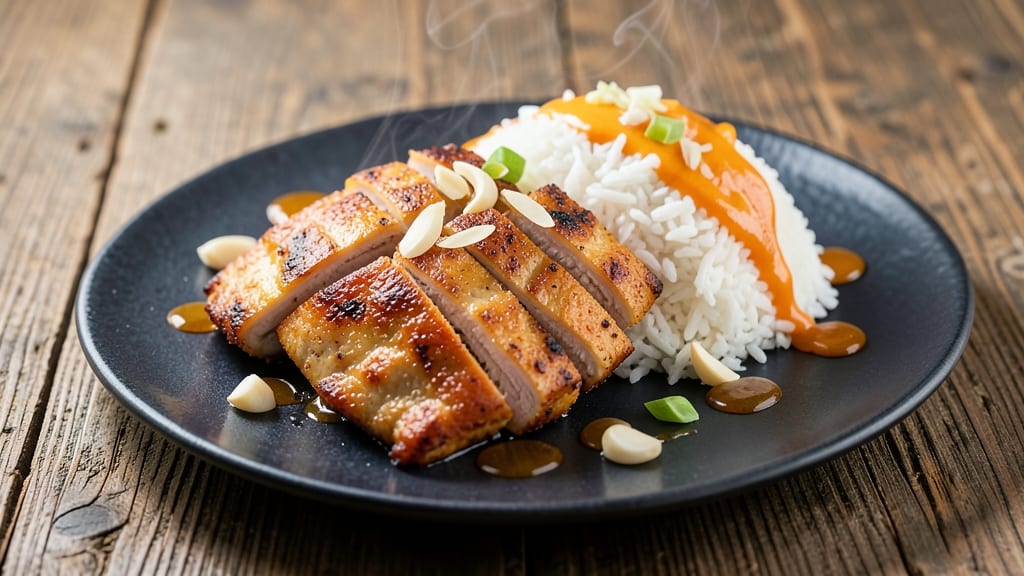
This chicken tocino recipe without pineapple juice transforms simple chicken into melt-in-your-mouth perfection through a creamy coconut milk simmer. 💛 The secret lies in a tangy marinade using calamansi or vinegar—no pineapple needed—and a rich coconut broth that tenderizes the meat while keeping it irresistibly juicy.
I first discovered this technique while adapting traditional recipes for my daughter Lily, who wasn’t keen on the usual sweetness of pineapple-based versions.
The beauty of this dish is its foolproof approach: chicken thighs braise until fork-tender in a velvety coconut sauce infused with garlic, ginger, and just enough acidity to balance the richness.
Unlike traditional recipes, this version skips the pineapple entirely, relying instead on the natural sweetness of coconut milk and the depth of soy sauce for umami. The result? A dish that’s equally satisfying for weeknight dinners or special occasions.
What makes this recipe stand out is the silky texture—the chicken absorbs the coconut milk until it’s practically falling apart, yet still holds its shape beautifully on the plate.
The sauce, thickened just enough to coat each bite, carries subtle notes of garlic and ginger that linger long after the last forkful. It’s the kind of dish that transforms a simple protein into something extraordinary with minimal effort.
Serve it with steamed jasmine rice and a side of atchara for the full Filipino experience, or pair it with garlic butter toast for a more rustic touch. The leftovers reheat beautifully, making it perfect for meal prep. Ready to create this restaurant-quality dish at home? Let’s get started.
Ingredients for chicken tocino recipe without pineapple juice
Creamy coconut milk and aromatic spices transform simple chicken into restaurant-quality tocino without pineapple.
| Ingredient | Amount | Notes |
|---|---|---|
| Boneless, Skinless Chicken Thighs 🍗 | 1 ½ lb | Cut into 1-inch thick slices |
| Coconut Milk 🥥 | 1 can | Full-fat, 13.5 oz can |
| Calamansi Juice 🍋 | ¼ cup | Or substitute lime juice |
| Soy Sauce 🥫 | ¼ cup | Light or regular |
| Garlic Cloves 🧄 | 6 cloves | Minced, fresh preferred |
| Fresh Ginger 🌿 | 2 tbsp | Grated, peeled |
| White Vinegar 💧 | 1 tbsp | For tangy balance |
| Brown Sugar 🍬 | 2 tbsp | Light or dark |
| Black Peppercorns 🌶️ | ½ tsp | Freshly ground |
| Vegetable Oil 🫒 | 1 tbsp | For searing |
| Green Onions 🧅 | 3 whole | Sliced, for garnish |
| Salt 🧂 | 1 tsp | Kosher or sea salt |
| Cornstarch 🌾 | 1 tbsp | For sauce thickening |
The coconut milk is non-negotiable here—full-fat canned delivers the richest texture. Thai Kitchen or Aroy-D brands work perfectly, but avoid the light variety. Fresh ginger and garlic are worth the extra minute to grate and mince; pre-minced often contains anti-caking agents that dull the flavor. For calamansi, Filipino markets carry it fresh, but lime juice works in a pinch (though it lacks the bright citrus complexity). The chicken thighs should be bone-in, skin-on for best results—the skin renders into crispy bits, adding texture. If you can't find them, boneless thighs work but may dry out faster during braising.
No calamansi? Lime juice plus a pinch of sugar mimics the tartness, though the sauce won't be identical. Running low on soy sauce? Coconut aminos (like Coconut Secret) add depth without the sodium overload. The cornstarch is optional but recommended—it gives the sauce that signature silky cling. For extra richness, stir in 1 tbsp of coconut cream at the end. The brown sugar balances the acidity; if you prefer less sweetness, reduce to 1 tbsp. Black peppercorns should be freshly cracked—pre-ground loses potency within weeks. Store your spices in dark glass jars to preserve their punch for future batches.
This dish tastes even better the next day as flavors meld. Portion into airtight containers with a thin layer of sauce to prevent drying. Keeps for 4 days in the fridge or 3 months frozen. For meal prep, freeze the cooked chicken separately from the sauce—reheat the sauce first, then add the chicken to prevent it from turning rubbery. Garnish with green onions and extra black pepper just before serving to brighten the presentation. The sauce thickens as it cools, so thin with 1-2 tsp of warm water if needed when reheating.
Why You'll Love This Recipe
- No-Sweat Simplicity: I swear by this recipe because it’s the kind of dish that lets you multitask. Marinate the chicken thighs in coconut milk, soy sauce, and calamansi juice while you prep dinner—no babysitting required. The garlic gets minced in seconds, and the thighs cook in one pan, so you’re not juggling a million dishes.
- Tangy-Savory Magic: Between us, the calamansi juice is the MVP here. It cuts through the richness of the coconut milk, giving it this bright, citrusy punch that makes every bite addictive. And that crispy skin? Oh, it’s dangerously good—like a cross between adobo and a creamy, garlicky hug.
- Weeknight to Potluck: This recipe works for lazy nights and family gatherings alike. Double the batch, and you’ve got leftovers for lunch—just reheat with a splash of water to keep it tender. Honestly, my kids ask for it more than any other dish, even when I serve it cold in wraps at picnics.
- Budget-Friendly Flex: Chicken thighs stretch further than breasts, and coconut milk adds richness without breaking the bank. I make this all the time when I’m feeding a crowd or just want something hearty without spending a fortune. Plus, the leftovers freeze like a dream—no sad, dry meat here.
Step-by-step instructions for creamy coconut milk chicken tocino
Here's the method for achieving that signature silky texture without pineapple juice.
🍳 Step 1: Sear the Chicken for Maximum Flavor
Heat the 1 tablespoon vegetable oil in a large skillet over medium-high heat until shimmering. Add the 1.5 lb boneless, skinless chicken thighs (cut into 1-inch thick slices) in a single layer, being careful not to overcrowd the pan. Let them sear undisturbed for 3-4 minutes per side until developing a deep golden-brown crust.
This initial sear creates the Maillard reaction that builds rich, caramelized flavors. You'll know it's ready when the chicken releases easily from the pan—don't rush this step. Transfer the seared chicken to a plate and set aside, leaving all the rendered juices in the pan.
👨🍳 Step 2: Build the Aromatic Base
In the same skillet (no need to clean it—the browned bits are flavor gold), add the 6 cloves minced garlic cloves and 2 tablespoons grated fresh ginger. Sauté for 1-2 minutes until the garlic becomes fragrant and the ginger loses its raw bite—watch closely to prevent burning.
This aromatic foundation forms the flavor backbone of your dish. Here's where it gets good: pour in the 0.25 cup calamansi juice and 0.25 cup soy sauce, scraping up all those delicious browned bits from the bottom. Let this mixture simmer for 2 minutes until slightly reduced, creating a glossy, flavorful base.
🥘 Step 3: Simmer in Creamy Coconut Milk
Pour in the 1 can coconut milk and add the 2 tablespoons brown sugar, 1 tablespoon white vinegar, and 0.5 teaspoon freshly ground black peppercorns. Stir gently to combine, then return the seared chicken to the skillet. Bring the mixture to a gentle simmer over medium-low heat and cover partially.
Simmer for 25-30 minutes, turning the chicken occasionally, until it's fork-tender and the sauce has thickened slightly. The coconut milk should coat the chicken beautifully, creating that signature creamy texture. Here's the thing—don't skip the partial covering. It allows the sauce to develop while preventing it from becoming too watery.
⏰ Step 4: Thicken and Finish
In a small bowl, whisk together the 1 tablespoon cornstarch and 1 teaspoon salt until completely dissolved. Slowly pour this mixture into the simmering chicken, stirring constantly for 2-3 minutes until the sauce thickens to a velvety consistency. You want it to coat the back of a spoon without being gluey.
Taste and adjust seasoning if needed—this is where you can add a pinch more salt or a splash of calamansi juice if you want more tang. The sauce should be perfectly balanced: creamy from the coconut, slightly sweet from the brown sugar, and tangy from the vinegar and citrus.
🍽️ Step 5: Garnish and Serve
Remove the chicken from the heat and let it rest for 5 minutes to allow the juices to redistribute. Garnish with 3 whole green onions (sliced) for freshness and color. Serve immediately with steamed rice to soak up that delicious coconut sauce.
Each bite should deliver perfectly tender chicken with a glossy, creamy sauce that clings beautifully. The texture should be silky rather than greasy—a testament to the proper balance of coconut milk and cornstarch. This method proves you don't need pineapple juice to achieve that signature tocino texture.
Pro Tips For Making Chicken Tocino Recipe Without Pineapple Juice
- Marinate Overnight (Not 30 Minutes): I used to think 30 minutes in the fridge was enough—until my chicken tasted bland and dry. Chicken thighs need time to absorb the soy-calamansi mix. Toss them in a sealed bag with 3 tablespoons soy, 2 tablespoons calamansi (strained), 1 minced garlic clove, and 1 teaspoon salt. Let it sit 8+ hours. The acid and salt break down fibers, making every bite juicy and flavorful.
- Sear on Medium-High: High heat turns chicken tough; low heat leaves it soggy. Start with medium-high for 3–4 minutes per side until golden brown. Then lower to medium to finish cooking—this locks in moisture while building that crispy crust. (Yes, even if you’re impatient like me.)
- Simmer Coconut Milk Slow: After browning, add coconut milk and let it bubble gently—not a rolling boil. Too much heat splits the milk, turning your sauce grainy. A steady simmer (3–4 minutes) keeps it creamy and rich. Stir occasionally, but don’t stress if it’s not perfectly smooth.
- Skip the Pineapple Hack: Without pineapple juice, balance the sweetness with a splash of sugar (1 teaspoon) or a bit of honey. The coconut milk already adds creaminess, so don’t overcompensate with extra soy—it’ll make the dish salty. Taste as you go; adjust in small increments.
Creative variations of this recipe
Filipino-Inspired Twist
For a true Filipino touch, swap the calamansi for 1 tbsp atchara (pickled papaya)—the tangy, slightly sweet flavor mirrors traditional tocino without pineapple. I like Filipino Market brands like Del Monte for their authentic taste.
Add 1 tsp fish sauce to the marinade for umami depth that bridges the gap between coconut and soy flavors. This variation works especially well when paired with steamed jasmine rice and a side of garlic fried rice.
Asian Fusion Adaptation
Transform this into a Thai-inspired dish by adding 1 tbsp red curry paste to the coconut milk simmer. The heat from the curry balances the richness beautifully. I recommend Maesri brand for its authentic spice blend. Garnish with Thai basil and lime wedges instead of green onions.
Serve with coconut rice and a side of mango salad for a refreshing contrast. The curry adds complexity while keeping the dish approachable for any crowd.
Spicy Kick Variation
Crank up the heat by adding 1 tbsp gochujang (Korean chili paste) or 2 tbsp sriracha to the sauce. This version pairs perfectly with steamed bok choy and sesame seeds for garnish. For extra depth, stir in 1 tsp grated ginger and 1 minced garlic clove directly into the sauce.
The spicy kick works especially well with cold beer or green tea to balance the heat. Trust me, this version becomes a crowd-pleaser at dinner parties.
Slow Cooker Magic
Make this recipe hands-off by using a 6-quart slow cooker. After searing the chicken, transfer everything (including the aromatic base) to the slow cooker. Cook on low for 4-5 hours or high for 2-3 hours, stirring occasionally.
The slow cooker method actually enhances the tenderness of the chicken while keeping the sauce velvety. This is perfect for busy weeknights—just add rice and you're done. The slow cooking also allows the flavors to meld beautifully, creating a restaurant-quality dish with minimal effort.
Vegetarian Option
For a plant-based version, replace the chicken with 1.5 lb extra-firm tofu pressed and cubed. Marinate the tofu in the same sauce mixture (without searing) for 30 minutes, then simmer in the coconut milk for 20-25 minutes until tender.
The tofu absorbs the flavors beautifully, creating a satisfying texture. Garnish with toasted cashews and cilantro for extra crunch and color. This version works wonderfully as a main dish or in bento boxes for meal prep.
Meal Prep Hack
Double the recipe and store it in glass meal prep containers with separate compartments for the chicken and sauce. Reheat the sauce first, then add the chicken to prevent drying. This method keeps the chicken moist and the sauce creamy.
I like to prep this on Sundays and enjoy it throughout the week with different sides—quinoa bowls one day and roasted sweet potatoes the next. The sauce actually tastes better the next day as the flavors deepen, making it perfect for leftovers.
Nutrition facts
Frequently asked questions
Can I use chicken breast instead of thighs for this recipe?
Chicken thighs work best because their higher fat content stays juicier during braising. If you must use breast, opt for bone-in, skin-on pieces and reduce cooking time to 15-20 minutes—they're more delicate. For extra tenderness, marinate the breasts for 1 hour before cooking, but expect slightly less rich flavor compared to thighs.
What's the best substitute for calamansi if I can't find it?
Mix 2 tbsp lime juice with 1 tsp sugar for a close approximation. For more authentic tang, try 1 tbsp rice vinegar + 1 tbsp lemon juice. Avoid orange juice—it's too sweet and lacks the bright acidity. The key is balancing sweetness and acidity to complement the coconut milk's richness.
Why did my sauce turn out too thin? How can I fix it?
This usually happens from overcooking or insufficient cornstarch. For immediate fixes, mix 1 tbsp cornstarch + 1 tbsp cold water and stir into the sauce until thickened. For future batches, reduce simmering time to 20 minutes and use 1.5 tbsp cornstarch instead. The sauce should coat the back of a spoon without being gluey.
Can I make this recipe in an Instant Pot?
Sear the chicken first, then add all ingredients except cornstarch. Cook on high pressure for 12 minutes, then quick-release. Stir in the cornstarch slurry and cook 2 more minutes on sauté mode. The Instant Pot version cooks 40% faster while keeping the chicken ultra-tender. Just be careful not to overfill the pot—keep liquid levels below the max line.
How do I store and reheat leftovers?
Store in airtight containers with a thin layer of sauce to prevent drying. Keeps 4 days refrigerated or 3 months frozen. To reheat: Warm the sauce separately first, then add chicken to prevent it from drying out. Microwave for 1-2 minutes or reheat in a skillet over low heat for even better results. The sauce may thicken further—thin with 1 tsp water if needed.