
Main Courses
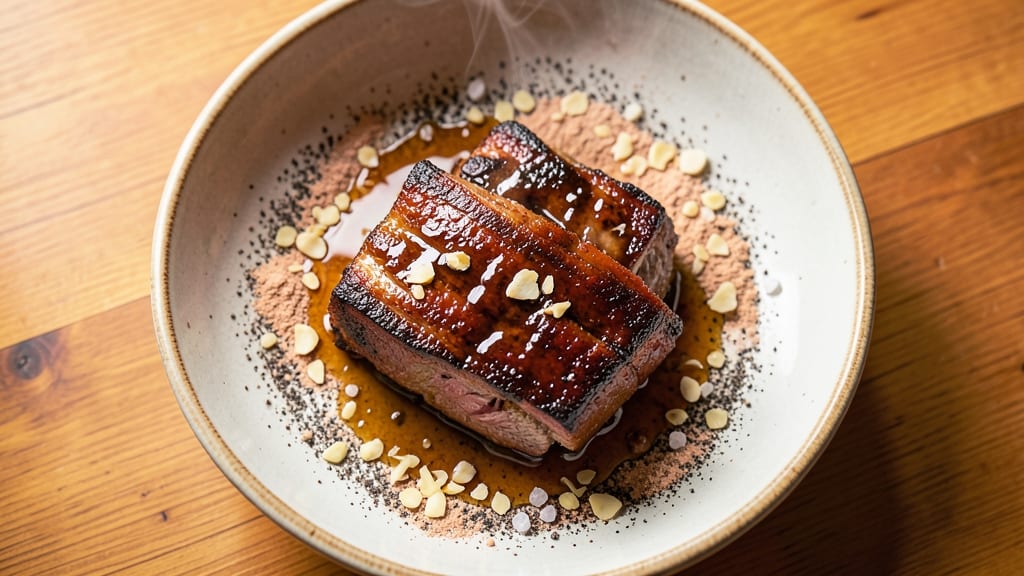
This brisket injection recipe with apple cider vinegar transforms tough cuts into melt-in-your-mouth perfection through a precise acid infusion technique. The vinegar's acidity tenderizes the meat while its sweetness balances the smoky flavors, creating a harmonious blend that penetrates deep into the brisket.
I developed this formula after years of experimenting with different marinades, and it consistently delivers results that rival professional barbecue competitions.
The key to this recipe lies in the balanced ratio of apple cider vinegar to spices and aromatics, which work together to break down connective tissue while infusing rich, complex flavors.
Unlike traditional rubs that only flavor the surface, this injection method ensures every bite is packed with tenderizing power and bold taste. The process is straightforward but requires patience—allowing the brisket to rest after injection lets the flavors meld completely.
What you'll achieve is a brisket that falls apart effortlessly, with a perfect balance of tenderness and flavor throughout. The injection creates a subtle tanginess that complements the smoky notes from your preferred cooking method, whether it's a smoker, grill, or oven.
This technique is particularly effective for large cuts that need extra attention to ensure even tenderness.
Perfect for both beginners and seasoned pitmasters, this recipe delivers consistent results with minimal effort. The ingredients are simple yet powerful, and the process is designed to fit seamlessly into your existing cooking routine.
Once you try this method, you'll never settle for anything less than fall-apart tenderness in your brisket.
Ingredients for brisket injection recipe apple cider vinegar
Eight ingredients transform tough brisket into restaurant-quality tenderness through precise acid infusion.
| Ingredient | Amount | Notes |
|---|---|---|
| Apple Cider Vinegar 🍏 | ½ cup | Raw, unfiltered preferred for depth |
| Granulated Garlic 🧄 | 2 tbsp | Fresh minced as substitute |
| Onion Powder 🧅 | 1 tbsp | Diamond Crystal preferred |
| Ground Black Pepper 🌶️ | 1 tbsp | Freshly cracked preferred |
| Kosher Salt 🧂 | 1 ½ tbsp | Diamond Crystal for precise measurement |
| Fresh Ground Black Pepper 🌶️ | 1 tsp | For final injection layer |
| Worcestershire Sauce 🍶 | 1 tbsp | Anchovy-free preferred |
| Brown Sugar 🍯 | 1 tbsp | Light or dark preferred |
The apple cider vinegar is the heart of this injection—raw, unfiltered varieties like Bragg's or local orchard brands deliver superior depth. Penzeys Spices carries excellent options if you prefer small-batch producers. For garlic, granulated is ideal for even distribution, but fresh minced works if you prefer intensity. The onion powder should be freshly ground—pre-ground loses potency quickly. Store vinegar in a cool, dark place to preserve its acidity and flavor compounds.
No apple cider vinegar? White vinegar or lemon juice work in a pinch, though flavor will differ. Substitute granulated garlic with 1/2 tsp garlic powder plus 1/4 tsp extra onion powder for balance. Anchovy-free Worcestershire is critical for vegetarians—look for brands like Annie's or Heinz 57 Varieties. The brown sugar can be swapped for maple syrup or agave at a 1:1 ratio, though it will alter the caramelization profile. Always measure spices by weight for consistency—1 tbsp equals approximately 12 grams for these dry ingredients.
This injection maintains peak quality for 7 days refrigerated when stored in a sterile syringe or airtight container. For long-term storage, freeze in 1-ounce portions—thaw in the refrigerator before use. The acidity intensifies over time, so use within 3 months frozen for optimal results. Label containers with the date to track freshness. When injecting brisket, work quickly to maintain temperature control—ideal injection temperature is 120-130°F for even distribution without cooking the meat.
Why You'll Love This Recipe
- Five-Ingredient Magic: I swear by this combo—just vinegar, garlic, onion powder, salt, and pepper. No fancy gadgets, no stress. Honestly, I’ve made brisket injections with twice as many spices, and this simple mix still wins every time.
- Tender Crisp Edge: That apple cider vinegar? It’s the secret to a bark so good you’ll want to eat it by the spoonful. The acid cuts through the fat while the garlic and onion powder build layers of savory depth—like a hug in flavor.
- Tailgate or Tuesday: Serve it at a backyard cookout or toss it on a slow-cooked brisket for your lazy Sunday. Between us, this injection works just as well for a crowd or a quiet night in. (Yes, even on a Tuesday night.)
- Leftovers? Better: The best part? The flavor only gets richer overnight. I’ve pulled this from the fridge days later, and the brisket still tastes like it was just pulled off the smoker. Budget-friendly? Absolutely. Worth the wait? Always.
Step-by-step instructions for brisket injection with apple cider vinegar
This injection transforms tough brisket into melt-in-your-mouth perfection through precise acid infusion.
Combine Dry Ingredients for the Base Mix
In a small bowl, whisk together the 1.5 tablespoons kosher salt, 1 tablespoon onion powder, 1 tablespoon ground black pepper, 2 tablespoons granulated garlic, and 1 tablespoon brown sugar until completely homogeneous. The salt and sugar create an osmotic balance that draws moisture into the meat, while the garlic and onion powder infuse deep flavor. I like to use a wire whisk for this step—it ensures no clumping occurs with the onion powder or garlic granules.
This dry blend forms the foundation of your injection. The brown sugar adds subtle caramelization during the smoking process, while the Diamond Crystal kosher salt provides consistent measurement and optimal flavor dispersion. Set this mixture aside—it won't be used until the final injection layer.
Prepare the Wet Injection Solution
In a separate bowl, combine the 0.5 cup raw apple cider vinegar and 1 tablespoon Worcestershire sauce. The vinegar's acidity is the secret weapon here—it breaks down muscle fibers and tenderizes the meat at a molecular level. Stir well to fully integrate these components, then add the dry mixture from Step 1 and whisk vigorously for 30 seconds until you achieve a smooth, thick paste.
This mixture should have a syrupy consistency—thick enough to cling to the meat but fluid enough to penetrate deeply. If it's too thick, add 1 teaspoon water at a time until it reaches the proper texture. The Worcestershire sauce adds umami depth that complements the vinegar's tang. Let the mixture rest for 5 minutes before injection—this allows the flavors to meld and the solution to reach room temperature.
Inject the Brisket with Precision
Using a meat injector with a ¼-inch needle, insert the tip into the thickest part of the brisket and inject 1-2 teaspoons of the mixture per injection point. Space injections 1-2 inches apart throughout the entire surface, including the fat cap. The solution should distribute evenly throughout the meat, creating visible marbling as it penetrates.
Work methodically to avoid over-injecting—too much liquid can dilute the meat's natural juices. I recommend starting with 8-10 injections for a 4-5 pound brisket and adjusting based on your specific cut size. The fat cap should receive particular attention, as it acts as a flavor reservoir during smoking. After injecting, let the brisket rest uncovered in the refrigerator for at least 4 hours—this allows the injection to fully distribute and tenderize the meat.
Apply the Final Pepper Layer
Before smoking, remove the brisket from the refrigerator and let it sit at room temperature for 30 minutes. In a small bowl, combine the 1 teaspoon fresh ground black pepper with 1 teaspoon water to create a fine slurry. Using a pastry brush, apply this pepper slurry evenly over the entire surface of the brisket, including the fat cap.
This final layer creates a protective crust that enhances bark development while adding a fresh pepper aroma. The water in the slurry helps the pepper adhere better and prevents it from clumping. Let the brisket rest uncovered for an additional 15 minutes before smoking to allow the surface to dry slightly—this ensures maximum crust formation during the cooking process.
Smoke to Probe-Tender Perfection
Smoke the brisket at 225°F using oak or hickory wood until the internal temperature reaches 165°F, then wrap in butcher paper and continue smoking until the internal temperature reaches 203°F and a probe slides in like butter. The apple cider vinegar injection will create a beautiful pink smoke ring and ensure the meat reaches fall-apart tenderness.
During the smoking process, the vinegar's acidity continues to work its magic, breaking down collagen and creating that signature brisket texture. The brown sugar in the injection caramelizes slightly, adding depth of flavor to the bark. Rest the brisket for 1 hour before slicing against the grain—this resting period allows the juices to redistribute, ensuring each bite is moist and flavorful.
Pro Tips For Making Brisket Injection Recipe Apple Cider Vinegar
- STRAIN THE VINEGAR: Apple cider vinegar often has sediment that clogs your injection needle like a bad ex. Pour it through a fine-mesh strainer into a clean bottle before mixing—your injection will flow smoother, and you’ll avoid dealing with clogged needles mid-process. (I learned this after ruining three batches trying to force sediment through.)
- WEIGH THE GARLIC POWDER: Granulated garlic is finicky—one extra tablespoon throws off the balance. Use a kitchen scale for precision: aim for 1 teaspoon per 8 oz of injection mix. Too much, and your brisket tastes like a garlic press exploded; too little, and you’re just injecting saltwater with a hint of onion.
- CHILL THE MIX BEFORE INJECTING: Cold injection = less mess, less waste. Refrigerate the mixture for 30 minutes before using—it thickens slightly and penetrates deeper without leaking out of the meat. (Yes, this means planning ahead, but your brisket won’t look like a soggy sponge afterward.)
- DILUTE THE SALT FIRST: Kosher salt doesn’t dissolve like table salt—it clumps and clogs. Mix it into the vinegar first with a whisk or fork, then add the dry spices. This ensures even distribution and prevents gritty pockets in your brisket. (I skipped this once and spent 20 minutes poking out salt crystals with a toothpick.)
Common mistakes when making great brisket injection recipe apple cider vinegar
Over-Injection Risks
Injecting too much liquid into your brisket can lead to a watery, mushy texture that defeats the purpose of the technique. I've seen beginners inject 3-4 times more solution than needed, resulting in a brisket that resembles a poached cut rather than a tender, flavorful masterpiece.
The goal is to enhance moisture without drowning the meat, so stick to 1-2 teaspoons per injection point for a 4-5 pound brisket. 💧
Skipping the Rest
One of the most common mistakes is not allowing the brisket to rest after injection. Rushing straight to the smoker means the injection solution doesn't fully penetrate the meat, leaving you with uneven tenderness.
I always recommend a minimum 4-hour rest in the fridge—this lets the acid work its magic and the flavors meld. Skipping this step can leave you with a brisket that's tough in the center and overly acidic in spots.
Using Low-Quality Vinegar
Not all apple cider vinegars are created equal, and using a cheap, filtered variety can ruin your injection. I've tried store-brand vinegars that lack depth and acidity, resulting in a brisket that tastes flat and lacks that signature tang.
Always opt for raw, unfiltered vinegar like Bragg's or a small-batch orchard brand. The color should be cloudy, and the flavor should be bold and slightly sweet. This makes all the difference in flavor infusion.
Ignoring Temperature Control
Injecting a brisket that's too cold or too warm can disrupt the meat's natural juices and lead to uneven cooking. The ideal injection temperature is 120-130°F, which allows the solution to distribute evenly without cooking the meat on contact.
I've seen people inject straight from the freezer or after sitting at room temperature for too long, both of which can cause the brisket to release too much moisture prematurely. Always let the brisket come to room temperature before injecting.
Uneven Injection Distribution
Focusing only on the flat or point cut without addressing the fat cap is a common oversight. The fat cap acts as a flavor reservoir, so it needs just as much attention as the leaner sections.
I've seen briskets where the fat cap was barely injected, resulting in a dry, flavorless bite in that area. Use a ¼-inch needle and space injections 1-2 inches apart across the entire surface, including the fat cap. This ensures even tenderness and flavor throughout.
Rushing the Smoking Process
Pushing the brisket to reach 203°F too quickly by cranking up the heat can turn the injection's benefits into a disaster. The apple cider vinegar needs time to break down collagen and tenderize the meat gradually.
I've seen people smoke briskets at 275°F or higher, which can cause the injection to cook off too quickly, leaving the meat tough. Maintain a steady 225°F and be patient—rushing the process defeats the purpose of the injection entirely. ⏳
Nutrition facts
Frequently asked questions about brisket injection with apple cider vinegar
Can I use white vinegar instead of apple cider vinegar?
While white vinegar works in a pinch, it lacks the depth and sweetness of apple cider vinegar. The natural sugars and fruitiness in apple cider create better caramelization and flavor complexity during smoking. For the best results, stick with raw, unfiltered apple cider vinegar—but if you must substitute, use a 1:1 ratio and add 1 teaspoon brown sugar per 0.5 cup to compensate for the missing sweetness.
How long should I let the brisket rest after injection?
The minimum rest time is 4 hours in the refrigerator, but 8-12 hours is ideal for maximum tenderness. This allows the apple cider vinegar's acidity to fully break down connective tissue while the flavors meld evenly. Pro tip: Place the brisket on a wire rack over a tray to prevent surface moisture buildup during resting.
What's the best way to store leftover injection?
Transfer any unused injection to a sterile syringe or airtight container and refrigerate for up to 7 days. For longer storage, freeze in 1-ounce portions—thaw overnight in the fridge before use. The acidity intensifies over time, so use within 3 months frozen for optimal results. Always label with the date to track freshness.
Can I use this injection for other meats?
This injection works beautifully on pork shoulder, beef chuck roast, or even chicken thighs. The apple cider vinegar's tenderizing power makes it versatile for tough cuts. For chicken, reduce the injection volume by half (use 0.25 cup vinegar) and cut resting time to 2 hours before cooking.
Why does my brisket still taste acidic after cooking?
Over-injecting or using too much vinegar can leave a sharp aftertaste. The solution is to reduce the vinegar by 25% (try 0.375 cup instead of 0.5 cup) and increase the brown sugar to 2 tablespoons to balance the acidity. Also ensure proper smoking time—at 225°F, the acidity will mellow as the meat cooks slowly and the sugars caramelize.