
Salads
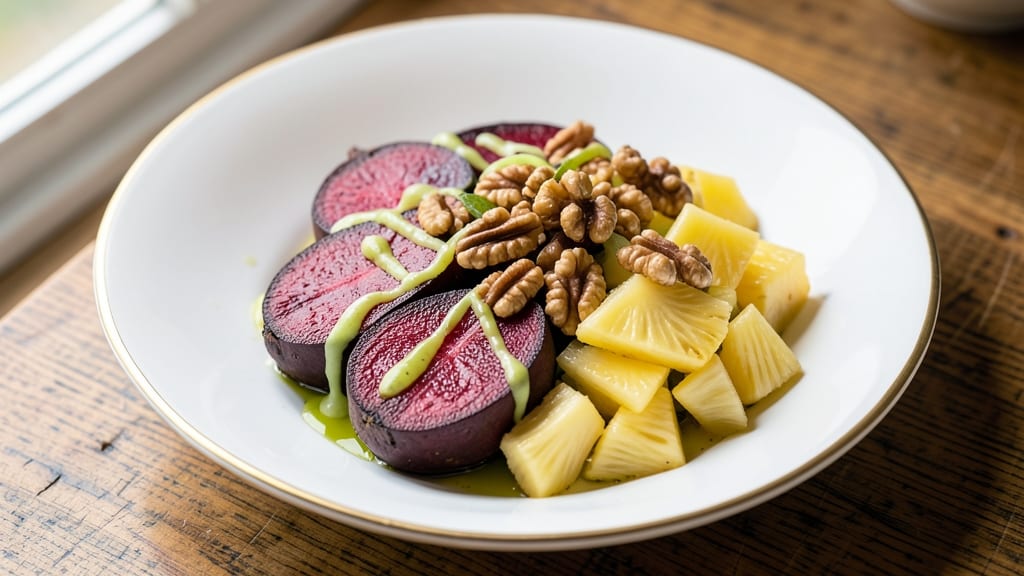
This beetroot and pineapple salad recipe transforms humble ingredients into a vibrant, texturally exciting dish that balances earthy sweetness with bright tartness in just 15 minutes.
The secret lies in roasting the beets until tender yet firm—never mushy—and pairing them with crisp pineapple chunks that add a refreshing contrast. I developed this recipe after realizing how often salads lack depth; this one delivers complex flavors without requiring fancy techniques.
The magic happens when you toss warm beets with fresh pineapple, a zesty lime dressing, and toasted nuts for crunch—each bite offers a perfect harmony of textures and flavors. No special equipment needed beyond a cutting board and mixing bowl, making it ideal for weeknight dinners or meal prep.
The roasting step caramelizes the beets naturally, enhancing their sweetness without added sugar.
What you'll end up with is a salad that's visually stunning—deep ruby beets against golden pineapple—and packed with nutrients. The lime dressing cuts through the richness, while the toasted nuts add a satisfying crunch that keeps every bite interesting.
This isn't just another salad; it's a flavor-packed centerpiece that works as a main dish or side.
Serve it chilled or at room temperature, and don't be afraid to customize with your favorite herbs or proteins. The possibilities are endless, but the core technique remains foolproof. Let's get started on this refreshing, restaurant-worthy salad that proves healthy eating can be delicious too.
Ingredients for beetroot and pineapple salad
Vibrant beets meet tropical pineapple in this 15-minute salad that delivers restaurant-worthy flavor with minimal effort.
| Ingredient | Amount | Notes |
|---|---|---|
| Medium Beetroots 🍠 | 2 whole | Organic preferred, scrubbed clean |
| Fresh Pineapple 🍍 | 1 cup | Cubed, fresh or canned in juice |
| Extra-Virgin Olive Oil 🫒 | ¼ cup | For roasting and dressing |
| Fresh Lime Juice 🍋 | ⅓ cup | Freshly squeezed, no pulp |
| Raw Walnuts 🥜 | ½ cup | Toasted, roughly chopped |
| Red Wine Vinegar 🍷 | 2 tbsp | For tangy dressing balance |
| Honey 🍯 | 1 tbsp | For subtle sweetness |
| Diamond Crystal Kosher Salt 🧂 | 1 tsp | For seasoning and dressing |
| Fresh Mint Leaves 🌿 | ¼ cup | Chopped, for freshness |
| Garlic Cloves 🧄 | 2 cloves | Minced for dressing depth |
| Greek Yogurt 🥛 | ¼ cup | Plain, full-fat preferred |
| Fresh Cilantro 🌱 | 0.16 cup | Chopped, optional garnish |
The beets are the star—look for deep ruby, firm varieties at Whole Foods or your local farmers market. Smaller beets roast more evenly, so medium-sized ones work best here. If you can't find fresh pineapple, canned in its own juice (not syrup) is a great shortcut. Toast your walnuts in a dry pan for 3-4 minutes until fragrant—they'll add that essential crunch. For the lime juice, Mexican limes have more punch than Persian, but any fresh lime works. The Greek yogurt adds creaminess without dairy heaviness, and full-fat version creates the best texture.
No fresh mint? Dried mint at one-third the amount works, though it lacks the bright freshness. Short on walnuts? Pecans or almonds toast just as well. The honey can be swapped for maple syrup if you prefer, though honey's floral notes complement the beets beautifully. For extra depth, add a pinch of smoked paprika to the dressing. If you're roasting multiple beets, poke holes with a fork first—it helps them cook faster and keeps them from bursting. The dressing keeps best in the fridge for 3 days, so make it fresh if you're prepping ahead.
Roasted beets stay vibrant in the fridge for 5 days if stored in an airtight container with a paper towel to absorb moisture. Toasted nuts lose crunch after 2 days, so add them fresh before serving. This salad tastes even better the next day as flavors meld—double the dressing if you're meal prepping. Serve chilled or at room temperature, and don't be afraid to pile it high: the visual contrast of ruby beets against golden pineapple makes it a showstopper. Leftovers? Toss with grilled chicken or chickpeas for a complete meal.
Why You'll Love This Recipe
- No-Cook Magic: I swear by this when I’m too hot to turn on the oven. Roast the beets ahead of time (or grab pre-cooked ones), dice the pineapple, toss with lime and oil—done. That’s what I call effortless.
- Sweet-Savory Balance: The earthy beets and bright pineapple? A match made in flavor heaven. A squeeze of lime cuts through the sweetness while the walnuts add crunch—like a tropical twist on a classic charcuterie board.
- Lunchbox Hero: Pack this for work or school—it holds up for days. The beets stay tender, the pineapple stays juicy, and the dressing keeps everything fresh. (Yes, even my picky teen eats it cold.)
- Budget Brightener: Beets and pineapple are cheaper than you think—especially if you buy in season. One salad feeds four, and leftovers? Perfect for next-day wraps or a quick side. Zero waste, all win.
Step-by-step instructions for beetroot and pineapple salad
This vibrant salad comes together faster than you'd think—just a few simple steps separate you from a dish bursting with color and flavor.
Roast the Beetroots Until Tender and Caramelized
Preheat your oven to 400°F and wrap the 2 whole medium beetroots tightly in aluminum foil. Pierce each beetroot a few times with a fork to allow steam to escape. Place them on a baking sheet and roast for 45-50 minutes until they're fork-tender when pierced.
Here's the thing—roasting brings out the natural sweetness of the beetroots while creating that beautiful caramelized exterior. When you remove them from the oven, let them cool slightly before peeling. The skins should slide off easily once they've rested for 5 minutes. I like to cut them into ½-inch cubes for a satisfying bite, but you can also slice them thinly if you prefer.
Toast the Walnuts for Added Crunch and Depth
While the beetroots are roasting, spread the ½ cup raw walnuts on a separate baking sheet and toast them in the same 400°F oven for 8-10 minutes. You're looking for a light golden color and a nutty aroma—this is what adds that irresistible crunch to the salad.
Watch them closely after 5 minutes to prevent burning. Once they're toasted, let them cool for 2 minutes before roughly chopping them with a knife. The walnuts should be warm but not hot when you add them to the salad. This step is non-negotiable—raw walnuts just don't have the same impact.
Prepare the Sweet-Tart Dressing That Ties It All Together
In a small bowl, whisk together the 0.33 cup fresh lime juice, 2 tablespoons red wine vinegar, 1 tablespoon honey, 1 teaspoon diamond crystal kosher salt, 2 minced garlic cloves, and 0.25 cup extra-virgin olive oil. Start with the lime juice and honey, then add the vinegar and salt. Finally, slowly drizzle in the olive oil while whisking continuously.
The dressing should be emulsified and glossy—almost like a light vinaigrette. If it separates, just give it another quick whisk. This dressing is the secret weapon—it balances the earthy beetroots with the sweet pineapple and adds a bright, tangy finish. Taste it before adding to the salad and adjust the salt or honey as needed.
Assemble the Salad with Fresh Herbs and Garnishes
In a large bowl, combine the cooled, cubed beetroots, 1 cup fresh pineapple cubes, 0.25 cup chopped fresh mint leaves, and 0.25 cup plain Greek yogurt. Gently toss everything together until the yogurt is evenly distributed. This step is where the magic happens—the yogurt adds creaminess while keeping the salad light.
Next, fold in the toasted walnuts and pour the dressing over the salad. Toss gently but thoroughly to coat every ingredient. The salad should look vibrant and inviting—deep reds from the beetroots, bright yellows from the pineapple, and green accents from the mint. If you're using the 0.16 cup fresh cilantro, sprinkle it on top just before serving for that final fresh touch.
Serve Immediately for Maximum Freshness
Divide the salad among serving plates and let everyone dig in right away. The contrast of textures—creamy yogurt, crunchy walnuts, tender beetroots, and juicy pineapple—makes every bite exciting. This salad holds up well for 2 hours in the refrigerator if you need to prep ahead, but the flavors are best enjoyed fresh.
Here's a pro tip: If you want to take it to the next level, serve it with grilled chicken or shrimp on the side. The protein pairs beautifully with the bright, tangy flavors. And don't forget to taste as you go—adjust the dressing or herbs to suit your preferences. You've earned it!
Pro Tips For Making Beetroot And Pineapple Salad
- ROAST BEETS UNTIL TENDER: Beetroots should give slightly when pierced with a knife—overcooking turns them mushy. I learned this the hard way after serving a salad where the beets fell apart like wet cardboard. Aim for 45-55 minutes at 400°F (200°C), wrapped in foil for the first 30 minutes to soften evenly, then uncovered to caramelize.
- PEEL BEETS WHEN COOL: Hot beets slippery hands and peel like a nightmare. Let them cool 10 minutes after roasting, then rub off skins with your fingers—no peeler needed. This keeps your kitchen cleaner and saves you from peeling raw, stubborn skins that resist like a toddler’s stubbornness.
- TOSS WALNUTS IN HOT OIL: Toss raw walnuts in a dry pan over medium heat for 2-3 minutes before adding them to the salad. This crisps them up without burning, and the warm oil infuses their flavor better than cold nuts ever will. Skip this, and you’ll end up with soggy walnuts that taste like they’ve been sitting in the dressing for hours.
- USE YOUNG PINEAPPLE: Mature pineapple is sweeter but fibrous—opt for slightly underripe fruit (firm to the touch, no browning) for a cleaner texture. Cut it fresh if possible, but if using pre-cut, pat it dry with a paper towel to prevent a watery salad. The last thing you want is a soggy mess when you’re trying to showcase those roasted beets.
Troubleshooting this dish
Beets Too Soft
Over-roasted beets turn mushy and lose their vibrant color. The key is 45-50 minutes at 400°F—any longer and they'll collapse. I recommend testing one beet with a fork after 40 minutes; it should pierce easily but still hold its shape.
If you notice the skins splitting, that's normal, but the flesh should remain firm. For extra insurance, wrap them in two layers of foil to prevent moisture loss.
Pineapple Too Watery
Fresh pineapple releases juice when chopped, which can make your salad soggy. To fix this, pat the pineapple cubes dry with a paper towel before adding them to the salad. For a drier texture, use canned pineapple in juice (not syrup) and drain it thoroughly.
If you're prepping ahead, store the pineapple separately until ready to assemble. A quick spin in a salad spinner also helps remove excess moisture.
Dressing Separates
The dressing may split if you add the olive oil too quickly. To prevent this, whisk the lime juice, vinegar, honey, and salt together first until fully combined. Then, slowly drizzle in the olive oil while whisking vigorously.
For extra stability, add 1 teaspoon Dijon mustard to the dressing—it acts as a natural emulsifier. If it still separates, simply whisk again before tossing with the salad. A splash of warm water can also help re-emulsify it.
Walnuts Burn Quickly
Walnuts toast faster than you might expect, so keep a close eye on them. Start checking at 5 minutes—they're done when they're fragrant and lightly golden. If they darken too quickly, reduce the oven temperature to 375°F for the remaining time.
For even toasting, spread them in a single layer on the baking sheet. Once toasted, transfer them to a plate and let them cool for 2 minutes before chopping to prevent burning your fingers.
Herbs Lose Freshness
Fresh mint and cilantro can wilt quickly, especially if stored with the salad. To preserve their vibrancy, add them just before serving. If you must prep ahead, store the herbs separately in an airtight container with a damp paper towel.
For extra freshness, give them a quick rinse in cold water and pat them dry right before using. A sprinkle of ice water over the herbs can also help revive them if they start to droop.
Salad Too Heavy
If the salad feels too rich, reduce the Greek yogurt to 0.125 cup or swap it for light coconut yogurt. For a lighter texture, add ½ cup diced cucumber or ¼ cup shredded cabbage to balance the creaminess.
Another trick is to increase the dressing slightly—about 1 extra tablespoon—to refresh the palate. If the beets are too sweet, add a pinch of smoked paprika to the dressing for depth.
Nutrition facts
Frequently asked questions
Can I use canned pineapple instead of fresh?
Yes! Canned pineapple works perfectly—just choose pineapple in its own juice (not syrup) and drain it thoroughly before adding. For extra flavor, reserve 2 tablespoons of juice to use in the dressing. Drain well to avoid a soggy salad, and pat the cubes dry with a paper towel.
How do I make this salad ahead of time?
Roast the beets and toast the walnuts 1 day ahead—store them separately in airtight containers. Keep the pineapple and herbs fresh until serving. Assemble the salad 2 hours before eating and refrigerate (without the dressing). Toss with dressing just before serving to maintain crispness.
What if I don't have walnuts? No problem! Swap walnuts for pecans, almonds, or even pumpkin seeds—toast them the same way. For a seedless option, try sunflower seeds. Just
Can I make this salad spicier?
Add ½ teaspoon cayenne pepper or 1 teaspoon hot sauce to the dressing, or sprinkle chopped jalapeños on top. For smoky heat, include ½ teaspoon smoked paprika in the dressing. Start with small amounts—you can always add more!
Why does my dressing taste too sweet?
The honey in the dressing balances the tartness, but if it's too sweet, reduce it to ½ tablespoon and add 1 extra teaspoon of lime juice to brighten the flavor. For a tangier profile, increase the red wine vinegar by ½ teaspoon. Taste as you go—salad dressings are easy to adjust!