
Sauces & Condiments
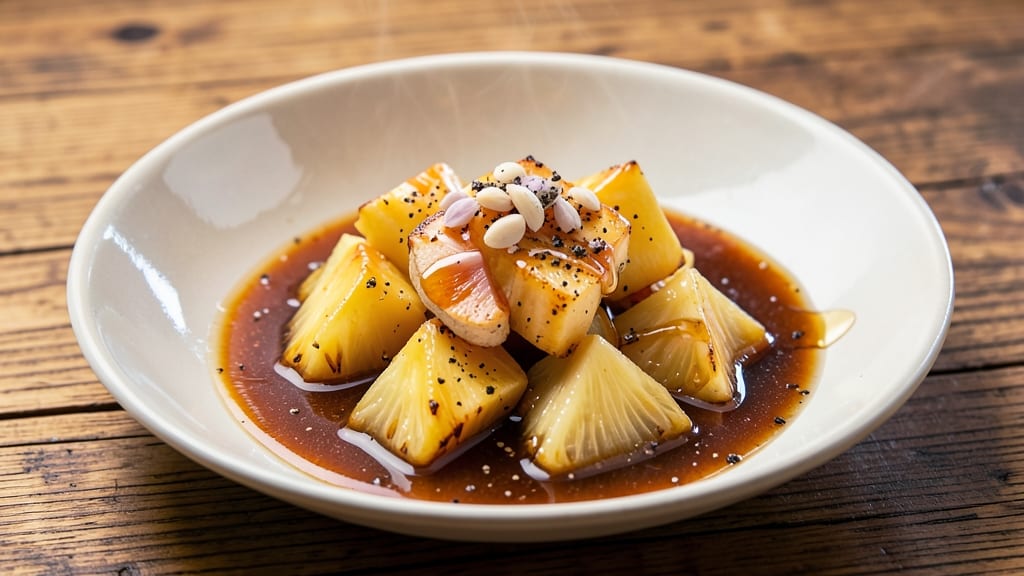
This Asian pineapple sauce recipe transforms simple ingredients into a vibrant, sweet-tangy glaze that elevates grilled meats, stir-fries, and more.
The secret lies in balancing pineapple's natural sweetness with the bright acidity of rice vinegar and the umami depth of soy sauce, creating a sauce that's both complex and easy to customize. What starts as a fragrant simmer reduces into a thick, syrupy consistency perfect for dipping, glazing, or marinating.
The beauty of this sauce is its versatility—it works as a bold dipping sauce for spring rolls, a glossy glaze for grilled chicken or pork, or even a tangy marinade for tofu or seafood.
The process is straightforward: combine fresh pineapple, vinegar, soy sauce, and a touch of ginger and garlic, then simmer until thickened. Adjust the sweetness or heat with honey or chili flakes to suit your taste, ensuring every batch is perfectly balanced.
What you'll end up with is a sauce that's rich in flavor yet light enough to let the main dish shine. The aroma alone—warm pineapple mingling with vinegar and spices—will have your kitchen smelling like a bustling Asian street market.
This isn't just a sauce; it's a flavor booster that turns ordinary meals into something extraordinary, all while keeping prep simple and efficient.
Once made, this sauce keeps well in the refrigerator for up to a week, making it ideal for meal prep or batch cooking. Whether you're hosting a barbecue or simply craving a flavorful twist on weeknight dinners, this pineapple sauce delivers restaurant-quality results with minimal effort.
Ready to transform your dishes?
Ingredients for asian pineapple sauce
Nine simple ingredients create this aromatic, sweet-tangy sauce that transforms grilled dishes instantly.
| Ingredient | Amount | Notes |
|---|---|---|
| Fresh Pineapple Chunks 🍍 | 1 ½ cups | Juicy, firm pineapple preferred |
| Rice Vinegar 💧 | ½ cup | White or seasoned variety |
| Soy Sauce 🍶 | ⅓ cup | Light or dark preferred |
| Fresh Ginger 🌿 | 1 tbsp | Finely grated, aromatic |
| Garlic Cloves 🧄 | 3 cloves | Minced, fresh preferred |
| Honey 🍯 | ¼ cup | Adjust for sweetness preference |
| Sesame Oil 🫒 | 1 tbsp | Toasted sesame oil for aroma |
| Red Chili Flakes 🌶️ | 1 tsp | Adjust for heat preference |
| Cornstarch 🌾 | 1 tsp | For thickening consistency |
| Water 💧 | 2 tbsp | For cornstarch slurry |
Pineapple is the star here. Fresh is non-negotiable—canned won't give you that bright, juicy punch. Look for pineapple with vibrant green leaves still attached at Trader Joe's or Whole Foods—they usually have the freshest cuts. The ginger and garlic? Freshly grated and minced make all the difference, but if you're in a pinch, jarred minced garlic works. For soy sauce, Kikkoman is my go-to, but any light or dark variety will do. Sesame oil adds that nutty aroma—toasted sesame oil has more depth than regular, but both work. Grab a small bottle if you don't use it often—it's pricey but worth it for this sauce.
No fresh pineapple? High-quality pineapple juice works in a bind—just reduce it first to mimic the texture. Swap honey for maple syrup or agave if you're avoiding refined sugar. The cornstarch slurry is key for that perfect thick consistency—mix it well to avoid lumps. Too tangy? Add a pinch more honey. Too sweet? Splash in more rice vinegar. Chili flakes can be omitted if you're avoiding heat, but I promise, they add just the right kick. For extra depth, a dash of fish sauce (if not vegetarian) or a pinch of MSG takes it to the next level—trust me on this.
This sauce tastes even better the next day as the flavors meld. Store it in an airtight container in the fridge for up to 1 week. For longer storage, freeze it in ice cube trays—perfect for portion control. Reheat gently in a small saucepan over low heat, stirring until smooth. It thickens as it cools, so add a splash of water if it gets too stiff. I make double batches because it disappears fast—great for meal prep or gifting. The aroma alone will have your kitchen smelling like a bustling Asian street market.
Why You'll Love This Recipe
- Here’s what sold me: the way fresh ginger and garlic caramelize just enough to cut through the pineapple’s sweetness, while rice vinegar adds that bright, just-right bite. It’s the kind of flavor that makes you reach for more without even thinking.
- Five-Ingredient Magic: I swear by this recipe—just pineapple, vinegar, soy sauce, ginger, and garlic. That’s it. No fancy techniques, no hidden pantry staples, and no stress. The sauce practically assembles itself while you chop.
- Tangy-Sweet Balance: Here’s what sold me: the way fresh ginger and garlic caramelize just enough to cut through the pineapple’s sweetness, while rice vinegar adds that bright, just-right bite. It’s the kind of flavor that makes you reach for more without even thinking.
- Weeknight Workhorse: This sauce turns grilled chicken into a restaurant dish, drizzles over rice like a dream, and even elevates store-bought sushi. Honestly, I keep a jar in the fridge for lazy nights when I need something quick but still feels special.
Step-by-step instructions for Asian pineapple sauce
This sweet-tangy glaze comes together faster than you'd think—just 15 minutes on the stove.
Cook the Pineapple Until Soft
In a medium saucepan, combine the 1.5 cups fresh pineapple chunks, 0.5 cup rice vinegar, and 0.33 cup soy sauce. Bring to a gentle boil over medium-high heat, then immediately reduce to medium-low heat. Let it simmer uncovered for 5-6 minutes until the pineapple softens and releases its juices.
Here's the thing—you want the pineapple to break down just enough to release natural sweetness, but not so much that it turns to mush. You'll know it's ready when the chunks are tender but still hold their shape, and the mixture smells intensely fruity with a hint of vinegar. Stir occasionally to prevent sticking, but don't overdo it—you don't want to mash the pineapple.
Add Aromatics and Sweetener
Once the pineapple is tender, stir in the 1 tablespoon finely grated fresh ginger and 3 minced garlic cloves. Cook for 1-2 minutes until fragrant—you should smell that bright, zesty ginger and garlicky punch. Then add the 0.25 cup honey and 1 tablespoon sesame oil, stirring constantly. The sauce will thicken slightly as it simmers.
This is where the magic happens. The ginger and garlic infuse their flavors, while the honey balances the acidity from the vinegar. Taste as you go—if you want more heat, add the 1 teaspoon red chili flakes now. The sauce should be sweet, tangy, and just starting to coat the back of a spoon. If it's too thin, we'll fix that next.
Thicken the Sauce to Glaze Consistency
In a small bowl, whisk together the 1 teaspoon cornstarch and 2 tablespoons water until smooth. Slowly pour this slurry into the simmering sauce while stirring constantly. Keep the heat at medium-low and let it cook for 2-3 minutes until it thickens to a glossy, syrupy consistency—it should coat the back of a spoon but still be pourable.
Real talk: If it thickens too much, add 1 teaspoon water at a time until you reach that perfect glaze consistency. You want it to cling beautifully to grilled meats or noodles without being too stiff. The sauce should be vibrant, with a deep golden hue from the honey and a beautiful sheen from the sesame oil.
Cool and Adjust Seasoning
Remove the sauce from heat and let it cool for 5-10 minutes. This resting step is crucial—it allows all the flavors to meld together and gives you a chance to taste and adjust. Give it a stir and taste: the sweetness should balance the tang, with a subtle heat from the chili flakes and aromatic notes from the ginger and garlic.
If needed, add a splash more rice vinegar for extra tang or a drizzle of honey for more sweetness. The sauce should be vibrant, glossy, and ready to elevate any dish. Store any leftovers in an airtight container in the refrigerator for up to 5 days, or freeze for up to 3 months. It reheats beautifully—just warm gently on the stove with a splash of water to loosen it.
Pro Tips For Making Asian Pineapple Sauce
- CHAR THE GINGER FIRST: Fresh ginger’s bite dulls when it sits in liquid, so mince it right before adding it to the sauce—no waiting. I used to chop it ahead and wondered why my sauce tasted bland; now I just grab the knife when the pan’s hot.
- USE JUICY PINEAPPLE ONLY: Overripe pineapple (soft, mushy) turns your sauce into a watery mess. Pick firm but yielding chunks—when pressed, they should give slightly but not squish like overcooked fruit. The juice should be clear, not brownish.
- SIMMER LOW AND SLOW: High heat turns this sauce into a sticky glaze too fast, and you’ll end up with raw garlic chunks. Keep it at a gentle simmer—just enough bubbles to ripple the surface—and stir occasionally. Patience here means balanced flavor, not burnt bits.
- SALT THE SOY SAUCE: Store-bought soy sauce varies wildly in saltiness. Taste it first, then adjust with a pinch of extra salt or a splash of rice vinegar if it’s too strong. I learned this after ruining a batch where the sauce tasted like pure salt—now I double-check.
Regional styles of this recipe
Thai-Inspired Sweet Heat
In Thailand, this sauce becomes a nam prik—a sweet, spicy condiment called nam prik pao. Add 1 tbsp fish sauce and 1 tsp palm sugar (or brown sugar) after simmering the pineapple.
For heat, stir in 1-2 tbsp Thai bird’s eye chili paste—this version is perfect for dipping with spring rolls or drizzling over grilled pork skewers. The balance of sweet, salty, and fiery flavors is what makes Thai street food so addictive. 🌶️
Japanese Teriyaki Twist
For a Japanese-inspired take, replace the rice vinegar with 3 tbsp mirin and the honey with 2 tbsp white miso paste. Simmer the pineapple with 1 tbsp grated daikon radish (for umami depth) and finish with 1 tsp toasted sesame seeds.
This teriyaki-style glaze works beautifully on salmon or chicken skewers, offering a sweeter, richer profile. The miso adds a savory depth that pairs perfectly with grilled seafood. 🍣
Vietnamese Caramelized Version
Vietnamese cuisine loves caramelized sauces, so try this adaptation: After simmering the pineapple, add 2 tbsp coconut sugar and 1 tbsp coconut aminos (instead of soy sauce). Finish with 1 tsp black pepper and a splash of coconut milk for a luxurious texture.
This nuoc cham-inspired sauce is ideal for drizzling over grilled shrimp or beef banh mi sandwiches. The coconut adds a creamy contrast to the tangy-sweet base. 🥥
Korean Gochujang Glaze
For a Korean-inspired kick, stir in 1 tbsp gochujang (Korean chili paste) and 1 tsp sesame seeds after adding the honey. The gochujang brings a deep, fermented heat that complements the pineapple’s brightness.
This gochujang-pineapple glaze is perfect for bulgogi beef or tofu banchan. The fermented notes elevate the sauce from sweet-tangy to complex and umami-rich. 🔥
Filipino Sweet-Savory Dip
In the Philippines, this sauce transforms into a dipping sauce for lumpia (spring rolls). After simmering, add 1 tbsp soy sauce, 1 tbsp calamansi juice (or lemon), and 1 tsp sugar. The calamansi brightens the sauce, making it perfect for crispy fried foods.
For extra richness, finish with a drizzle of toasted sesame oil. This version is lighter but still packed with flavor—ideal for casual gatherings. 🍚
Modern Fusion Adaptations
Want to get creative? Swap the honey for 1 tbsp maple syrup + 1 tsp vanilla extract for a North American-inspired take. Or add 1 tsp smoked paprika and 1 tsp apple cider vinegar for a BBQ-style glaze that works on pulled pork or ribs.
The key is balancing the sweetness with acidity—experiment with different vinegars or citrus juices to customize. 💡
Nutrition facts
Frequently asked questions
Can I make this sauce without fresh pineapple?
For a quick substitute, use 1 cup high-quality pineapple juice (like Dole or Del Monte) instead of chunks. Simmer it uncovered for 5 minutes to reduce slightly before adding other ingredients. The texture will be smoother but still delicious. For extra depth, add 1 teaspoon lemon juice to mimic fresh pineapple's brightness.
How do I adjust the sweetness or heat level?
Start with small adjustments: Add 1 teaspoon more honey for sweetness or ½ teaspoon chili flakes for heat. For tangier flavor, add ½ teaspoon rice vinegar. Taste after cooling—flavors mellow as the sauce sits. Pro tip: Balance all three elements (sweet, tangy, spicy) for harmony.
What are the best ways to use this sauce?
This versatile sauce works as a dipping sauce for spring rolls, glaze for grilled chicken or pork, or marinade for tofu. Try brushing it on fish tacos or drizzling over fried rice. The thick consistency makes it perfect for clinging to foods without being messy.
Why did my sauce turn out too thin?
This usually happens if you didn't simmer long enough or the cornstarch slurry wasn't cooked properly. Next time, whisk the cornstarch with cold water first, then cook on medium-low heat for 3-4 minutes after adding it. For immediate fixes, mix ½ teaspoon cornstarch with 1 teaspoon water and stir into the sauce until thickened.
Can I make this sauce ahead of time?
Yes! This sauce actually tastes better after resting. Store it in an airtight container in the fridge for up to 5 days. For longer storage, freeze in ice cube trays—perfect for portion control. Thaw overnight in the fridge before using. The flavors meld beautifully over time!