
Sauces & Condiments
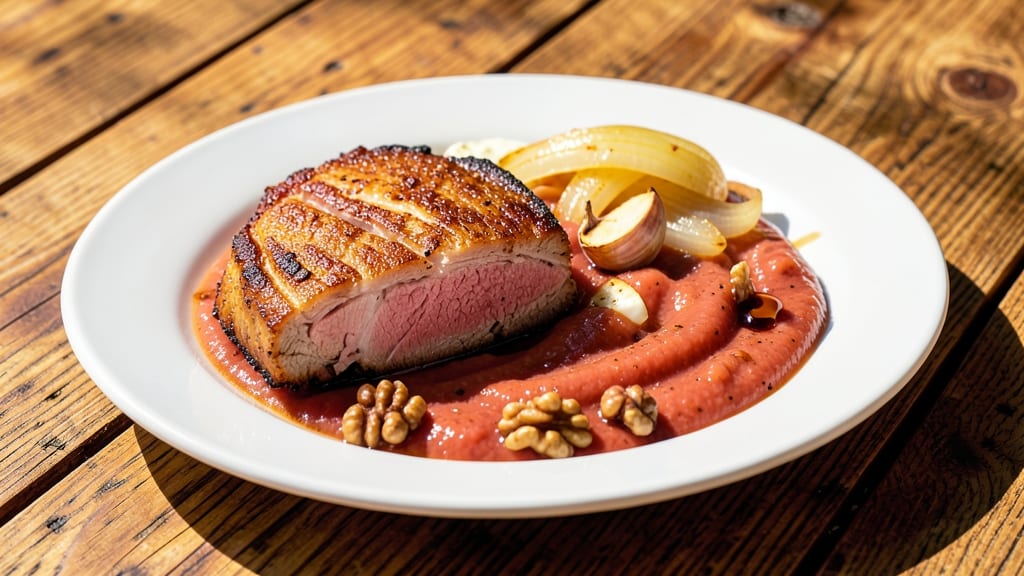
This apple sauce recipe for pork belly transforms a simple roast into a showstopping centerpiece with caramelized sweetness that cuts through rich, fatty meat. 🌟 The secret lies in balancing tart apples with warm spices and slow reduction, creating a sauce that both complements and elevates the pork's natural flavors.
What starts as tender pork belly becomes melt-in-your-mouth perfection when braised in its own juices alongside the aromatic apple mixture.
The process begins with searing the pork belly to render fat and build flavor, then slow-cooking it until fork-tender. Meanwhile, the apple sauce simmers down into a thick, glossy reduction with just the right balance of sweetness and acidity.
This isn't just a side dish—it's the star of the meal, locking in moisture while adding depth that makes every bite unforgettable.
By the time you serve this dish, you'll have perfectly crispy skin on the pork belly, tender meat that practically falls apart, and a sauce so rich it coats every bite. The caramelized apples add a touch of autumnal warmth that pairs beautifully with roasted root vegetables or crusty bread.
This is comfort food at its finest—elegant enough for company but simple enough for weeknight dinners.
Whether you're hosting a holiday gathering or treating yourself to a special meal, this combination delivers restaurant-quality results with minimal effort. The apple sauce can be made ahead and reheated, making it perfect for stress-free entertaining. Let's get started on creating a dish that will impress everyone at the table.
Ingredients for apple sauce recipe for pork belly
Pork belly and apples star in this showstopping sauce that locks in juices and balances rich flavors.
| Ingredient | Amount | Notes |
|---|---|---|
| Pork Belly 🥓 | 2 lb | Skin-on, cut into 1-inch pieces |
| Apples 🍎 | 4 medium | Honeycrisp or Granny Smith, peeled and sliced |
| Yellow Onion 🧅 | 1 whole | Diced into small pieces |
| Garlic Cloves 🧄 | 4 cloves | Minced for aromatic depth |
| Unsalted Butter 🧈 | ½ cup | Cubed for even melting |
| Apple Cider Vinegar 🍶 | ¼ cup | For tangy balance |
| Granulated Sugar 🍚 | ¼ cup | Brown sugar for caramel notes |
| Ground Cinnamon 🌿 | 1 tsp | Freshly ground preferred |
| Ground Cloves 🌶️ | ¼ tsp | For warm spice depth |
| Salt 🧂 | 1 ½ tsp | Kosher or sea salt |
| Black Pepper 🌶️ | ½ tsp | Freshly cracked |
| Fresh Thyme Leaves 🌿 | ¼ cup | Or 1 tsp dried thyme |
| Water 💧 | ½ cup | For thinning sauce |
The pork belly is non-negotiable—look for thick-cut pieces with crispy skin potential. Costco or Whole Foods usually have the best cuts, but any grocery store with a butcher section works. Honeycrisp apples are ideal for their balance of sweetness and tartness, but Granny Smith adds extra tang if you prefer. Peeled and sliced uniformly, they'll caramelize beautifully. The butter matters too—Plugrá or Land O'Lakes are reliable choices, but any unsalted brand will do. If you're feeling fancy, grab a sprig of fresh thyme at the market—it makes all the difference.
No Honeycrisp? Fuji or Pink Lady apples work in a pinch, but add an extra teaspoon of vinegar to compensate for less tartness. Running low on apple cider vinegar? White vinegar or lemon juice will do, but taste first—you might need to adjust sweetness. The spices are where you can get creative: swap cinnamon for cardamom pods (crushed) or add a pinch of nutmeg. For the pork, if you can't find thick-cut belly, pork shoulder works but won't give you that signature crispy skin. And if you're making this ahead, the sauce actually improves overnight—just reheat gently to restore its gloss.
The pork belly keeps best in the fridge for 3 days before cooking—it needs time to develop flavor. Store it in a sealed container with a paper towel pressed against the skin to absorb excess moisture. The apple sauce, once made, will last 5 days in the fridge or 3 months frozen. I always double the sauce recipe because it disappears fast—great for sandwiches, toast, or even as a glaze for roasted vegetables. The pork can be reheated in a 350°F oven for 20 minutes, covered with foil, to keep it moist.
Why You'll Love This Recipe
- One-Pan Magic: I swear by this recipe because it’s all in one skillet—no chopping boards, no extra pots, just pork belly rendering its own fat while the apples caramelize into that sticky-sweet sauce. Honestly, the only thing I measure is the butter, and even that’s flexible.
- Sweet-Savory Balance: That first bite? Crispy pork belly meets tender apples with a backbone of garlic and onion—it’s like a hug for your taste buds. The butter ties it all together, making every forkful feel indulgent without being heavy.
- Weeknight Workhorse: This feeds a crowd but costs less than takeout, and the leftovers? Chef’s kiss. The sauce thickens beautifully when reheated, so I make double and save half for sandwiches or rice bowls. (Yes, even on a Tuesday night.)
- Foolproof Crispiness: Between us, I’ve burned pork belly before. But this method—searing the skin first, then slow-roasting—gives you that perfect crackle every time. No fancy tools, no stress, just restaurant-quality results with minimal effort.
Step-by-step instructions for apple sauce pork belly
Here's how to transform simple ingredients into a perfectly balanced apple sauce that'll keep your pork belly irresistibly tender and flavorful.
🍳 Step 1: Render the Pork Belly Fat and Sear
Place the 2 lb pork belly in a heavy-bottomed Dutch oven or large pot over medium-low heat. Let it render its own fat for 15-20 minutes, stirring occasionally, until the fat is golden and the meat is beginning to brown in spots. I press down gently on the pieces with a wooden spoon to help the fat render more evenly.
Once the fat is rendered and the meat shows golden brown spots (about 25-30 minutes total), remove the pork belly and set it aside. Leave the rendered fat in the pot—this is pure liquid gold for building flavor. The fat should be about ½ inch deep in your pot, which is perfect for our next steps.
👨🍳 Step 2: Build the Apple Sauce Base
In the same pot with the rendered fat, add the diced yellow onion and cook over medium heat for 5-6 minutes until softened and translucent. Add the minced garlic cloves and cook for another 30 seconds until fragrant—you'll smell that wonderful garlic aroma filling your kitchen.
Here's where the magic happens: stir in the 0.25 cup granulated sugar, 1 tsp ground cinnamon, and 0.25 tsp ground cloves. Cook for 1 minute to toast the spices slightly, which deepens their flavor. Then add the 4 medium sliced apples and 0.25 cup apple cider vinegar. The vinegar will help balance the sweetness and prevent the apples from turning mushy.
🔥 Step 3: Simmer Until Caramelized
Pour in the 0.5 cup water and bring everything to a gentle simmer over medium-low heat. Here's the thing—you want the apples to cook down and caramelize, but not turn into mush. Partially cover the pot and let it simmer for 15-20 minutes, stirring occasionally, until the apples break down and the sauce thickens slightly.
After about 10 minutes, add the 0.25 cup fresh thyme leaves, 1.5 tsp salt, and 0.5 tsp black pepper. The thyme will add an earthy depth that pairs beautifully with the sweet apples. Keep simmering until the sauce reaches your desired consistency—it should coat the back of a spoon but still be slightly loose. If it's too thick, add a splash more water 1 tablespoon at a time.
🥘 Step 4: Finish with Butter and Reincorporate Pork
Remove the pot from heat and stir in the 0.5 cup unsalted butter, cubed. Let it melt into the sauce, creating a glossy finish. The butter adds richness that perfectly balances the tangy-sweet apple sauce. Taste and adjust seasoning if needed—you might want a touch more salt or vinegar to balance the sweetness.
Now return the pork belly to the pot and let it soak in all that delicious apple sauce for 5-10 minutes off the heat. This step is crucial—it infuses the pork with the apple flavors and keeps it incredibly moist. The pork should be fork-tender and easily pull apart, with the sauce clinging beautifully to every piece.
⏰ Step 5: Rest and Serve
Transfer the pork belly and sauce to a serving platter, spooning the apple sauce generously over the top. Let everything rest for 5 minutes before serving—this allows the pork to set slightly and makes it even easier to slice. The pork should be crispy on the outside from the initial rendering and tender on the inside from the apple sauce braising.
Slice the pork belly into ½-inch thick pieces and serve with extra apple sauce spooned alongside. Each bite should deliver that perfect balance of salty pork, sweet apples, and warm spices. The sauce should be thick enough to coat the pork but still have a slight sheen—this is the ideal texture we're after.
Pro Tips For Making Apple Sauce Recipe For Pork Belly
- CRISP THE SKIN FIRST: Start your pork belly skin-side down in a cold pan—no oil needed. Let it render fat slowly over medium heat until the skin turns golden and crispy before flipping. I learned this the hard way: rushing it makes the skin rubbery, and you’ll end up with greasy applesauce instead of a perfect crisp.
- PEEL AND GRATE APPLES: Skip slicing—peel and grate your apples fine (a box grater works best). This keeps the sauce smooth and prevents large chunks from making it watery. I was skeptical until I tried it: the texture stays velvety, and the flavor blends better with the pork’s richness.
- SWEAT ONIONS LOW AND SLOW: Cook your onion until it’s translucent, not browned. A damp paper towel over the pan helps it soften without burning—this is the thing that matters most for balancing the sweetness of the apples. After burning three batches, I finally figured out that patience here saves the dish.
- USE COLD BUTTER: Stir in cold unsalted butter at the end, just before serving. It melts into the applesauce without breaking, adding a luxurious finish. I skip this when I’m lazy, but the dish is noticeably better when I don’t—trust me, it’s worth the extra 30 seconds.
Troubleshooting perfect results
Pork Too Dry
If your pork belly ends up dry, it likely didn’t rest long enough after cooking or was overcooked. Always let it rest for 10-15 minutes after removing from heat—this redistributes juices. For extra insurance, baste the pork with its own rendered fat every 15 minutes during cooking.
If the meat still feels dry, try adding 2 tbsp apple sauce to the pan and simmering for 5 minutes before serving. 💧
Sauce Too Thin
A runny sauce usually means the apples weren’t cooked long enough or too much liquid was added. Simmer uncovered for an extra 5-10 minutes to thicken, stirring occasionally.
If it’s still too thin, remove the pot from heat and stir in 1 tbsp cornstarch mixed with 1 tbsp water until thickened. Avoid over-simmering—you want caramelized apples, not mushy pulp.
Sauce Too Thick
Thick sauce happens when apples break down too much or the heat was too high. Thin with 1 tbsp water or apple cider at a time, stirring gently. For a glossy finish, whisk in 1 tbsp unsalted butter or a splash of heavy cream.
If the sauce is grainy, strain it through a fine-mesh sieve for a silky texture. The perfect consistency coats the back of a spoon but still flows slightly.
Skin Not Crispy
Crispy skin requires patience and proper heat control. Render the pork belly over medium-low heat for 30-45 minutes before adding sauce, and avoid stirring too much. For extra crispiness, broil the pork for 2-3 minutes at the end (watch closely to avoid burning).
If the skin isn’t crispy, try pressing a hot cast-iron skillet on top for 1-2 minutes before serving.
Apple Sauce Too Tart
If the sauce tastes overly acidic, balance it with 1 tsp honey or brown sugar and simmer for 2 minutes. For a smoother flavor, reduce the apple cider vinegar by 1 tbsp next time.
If the tartness is too strong, stir in ½ tsp cinnamon or 1 tsp maple syrup to mellow the acidity. Taste as you go—adjust gradually to avoid overpowering the sweetness.
Pork Too Salty
Over-salting is common when pork belly already has a high sodium content. Taste the rendered fat before adding more salt—it might already be seasoned enough. If needed, balance with 1 tbsp apple juice or a pinch of sugar.
For future batches, reduce salt to 1 tsp and adjust to taste at the end. The apple sauce’s natural sweetness helps mask excess saltiness beautifully. 🧂
Nutrition facts
Frequently asked questions
Can I use this apple sauce with other cuts of pork?
This apple sauce pairs beautifully with pork shoulder, pork chops, or even pulled pork. The sweet-tart balance works especially well with braised cuts, but you can also use it as a glaze for grilled pork chops. For shoulder or chops, reduce the cooking time to 1-1.5 hours instead of rendering fat first.
How do I make this ahead of time?
Both the pork and sauce can be prepped ahead! Cook the pork belly completely, then refrigerate it in its juices for up to 3 days. Reheat gently in a 300°F oven for 20 minutes before serving. The sauce can be made 2 days ahead—just reheat it on the stove with a splash of water until warm. The flavors actually improve overnight!
What if I don't have apple cider vinegar?
No problem! Substitute with white vinegar (use same amount) or lemon juice (reduce by 1 tbsp since it's stronger). For a sweeter alternative, use apple juice instead, but add an extra ½ tsp cinnamon to compensate for the lack of acidity. The key is balancing the sweetness with some tartness.
Can I make this vegetarian?
This recipe works wonderfully with tofu or jackfruit for a meatless version! Use extra-firm tofu pressed and cubed, or shredded young jackfruit cooked until tender. The apple sauce will still caramelize beautifully, though you may need to add 1 tbsp soy sauce or mushroom powder for umami depth.
How do I store leftovers?
Store the pork belly and sauce together in an airtight container in the fridge for up to 4 days. Reheat in a 350°F oven for 15-20 minutes until warmed through. The sauce alone keeps for 5 days refrigerated or 3 months frozen. For freezing, cool completely first to prevent ice crystals.