
Main Courses
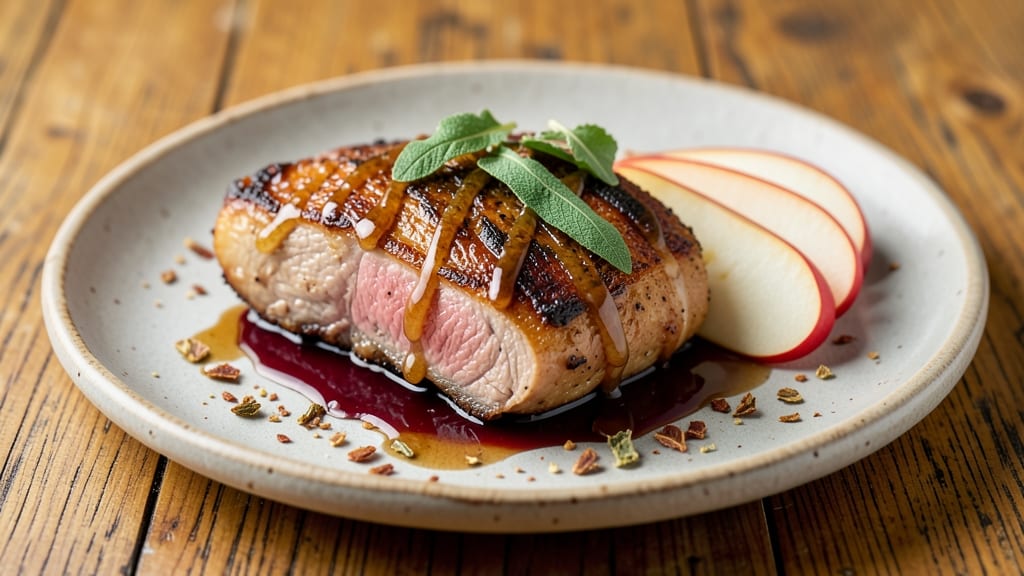
This apple sage pork chop recipe delivers restaurant-quality results with just a few simple ingredients and a technique that transforms ordinary pork chops into a showstopping meal. 🔥 The secret lies in searing the chops to golden perfection while building a rich pan sauce infused with fresh sage and caramelized apples—a combination that balances sweet, savory, and aromatic notes effortlessly.
I developed this recipe during a particularly busy week when I needed a dish that felt special without requiring hours in the kitchen.
The process begins with a quick sear to create a crispy crust on the pork chops, locking in juices while the apples caramelize in the same pan. Fresh sage leaves add an earthy aroma that complements the sweetness of the apples and the richness of the pork.
What makes this recipe foolproof is the one-pan method—minimal cleanup, maximum flavor, and a dish that comes together in under 30 minutes.
By the time you plate it, you’ll have tender pork chops with a glossy, herb-infused sauce and tender, caramelized apple slices that add a touch of elegance. The sauce clings to the meat, creating every bite into a harmonious blend of textures and flavors.
This is the kind of dish that feels like a celebration—perfect for a weeknight dinner when you want to impress without the fuss.
Serve with roasted sweet potatoes or a simple green salad to round out the meal. The caramelized apples and sage-infused sauce make this pork chop dish memorable, whether you’re cooking for family or treating yourself to a special night in.
Let’s get started—this recipe is easier than it looks, and the results are undeniably satisfying.
Ingredients for apple sage pork chop
Just 11 ingredients transform simple pork chops into a restaurant-worthy dish with caramelized apples and herb-infused sauce.
| Ingredient | Amount | Notes |
|---|---|---|
| Bone-In Pork Chops 🍖 | 4 whole | 1-inch thickness, rib or loin |
| Honeycrisp Apples 🍎 | 2 whole | Peeled, sliced into 1/4-inch pieces |
| Fresh Sage Leaves 🌿 | ½ cup | Packed, stems removed |
| Unsalted Butter 🧈 | 3 tbsp | Cold, cut into 1/2-inch cubes |
| All-Purpose Flour 🌾 | 1 tbsp | For sauce thickening |
| Dijon Mustard 🍯 | 1 tsp | For depth of flavor |
| Apple Cider Vinegar 🍶 | 1 tbsp | Brightens the sauce |
| Kosher Salt 🧂 | 1 ½ tsp | Total for seasoning |
| Freshly Ground Black Pepper 🌶️ | ½ tsp | For seasoning |
| Granulated Sugar 🍚 | 1 tsp | Enhances caramelization |
| Extra-Virgin Olive Oil 🫒 | 1 tbsp | For searing |
The pork chops are the foundation—bone-in, 1-inch thick for even cooking and maximum flavor. Local butchers often have the best cuts, but any grocery store with a meat counter should have them. Look for good marbling and vibrant color—pale or overly lean means less tender results. I usually grab ribeye or loin chops since they stay juicy. Pat them dry before cooking—this crispy crust is what locks in those juices during the sear. If you can't find bone-in, bone-less works but won't be as flavorful.
No Honeycrisp apples? Fuji or Pink Lady hold up well to caramelization too—just slice them slightly thinner. Fresh sage is non-negotiable here (the dried stuff just doesn't have the same punch), but if you're desperate, dried at one-third the amount works in a pinch. The butter should be cold and cubed—it melts beautifully during cooking. For the flour, King Arthur or Bob's Red Mill are my go-tos, but any all-purpose works. The apple cider vinegar adds brightness—substitute white wine vinegar if that's what you have on hand. And if you're worried about the sugar making it too sweet, trust me, the pork and sage balance it perfectly.
Pork chops keep best in the fridge for 2 days if you're prepping ahead—store them in a sealed container with a paper towel to absorb any moisture. The caramelized apples can be made a day in advance and reheated gently in the pan with a splash of water. Sauce reheats beautifully—just add a little water or broth to loosen it up. For leftovers, portion the pork chops and sauce separately and reheat in a skillet over medium heat. 3 days in the fridge is plenty, or freeze for up to 3 months if you're planning ahead. The sage leaves will wilt fast once washed, so store them in a damp paper towel in a sealed bag for up to 5 days.
Why You'll Love This Recipe
- Five-Ingredient Magic: The pantry already has most of what you need—just grab pork chops, apples, and sage. No fancy prep, no last-minute grocery runs. I swear, the only measuring I do is eyeballing the butter.
- Crispy-Tender Balance: That crust from the flour and butter? Gold. The apples caramelize just enough to sweeten the bite, while the sage leaves linger like a whisper of autumn. Between us, it’s the kind of dish that makes you pause mid-bite.
- Weeknight to Dinner Party: Same recipe, different vibes. Serve it with mashed potatoes for a Tuesday night, or drizzle with balsamic for a weekend spread. My roommates never guess it’s the same meal—until they ask for the recipe.
- Leftovers That Don’t Suck: Cold slices on toast? Yes, please. The pork stays juicy, the apples add a bright crunch, and honestly, it’s the only leftovers I don’t dread. (And it’s cheaper than takeout.)
Step-by-step instructions for apple sage pork chops
This method delivers perfectly seared pork chops with a rich, herb-infused sauce and tender caramelized apples.
🔥 Step 1: Sear the Pork Chops to Golden Perfection
Heat a large skillet over medium-high heat until hot. Add the 1 tablespoon extra-virgin olive oil and swirl to coat. Pat the 4 whole bone-in pork chops completely dry with paper towels—this ensures maximum browning. Season both sides generously with 1 teaspoon kosher salt and ½ teaspoon freshly ground black pepper.
Place the pork chops in the skillet and cook undisturbed for 4-5 minutes per side until they develop a deep golden-brown crust. You'll know they're ready when they release easily from the pan and the internal temperature reaches 140°F (use a meat thermometer). Transfer the chops to a plate and tent loosely with foil to keep warm.
🍳 Step 2: Caramelize Apples and Build the Herb Sauce
In the same skillet (no need to wipe it clean—the browned bits add flavor), reduce heat to medium and add 1 tablespoon unsalted butter and 1 teaspoon granulated sugar. Let the butter melt, then add the 2 whole Honeycrisp apples, sliced into ¼-inch pieces. Cook for 5-6 minutes, stirring occasionally, until the apples soften and begin to caramelize along the edges.
Add the ½ cup fresh sage leaves and 1 tablespoon apple cider vinegar, stirring to combine. Cook for another 2 minutes until the sage wilts and the apples release their juices. Remove the skillet from heat and stir in the 1 teaspoon Dijon mustard and 1 tablespoon all-purpose flour, mixing well to create a smooth paste.
🥘 Step 3: Finish the Sauce and Return Pork Chops
Return the skillet to medium heat and gradually whisk in the remaining 2 tablespoons unsalted butter, one cube at a time, allowing each to melt completely before adding the next. This creates a luxurious, emulsified sauce. Pour in ¼ cup water (or reserved apple juices) and stir until the sauce thickens slightly, coating the back of a spoon.
Return the pork chops to the skillet, spooning the sauce generously over the top. Let everything heat through for 1-2 minutes until the chops reach an internal temperature of 145°F. The sauce should coat the pork chops beautifully, with tender apples and fragrant sage throughout. Garnish with additional sage leaves if desired.
🍽️ Step 4: Rest and Serve with Confidence
Transfer the pork chops to a warm serving platter and let them rest for 5 minutes before serving. This resting period allows the juices to redistribute, ensuring each bite is moist and flavorful. Spoon the apple sage sauce over the top and serve immediately, accompanied by crusty bread or roasted potatoes to soak up every last bit of that rich, herby sauce.
The pork chops should have a crispy exterior with tender, juicy meat inside, while the sauce delivers a perfect balance of sweet apples, earthy sage, and tangy vinegar. Each bite combines the savory pork with the bright, caramelized apples for a harmonious finish.
Pro Tips For Making Apple Sage Pork Chop
- SEAR THE CHOPS HARD FIRST: I learned this the hard way—skipping the initial sear means the butter and apples just steam the meat instead of caramelizing. Get that pan screaming hot (medium-high, not medium) and let the chops develop a deep brown crust for 3-4 minutes per side before touching them with anything else.
- SLICE APPLES THIN AND TOSS IN LEMON: Honeycrisp stays crisp but turns to mush if you overcook it. Cut the apples into ¼-inch slices, then toss them in a squeeze of lemon juice and a pinch of salt before they hit the pan—this keeps them bright and prevents them from turning into sad, gray mush while the pork finishes.
- DON’T CROWD THE PAN: I used to pile everything on at once, and the apples just stewed in their own juices. Work in batches: sear the chops first, then pull them out and cook the apples and sage in the same pan (with a splash of water if needed) to build flavor. The chops go back in last to reheat, not to boil.
- USE COLD BUTTER FOR CRUST: Sounds weird, but it works: take the unsalted butter out of the fridge and let it sit in ice water for 10 minutes before adding it to the pan. This keeps it from melting too fast, so it coats the chops and apples evenly—no sudden grease splatter, just a rich, golden finish. (Yes, even if you’re impatient like me.)
Troubleshooting perfect results
Pork Chop Overcooked
If your pork chops end up dry or tough, it’s almost always from overcooking or skipping the rest time. Pork chops should reach an internal temperature of 145°F—no higher! Use a meat thermometer to check the thickest part.
I’ve seen home cooks walk away from the stove and let chops cook too long. Pro tip: Remove them from the pan when they hit 140°F, rest them for 5 minutes, and they’ll carry over to 145°F perfectly. 🌡️
Apples Not Caramelizing
Caramelization requires patience and the right heat level. If your apples stay pale and watery, you’re likely cooking them too fast over high heat. Reduce the heat to medium and let them cook slowly for 5-6 minutes, stirring occasionally.
A 1 teaspoon sugar boost helps too—it enhances browning. I’ve had this happen when using softer apple varieties like Gala; stick with Honeycrisp, Fuji, or Pink Lady for best results.
Sauce Too Thin or Grainy
A thin or clumpy sauce usually means the flour wasn’t incorporated properly. Whisk the 1 tablespoon flour and 1 teaspoon Dijon mustard into the apples off the heat first—this creates a smooth paste before adding butter.
If it’s still too thin, simmer it for 1-2 extra minutes with a splash of water or apple juice. For graininess, strain the sauce through a fine-mesh sieve before serving. I’ve fixed this by adding 1 extra tablespoon butter to emulsify it properly.
Sage Leaves Burn Before Wilting
Fresh sage leaves should wilt gently, not crisp up or burn. If they turn dark or bitter, you’re cooking them too hot. Add them to the pan after the apples have softened for 5-6 minutes, then remove the pan from heat immediately.
If you’re using dried sage, reduce the amount to 1 tablespoon and add it at the very end—it’s much stronger than fresh. I learned this the hard way during a busy service night in Charleston!
Pork Chops Stick to Pan
Sticking happens when the pan isn’t hot enough or the chops aren’t dry. Heat your skillet over medium-high heat until it’s smoking hot before adding oil. Pat the chops completely dry with paper towels—this is non-negotiable. If they still stick, your pan might not be hot enough.
I use a Lodge cast iron skillet because it retains heat perfectly, but any heavy-bottomed pan works. A light spray of oil before adding butter can also help.
Sauce Too Sweet or Tangy
Balancing sweetness and acidity is key. If your sauce tastes too sweet, add ½ teaspoon apple cider vinegar or a pinch of salt. Too tangy? Stir in ½ teaspoon honey or a splash of chicken broth. Taste as you go—this sauce is all about harmony.
I once had a batch that was way too sweet because I doubled the sugar; a quick fix was adding 1 extra tablespoon vinegar and a pinch of salt to reset the balance. 💡
Nutrition facts
Frequently asked questions
Can I use bone-in or boneless pork chops?
Bone-in pork chops are ideal—they stay juicier and more flavorful, but bone-less chops work too. If using boneless, cook them 2-3 minutes less per side since they cook faster. I prefer rib or loin cuts for this recipe—they hold up best to the searing process.
What's the best apple variety for caramelizing?
Honeycrisp is perfect, but Fuji or Pink Lady work beautifully too. Avoid soft apples like Gala—they turn mushy. For extra caramelization, slice them ¼-inch thick and cook them slowly over medium heat for 5-6 minutes. A pinch of sugar helps too!
Can I make this recipe ahead of time?
Cook the pork chops and apples, then refrigerate them separately. Reheat in a skillet with 1 tablespoon butter and a splash of water for 3-4 minutes. The sauce reheats perfectly—just add a little water or broth to loosen it. Leftovers keep for 3 days in the fridge.
How do I know when the pork chops are done?
Use a meat thermometer—they're done at 145°F internal temperature. If you don't have one, cut into the thickest part—the juices should run clear, not pink. Remove them when they hit 140°F and rest for 5 minutes—they'll carry over to the perfect temp.
What's a good side dish pairing?
Roasted sweet potatoes or creamy mashed potatoes complement the dish beautifully. For something lighter, a simple arugula salad with balsamic dressing works too. The rich pork pairs perfectly with crusty bread to soak up that delicious sauce.