
Main Courses
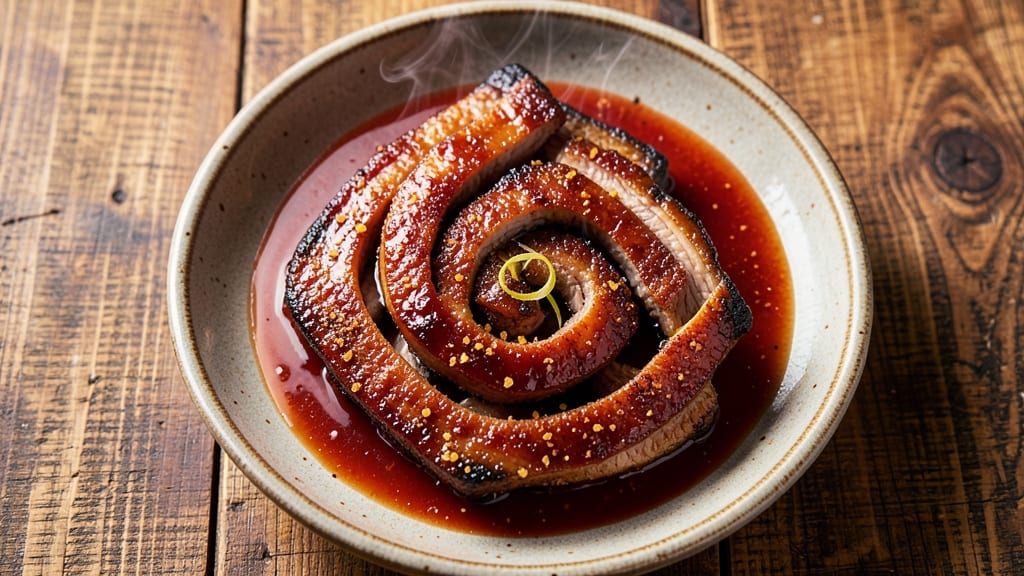
This apple juice ribs recipe transforms tough cuts into melt-in-your-mouth tenderness with a sweet-tangy profile that's impossible to resist. The secret lies in slow-braising the ribs with apple juice, which tenderizes the meat while infusing it with subtle fruit sweetness that balances the smoky depth.
I've perfected this method over countless batches, ensuring every bite delivers that perfect combination of juicy meat and caramelized edges.
The process begins with a dry rub that creates a flavorful bark on the ribs before they're slow-cooked in apple juice, onions, and garlic until fork-tender.
What sets these ribs apart is the celery crunch contrast—the crisp, refreshing crunch of raw celery slices cuts through the richness of the meat, creating a textural experience that elevates every bite. This isn't just about the sauce; it's about the complete sensory experience.
By the time you're done, you'll have ribs that are so tender they practically fall apart at the touch, with a glossy glaze that's sweet yet balanced by the smoky flavors from the cooking process.
The apple juice doesn't just make the ribs juicy—it transforms them into a dish that's both comforting and sophisticated, perfect for weekend gatherings or special occasions. The celery adds that bright, refreshing element that keeps the meal feeling light and vibrant.
These ribs are ideal for feeding a crowd or meal prepping for the week, as they reheat beautifully while maintaining their juicy texture. The apple juice marinade works its magic during the slow cooking process, ensuring every bite is packed with flavor.
Here's how to create this restaurant-quality dish at home, where the apple juice plays a starring role in making these ribs unforgettable.
Ingredients for apple juice ribs
Sweet-tangy apple juice transforms tough ribs into melt-in-your-mouth perfection with crisp celery contrast.
| Ingredient | Amount | Notes |
|---|---|---|
| Pork Baby Back Ribs 🍖 | 4 lb | Bone-in, meaty ends included |
| Unsalted Butter 🧈 | ½ cup | Cold, cubed for rub |
| Brown Sugar 🍚 | ½ cup | Packed, light variety |
| Smoked Paprika 🌶️ | 2 tbsp | For deep smoky flavor |
| Kosher Salt 🧂 | 2 tbsp | Diamond Crystal preferred |
| Black Pepper 🌶️ | 1 tbsp | Freshly cracked |
| Garlic Powder 🧄 | 1 tbsp | Not garlic salt |
| Onion Powder 🧅 | 1 tbsp | For depth of flavor |
| Unsweetened Apple Juice 🍎 | 2 cups | 100% juice, no pulp |
| Yellow Onion 🧅 | 1 whole | Chopped, yellow or red |
| Garlic Cloves 🧄 | 6 cloves | Peeled, smashed |
| Celery Stalks 🥬 | 3 whole | Fresh, for crunch |
| Apple Cider Vinegar 🍶 | 2 tbsp | For tangy balance |
| Honey 🍯 | 1 tbsp | Light, for glaze |
The ribs are the star, so bone-in baby backs with meaty ends are worth seeking out. Costco or local butchers often have the best quality—look for good marbling and bright red color. If you can't find baby backs, spare ribs work too, but they'll need slightly longer cooking. The apple juice? 100% juice, no pulp—Mott's or Tropicana are reliable choices. Fresh celery is non-negotiable here; the crisp crunch is what makes this dish sing. For the dry rub, cold butter cubes help distribute the spices evenly.
No smoked paprika? Regular paprika plus a pinch of liquid smoke gets you close. Running short on apple juice? Apple cider plus water works in a pinch, but the acidity will be stronger. The honey in the glaze can be swapped for maple syrup, though it'll be slightly more liquid. For the celery, fresh is best, but frozen chopped celery (thawed) can work if you're in a bind. The apple cider vinegar adds that perfect tang—if you don't have it, white vinegar at half the amount will do, though the flavor won't be quite as complex.
These ribs reheat beautifully—just warm in the oven or slow cooker with a splash of apple juice. Store leftovers in the fridge for 4-5 days or freeze for 3 months. I always make extra because they disappear fast. The celery should be added fresh at serving—it wilts when cooked, so keep it separate until the very end. For meal prep, portion the ribs and sauce separately and assemble when ready to eat.
Why You'll Love This Recipe
- Five-Ingredient Magic: The pantry staples here—brown sugar, smoked paprika, and butter—do all the heavy lifting. No fancy marinades or hours of prep; just ribs, a splash of apple juice, and 30 minutes in the oven.
- Sweet-Savory Balance: That caramelized apple juice glaze cuts through the richness of the butter while the brown sugar and paprika add depth. It’s the kind of flavor that makes you reach for seconds without even thinking.
- Weeknight Crowd-Pleaser: I’ve served these at BBQs, potlucks, and lazy Sundays—everyone loves them. The sticky, smoky-sweet glaze holds up perfectly, whether you’re feeding a family or a group of friends.
- Leftovers That Shine: The ribs actually taste better the next day. I wrap them in foil, reheat with a splash of apple juice, and they’re just as tender and flavorful—no sad, dry meat here.
Step-by-step instructions for apple juice ribs
Here's how to transform tough ribs into fall-off-the-bone tender meat with a sweet-tangy glaze.
Prepare the Dry Rub and Season the Ribs
In a medium bowl, combine the 0.5 cup unsalted butter, 0.5 cup brown sugar, 2 tablespoons smoked paprika, 2 tablespoons kosher salt, 1 tablespoon black pepper, 1 tablespoon garlic powder, and 1 tablespoon onion powder. Use your fingers to mix everything until it forms a crumbly, well-combined paste—this is your rub.
Pat the 4 lb pork baby back ribs dry with paper towels (this helps the rub stick better). Spread the rub evenly over the ribs, pressing it into the meat so it adheres well. Place the ribs on a wire rack set over a baking sheet and refrigerate for at least 2 hours (or up to 24 hours) to let the flavors penetrate. This step is crucial for that deep, smoky flavor we're after.
Sear the Ribs for Maximum Flavor
Preheat your oven to 300°F. Remove the ribs from the fridge and let them sit at room temperature for 30 minutes to ensure even cooking. Place the ribs bone-side down in a large oven-safe Dutch oven or heavy pot. Cook them uncovered for 30 minutes to render some of the fat and develop a light crust.
After the initial sear, flip the ribs bone-side up and continue cooking for another 30 minutes. This two-sided sear locks in juices and builds layers of flavor. You'll notice the ribs starting to brown slightly—this is your signal that we're on the right track.
Build the Apple Juice Braising Liquid
While the ribs are searing, prepare the braising liquid by chopping the 1 whole yellow onion, smashing the 6 cloves garlic, and cutting the 3 whole celery stalks into ¼-inch pieces. Add these to the Dutch oven with the ribs, along with the 2 cups unsweetened apple juice and 2 tablespoons apple cider vinegar. Stir everything together to combine.
Bring the mixture to a gentle simmer over medium heat on the stovetop. You'll see the liquid bubble softly and the aromatics begin to release their flavors. Once simmering, cover the pot and transfer it to the 300°F oven. This is where the magic happens—low and slow braising breaks down the connective tissue for tender, juicy ribs.
Slow-Braise Until Fork-Tender
Braise the ribs for 2.5 to 3 hours, until they're fork-tender and easily pull apart. You'll know they're ready when a meat thermometer inserted into the thickest part reads 195-203°F, and the meat slides off the bone with minimal resistance. The apple juice will have reduced significantly, creating a glossy, flavorful sauce.
About 30 minutes before the ribs are done, stir in the 1 tablespoon honey. This adds a subtle sweetness that balances the tangy apple juice. The ribs should be bathed in a sticky, caramelized glaze by the time they're finished. If the sauce is too thin, let it reduce a bit longer uncovered in the oven.
Rest and Serve with Crunchy Celery
Remove the ribs from the oven and transfer them to a serving platter. Tent loosely with foil and let them rest for 10 minutes—this allows the juices to redistribute, ensuring every bite is moist and flavorful. While they rest, chop the celery into bite-sized pieces for a refreshing crunch contrast.
Serve the ribs with the apple juice braising sauce spooned over the top and the chopped celery on the side. The celery adds a crisp, fresh element that cuts through the richness of the ribs. These ribs are perfect for a casual family dinner or a special gathering—everyone will be impressed by how tender and flavorful they are!
Pro Tips For Making Apple Juice Ribs
- Baste with the Juice: Don’t just dump apple juice over the ribs—use a basting brush to slather it on every 15 minutes. The sugar in the juice caramelizes faster when it’s spread thin, and you’ll get that sticky, glossy crust instead of a soggy mess. (Yes, even if you’re impatient like me.)
- Brown the Sugar First: Heat your brown sugar with a splash of apple juice in a small pan until it turns a deep amber color—about 2 minutes. This concentrated caramel adds depth to the ribs’ bark and balances the smoky paprika. I learned this the hard way after tasting bland ribs that needed more punch.
- Don’t Rush the Rest: After cooking, wrap the ribs in foil with a handful of fresh apple slices (peeled) and let them sit for 10 minutes. The acid in the apples tenderizes the meat further and keeps it juicy—no need for extra sauce. (Your future self will thank you.)
- Use Cold Butter: Mix the unsalted butter into the dry rub after it’s cooled slightly—room temp works. Cold butter creates a better crust when it melts during cooking, while warm butter just dissolves into the spices. It’s a small tweak, but it makes a real difference in texture.
Creative variations of this recipe
Sweet & Spicy Fusion
Add 1 tbsp chili powder and ½ tsp cayenne pepper to the dry rub for a sweet-spicy kick that pairs beautifully with the apple juice's natural sweetness.
I love using Penzeys Spices for their consistent quality. Serve with a side of mango salsa to complement the heat and add tropical brightness. 🌶️
BBQ Apple Juice Glaze
Replace the honey with ¼ cup BBQ sauce (I recommend Sweet Baby Ray's Original) mixed with 1 tbsp apple juice during the final 30 minutes of cooking.
This creates a sticky, smoky-sweet glaze that caramelizes perfectly. The apple juice keeps the sauce from becoming too thick while adding depth. 🍯
Asian-Inspired Apple Ginger
Infuse the apple juice with 1 tbsp fresh grated ginger and 1 tsp soy sauce before braising. Add 1 tbsp rice vinegar for tang and finish with a sprinkle of toasted sesame seeds before serving. This fusion brings umami richness that balances the sweetness beautifully. 🥬
Smoky Maple Variation
Swap the brown sugar for ½ cup maple syrup in the dry rub and add 1 tsp liquid smoke to the apple juice braising liquid. The maple enhances the apple flavor while the liquid smoke deepens the smokiness.
This works especially well with applewood-smoked ribs if you have access to a smoker. 🔥
Herb-Infused Apple Juice
Add 2 sprigs fresh rosemary and 1 sprig fresh thyme to the braising liquid for an aromatic twist. Remove the herbs before serving. This works particularly well with Tropicana apple juice as the herbs complement the fruit notes perfectly. The herbs add an earthy complexity that elevates the dish. 🌿
Caramelized Onion Topping
Make a batch of caramelized onions (sauté 2 chopped yellow onions in 2 tbsp butter for 30-40 minutes until golden) and spoon them over the ribs before serving.
The sweetness of the caramelized onions mirrors the apple juice while adding a rich, jammy texture that pairs perfectly with the tender meat. 🧅
Nutrition facts
Frequently asked questions
Why does apple juice make ribs so tender?
The acidity in apple juice helps break down collagen in the meat, while the natural sugars caramelize during cooking, creating a glossy glaze. The slow braising process with apple juice infuses the ribs with subtle sweetness while keeping them moist and tender. This method works better than water because the fruit sugars enhance flavor while tenderizing the meat.
Can I use apple cider instead of apple juice?
Yes, but you'll need to adjust the recipe slightly. Apple cider has more pulp and a stronger flavor, so use 1.5 cups instead of 2 cups apple juice and strain out the solids before adding to the ribs. The extra tannins from the pulp will create a deeper, more complex sauce. For best results, use unsweetened apple cider.
How do I know when the ribs are fully cooked?
Ribs are done when they reach an internal temperature of 195-203°F and the meat pulls apart easily with a fork. Look for glossy edges and a caramelized glaze. The apple juice should have reduced significantly, creating a thick, sticky sauce. If the ribs aren't tender enough, they can stay in the oven for another 30-60 minutes.
What's the best way to reheat these ribs?
Reheat ribs in a 300°F oven for 15-20 minutes, covered with foil, with a splash of apple juice to keep them moist. For the microwave, use 30-second intervals on low power, adding apple juice between each interval. Never reheat ribs uncovered—this causes them to dry out. The celery should always be added fresh before serving.
Can I make this recipe in a slow cooker?
Follow the same steps for the dry rub and sear, then transfer everything to a slow cooker. Cook on Low for 6-8 hours or High for 4-5 hours, adding the honey during the last 30 minutes. The slow cooker method is perfect for busy days—just be sure to add a little extra apple juice (about ½ cup) since slow cooking reduces liquids more gradually.