
Main Courses
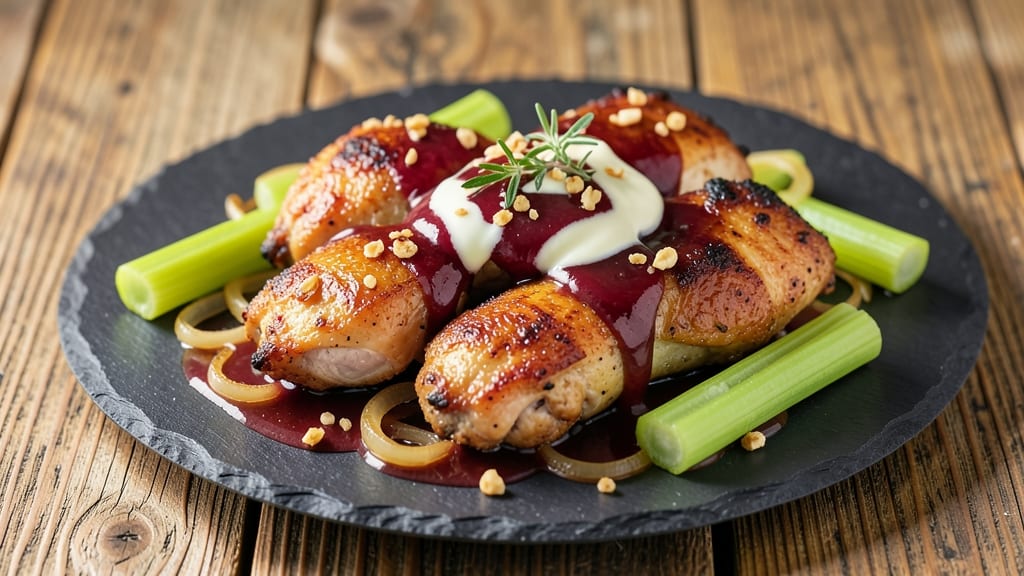
This apple juice chicken recipe transforms ordinary chicken into a showstopping dish with crispy celery-topped bites and a rich, caramelized glaze. The apple juice isn't just flavor—it tenderizes the chicken while creating a glossy, sweet-savory sauce that clings to every bite.
I perfected this recipe after years of experimenting with braising techniques, and the result is restaurant-quality without the fuss.
The secret lies in the slow cook—apple juice breaks down the chicken's proteins, making it fork-tender while infusing it with subtle sweetness. Celery adds a satisfying crunch, and the glaze caramelizes beautifully for a perfect balance of textures.
This method works equally well for weeknight dinners or special occasions, with minimal prep and hands-off cooking.
By the end, you'll have golden-brown chicken with crispy celery crowns and a glossy glaze that makes every bite irresistible. The apple juice's natural sugars create a perfect harmony with savory herbs, while the celery topping adds a fresh, crunchy contrast.
This dish proves that simple ingredients can deliver extraordinary results with the right technique.
Pair with roasted potatoes or a fresh green salad to round out the meal. The glaze also works as a dipping sauce for crusty bread—versatile enough for any table. Let's get started on this crispy, caramelized masterpiece.
Ingredients for apple juice chicken
Transform ordinary chicken into crispy, caramelized bites with this restaurant-quality apple juice recipe.
| Ingredient | Amount | Notes |
|---|---|---|
| Boneless, Skinless Chicken Thighs 🍗 | 1 ½ lb | Cut into even-sized pieces |
| Unsalted Butter 🧈 | ½ cup | Cold, cubed for browning |
| Apple Juice (unsweetened) 🍎 | 1 ½ cups | Braeburn or Fuji preferred |
| Celery Stalks 🧅 | 4 whole | Trimmed, cut into 1-inch pieces |
| Yellow Onion 🧅 | 1 whole | Medium, sliced into half-moons |
| Garlic Cloves 🧄 | 4 cloves | Minced for aromatic base |
| Fresh Thyme Leaves 🌿 | ¼ cup | Stems removed, chopped |
| Fresh Rosemary 🌿 | ½ tsp | Chopped, for earthy depth |
| Diamond Crystal Kosher Salt 🧂 | 1 ½ tsp | For seasoning and glaze |
| Ground Black Pepper 🌶️ | ½ tsp | Freshly cracked |
| Brown Sugar 🍚 | ¼ cup | Packed, for caramelization |
| Balsamic Vinegar 🍷 | 1 tbsp | For glaze acidity |
| All-Purpose Flour 🌾 | ¼ cup | For crispy celery coating |
| Extra-Virgin Olive Oil 🫒 | 2 tbsp | For finishing and drizzling |
The chicken thighs are the foundation—look for boneless, skinless cuts with good marbling for moisture. Costco or local butchers often carry high-quality, evenly sized pieces perfect for this dish. Apple juice isn't just flavor; it tenderizes the chicken while creating that signature glossy glaze. Braeburn or Fuji varieties work best—their balance of sweetness and acidity enhances the caramelization without overpowering. Fresh thyme and rosemary from the bulk section at Whole Foods or your local market elevate the dish beyond basic seasoning, but dried herbs in a pinch work too (use half the amount).
No apple juice? Substitute with a mix of chicken broth and a splash of apple cider vinegar—it won't be identical, but the technique remains the same. Celery topping too fussy? Skip the flour coating and just toast the celery in butter for a simpler version. The brown sugar is essential for caramelization—don't substitute white sugar unless you reduce the liquid slightly. For extra crispiness, broil the celery-topped chicken for the last 2 minutes. Prefer less sweetness? Reduce the brown sugar to 2 tablespoons and add 1 teaspoon of Dijon mustard to the glaze for depth.
Store the cooked chicken and glaze separately in airtight containers for up to 4 days in the fridge. The celery topping loses crispness overnight, so it's best served fresh or reheated briefly in a dry skillet. Freeze the chicken (without celery) for 3 months)—thaw overnight in the fridge before reheating. The glaze reheats beautifully; simmer it with a splash of water if it thickens. For meal prep, double the recipe and portion the chicken into containers with a small amount of glaze—reheat everything together for consistent flavor.
Why You'll Love This Recipe
- Here’s what sold me: the apple juice cuts through the richness of the butter, giving the chicken a bright, almost caramelized depth. The celery and onion mellow into sweetness, but the chicken? It’s got that crispy-soggy perfection—like a hug from your grandma’s kitchen, but with less cleanup.
- I’ll be real: chicken thighs are cheaper than breasts, and apple juice is cheaper than fancy wine. That onion and celery? They’re the kind of veggies that last forever in the crisper. Make it twice, freeze half, and suddenly you’ve got a week’s worth of dinners that won’t break the bank—or your taste buds.
Step-by-step instructions for crispy celery-topped chicken with caramelized glaze
A perfect balance of textures and flavors awaits—tender chicken with crispy celery topping and a glossy glaze.
Prepare the Chicken and Celery Topping
Pat the 1.5 lb boneless, skinless chicken thighs dry with paper towels—this is critical for crispy skin. Cut each thigh into 4 even-sized pieces and season both sides generously with 1.5 tsp Diamond Crystal kosher salt and 0.5 tsp freshly cracked ground black pepper. Set aside on a plate.
For the celery topping, trim the 4 whole celery stalks and cut them into 1-inch pieces. In a small bowl, toss the celery with 0.25 cup all-purpose flour until evenly coated. This flour will create a crispy, crunchy texture when baked. Keep the celery separate from the chicken at this stage.
Sear the Chicken in Butter
Heat a large oven-safe skillet over medium-high heat and add 0.5 cup cold, cubed unsalted butter. Once the butter foams and begins to sizzle—about 2-3 minutes—carefully add the seasoned chicken pieces in a single layer. Let them sear undisturbed for 4-5 minutes per side until they develop a deep golden-brown crust.
Don't overcrowd the pan—if needed, work in batches to ensure even browning. The butter should render into a rich, golden liquid, creating a flavorful base for the chicken. Once browned, remove the chicken from the skillet and set it aside on a plate, leaving the butter behind.
Build the Aromatic Base
In the same skillet (with the rendered butter), add 1 whole yellow onion sliced into half-moons, 4 cloves minced garlic, 0.25 cup chopped fresh thyme leaves, and 0.5 tsp chopped fresh rosemary. Cook over medium heat for 4-5 minutes, stirring occasionally, until the onions soften and the garlic becomes fragrant.
This step develops the foundational flavors of the dish. The thyme and rosemary will infuse the butter with their earthy aromas, while the onions and garlic add sweetness and depth. If the mixture starts to stick, add 1-2 tablespoons of unsweetened apple juice to deglaze and keep it moist.
Create the Caramelized Glaze
Reduce the heat to medium-low and stir in 0.25 cup packed brown sugar and 1 tbsp balsamic vinegar. Let the mixture simmer for 3-4 minutes, stirring occasionally, until the sugar dissolves and the glaze begins to thicken slightly. Then, pour in 1.5 cups unsweetened apple juice and bring to a gentle simmer.
Simmer the glaze for 5-6 minutes until it reduces by about one-third and becomes syrupy. The glaze should coat the back of a spoon and have a glossy, caramelized appearance. If it reduces too quickly, add a splash more apple juice to balance the sweetness and acidity.
Assemble and Bake to Crispy Perfection
Return the seared chicken to the skillet and spoon the glaze evenly over the top. Arrange the flour-coated celery pieces in a single layer over the chicken, pressing down gently to ensure they make contact with the glaze. This step ensures the celery becomes crispy and infused with flavor.
Transfer the skillet to a preheated 375°F oven and bake for 20-25 minutes, or until the chicken reaches an internal temperature of 165°F and the celery is golden brown and crispy. The glaze should bubble and caramelize further, creating a sticky, glossy coating.
Finish with Olive Oil and Serve
Remove the skillet from the oven and let it rest for 5 minutes before serving. Drizzle 2 tbsp extra-virgin olive oil over the top of the chicken and celery, then toss gently to coat. The olive oil adds a final layer of richness and enhances the crispy texture of the celery.
Serve the chicken immediately, ensuring each piece is topped with crispy celery and glistening glaze. The contrast of textures—tender chicken, crispy celery, and glossy glaze—makes this dish truly special. Pair with roasted vegetables or a simple green salad for a complete meal.
Pro Tips For Making Apple Juice Chicken
- Brown the Chicken First: I learned this the hard way—skipping the sear means you’ll end up with bland, mushy chicken. Get your pan screaming hot and cook the thighs for 3-4 minutes per side until they’re golden, not just pink. That crust locks in flavor when the apple juice later braises them.
- Use Stale Apple Juice: Fresh apple juice can taste sharp and underripe in this dish. If you’ve got leftover juice from another recipe, use that—it’s mellowed out and won’t overpower the chicken. Or, if you’re starting fresh, let the juice sit uncovered in the fridge for 24 hours first. Trust me, it makes a real difference.
- Don’t Overcrowd the Pan: I used to dump all the chicken in at once, thinking it would cook faster. Wrong. Give the thighs space to sizzle properly, or you’ll steam them instead of sear them. Cook in batches if needed—your future self (and your crispy crust) will thank you.
- Deglaze with Cold Juice: Here’s a weird but effective move: After browning the chicken, let the pan cool for 30 seconds, then add the apple juice. The cold liquid cuts through the fond better, lifting all those flavorful bits stuck to the bottom. Scrape and stir like you’re trying to win a prize—you are.
Essential equipment for this dish
Oven-Safe Skillet
This recipe hinges on an oven-safe skillet—I recommend a 12-inch cast iron skillet like the Lodge Pre-Seasoned Cast Iron for even heat distribution and durability. Cast iron retains heat beautifully, ensuring the chicken cooks evenly while the glaze caramelizes perfectly.
If you don’t have cast iron, a heavy stainless steel skillet (like All-Clad) works too, but monitor the heat more closely to prevent hot spots. ⚡
High-Quality Butter
Use unsalted butter for seasoning control—I prefer Plugrá European-Style Cultured Butter for its rich, nutty flavor. Cold, cubed butter creates a golden crust when searing the chicken, while melted butter forms the base for the aromatic onion and garlic.
Never skip this step; the butter’s fat is what carries the flavors into the chicken. For a dairy-free option, use olive oil instead, though the texture will differ slightly.
Precision Thermometer
A meat thermometer is non-negotiable for perfect results. I use the ThermoWorks Smoke—it’s fast, accurate, and has a backlit display for easy reading in the oven. Insert the probe into the thickest part of the chicken to ensure it reaches 165°F internal temperature.
Without one, you risk overcooking the chicken or undercooking it, which ruins the texture. A budget-friendly alternative is the Thermoworks Thermapen, which is equally reliable.
Whisk for Glaze
For a smooth, lump-free glaze, use a balloon whisk or French whisk to dissolve the brown sugar and balsamic vinegar into the apple juice. A whisk ensures the sugar melts evenly, preventing graininess in the final glaze.
If you don’t have one, a fork or spoon works in a pinch, but whisking creates a silkier texture. Stirring vigorously for 3-4 minutes on medium-low heat is key to achieving that glossy finish. 💫
Tongs for Handling
Tongs are essential for flipping the chicken and arranging the celery topping without losing any of the glaze. I use stainless steel tongs with silicone grips—like the OXO Good Grips—for their durability and comfort. Avoid forks, which can puncture the chicken and cause juices to leak out. Tongs also help press the celery pieces gently onto the chicken, ensuring they crisp up evenly during baking.
Measuring Spoons & Cups
Precision matters when measuring ingredients like brown sugar and apple juice. Use stainless steel measuring spoons and a liquid measuring cup for accuracy. For the flour coating on celery, a 1/4-cup dry measure ensures the right amount for crispiness.
I keep a set of OXO Good Grips measuring spoons on hand—they’re sturdy and easy to read. Don’t eyeball measurements; even small variations can affect the glaze’s consistency or the celery’s texture.
Nutrition facts
Frequently asked questions
Can I use apple cider instead of apple juice in this recipe?
Yes, but with adjustments! Apple cider has more sediment and a stronger flavor. Use 1.5 cups unsweetened apple cider (strained first) and reduce the brown sugar to 2 tablespoons to balance the sweetness. The acidity in cider will intensify the glaze's tang, so simmer it for 4-5 minutes to concentrate the flavors. For extra depth, add 1 teaspoon of Dijon mustard to the glaze.
Why does the recipe call for boneless, skinless chicken thighs?
The thighs stay juicy and tender during the braising process, while the skinless cut ensures the apple juice glaze clings perfectly. Bone-in pieces would require longer cooking, and skin can make the chicken too greasy with the butter. For breasts, reduce cooking time to 15-20 minutes and watch closely—they dry out faster. Thighs are ideal for this technique!
How can I make this dish ahead of time?
Prepare the chicken and glaze up to 2 days ahead—store components separately in airtight containers. Reheat the chicken in a skillet over medium heat with a splash of apple juice until warmed through (5-7 minutes). Re-crisp the celery topping by tossing it in butter for 2-3 minutes before serving. The glaze reheats beautifully; simmer it with 1 tablespoon water if it thickens.
Can I substitute the celery topping with something else?
Try crispy breadcrumbs (tossed in butter and herbs) or toasted almonds for a nutty crunch. For a vegetable option, use thinly sliced fennel or jicama sticks—both hold up well to baking. Skip the flour coating if you prefer softer toppings. The key is ensuring the topping contrasts with the tender chicken and complements the glaze.
What's the best way to serve this apple juice chicken?
Pair with creamy mashed potatoes or roasted root vegetables (like carrots and parsnips) to balance the dish's sweetness. A simple arugula salad with lemon vinaigrette cuts through the richness, while crusty sourdough bread soaks up the glaze beautifully. For a complete meal, serve with wild rice pilaf—the nutty grains complement the apple notes perfectly.