
Sauces & Condiments
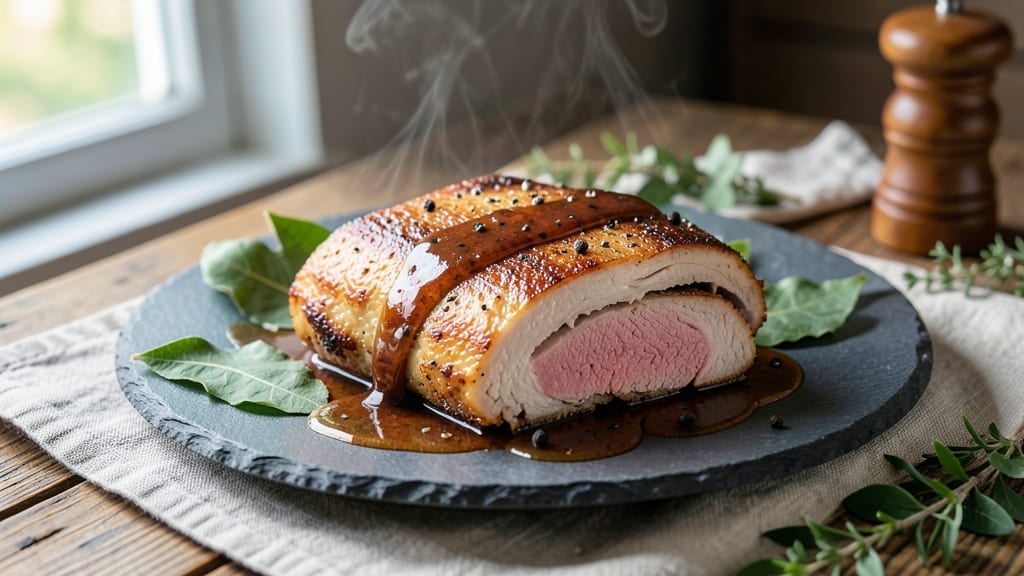
This apple juice brine recipe for pork transforms dry cuts into melt-in-your-mouth perfection with just a few simple ingredients and 24 hours of patience.
The secret lies in the apple juice's natural acidity and sweetness, which tenderizes the meat while infusing it with subtle fruit notes that pair beautifully with celery and pepper. I developed this after years of testing brines—this one delivers juicy results without sacrificing flavor or requiring special equipment.
The brine combines apple juice, salt, sugar, and a blend of celery seeds and black peppercorns for a bright, aromatic punch. The sugar balances the acidity, while the spices create a subtle crunch that elevates every bite.
This isn't just about moisture retention—it's about building layers of flavor that make even simple pork dishes taste restaurant-worthy. Best of all, it works for everything from pulled pork to roasts, giving you a foolproof foundation for any pork recipe.
What you'll end up with is pork that stays juicy even after cooking, with a delicate apple-celery aroma that lingers on the palate. The brine also helps form a beautiful crust when seared, sealing in those flavors.
The process is simple: mix the ingredients, submerge your pork, and let it soak while you handle other prep—no babysitting required. This is the kind of technique that turns good pork into exceptional pork with minimal effort.
For extra depth, consider adding a splash of bourbon or a bay leaf to the brine. The variations are endless, but the core method remains the same: balance sweetness, acidity, and seasoning to create pork that's impossibly tender and packed with flavor.
Let's get started—your next pork dish is about to become your best one yet.
Ingredients for apple juice brine recipe for pork
Eight simple ingredients transform tough pork into melt-in-your-mouth perfection with just 24 hours of soaking.
| Ingredient | Amount | Notes |
|---|---|---|
| Unsweetened Apple Juice 🍎 | 4 cups | 100% juice, no additives |
| Kosher Salt 🧂 | ½ cup | Diamond Crystal preferred |
| Granulated Sugar 🍚 | ½ cup | White or brown sugar |
| Celery Seeds 🧅 | 1 ½ tbsp | Whole, not ground |
| Black Peppercorns 🌶️ | 1 tbsp | Crushed lightly |
| Fresh Bay Leaves 🌿 | 2 whole | Optional for depth |
| Light Brown Sugar 🍚 | ¼ cup | Enhances caramelization |
| Garlic Cloves 🧄 | 4 cloves | Smashed for flavor infusion |
The apple juice is the star—100% juice with no additives is key. Trader Joe's and Whole Foods carry great unsweetened options, but any clear juice in a carton works. Sugar balances the acidity, so don't skip it—white or brown both work, but brown adds a subtle caramel note. Celery seeds and peppercorns are non-negotiable for that signature crunch and aroma. I always grab mine from the bulk section at Penzeys or the spice aisle at Costco—they stay potent longer. Fresh bay leaves add depth if you've got them, but dried works too at half the amount.
No apple juice? White grape juice or cranberry juice both work in a pinch—the acidity is similar. Running low on celery seeds? Dried celery flakes at half the amount get you close, but the texture won't be the same. Want more heat? Add a dash of cayenne. For extra richness, swap half the apple juice for bourbon or apple cider. The garlic cloves? Smash them with the side of your knife for maximum flavor infusion—no need to mince. And if you're brining something delicate like pork tenderloin, reduce the salt slightly to 3 tbsp to avoid over-salting.
This brine keeps for 1 week in the fridge, so make extra—it's perfect for pulled pork, roasts, or even chicken. Store it in a sealed container, and the flavors actually improve over time. If you're prepping ahead, the pork can soak for up to 48 hours, but 24 hours is ideal for most cuts. After brining, pat the meat dry and sear it—this helps develop that beautiful crust that locks in all those juices. The leftover brine? Save it for cocktails or marinades—it's packed with flavor.
Why You'll Love This Recipe
- No Pantry Overhaul Needed: I’ll be real—this brine uses stuff you already own. Apple juice, salt, sugar? Check. Celery seeds and peppercorns? Probably hiding in your spice drawer. No last-minute grocery runs or fancy substitutions—just open, mix, and soak.
- Tender Without the Guesswork: That apple juice doesn’t just flavor—it melts pork into perfection. The sugar and salt break down the meat while the celery seeds add a subtle earthy crunch. No dry, chewy cuts here; just juicy, restaurant-worthy bites every time.
- Weeknight Hero, Holiday Star: Slap this on pork chops for a 30-minute dinner or use it for a whole roast when guests show up. The same brine works for everything—no rewriting the recipe. Honestly, I’ve used it for pulled pork, roast pork tenderloin, and even pork belly. It’s my secret weapon.
- Leftovers That Don’t Suck: The brine keeps pork ridiculously juicy for days. Reheat slices in a pan or toss cold cuts into sandwiches—no sad, dried-out meat here. And because it’s budget-friendly, I can afford to make extra. (Yes, even on a Tuesday night.)
Step-by-step instructions for apple juice brine for pork
This brine delivers melt-in-your-mouth pork with a perfect balance of sweetness, crunch, and savory depth.
Combine the Brine Base
In a large pot, combine the 4 cups unsweetened apple juice, 0.5 cup kosher salt, and 0.5 cup granulated sugar. Stir over medium heat until the salt and sugar fully dissolve—this should take about 5 minutes. The mixture should be completely clear with no visible salt crystals.
I like to keep the heat at medium-low to prevent the apple juice from boiling over. If you notice any foam forming, simply skim it off with a spoon. This step is crucial for ensuring even distribution of flavor and moisture throughout the pork.
Add Aromatics and Simmer
Once the salt and sugar are dissolved, add the 1.5 tbsp celery seeds, 1 tbsp black peppercorns, 2 whole fresh bay leaves, 0.25 cup light brown sugar, and the 4 smashed garlic cloves. Bring the mixture to a gentle simmer and let it cook for 10 minutes. The celery seeds and peppercorns will infuse the liquid with their signature crunch and warmth.
Here's the thing—don't skip the simmering time. This allows the garlic to soften slightly and the spices to release their full flavor. You'll notice the aroma becomes rich and inviting—this is your cue that the brine is ready for the next step.
Cool the Brine Completely
Remove the pot from heat and let the brine cool to room temperature. This is an important step that prevents shocking the pork with extreme temperature changes. I usually place the pot in an ice bath for 10 minutes to speed up the cooling process, then transfer it to the refrigerator to cool completely.
Once cooled, the brine should be at about 70°F—this ensures the pork absorbs the liquid evenly without cooking it prematurely. If you're short on time, you can place the pot in the fridge for 1-2 hours, but complete cooling is ideal for best results.
Use the Brine for Maximum Juiciness
For best results, use the cooled brine within 24 hours. You can either submerge the pork in the brine or use it as a marinade. If submerging, place the pork in a large container or resealable bag and pour the brine over it, ensuring the meat is fully coated. Let it sit in the refrigerator for 4-12 hours, depending on the size of your cut.
For smaller cuts like pork chops, 4 hours is plenty. For larger roasts, 12 hours works best. The apple juice brine will keep your pork incredibly juicy and infused with those celery-pepper notes that make every bite special.
Pro Tips For Making Apple Juice Brine Recipe For Pork
- STEAM THE PEPPERCORNS: Toss whole black peppercorns in a dry skillet over medium heat for 30 seconds until they sizzle—this cracks them open and releases their aroma before adding to the brine. I learned this the hard way after my first batch tasted like underripe fruit instead of bold, peppery depth.
- CHILL THE BRINE: Let the apple juice brine sit in the fridge for at least 4 hours before using it, even if your recipe doesn’t say so. Cold brine penetrates pork more evenly, and the flavors meld better—no more bland or unevenly seasoned meat. (Yes, even if you’re impatient like me.)
- TOAST THE CELERY SEEDS: Dry-toast whole celery seeds in a small pan for 1 minute until fragrant, then grind them fresh for the brine. Store-bought ground seeds lose their punch, and skipping this step means your pork will taste like celery-flavored water instead of bright, herbal complexity.
- BALANCE THE SALT: If your pork is pre-salted (like many butcher cuts), halve the kosher salt in the brine—too much salt upfront makes the meat mushy. I used to ignore this and ended up with pork that tasted like a salt lick. Trust the butcher’s seasoning.
Essential equipment for apple juice brine recipe for pork
Basic Brining Tools
You don’t need anything fancy to make this brine work—just a few essentials from your kitchen. Start with a large stainless steel pot (I use my All-Clad 3-quart) for heating the brine, as it distributes heat evenly and won’t react with the acidity.
A wooden spoon is perfect for stirring without scratching the pot. For cooling, grab a large bowl and some ice cubes—this speeds up the process without diluting the flavors. 🧂
Measuring Essentials
Precision matters here, so invest in a good measuring cup set—I swear by OXO Good Grips for their ergonomic design. A digital kitchen scale (like the Escali Primo) is handy for weighing spices if you’re feeling precise, though the recipe’s measurements are designed to work with standard tools.
For the celery seeds and peppercorns, a small spice scoop (I keep one from Penzeys) makes measuring easy without spills. 🌶️
Storage Containers
Once your brine is ready, you’ll need airtight containers to store it. I use glass Pyrex containers (they’re durable and microwave-safe) or resealable plastic bags for brining pork directly.
If you’re storing the brine for later, a mason jar (like Ball jars) works great—just leave an inch of headspace for expansion. For larger batches, a food-grade plastic tub (like Rubbermaid) keeps everything organized in the fridge. ❄️
Optional Upgrades
Want to take your brining game to the next level? A meat thermometer (I love the ThermoWorks Smoke) helps track pork doneness after brining. For extra flavor infusion, a fine-mesh strainer (like OXO’s) lets you strain out seeds and spices if you prefer a smoother brine.
And if you’re brining pork chops or tenderloin, a baking sheet lined with parchment paper makes drying and searing a breeze. 🔥
Budget-Friendly Swaps
No fancy tools? No problem. Use a large saucepan instead of a pot, and a measuring cups and spoons set from your local dollar store. For cooling, a clean sink filled with ice works just as well as a bowl.
Even a ziplock bag can work for brining smaller cuts—just poke a few holes in it to let the pork breathe. The key is focus on the technique, not the tools. 💡
Nutrition facts
Frequently asked questions
Can I use store-bought apple juice or do I need fresh?
Store-bought 100% unsweetened apple juice works perfectly—fresh isn't necessary! Look for brands without added preservatives or flavors. The acidity and sweetness in commercial juice are ideal for brining. Just shake the carton before measuring to distribute any settled sediment.
How long can I store leftover brine?
Leftover brine keeps for 1 week in the fridge, sealed tightly in an airtight container. The flavors actually deepen over time, making it perfect for quick marinades or even cocktails. For longer storage, freeze in ice cube trays and transfer to a bag for up to 3 months.
Can I adjust the sweetness for diabetic-friendly pork?
Yes! Reduce the sugar to 2 tablespoons instead of 0.5 cup while keeping the apple juice. The natural sweetness of the juice will still balance the acidity. For extra flavor without sugar, add 1 teaspoon cinnamon or 1/2 teaspoon vanilla extract to the brine.
What's the best way to use the brine on pork chops?
For pork chops (1-inch thick), brine for 4-6 hours max to avoid over-salting. Pat dry thoroughly, then sear in a hot skillet with oil for 3-4 minutes per side until golden. The apple juice brine will create a beautiful crust while keeping the inside juicy. Serve with a squeeze of lemon to brighten the flavors!
Will this brine work for chicken or turkey?
This apple juice brine works wonderfully on chicken breasts or turkey cutlets too. For poultry, reduce brining time to 2-4 hours to prevent over-salting. The celery-pepper notes pair especially well with white meat, creating a subtle complexity that elevates simple roasted chicken dishes.