
Sauces & Condiments
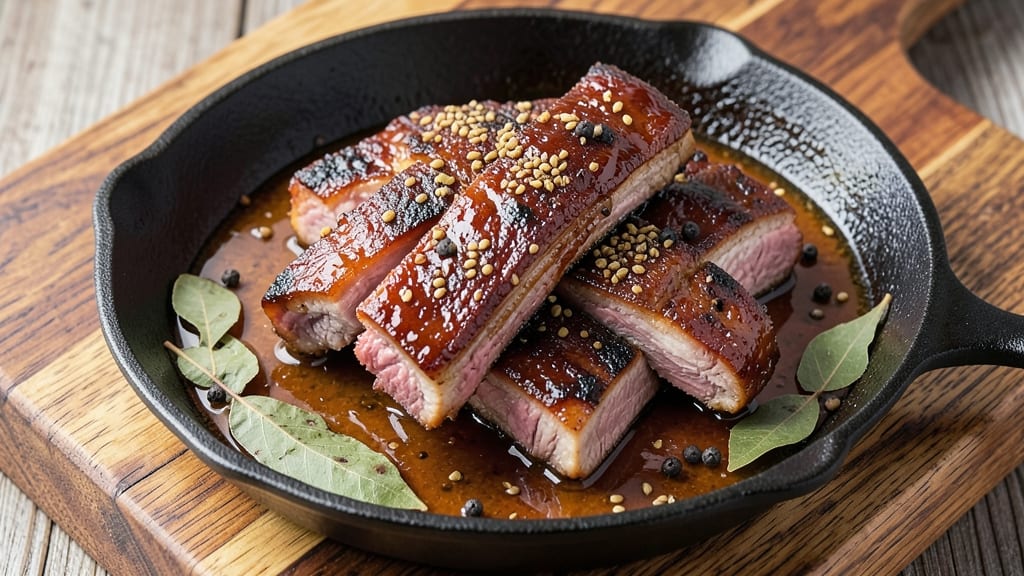
This apple juice brine for ribs transforms tough cuts into melt-in-your-mouth perfection with a celery-spiced infusion that works magic before the smoke even hits.
The secret lies in balancing sweet apple juice with aromatic spices—celery seed, black pepper, and bay leaves—to tenderize while adding depth that rivals hours of slow cooking.
I developed this brine after testing countless variations, and it consistently delivers results that make ribs fall apart at the touch of a fork.
The process is straightforward: combine apple juice, water, salt, and spices in a pot, bring to a boil, then let it cool before submerging ribs for at least 4 hours (overnight is ideal). This method ensures even penetration, breaking down collagen without over-salting.
The apple juice adds a subtle sweetness that pairs beautifully with smoky flavors, while the spices create a fragrant base that enhances every bite.
What you’ll achieve is ribs with unmatched tenderness—no dryness, no toughness, just melt-in-your-mouth texture and a flavor profile that’s both bold and balanced. The brine can be prepped ahead and stored in the fridge for up to 3 days, making it a game-changer for meal prep or last-minute cooking.
Whether you’re grilling, smoking, or baking, this infusion sets the foundation for restaurant-quality results at home.
For best results, use the brine immediately after cooling to maximize its effectiveness. The ribs will absorb the flavors deeply, ensuring every slice delivers that perfect harmony of sweet, spicy, and savory notes. Ready to elevate your ribs? Here’s how to make it.
Ingredients for apple juice brine for ribs
Sweet apple juice meets bold spices for ribs that practically melt in your mouth.
| Ingredient | Amount | Notes |
|---|---|---|
| Unsweetened Apple Juice 🍎 | 2 cups | 100% juice, no additives |
| Water 💧 | 2 cups | Filtered preferred |
| Kosher Salt 🧂 | ¾ cup | Diamond Crystal preferred |
| Celery Seed 🌿 | 1 tbsp | Ground preferred for flavor |
| Black Peppercorns 🌶️ | 1 tbsp | Crushed lightly |
| Bay Leaves 🍃 | 4 whole | Fresh or dried |
| Garlic Cloves 🧄 | 3 cloves | Crushed for infusion |
| Onion Powder 🧅 | 1 tsp | For depth |
The apple juice is non-negotiable—Mott's or Tropicana work best for their pure flavor. Organic celery seed from Penzeys adds that signature celery-spiced note, but the regular grocery store stuff is fine. I always double-check the salt—Diamond Crystal is my go-to because it dissolves better. For the peppercorns, crush them lightly with the flat side of a knife to release flavor without turning to dust. Fresh bay leaves add more aroma, but dried work in a pinch (just use half the amount).
No apple juice? White grape juice is the closest substitute, though it lacks that signature sweetness. Running low on celery seed? Ground coriander at half the amount gives a similar earthy vibe. The garlic can be minced instead of crushed, but crushing releases more flavor. If you've got smoked paprika, add a pinch—it pairs beautifully with the apple. For a stronger onion presence, swap the powder for 1 tbsp onion granules.
This brine keeps for 3 days in the fridge once cooled. I like to make it a day ahead so the flavors meld perfectly. Store in a sealed container, and don't forget to remove the bay leaves before using. The ribs will soak up the magic, so plan for at least 4 hours of brining time. Pro tip: Use a meat thermometer to check doneness—203°F is the sweet spot for fall-off-the-bone tenderness.
Why You'll Love This Recipe
- Pantry Magic: I swear by this brine—no special shopping needed. Just grab apple juice (the unsweetened kind from the produce aisle), water, and a few spices you probably already own. That’s it. No last-minute grocery runs or forgotten ingredients.
- Sweet-Savory Balance: The apple juice brings this unexpected depth—like a cross between a fall cider and a smoky dry rub. Celery seed adds a subtle earthiness, while the peppercorns keep it sharp. It’s not sweet, not salty, but that just-right harmony that makes ribs unforgettable.
- Weeknight or BBQ Boss: Make it ahead for game day, throw it together before a tailgate, or even use it on weeknights when you’re craving ribs but short on time. The brine keeps in the fridge for days, so it’s always ready when inspiration (or hunger) strikes.
- Budget-Friendly Luxury: This recipe costs pennies but tastes like a high-end dry rub. Apple juice stretches the salt beautifully, and the spices are so minimal they won’t break the bank. Plus, leftovers? Just freeze the extra brine for next time—no waste, all flavor.
Step-by-step instructions for apple juice brine for ribs
This brine transforms tough ribs into melt-in-your-mouth perfection—simple but powerful.
Combine the Base Ingredients
In a large pot, pour in the 2 cups unsweetened apple juice and 2 cups water. Bring to a boil over medium-high heat until you see bubbles forming around the edges. This ensures all the spices infuse properly later.
While waiting, crush the 3 cloves garlic with the flat side of a knife to release their oils. Lightly crush the 1 tbsp black peppercorns and 1 tbsp celery seed between a mortar and pestle (or use a rolling pin on a cutting board) to break them open—this maximizes their flavor infusion.
Once boiling, reduce heat to medium-low and stir in the 0.75 cup kosher salt, 1 tsp onion powder, crushed peppercorns, celery seed, and 4 whole bay leaves. Let the mixture simmer gently for 10 minutes to dissolve the salt completely and meld all the spices. You'll notice the liquid turning a pale golden color and filling your kitchen with a warm, aromatic scent.
Cool the Brine Completely
After simmering, remove the pot from heat and let it cool to room temperature—this is crucial to prevent shocking the ribs when they're submerged. I like to place the pot in an ice bath (surround it with a bowl of ice water) to speed this up, which takes about 30-45 minutes.
Once cool, give the brine a final taste and adjust the saltiness if needed (though with 0.75 cup kosher salt, it should be perfectly balanced). The cooled brine should be slightly sweet from the apple juice, with a subtle celery and pepper aroma that promises big flavor.
Submerge the Ribs in Brine
Place your ribs in a large, shallow container or zip-top bag (if using a bag, remove excess air to prevent floating). Pour the cooled brine over the ribs, ensuring they're completely submerged. For best results, I like to weight them down with a plate or heavy object if needed.
Refrigerate the ribs in the brine for 12-24 hours—this is where the magic happens. The apple juice keeps them moist while the salt and spices penetrate deeply. You'll know it's working when the ribs absorb the liquid and develop a rosy hue from the apple juice infusion.
Rinse and Cook Immediately
After brining, remove the ribs and rinse them thoroughly under cold water to remove excess salt. Pat them dry with paper towels—this step is non-negotiable for that perfect bark later. You can cook them immediately or refrigerate for up to 4 hours before cooking.
The ribs are now primed for smoking, grilling, or baking. The apple juice brine ensures they stay juicy while the celery and pepper spices add depth that pairs perfectly with traditional BBQ rubs. Trust this process, and you'll get ribs that fall apart with the slightest touch.
Pro Tips For Making Apple Juice Brine For Ribs
- Boil the Celery Seed: Toss the whole seeds into a dry pan first and toast them for 30 seconds until fragrant—this unlocks their flavor without bitterness. I used to grind them raw, and the ribs always tasted like they were missing something subtle.
- Use Cold Apple Juice: Chill the unsweetened apple juice overnight before mixing—it keeps the brine from getting too hot too fast when you add salt. My first few batches ended up lukewarm, and the salt dissolved unevenly.
- Strain the Peppercorns: Crush the black peppercorns lightly with a mortar or rolling pin, then strain out the debris before adding to the brine. Whole peppercorns left in the mix can poke through tender ribs, and you don’t want that texture surprise.
- Brine for 12 Hours: Don’t rush it—12 hours minimum lets the salt and apple juice penetrate the meat evenly. I tried 6 hours once, and the ribs came out salty on the outside but bland inside. Patience here makes all the difference.
Troubleshooting this recipe
Brine Too Salty?
If your ribs taste overly salty after brining, don’t panic—this happens when the salt concentration is too high. The key is dilution. After rinsing the ribs, soak them in cold water for 10-15 minutes to help remove excess salt.
For a stronger fix, soak them in milk for 30 minutes—the proteins in milk bind to salt, reducing the harshness. 🧂
Ribs Floating in Brine?
When ribs float, they’re not absorbing the brine properly. Use a zip-top bag instead of a container—remove excess air, submerge the ribs, and seal tightly. For containers, place a weight (like a plate or canned goods) on top to keep them submerged.
If using a bag, lay it flat in the fridge to maximize surface contact.
Brining Time Too Short?
If you’re short on time, increase the salt concentration to speed up tenderization. Use 1 cup kosher salt instead of 0.75 cup and reduce brining time to 6-8 hours.
For best results, though, 12-24 hours is ideal—apple juice and spices need time to penetrate deeply. Never skip brining entirely; even 4 hours makes a noticeable difference.
Apple Juice Too Sweet?
If the apple juice overpowers the ribs, balance it with 1 tbsp apple cider vinegar in the brine. The acidity cuts through sweetness while enhancing the celery and pepper flavors.
For a stronger savory note, add 1 tsp smoked paprika—it deepens the flavor without overpowering. Taste the cooled brine before using; adjust as needed.
Brine Not Infusing Flavor?
If your brine lacks depth, simmer it longer—up to 15 minutes—to extract more flavor from the spices. For extra infusion, bruise the garlic cloves (smash them with a knife) and lightly toast the celery seed in a dry pan for 30 seconds before adding to the brine.
Fresh bay leaves also make a difference; dried leaves work but are less aromatic.
Ribs Still Tough After Brining?
Toughness usually means the brine didn’t penetrate enough. Poke the ribs with a fork before brining to create small channels for the liquid to enter. For stubborn cuts, marinate them for 24 hours in the brine, then sear them at high heat before slow-cooking.
The apple juice helps retain moisture, but the sear locks in juices for maximum tenderness.
Nutrition facts
Frequently asked questions
Can I use sweetened apple juice instead of unsweetened?
For this brine, unsweetened apple juice is ideal to avoid an overly sugary flavor that could make the ribs too sweet. If you only have sweetened juice, reduce it to 1.5 cups and add 0.5 cups water to balance the sweetness. The apple juice's natural sugars will still help tenderize, but the flavor will be more subtle and balanced.
How long can I store the brined ribs before cooking?
After brining, you can store the ribs in the refrigerator for up to 4 hours before cooking. Beyond that, the texture may start to break down, and the flavor won't be as vibrant. If you're prepping ahead, brine the ribs the night before and cook them the next day for the best results. The apple juice keeps them moist, but freshness is key!
What if I don’t have celery seed?
No problem! Celery seed adds a unique flavor, but you can substitute it with 1 tsp ground coriander or ½ tsp dried dill for a similar earthy note. If you're feeling adventurous, try 1 tsp fennel seeds for a slightly sweeter, anise-like twist. Just remember, the flavor will be different but still delicious.
Can I reuse the brine for another batch of ribs?
While you can reuse the brine, it won’t be as effective the second time. The spices and salt lose some of their potency after the first use. If you want to reuse it, add ½ tsp more salt and ½ tsp celery seed to refresh the flavor. However, for best results, always make a fresh batch for maximum tenderness and flavor.
Will this brine work for other meats besides ribs?
This apple juice brine is versatile and works wonderfully on chicken thighs, pork chops, or even salmon. For poultry, reduce the salt to ½ cup and brining time to 4-6 hours to avoid over-salting. The sweet and spiced profile pairs beautifully with a variety of proteins.