
Sauces & Condiments
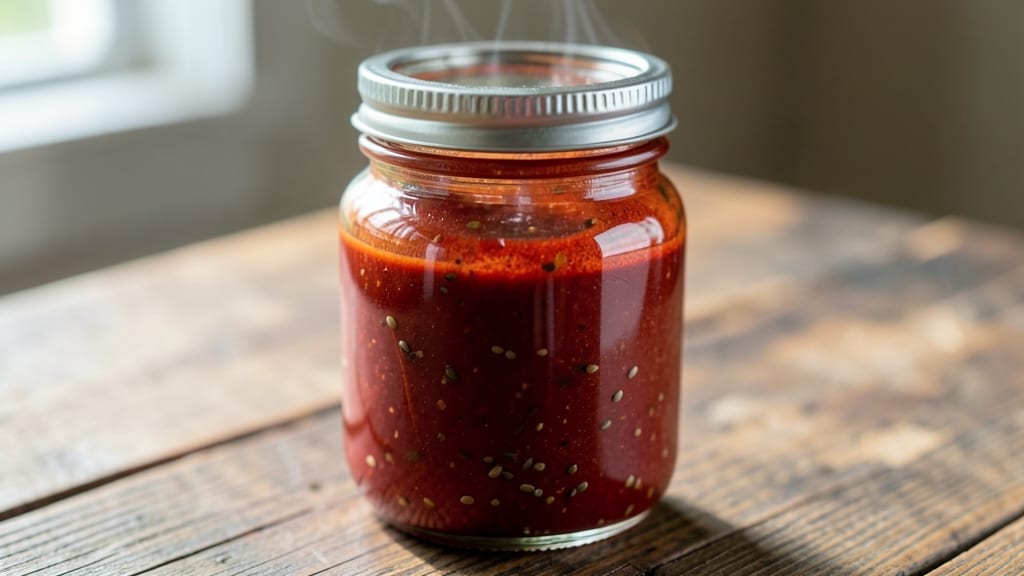
This apple habanero hot sauce recipe transforms sweet apples and fiery habaneros into a balanced condiment that delivers bold heat with refreshing crunch. The secret lies in fermenting the habaneros for depth while blending them with apple cider vinegar and celery seeds—creating a sauce that’s both complex and approachable.
I developed this after years of experimenting with hot sauces, and the key is controlling the heat without sacrificing the natural sweetness of the apples.
The process begins with fermenting the habaneros in apple cider vinegar for 1–2 weeks, which mellows the raw spice while preserving its punch. Then, we blend in cooked apples, garlic, and celery seeds for a textural contrast that cuts through the heat.
Safety is critical—always wear gloves when handling habaneros, and never touch your face during prep. The result? A smooth, tangy sauce with layers of sweetness, spice, and a subtle crunch from the celery.
What makes this sauce stand out is its versatility—drizzle it over grilled meats, mix into cocktails, or use as a dip for chips.
The fermentation process ensures a longer shelf life (up to 6 months in the fridge), and the apple base balances the habanero’s intensity, making it kid-friendly in small doses.
The celery seeds add a subtle earthiness that rounds out the flavors, creating a condiment that’s as dynamic as it is delicious.
For those new to hot sauce making, this recipe is foolproof—just follow the fermentation timeline and balance the sweet and spicy elements carefully.
Store it in a clean glass jar, and you’ll have a homemade hot sauce that rivals store-bought versions, with the added satisfaction of knowing exactly what’s in it. Ready to elevate your dishes with a customizable kick? Let’s get started.
Ingredients for apple habanero hot sauce
Fermented habaneros and sweet apples create this balanced hot sauce with celery crunch.
| Ingredient | Amount | Notes |
|---|---|---|
| Fresh Habanero Peppers 🌶️ | ½ lb | Wear gloves when handling |
| Apple Cider Vinegar 🍎 | 2 cups | Raw, unfiltered preferred |
| Granny Smith Apples 🍏 | 3 medium | Peeled, cored, chopped small |
| Garlic Cloves 🧄 | 6 cloves | Fresh, minced after fermenting |
| Celery Seeds 🌿 | 1 tbsp | Whole, lightly toasted |
| Sea Salt 🧂 | 1 tsp | Fine grain preferred |
| Black Peppercorns 🌶️ | ½ tsp | Freshly cracked |
| Brown Sugar 🍚 | 2 tbsp | Lightly packed |
| Extra-Virgin Olive Oil 🫒 | ¼ cup | For finishing |
| Fresh Ginger 🌿 | 1 inch | Peeled, grated |
The habaneros are the star here, so pick the freshest, firmest peppers you can find—Mexican markets or specialty grocery stores like Whole Foods usually carry the best. Look for vibrant orange peppers with no soft spots, as they pack the most heat and flavor. Costco often sells habaneros in bulk, which is perfect for this recipe. If you can't find fresh ones, high-quality dried habanero flakes work in a pinch, but the fermentation process won't be the same. For the apples, Granny Smiths are ideal—their tartness balances the sweetness, but any firm apple will do. The celery seeds? Penzeys Spices sells them in bulk, and they're worth the investment for that subtle earthy crunch.
No habaneros? Scotch bonnet peppers work similarly, though they're even hotter, so adjust to taste. Running out of apple cider vinegar? White vinegar with 1 tbsp apple juice mimics the tang. The celery seeds can be swapped for ground coriander at half the amount, but you'll lose that signature crunch. For a smoother sauce, blend the cooked apples until completely smooth—immersion blender works best. If you're sensitive to heat, reduce the habanero amount by half and add more apple for balance. The brown sugar is optional but helps caramelize the flavors during fermentation.
This sauce ferments best in a clean glass jar with a lid, stored in a cool, dark place for 1-2 weeks. After fermentation, it keeps for up to 6 months in the fridge—just skim off any mold that forms on top before using. For single servings, freeze in ice cube trays with olive oil on top to preserve color. The heat mellows slightly over time, so it's even safer for kids after a few weeks. Always label your jars with the date and contents—trust me, you'll thank yourself later when you're making your third batch.
Why You'll Love This Recipe
- No Blender Needed: I swear by this method—just a knife, a pot, and 15 minutes of stirring. The habaneros and Granny Smiths soften right into the vinegar without pulsing, and honestly? The texture’s smoother than anything I’ve jarred.
- Sweet Heat Balance: That first bite—tart Granny Smith tang cutting through the habanero’s fire—is chef’s kiss. The celery seeds add this earthy depth that makes it taste like a hug for your taste buds, especially when drizzled over tacos or fried chicken.
- Pantry Staple Power: Between us, this sauce turns boring meals into events. Slather it on grilled cheese, mix it into mayo for sandwiches, or even toss it with roasted potatoes—it’s the one thing I keep in the fridge for “emergency flavor.”
- Lasts Months, Costs Pennies: I made a batch last summer and still have half. The vinegar preserves it perfectly, and the apples keep the heat from being overwhelming over time. Plus, habaneros are cheap in bulk—this is my go-to for stretching grocery dollars without sacrificing kick.
Step-by-step instructions for apple habanero hot sauce
Transform bold habanero heat and crisp apple sweetness into a complex, crunchy hot sauce.
Prepare and Sterilize the Base Ingredients
Start by thoroughly washing the 0.5 lb fresh habanero peppers under cool water to remove any surface debris. Working carefully with gloves (habaneros are potent!), slice them into ¼-inch rings and remove stems and seeds. The seeds contain most of the heat, so leaving them in creates an aggressive sauce—adjust to taste if you prefer milder heat.
In a large, heavy-bottomed saucepan, combine the 2 cups apple cider vinegar and 2 tbsp brown sugar. Bring to a gentle simmer over medium heat and stir until the sugar fully dissolves. This creates your acidic base that will carry the flavors during fermentation. Keep the mixture at a bare simmer for 5 minutes to sterilize the vinegar and prepare it for infusion.
Infuse Flavors and Ferment the Mixture
Add the sliced habanero peppers, 3 medium granny smith apples (chopped small), 6 cloves garlic cloves (minced), 1 tbsp celery seeds (lightly toasted), 1 tsp sea salt, and 0.5 tsp black peppercorns to the simmering vinegar mixture. Stir gently to combine, ensuring all ingredients are fully submerged. The celery seeds add a subtle earthy crunch that complements the habanero's heat.
Reduce heat to low and let the mixture steep for 45 minutes, stirring occasionally. You'll notice the habaneros releasing their vibrant red oils and the apples softening slightly. Remove from heat and let it cool to room temperature before transferring to a clean, airtight glass jar. This cooling step prevents bacterial growth during fermentation.
Ferment and Develop Complexity
Cover the jar loosely (leave a small gap for airflow) and let it ferment at room temperature for 5-7 days. You'll know fermentation is working when you see tiny bubbles forming and the mixture develops a slightly effervescent texture. The apple's natural sugars will interact with the vinegar, creating a tangy-sweet foundation that balances the habanero's heat.
After 5 days, taste the mixture. It should be vibrant with habanero heat, apple sweetness, and a developing complexity from the garlic and celery seeds. If you prefer a stronger flavor, continue fermenting for 2 more days. Once satisfied with the taste, proceed to straining.
Strain and Finish the Hot Sauce
Using a fine-mesh strainer or cheesecloth, carefully strain the fermented mixture into a clean bowl, pressing gently to extract all the liquid. Discard the solids or compost them—they've given everything their flavor. Return the strained liquid to the saucepan and stir in the 1 inch fresh ginger (grated) and 0.25 cup extra-virgin olive oil. The olive oil adds a silky texture and helps distribute the heat evenly.
Bring the mixture to a gentle simmer over low heat for 10 minutes to sterilize and meld the flavors. Taste and adjust seasoning with additional sea salt or brown sugar if needed. The final sauce should have a bright red hue, a crisp apple tang, and a lingering habanero burn with underlying sweetness.
Bottle and Age for Maximum Flavor
Transfer the hot sauce to sterilized glass bottles or jars, leaving about ½-inch headspace at the top. Seal tightly and let it age at room temperature for at least 2 weeks—this allows the flavors to fully integrate. The longer it ages, the more complex and balanced the sauce becomes. Store in a cool, dark place until ready to use.
This hot sauce keeps for up to 6 months in the refrigerator. Use it to elevate tacos, drizzle over grilled meats, or mix into marinades. The celery seed crunch and apple sweetness make it uniquely versatile—trust the process, and you'll have a hot sauce that stands out from the ordinary.
Pro Tips For Making Apple Habanero Hot Sauce
- REMOVE PEPPER SEEDS FIRST: Habaneros pack most of their heat in the seeds and membranes—pop them out before blending, even if you love spice. I used to skip this and ended up with sauce so hot I needed milk just to finish a spoonful, and that’s no fun when you’re trying to balance sweet-tart apple flavor.
- PEEL AND CORE APPLES: Granny Smiths have tough skins that can make the sauce gritty, and cores turn bitter after cooking. Peel and core them before chopping—yes, it’s extra work, but it keeps the texture smooth and the flavor clean. Trust me, you’ll taste the difference when you’re not chewing through apple bits.
- SIMMER LOW AND SLOW: Crank the heat too high, and your vinegar will evaporate before the flavors meld. Keep it at a gentle simmer—tiny bubbles, not a rolling boil—and let it cook for at least 20 minutes. Rushed sauce tastes sharp and unfinished; patience here makes the sauce rich and complex.
- STRAIN THE SEEDS LATER: Blend everything raw, then strain through a fine-mesh sieve after cooking. This catches any lingering pepper seeds or apple pulp without losing the bright, tangy liquid. I learned this after making a batch where the texture was too thick—now I adjust consistency before straining, not after.
Pro cooking tips for great apple habanero hot sauce
Fermentation Precision
Fermenting your habaneros for 5-7 days is where the magic happens—but timing is everything. I’ve found that 6 days gives the perfect balance between raw heat and mellowed complexity.
Use a sterilized glass jar with a loose lid (like a breathable fermentation lid or even a coffee filter secured with a rubber band) to allow airflow while preventing contaminants. Store it in a dark cupboard between 68-72°F for consistent results. 🌡️
If your kitchen runs hotter, ferment for 5 days to avoid over-souring. Too cold? Extend to 7-8 days. The goal is a bright red, effervescent liquid with tiny bubbles—this tells you fermentation is working. Never rush it; patience here prevents bitterness and ensures safety.
Heat Control Hacks
Habaneros are 200,000-350,000 Scoville units—way hotter than jalapeños. To dial down the heat, remove seeds and membranes before fermenting. For a milder sauce, use only 3 habaneros instead of 5.
I’ve also had success blending in extra apple cider vinegar (up to ½ cup) to dilute the capsaicin naturally. 🔥
If your sauce turns out too fiery, balance it by adding 1-2 tbsp apple juice or extra brown sugar (up to 1 tbsp) to the strained mixture. The sugar caramelizes slightly during the final simmer, adding depth without overpowering the heat.
Equipment Essentials
A fine-mesh strainer or cheesecloth is non-negotiable for straining—avoid coffee filters (they’re too porous and won’t catch solids well). I swear by a stainless-steel strainer (like the OXO Good Grips) for durability.
For fermenting, a 1-quart glass jar with a wide mouth makes straining easier. Never use plastic—vinegar and habanero oils can degrade plastic over time. ⚡
For aging, amber glass bottles (like Ball Mason jars) protect the sauce from light, which can degrade flavors. If you don’t have them, dark brown paper wrapped around the jar works in a pinch.
Label everything with the date and heat level (e.g., “Mild” or “Fiery”) to avoid mix-ups later.
Safety First
Always wear gloves when handling habaneros—even a tiny amount of capsaicin on your skin can cause severe burning if touched later. If you sneeze or get sauce in your eyes, rinse immediately with cool water or milk (never hot water, which opens pores and worsens burns). Keep a small bowl of milk nearby as a quick remedy for accidental contact. 🚑
Discard any fermented mixture that smells off, sour, or moldy—even if it looks fine. When in doubt, taste a tiny drop (spit it out immediately if it tastes funky). The sauce should smell bright, tangy, and slightly sweet, not rotten or ammonia-like.
Flavor Boosts
Want extra depth? Add ½ tsp smoked paprika or 1 tsp liquid smoke to the final strained mixture for a BBQ-style twist. For a tropical vibe, blend in 1 tbsp lime juice and 1 tsp honey during the final simmer.
I’ve also experimented with toasted cumin seeds (½ tsp) for an earthy note—just toast them in a dry pan for 30 seconds before adding to the fermenting jar. ✨
For a smoother texture, blend the strained sauce with an immersion blender for 10-15 seconds. If you prefer texture, leave it slightly chunky—just pulse briefly.
The celery seeds add natural crunch, but you can also lightly toast 1 tsp coriander seeds and mix them in for a different dimension.
Nutrition facts
Frequently asked questions
Why ferment the habaneros instead of cooking them immediately?
Fermenting mellows the habanero's raw heat while developing deeper, more complex flavors. The 5-7 day fermentation in apple cider vinegar creates a smoother, tangier base that balances the sweetness of the apples. Cooking immediately would preserve the pepper's sharpness but miss that fermented depth. Think of it like aging wine—patience pays off!
Can I make this sauce without celery seeds?
Swap them for ½ tsp ground coriander or ¼ tsp toasted cumin seeds for earthy notes. For crunch, add 1 tbsp finely chopped celery or fennel during the final simmer. The celery seeds primarily add subtle texture, but these alternatives work beautifully. Just adjust to taste after straining.
How do I know when the fermentation is done?
Look for tiny bubbles and a slightly effervescent texture—this means fermentation is active. After 5 days, taste it: the habanero heat should be vibrant but not overpowering, with apple sweetness emerging. If it smells bright and tangy (not sour or funky), it's ready. For stronger flavor, ferment 1-2 more days.
What can I do if my sauce turns out too spicy?
Balance the heat by adding 1-2 tbsp apple juice or extra brown sugar (up to 1 tbsp) to the strained mixture. Simmer for 5 minutes to caramelize the sugar slightly—this adds sweetness without overpowering. For a milder version next time, use 3 habaneros instead of 5 or remove seeds/membranes before fermenting.
Can I use this sauce in cocktails?
Yes! It adds a fruity, spicy kick to margaritas, mojitos, or even bloody marys. Start with ½ tsp per drink and adjust to taste. For a smoky twist, add ½ tsp to a mezcal cocktail. The apple sweetness pairs beautifully with citrus, while the habanero heat cuts through cocktails like a refreshing surprise. Just shake well to distribute the flavors evenly.