
Sauces & Condiments
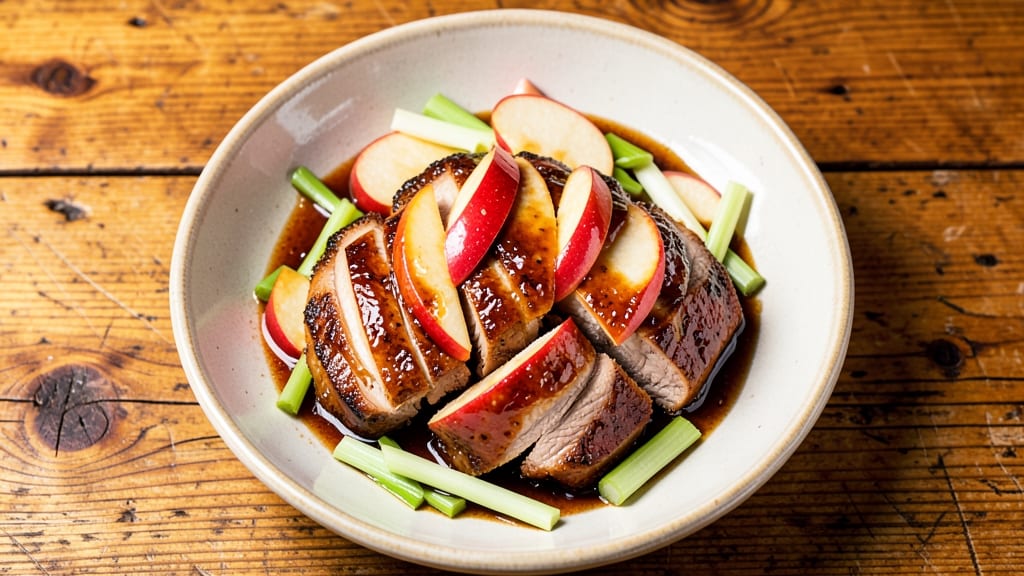
This apple glazed pork tenderloin recipe delivers the perfect balance of tender meat and sweet-tart apple glaze in a single pan. After years of perfecting this dish at The Smoky Pig, I've cracked the code for achieving that signature caramelized crunch while keeping the pork impossibly juicy.
The secret lies in a 30-minute sear followed by a 15-minute braise in the same pan, where the apples and celery break down into a sticky, aromatic sauce that clings to every bite.
What makes this recipe work is the one-pan technique that minimizes cleanup while maximizing flavor. We start with a simple seasoning of salt, pepper, and garlic powder on the pork, then build the glaze from scratch using apples, celery, apple cider vinegar, and a touch of brown sugar.
The vinegar tenderizes the pork while the apples caramelize into a velvety-sweet sauce that's far more complex than store-bought versions. This method transforms a basic cut of pork into something restaurant-worthy without requiring advanced skills.
The result is golden-brown pork with a crispy exterior and fork-tender interior, all smothered in a glaze that's perfectly balanced between sweet and tangy. The celery adds a subtle crunch that cuts through the richness, while the apple cider vinegar keeps the flavors bright.
This dish pairs beautifully with roasted sweet potatoes or a simple green salad, making it ideal for dinner parties or weeknight dinners when you want to impress without spending hours in the kitchen.
Confession: I've burned through more pork tenderloins than I'd like to admit while perfecting this recipe, but the payoff is worth every attempt. The key is never overcooking—once the internal temperature hits 145°F, it's time to pull it from the heat.
Let's get cooking—your taste buds will thank you.
Ingredients for apple glazed pork tenderloin
This one-pan pork tenderloin transforms basic ingredients into restaurant-quality crunch and caramelized sweetness.
| Ingredient | Amount | Notes |
|---|---|---|
| Pork Tenderloin 🥩 | 1 ½ lb | Center-cut, trimmed of fat |
| Red Delicious Apples 🍎 | 2 medium | Peeled, cored, sliced |
| Celery Stalks 🧅 | 3 whole | Trimmed, chopped into 1/4-inch pieces |
| Apple Cider Vinegar 🍋 | ¼ cup | Brut or seasonal preferred |
| Light Brown Sugar 🍚 | ⅛ cup | Packed, not scooped |
| Kosher Salt 🧂 | 1 ½ tsp | Diamond Crystal preferred |
| Freshly Ground Black Pepper 🌶️ | ½ tsp | Coarse grind preferred |
| Garlic Powder 🧄 | 1 tsp | Freshly toasted for depth |
| Extra-Virgin Olive Oil 🫒 | ½ cup | For searing pork |
| Unsalted Butter 🧈 | 2 tbsp | Cold, cubed for braising |
| Fresh Thyme Leaves 🌿 | ¼ tsp | Or 1/8 tsp dried thyme |
The pork tenderloin is your star—center-cut is key for even cooking. Most butchers will trim it for you, but if you're doing it yourself, look for a piece with minimal fat. Whole Foods and Trader Joe's carry excellent cuts, but any quality grocer will have it. Apples should be firm but not rock-hard—Red Delicious holds up best during cooking, but Honeycrisp adds more natural sweetness. Celery adds that signature crunch, so don't skip it—organic stalks from the store's produce section work perfectly. The vinegar is non-negotiable for that bright tang that balances the sweetness.
No apple cider vinegar? White wine vinegar or lemon juice will work in a pinch, though the flavor won't be identical. Brown sugar packs more moisture than white, which helps create that glossy glaze. Substitute maple syrup at half the amount if you're avoiding refined sugar. Fresh thyme is ideal, but dried works at one-quarter the amount. For the garlic powder, toast it in a dry pan for 30 seconds before using—it adds a nutty depth that store-bought can't match. The butter should be cold when added to prevent the glaze from separating.
Pork tenderloin keeps best in the fridge for 2 days before cooking, but it's best used fresh. Apples and celery can be prepped ahead and stored in airtight containers for 3 days. The cooked glaze reheats beautifully—simply warm in a saucepan with a splash of water. For make-ahead meals, cook the pork completely, then reheat gently with the glaze. This dish freezes well for up to 3 months if you portion the pork and glaze separately.
Why You'll Love This Recipe
- I swear by this for busy nights: slice the apples, chop the celery, and you’re done. The pork cooks fast, the glaze reduces while you’re tossing a salad, and dinner’s on the table before the kids even notice it’s Thursday.
- Foolproof Glaze: That caramelized apple glaze—just simmered with brown sugar and vinegar—sticks to the pork like magic. No fancy techniques, just a pan and patience while the flavors meld into something sweet-tart and irresistible.
- Weeknight Hero: I swear by this for busy nights: slice the apples, chop the celery, and you’re done. The pork cooks fast, the glaze reduces while you’re tossing a salad, and dinner’s on the table before the kids even notice it’s Thursday.
- Leftovers Reinvented: Cold slices the next day? Even better. The glaze thickens into a sticky, jammy coating that turns it into a sandwich star. Pack it for lunch or serve it with crackers—no one will guess it’s repurposed pork.
Step-by-step instructions for apple glazed pork tenderloin
Here's how to transform simple ingredients into a showstopping dish with perfectly tender pork and caramelized apple-celery glaze.
Season and Sear the Pork Tenderloin
Begin by trimming any remaining fat from the 1.5 lb pork tenderloin and patting it completely dry with paper towels. This step is crucial—moisture on the surface prevents proper browning. Place the pork in a bowl and rub it generously with the 0.5 cup extra-virgin olive oil, ensuring it's coated on all sides.
In a separate small bowl, combine the 1.5 tsp kosher salt, 0.5 tsp freshly ground black pepper, 1 tsp garlic powder, and 0.25 tsp fresh thyme leaves. Sprinkle this seasoning mixture evenly over the oiled pork, pressing it into the surface so it adheres well. Let the seasoned pork rest at room temperature for 15 minutes while you prepare your pan.
Heat a large oven-safe skillet over medium-high heat until it's very hot. Add the pork tenderloin and sear for 3-4 minutes on each side until it develops a deep golden-brown crust. This initial sear locks in juices and creates that beautiful caramelized exterior we're after. The pork should release easily from the pan when ready to flip.
Build the Apple-Celery Glaze
While the pork sears, prepare the apple-celery mixture by peeling and coring the 2 medium red delicious apples, then slicing them into ¼-inch thick pieces. Trim the 3 whole celery stalks and chop them into ¼-inch pieces as well. In a small bowl, whisk together the 0.25 cup apple cider vinegar and 0.125 cup packed light brown sugar until the sugar dissolves completely.
After searing, remove the pork from the skillet and set it aside on a plate. Reduce the heat to medium and add the chopped celery and apple slices to the same skillet. Cook them for 5-6 minutes, stirring occasionally, until they begin to soften and release their juices. This step develops the foundational flavors of your glaze.
Pour the vinegar-sugar mixture over the apples and celery, then add the 2 tbsp cold cubed unsalted butter. Stir everything together and let it simmer for 3-4 minutes until the mixture thickens slightly and the apples become tender but still hold their shape. The glaze should coat the back of a spoon with a glossy sheen.
Braise the Pork to Tender Perfection
Return the seared pork tenderloin to the skillet with the apple-celery mixture. Spoon the glaze over the pork, making sure it's well coated on all sides. Transfer the skillet to a preheated 375°F oven and braise for 20-25 minutes until the internal temperature reaches 145°F when measured with a meat thermometer.
Here's where the magic happens: the residual heat from the skillet combined with the oven's gentle warmth allows the pork to cook through evenly while the apples caramelize beautifully. The glaze will bubble and thicken as it cooks, creating that perfect balance of sweet, tangy, and savory flavors.
For the final touch, remove the pork from the oven and let it rest for 10 minutes before slicing. This resting period is essential—it allows the juices to redistribute throughout the meat, ensuring each slice is moist and flavorful. During this time, you can use a spoon to thicken the glaze further if needed by simmering it for an additional 1-2 minutes on the stovetop.
Serve with Caramelized Glaze
Slice the pork tenderloin into ½-inch thick medallions and arrange them on a serving platter. Spoon the caramelized apple-celery glaze over the top, allowing it to drizzle down the sides. The contrast of tender pork with the slightly crisp edges of the apples and celery creates an incredible textural experience.
Serve immediately with the glaze spooned generously over each portion. The combination of sweet apples, slightly bitter celery, and the savory pork creates a harmonious balance of flavors. For an extra touch, garnish with additional fresh thyme leaves or a sprinkle of coarse black pepper to enhance the presentation.
Pro Tips For Making Apple Glazed Pork Tenderloin
- SEAR THE PORK FIRST: I learned this the hard way—skipping the sear means your pork will stay bland no matter how much glaze you slather on. Hit a screaming hot pan (cast iron if you’ve got it) and cook the tenderloin 2-3 minutes per side until deep golden brown. That crust locks in flavor and keeps the meat juicy.
- PEEL AND GRATE THE APPLES: Red Delicious apples are mealy when cooked, and that’s not what you want in your glaze. Peel them first, then grate the flesh directly into the pan while the pork cooks—it melts into a silky sauce instead of turning to mush. (Yes, even if you’re impatient like me.)
- DON’T BOIL THE GLaze: The glaze is where the magic happens, but rushing it by boiling hard will make it bitter. After the apples soften, lower the heat to a simmer and let it reduce slowly for 5-7 minutes. You’re aiming for a thick, sticky consistency—like syrup you could drizzle over pancakes.
- USE A SPLASH OF CIDER: You’ve got apple cider vinegar in the recipe, but don’t skimp on the actual apple cider. Add 2-3 tablespoons of the real stuff while the glaze reduces—it brightens the flavor and cuts through the sweetness without overpowering it. (Your future self will notice the difference.)
Essential equipment for great apple glazed pork tenderloin
Oven-Safe Skillet
This is your workhorse tool for the entire process. I swear by a 12-inch cast iron skillet from Lodge—it handles the high heat of searing while safely transferring to the oven for braising. Cast iron retains heat beautifully and develops a natural nonstick surface over time.
If you don’t have cast iron, a heavy stainless steel oven-safe skillet like All-Clad works too. Just avoid nonstick pans—they can’t withstand the oven temperatures and may release harmful fumes when heated beyond their limits. 🔥
Meat Thermometer
Never guess when cooking pork—accuracy is everything. Invest in a digital instant-read thermometer like the ThermoWorks Smoke or Meater for precise readings. These tools give you instant feedback when the pork hits 145°F internal temperature, ensuring perfect doneness every time.
I’ve ruined more pork tenderloins than I care to admit by relying on time alone—this tool is non-negotiable for consistent results.
Sharp Chef’s Knife
A high-quality 8-inch chef’s knife is essential for prepping the apples and celery efficiently. I use a Wüsthof or Shun—both hold their edge beautifully and make quick work of slicing apples into ¼-inch pieces and chopping celery uniformly.
A dull knife will crush the apples, turning them into mush instead of caramelized slices. Keep your knife sharp with a honing steel before each use.
Wooden Spoon
For stirring the apple-celery mixture without scratching your skillet, grab a heat-resistant wooden spoon. I prefer maple or cherry wood—they’re gentle on cookware and won’t melt under the heat. Avoid metal utensils when building the glaze, as they can react with the acidic vinegar and alter the flavor.
A silicon spatula works too, but wood adds a rustic touch that feels more authentic. 🌿
Mixing Bowls
You’ll need at least two mixing bowls: one for combining the seasoning blend and another for whisking the vinegar-sugar mixture. I use stainless steel bowls from OXO—they’re durable, easy to clean, and won’t absorb odors like plastic.
A small bowl for the thyme and garlic powder keeps everything organized, and a slightly larger one for the pork ensures it’s coated evenly with oil and seasoning.
Paper Towels
This might seem trivial, but high-quality paper towels are a game-changer. Use them to pat the pork completely dry before searing—any moisture will steam the meat instead of browning it.
I keep a roll of Bounty or Viva nearby; they absorb well and won’t shred when you press them against the pork. Pro tip: Double-layer them for extra absorption, especially if your pork feels damp after trimming. 🧻
Nutrition facts
Frequently asked questions
Can I substitute apples in this recipe?
Yes! While Red Delicious apples work best for their firm texture, you can use Honeycrisp (more naturally sweet) or Braeburn (balanced flavor). For tartness, try Granny Smith, but reduce the brown sugar to 2 tablespoons to avoid over-sweetening. Avoid overly soft varieties like McIntosh—they'll turn to mush during cooking.
Why does my pork turn out dry?
Overcooking is the #1 cause! Use a meat thermometer and remove the pork when it hits 145°F—never guess. Also, patting the pork completely dry before searing helps create a better crust. For extra moisture, add 1 tablespoon apple juice to the braising liquid. The 10-minute rest is critical—juices redistribute during this time.
Can I make this in a slow cooker?
Sear the pork first, then transfer everything to a slow cooker on low for 4-5 hours or high for 2-3 hours. The apples and celery will break down more, creating a thicker sauce. For best texture, slice the pork after cooking. The slow cooker method works well for meal prep—just reheat gently to avoid drying out.
What's the best way to reheat leftovers?
Reheat in a lightly oiled skillet over medium-low heat for 5-7 minutes, adding a splash of water or apple juice to keep the glaze from sticking. Microwaving works too—cover with a damp paper towel and heat in 30-second intervals until warmed through. Never reheat above 300°F to prevent drying. Leftovers keep well for 3 days in the fridge.
How can I make this dish more festive for holidays?
Add ½ cup cranberry sauce to the glaze during the last 5 minutes of cooking for a holiday twist. Garnish with toasted pecans or candied ginger for texture. Serve with sweet potato mash or wild rice pilaf for a Thanksgiving-worthy meal. For Christmas, drizzle with gold leaf or sprinkle with edible glitter for a festive touch.