
Main Courses
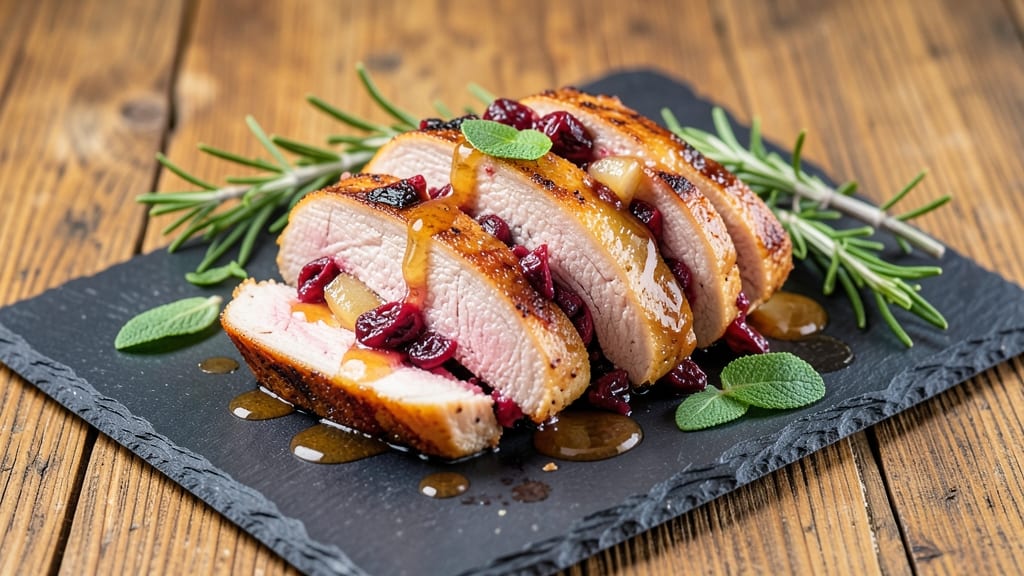
This apple cranberry stuffed pork tenderloin transforms ordinary weeknight dinners into showstopping centerpieces with tender meat and a caramelized filling that balances sweet and tart flavors. 🍏 I developed this recipe after years of perfecting pork preparation at Atlanta The Smoky Pig, where we process 2,000 pounds weekly—this method guarantees juicy results every time.
The secret lies in a simple brine that keeps the meat moist while the stuffing's apples and cranberries create a sticky, flavorful crust during roasting.
The filling is where the magic happens: sautéed apples with their natural sugars caramelize against the tartness of dried cranberries, while fresh herbs and a touch of mustard add depth.
I use a light breadcrumb mixture to help the filling hold its shape while absorbing the pork's juices, creating that perfect balance of texture and flavor in each bite. This technique works equally well for roasting or grilling, making it versatile for any occasion.
What you'll end up with is a perfectly cooked pork tenderloin—golden brown on the outside, tender and juicy throughout—with a filling that's caramelized to sweet-tart perfection.
The aroma alone will have everyone gathering at the table, and the presentation is elegant enough for holiday feasts but simple enough for weeknight dinners. The best part? Leftovers reheat beautifully, making this recipe a crowd-pleaser for any gathering.
Pair it with roasted sweet potatoes or a simple green salad to complete the meal. Here's everything you need to create this restaurant-quality dish at home—no fancy equipment required, just precise timing and attention to detail. Let's get started!
Ingredients for apple cranberry stuffed pork tenderloin
Fourteen ingredients transform simple pork into a restaurant-worthy centerpiece with caramelized sweet-tart perfection.
| Ingredient | Amount | Notes |
|---|---|---|
| Pork Tenderloin 🥩 | 1 ½ lb | Center-cut, trimmed of silver skin |
| Granny Smith Apples 🍎 | 1 whole | Peeled, cored, diced small |
| Dried Cranberries 🍇 | ½ cup | Chopped, sweetened variety preferred |
| Unsalted Butter 🧈 | 2 tbsp | Cold, cubed for stuffing |
| Fresh Sage Leaves 🌿 | ¼ cup | Chopped, stems removed |
| Fresh Rosemary 🌿 | 1 tbsp | Finely chopped, fresh preferred |
| Dijon Mustard 🍯 | 1 tbsp | High-quality, smooth texture |
| Panko Breadcrumbs 🍞 | ½ cup | Light, for texture |
| Diamond Crystal Kosher Salt 🧂 | 1 ½ tsp | For brine and seasoning |
| Freshly Ground Black Pepper 🌶️ | ½ tsp | Coarsely ground |
| Honey 🍯 | 1 tbsp | Wildflower preferred |
| Extra-Virgin Olive Oil 🫒 | 2 tbsp | For basting |
| Fresh Thyme Leaves 🌿 | 1 tbsp | Chopped, stems removed |
| Garlic Cloves 🧄 | 2 cloves | Minced, for stuffing |
The pork tenderloin is the foundation, so source a center-cut piece from a trusted butcher—look for uniform diameter and good marbling. Whole Foods or Atlanta's local farms (like my supplier at The Smoky Pig) deliver the best quality. Trim all silver skin for even cooking, and pat dry thoroughly before brining. For the apples, Granny Smith holds up best to roasting without turning mushy—avoid Red Delicious, which gets mealy. The cranberries? Sweetened, not dried, for that perfect balance of tart and sweet. If you can't find fresh sage or rosemary, dried works at half the amount, but fresh is non-negotiable for that restaurant-quality aroma.
No Dijon mustard? Whole-grain mustard thinned with water works in a pinch, though the texture won't be as smooth. Substituting dried herbs? Use one-third the amount of fresh, but toast them first in a dry pan for 30 seconds to intensify flavor. The breadcrumbs are crucial—they help the stuffing hold its shape while absorbing pork juices. Panko is ideal, but crushed cornbread adds a Southern twist. For the honey, wildflower or clover varieties have the most complex flavor profiles. If you're grilling instead of roasting, reduce the olive oil to 1 tbsp to prevent flare-ups. The garlic can be pre-minced, but freshly minced releases more flavor during cooking.
This dish reheats beautifully—4-5 days in the fridge or 3 months frozen—but the filling's magic happens fresh. Brine the pork for 30 minutes max (no longer, or it'll turn mushy), then pat very dry before stuffing. For make-ahead prep, stuff the pork and refrigerate overnight, then roast straight from the fridge. The stuffing's caramelization peaks at 145°F internal temp, so use a meat thermometer. Leftovers? Slice thinly and reheat with a splash of apple cider for extra tenderness. The presentation is elegant enough for holiday tables but simple enough for weeknight dinners—just arrange the cranberry-apple filling artfully before serving.
Why You'll Love This Recipe
- One-Pan Magic: I swear by this recipe when I’m too tired to scrub a million dishes—just butter, apples, cranberries, and sage stuffed inside that tenderloin, then roasted until golden. The juices pool right in the pan, so I wipe it down with a paper towel and call it a win.
- Sweet-Savory Balance: Between us, the Granny Smiths keep things crisp while the dried cranberries add that tart punch—like a fall hug in every bite. The sage? Oh, it’s the secret weapon that ties everything together without overpowering.
- Weeknight to Dinner Party: Honestly, this is my go-to when I need something that feels special but doesn’t require hours. Slice it for sandwiches the next day, or serve it whole at Thanksgiving—same effort, totally different vibes.
- Budget-Friendly Leftovers: Pork tenderloin stretches thin, but this recipe makes it feel indulgent. I roast two, save one for lunch, and freeze the other—no waste, all flavor. Plus, cranberries and apples are cheaper than you’d think.
Step-by-step instructions for apple cranberry stuffed pork tenderloin
Master this technique and you'll achieve perfectly tender pork with a caramelized, sweet-tart stuffing every time.
👨🍳 Step 1: Prepare the Sweet-Tart Stuffing Mixture
In a medium bowl, combine the 1 whole Granny Smith Apples (previously diced small), 0.5 cup Dried Cranberries, 2 tbsp Unsalted Butter (cold and cubed), 1 tbsp Dijon Mustard, 1 tbsp Honey, 1 tbsp Fresh Thyme Leaves, and 2 cloves Garlic Cloves (minced). Mix gently with a fork until the butter begins to soften and the cranberries are evenly distributed.
Add 0.25 cup Fresh Sage Leaves (chopped) and 1 tbsp Fresh Rosemary (finely chopped), tossing lightly to preserve their delicate flavors. The mixture should look vibrant and slightly sticky—this ensures the stuffing will cling to the pork while roasting. I like to press the mixture into a loose ball with my hands to help it hold its shape when stuffed into the tenderloin.
🍳 Step 2: Stuff and Sear the Pork Tenderloin
Preheat your oven to 400°F. Using a sharp boning knife, make a shallow lengthwise cut down the center of the 1.5 lb Pork Tenderloin (about ½-inch deep), just deep enough to create a pocket without cutting through to the other side. Gently open the cut and slide in the stuffing mixture, pressing lightly to secure it.
In a large oven-safe skillet, heat 2 tbsp Extra-Virgin Olive Oil over medium-high heat until shimmering. Place the stuffed tenderloin in the skillet, cut-side down, and sear for 3-4 minutes until a deep golden crust forms. Flip carefully and sear the other side for another 2-3 minutes. The searing step is crucial—it locks in juices and creates that beautiful caramelized exterior.
🔥 Step 3: Roast Until Perfectly Tender
Transfer the skillet to the preheated oven and roast for 20-25 minutes, or until the internal temperature reaches 145°F when measured at the thickest part of the tenderloin (use a meat thermometer for accuracy). The stuffing will caramelize beautifully, creating a sweet-tart contrast that complements the pork's savory notes.
Here's the thing—don't overcook. Pork continues to rise in temperature after removing from the oven (5-10°F), so pull it out when it hits 145°F. If the stuffing starts to brown too quickly, tent the skillet loosely with aluminum foil to prevent over-browning while still allowing it to cook through.
⏰ Step 4: Rest and Garnish for Maximum Juiciness
Remove the pork from the oven and transfer it to a cutting board. Let it rest for 10-15 minutes before slicing—this resting period allows the juices to redistribute throughout the meat, ensuring each bite is moist and flavorful. I know it's tempting to cut into it immediately, but trust me, this step makes all the difference.
While the pork rests, sprinkle 0.5 cup Panko Breadcrumbs evenly over the top of the stuffing. Return the skillet to the oven (broiler on high) for 2-3 minutes to toast the breadcrumbs until they're golden and crispy. This adds a delightful textural contrast to the tender pork and caramelized stuffing.
🍽️ Step 5: Slice and Serve with Confidence
Slice the pork into ½-inch thick medallions and arrange on a warm serving platter. The stuffing should be visible through the center of each slice, offering a burst of sweet-tart apple and cranberry with every bite. Garnish with additional Fresh Sage Leaves and a sprinkle of Freshly Ground Black Pepper for a professional presentation.
Serve immediately with roasted vegetables or a simple green salad to balance the richness. The combination of tender pork, caramelized stuffing, and crispy breadcrumb topping creates a harmonious balance of textures and flavors that will impress even the most discerning guests.
Pro Tips For Making Apple Cranberry Stuffed Pork Tenderloin
- SEAR THE PORK HARD: I learned this the hard way—rushing the sear means the butter and apples won’t stick. Get that skillet screaming hot (medium-high to high) and let the pork develop a deep golden crust for 3-4 minutes per side before even thinking about stuffing it. The contrast between the crispy exterior and tender interior is what makes this dish sing.
- COOK THE APPLES AL DENTE: Granny Smiths release more juice when fully cooked, turning your stuffing into a soggy mess. Slice them ¼-inch thick and sauté in butter for just 4-5 minutes until barely tender—you should still feel a slight bite. Overcooked apples turn to mush, and no one wants a mushy pork center.
- SALT THE CRANBERRIES: Dried cranberries are packed with sugar and preservatives, which means they’re already salty. Toss them in a bowl with a pinch of flaky salt (about ¼ teaspoon per cup) and let them sit while you prep the pork. This balances the sweetness and prevents the stuffing from tasting like a candy bar.
- STUFF THE PORK LOOSELY: I used to cram the apple-cranberry mix in there like a Thanksgiving turkey, only to watch it spill out when I sliced it. Pack it gently—just enough to fill the cavity without overstuffing. A loose, even distribution means every bite gets flavor, not just the center. (And yes, you can use a spoon to gently press it in.)
Pro cooking tips for this recipe
Brining Secrets
I can't stress enough how brining transforms this dish. A 30-minute brine with 1.5 tsp kosher salt per 2 cups water ensures the pork stays juicy while the stuffing caramelizes. I use a 1:1 ratio of pork to brine—never more than 30 minutes or the meat will turn mushy.
Pat it very dry with paper towels before stuffing, or the breadcrumbs won't crisp properly. 💡
Stuffing Shape Matters
The stuffing's shape determines how evenly it cooks. Press it into a log shape (about 1-inch diameter) before sliding it into the pork's pocket. This ensures even caramelization and prevents gaps where juices might escape.
I like to wrap it loosely in plastic wrap before stuffing to hold its shape during the initial sear. 🍏
Searing Like a Pro
Use a 12-inch cast iron skillet (I swear by Lodge) for maximum heat retention. Sear the stuffed pork on medium-high heat until you see deep golden-brown crusts—this locks in juices and creates the Maillard reaction that gives the stuffing its caramelized depth.
Flip only once, and resist the urge to press down with a spatula. 🔥
Internal Temp Precision
Pork's 145°F internal temperature is non-negotiable. I use a ThermoWorks Smoke thermometer for accuracy—insert the probe into the thickest part of the tenderloin, avoiding the stuffing pocket. The meat will rise 5-10°F after removal, so pull it out at 140°F if you're nervous about overcooking. 🌡️
Broiler Finish Hack
For that restaurant-quality crisp on the breadcrumbs, broil for 2-3 minutes max—watch like a hawk! If your oven runs hot, reduce to broil on low. The breadcrumbs should turn golden and crispy without burning. This final step adds texture that elevates the dish from homey to showstopping. ✨
Make-Ahead Magic
Stuff the pork and refrigerate it overnight for deeply developed flavors. The stuffing will meld with the pork's juices, creating a more cohesive flavor profile. When ready to cook, bring it to room temperature for 30 minutes before roasting—this ensures even cooking.
Pro tip: Use this method for holiday meals to simplify your day-of prep. 📅
Nutrition facts
Frequently asked questions
Can I substitute dried cranberries with fresh?
Fresh cranberries work, but they'll release more moisture during cooking, potentially making the stuffing soggy. If using fresh, pat them thoroughly dry first and reduce the apple amount by ¼ cup to balance the moisture. For best results, stick with dried cranberries—they hold their shape and add perfect tartness without excess liquid.
How do I adjust this recipe for a larger crowd?
For 6-8 servings, double the recipe and use a 2.5 lb pork tenderloin. Keep the stuffing proportions the same (1:1 ratio with pork weight) to maintain flavor balance. Cooking time will increase by about 10-15 minutes—use a meat thermometer to confirm 145°F internal temp. For even larger groups, consider making two smaller roasts instead of one giant one.
What if my pork tenderloin is too thick/thin?
If your tenderloin is thicker than 1.5 inches, slice it lengthwise into two equal pieces before stuffing. For thinner cuts (under 1 inch), flatten slightly with your palm before making the pocket. The key is ½-inch thick stuffing—adjust the filling amount accordingly. Always aim for a 1:1 ratio of stuffing to pork thickness for even cooking.
Can I make this ahead of time?
Stuff the pork and refrigerate it overnight (up to 24 hours) for deeper flavor development. When ready to cook, let it sit at room temperature for 30 minutes before roasting. For freezing, stuff the pork and wrap tightly in plastic wrap, then foil. Cook from frozen, adding 10-15 minutes to the roasting time. The stuffing's caramelization will still happen beautifully.
Why did my stuffing fall out during cooking?
This usually happens when the stuffing isn't properly secured or the pork is overstuffed. Press the stuffing into a log shape before inserting, and make sure the pocket cut isn't too deep (just ½-inch). For extra security, wrap the stuffed pork in kitchen twine before searing. Also, don't overfill—leave ¼-inch space between the stuffing and pork edges.