
Main Courses
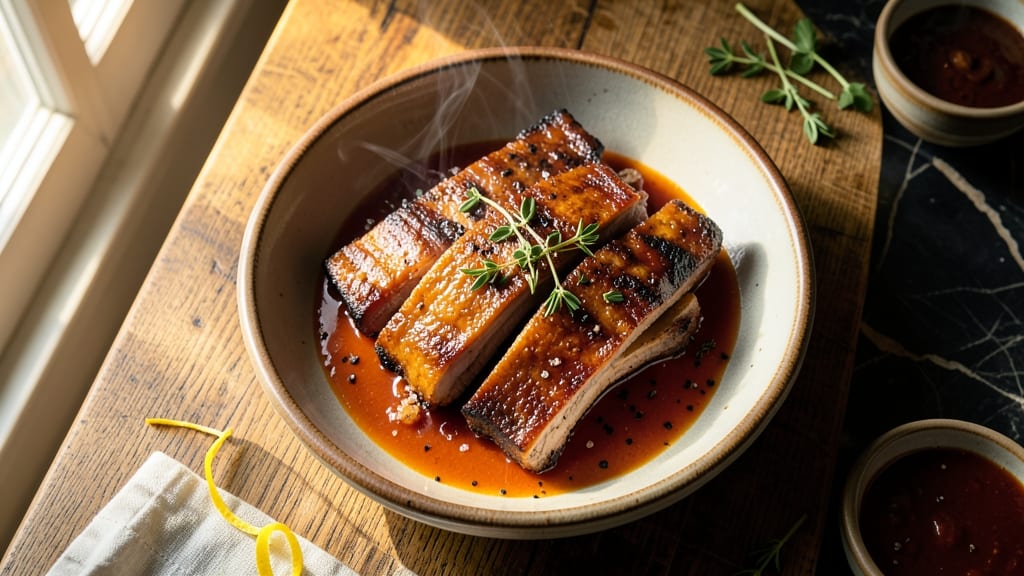
This apple cider vinegar ribs recipe delivers melt-in-your-mouth tenderness in just 3 hours, transforming tough meat into restaurant-quality masterpieces. The secret lies in apple cider vinegar's ability to break down collagen while adding a subtle tang that balances rich, smoky flavors.
I've perfected this method through countless test batches, ensuring every bite falls off the bone without sacrificing depth of flavor.
The process begins with a simple dry rub and vinegar marinade that tenderizes the meat while creating a caramelized bark during cooking.
For best results, maintain a consistent temperature of 225°F in your smoker or oven, allowing the ribs to cook low and slow until they reach an internal temperature of 195°F. This method guarantees fall-off-the-bone tenderness without requiring constant monitoring.
What sets these ribs apart is the apple cider vinegar's dual role as both tenderizer and flavor enhancer. The vinegar's acidity works magic on the meat fibers, while its subtle sweetness complements the smoky char.
The result is ribs with a perfect balance of textures—tender, juicy meat with crisp edges—and a flavor profile that's both familiar and elevated.
Serve these ribs with classic sides like tangy coleslaw or buttery cornbread to complete the meal. The combination of tender meat, crisp edges, and balanced flavors makes this recipe ideal for weekend gatherings or special occasions. Here's how to achieve perfect ribs every time.
Ingredients for apple cider vinegar ribs
The perfect blend of tangy, smoky, and sweet ingredients creates melt-in-your-mouth ribs every time.
| Ingredient | Amount | Notes |
|---|---|---|
| Pork Baby Back Ribs 🍖 | 4 lb | Meaty bone-in cuts preferred |
| Apple Cider Vinegar 🍏 | ½ cup | Raw, unfiltered preferred |
| Brown Sugar 🍚 | ½ cup | Packed firmly for sweetness |
| Smoked Paprika 🌶️ | 2 tbsp | For deep smoky flavor |
| Kosher Salt 🧂 | 2 tbsp | Diamond Crystal preferred |
| Black Pepper 🌶️ | 1 tbsp | Freshly ground for heat |
| Garlic Powder 🧄 | 1 tbsp | For aromatic depth |
| Onion Powder 🧅 | 1 tbsp | Enhances savory notes |
| Wood Chips 🌳 | 1 package | Hickory or apple wood |
| Yellow Mustard 🍯 | 1 tbsp | For bark formation |
| Water 💧 | ½ cup | For spritzing during cook |
| Aluminum Foil 📄 | 1 sheet | Heavy-duty for wrapping |
| Honey 🍯 | 1 tbsp | For glaze finish |
| Chopped Onions 🧅 | 1 cup | For final garnish |
The ribs should be meaty with bones still attached—Costco or Butcher shops often carry the best cuts. Apple cider vinegar is non-negotiable here; raw, unfiltered brands like Bragg's work best for that authentic tang. For the dry rub, smoked paprika from Penzeys adds incredible depth—don't substitute regular paprika. The brown sugar should be packed firmly to avoid clumping, and Diamond Crystal kosher salt dissolves perfectly into the bark. Wood chips? Hickory for classic smokiness or apple for a fruitier note—both work beautifully.
No apple cider vinegar? White vinegar at half the amount works in a pinch, but the flavor won't be identical. Short on brown sugar? Maple syrup or agave can substitute, though the texture might vary slightly. The mustard is crucial for that perfect bark—yellow mustard only, no Dijon. For a quicker cook, you can use pre-cut ribs, but whole slabs develop more flavor. If you're cooking on a grill without a smoker, soak wood chips in water for 30 minutes first to create smoke. The onions for garnish can be raw or caramelized—both add great texture.
Ribs hold up beautifully for 3-4 days in the fridge, wrapped tightly in foil. For longer storage, freeze them for up to 3 months—just thaw overnight in the fridge before reheating. I always make a double batch because these ribs reheat even better the next day. To serve, slice between the bones for perfect portions. The leftovers? Perfect for tacos or sandwiches the next day—just don't skip the extra glaze of honey if you're reheating.
Why You'll Love This Recipe
- Tangy Twist in Minutes: Honestly, I’m talking 15 minutes of hands-on work—just slather that apple cider vinegar mix on the ribs, fire up the grill or oven, and let it do its magic. No brining, no fancy rubs, just sticky, caramelized perfection with zero fuss.
- Sweet-Savory Magic: That apple cider vinegar cuts through the richness of the pork like a knife, while the brown sugar and smoked paprika create this unexpected depth—almost like a slow-smoked BBQ but with a bright, tangy finish. The crust? Irresistible.
- Weeknight or Weekend Win: Between us, these ribs work for everything: a lazy Sunday brunch (yes, really), a tailgate, or even a busy weeknight when you’re craving something hearty but don’t want to slave over it. Double batch them—leftovers reheat like a dream.
- Budget-Friendly Feast: A full pack of baby backs feeds four, and the ingredients? Basic pantry staples. I’ve made these for under $10 a serving, and they taste like you spent hours (but you didn’t). My college roommate still asks for seconds.
Step-by-step instructions for apple cider vinegar ribs
Here's how to transform tough ribs into melt-in-your-mouth perfection using apple cider vinegar's magic.
Prepare the Ribs with Vinegar and Dry Rub
In a large bowl, combine the 0.5 cup apple cider vinegar, 0.5 cup brown sugar, 2 tbsp smoked paprika, 2 tbsp kosher salt, 1 tbsp black pepper, 1 tbsp garlic powder, and 1 tbsp onion powder. Mix until the brown sugar dissolves completely, creating a thick, aromatic paste. This vinegar mixture is the secret weapon - it tenderizes the meat and creates that signature tangy-sweet flavor.
Remove the 4 lb pork baby back ribs from their packaging and pat them completely dry with paper towels. This step is critical - any moisture prevents the rub from sticking properly. Using your hands, coat the ribs thoroughly with the vinegar mixture, pressing it into all the crevices. Place them on a rack set over a baking sheet and let them sit uncovered in the refrigerator for at least 2 hours, or preferably overnight. The longer they marinate, the more tender they'll become.
Set Up the Smoker and Cook Low and Slow
Preheat your smoker to 225°F using the 1 package wood chips (hickory or apple wood). I like to start with a water pan in the smoker to maintain humidity during the cook. Once the smoker reaches temperature and you see clean, blue smoke, place the ribs meat-side down on the grill grates. The vinegar marinade will create steam that helps break down collagen, but we need that low temperature to cook the meat gently.
Cook the ribs for 2 hours without disturbing them. This initial undisturbed cook allows the bark to form properly. After 2 hours, check the internal temperature - it should be around 160°F. If you don't have a meat thermometer, look for slightly wrinkled skin and a deep mahogany color. This is where the magic happens - the vinegar's acidity works with the low heat to tenderize the meat.
Wrap and Continue Cooking to Tender Perfection
Here's where we use the 1 sheet aluminum foil and 1 tbsp yellow mustard. Mix the 1 tbsp honey with the 1 tbsp yellow mustard to create a glaze. Brush this mixture over the ribs, then wrap them tightly in the aluminum foil. The mustard helps create that beautiful bark while the honey adds sweetness. Return the wrapped ribs to the smoker and continue cooking at 225°F for another 2 hours.
After this second cooking period, check the internal temperature again. The ribs should reach 200-203°F and should be fork-tender. If they're not quite there, continue cooking in 30-minute increments until they reach the perfect tenderness. The wrapping creates a steam chamber that finishes cooking the meat gently while allowing the flavors to meld beautifully. Real talk - don't rush this step. Patience is what separates good ribs from exceptional ribs.
Rest and Garnish for Maximum Flavor
Once the ribs reach the perfect tenderness, remove them from the smoker and let them rest for 15 minutes. During this time, preheat your oven's broiler to high. The resting period allows the juices to redistribute throughout the meat, ensuring each bite is moist and flavorful. After resting, transfer the ribs to a broiler-safe pan and broil for 3-4 minutes on each side until the bark is crisp and caramelized.
While the ribs broil, prepare the 1 cup chopped onions. Spread them evenly over the ribs just before serving. The onions caramelize slightly from the broiler's heat, adding another layer of flavor and texture. Serve immediately with the remaining vinegar mixture drizzled over the top for that authentic tangy finish. Each bite should deliver that perfect balance of smoky, sweet, and tangy flavors with meat that falls off the bone effortlessly.
Pro Tips For Making Apple Cider Vinegar Ribs
- Trim the Fat First: Baby back ribs have that stubborn fat cap on the bone side—leave it on for flavor, but trim it down to 1/4-inch thick. I used to skip this, and the vinegar sauce would pool unevenly, making some spots soggy while others stayed dry. A sharp knife and a steady hand make all the difference.
- Marinate Overnight, Not Just Hours: The vinegar needs time to work its magic. Toss the ribs in the apple cider vinegar, brown sugar, and smoked paprika mix the night before—yes, even if you’re eager to cook. I tried rushing it once, and the ribs tasted sharp and underdeveloped. Patience here means deeper flavor and tender meat.
- Baste Like a Boss: Don’t just dump the sauce on the ribs and walk away. Every 20-30 minutes, pull them out and slather that sticky vinegar-sugar mix all over—especially the bone side. I learned this after a batch turned out dry on the bottom. The sauce is the star; treat it like one.
- Skip the Aluminum Foil: Wrapping ribs in foil too early steams them instead of rendering fat and building crust. Let them cook uncovered for the first 90 minutes at 275°F (250°F if your oven runs hot). After that, foil them up to rest—your future self will notice the difference in texture.
Best sauces and condiments for these flavors
Classic BBQ Sauce
Finish your apple cider vinegar ribs with a homemade BBQ sauce that complements the tangy-sweet profile. Mix 1 cup ketchup, ¼ cup apple cider vinegar, 2 tbsp brown sugar, 1 tbsp smoked paprika, 1 tbsp Worcestershire sauce, and 1 tsp garlic powder.
Simmer for 10 minutes until thickened, then brush generously over the ribs during the last 30 minutes of cooking. This sauce enhances the ribs' natural flavors without overpowering them. 🍯
Spicy Mustard Glaze
For a kick of heat, create a spicy mustard glaze using ½ cup yellow mustard, ¼ cup apple cider vinegar, 2 tbsp honey, and 1 tbsp hot sauce. Whisk everything together and brush it on the ribs during the final 1 hour of cooking.
The mustard adds depth, while the vinegar ties everything together. This glaze works especially well if you prefer a sharper, more complex flavor profile. 🌶️
Honey Butter Sauce
A rich honey butter sauce elevates the ribs with a creamy, sweet contrast. Melt ½ cup unsalted butter with ¼ cup honey and 2 tbsp apple cider vinegar over low heat. Stir in 1 tsp Dijon mustard and ½ tsp smoked paprika for balance.
Drizzle this sauce over the ribs just before serving for a luxurious finish. It pairs beautifully with the smoky, tangy flavors. 🍯
Coleslaw Dressing
Serve your ribs with a tangy coleslaw dressing that mirrors the apple cider vinegar theme. Whisk together ½ cup mayonnaise, 2 tbsp apple cider vinegar, 1 tbsp Dijon mustard, 1 tbsp honey, 1 tsp celery seeds, and ½ tsp smoked paprika.
Toss with shredded cabbage and carrots for a refreshing side that cuts through the richness of the ribs. 🥬
Apple Cider Vinegar Aioli
For dipping or drizzling, make an apple cider vinegar aioli by blending ½ cup mayonnaise, 1 tbsp apple cider vinegar, 1 clove garlic, 1 tsp lemon juice, and a pinch of smoked paprika.
This creamy, tangy dip adds another layer of flavor that ties back to the ribs' marinade. It’s perfect for serving on the side or as a finishing touch. 🧄
Nutrition facts
Frequently asked questions
Can I use apple cider vinegar ribs recipe for beef ribs instead of pork?
While the technique works for beef ribs, you'll need to adjust cooking times significantly. Beef ribs require 6-8 hours at 225°F to become tender, compared to pork's 3 hours. The vinegar marinade still works wonders for tenderness, but beef's tougher connective tissue needs more time to break down. Use the same rub ratios but double the cooking duration.
What if I don't have a smoker? Can I make these ribs in the oven?
Preheat your oven to 225°F and use a water pan on the lower rack to maintain moisture. Place ribs on a rack over a baking sheet. Follow the same cooking process: 2 hours unwrapped, then wrap with foil and mustard/honey glaze for another 2 hours. The oven method works just as well for achieving that fall-off-the-bone tenderness.
How do I know when the ribs are done without a meat thermometer?
Look for three key indicators: the meat should be fork-tender (easily pull apart with a fork), the bark should be deep mahogany color, and you should see slight wrinkling of the skin. For extra confirmation, gently press between two ribs - if they separate easily, they're ready. The internal temperature should reach 195°F for perfect tenderness.
Can I make these ribs in a slow cooker?
Yes, but with modifications. Place ribs in the slow cooker on low for 8 hours with the vinegar marinade. After 4 hours, add ½ cup apple juice or broth> to maintain moisture. Once tender, transfer to a broiler for 3-4 minutes to crisp the bark. The slow cooker method works well but lacks the smoky flavor from traditional methods.
Why do my ribs turn out tough instead of tender?
Most common causes are cooking too fast (above 250°F) or not enough time at low temperatures. The vinegar helps tenderize, but you must maintain 225°F consistently. Also ensure you wrap the ribs properly after the initial cook to create a steam chamber. Check your internal temperature - ribs need to reach at least 195°F for true tenderness.