
Sauces & Condiments
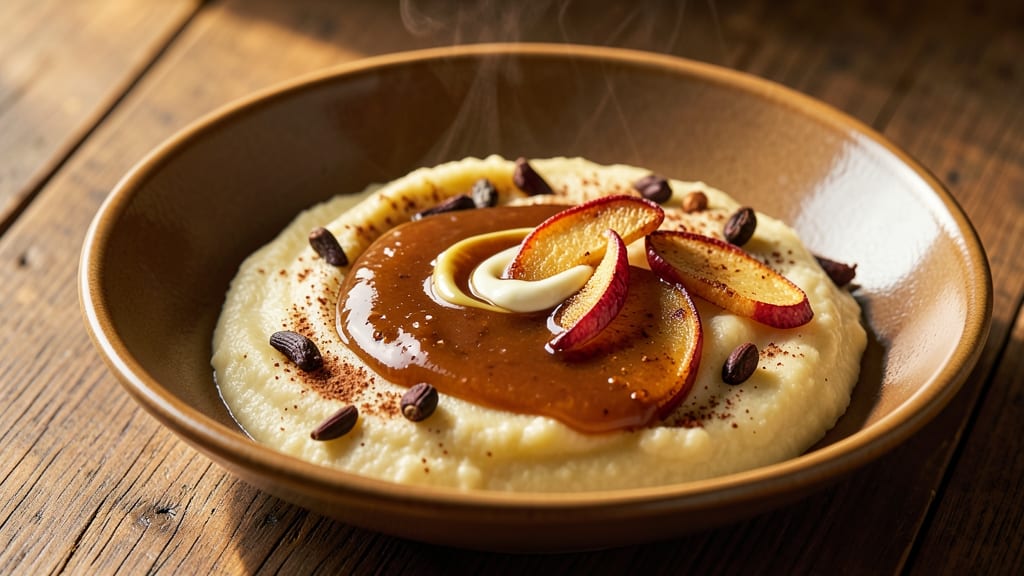
This apple cider reduction sauce recipe transforms simple ingredients into a rich, aromatic sauce that elevates everything from roasted pork to vanilla ice cream. The secret lies in slow simmering—reducing apple cider with spices until it thickens into a glossy, caramel-hued masterpiece.
I developed this recipe after years of experimenting with holiday sides, and it’s now my go-to for adding depth to both savory and sweet dishes.
The process is straightforward but requires patience: simmering the cider with cinnamon, cloves, and sugar until it reduces by half creates a concentrated flavor that’s far more complex than store-bought versions.
A touch of butter at the end adds velvety richness, while a pinch of celery crunch (optional but recommended) provides a refreshing contrast that cuts through the sauce’s sweetness. This isn’t just a sauce—it’s a flavor multiplier.
What makes this sauce truly versatile is its ability to adapt. Drizzle it over roasted meats for a sticky, caramelized glaze, stir it into whipped cream for a dessert upgrade, or use it as a glaze for appetizers like brie and crackers.
The balance of sweet, spicy, and aromatic notes ensures it works in both traditional and unexpected ways. Once you try it, you’ll reach for this recipe again and again.
Best of all, the sauce keeps well in the refrigerator for up to two weeks, making it perfect for meal prep. Store it in an airtight container, and reheat gently on the stove—just enough to restore its silky texture.
Whether you’re hosting a holiday feast or simply craving a taste of autumn, this sauce delivers restaurant-quality results with minimal effort.
Ingredients for apple cider reduction sauce
Nine ingredients, one sauce that turns ordinary dishes into autumn masterpieces.
| Ingredient | Amount | Notes |
|---|---|---|
| Apple Cider 🍎 | 4 cups | Unfiltered, spiced variety preferred |
| Granulated Sugar 🍚 | ¾ cup | Light brown sugar adds caramel notes |
| Ground Cinnamon 🌿 | 1 ½ tsp | Ceylon cinnamon for delicate flavor |
| Whole Cloves 🌶️ | 4 whole | Lightly crushed for aroma |
| Unsalted Butter 🧈 | 4 tbsp | Cold, cubed for finishing |
| Fresh Celery 🧅 | ¼ cup | Finely chopped, optional crunch |
| Vanilla Extract 🍯 | ½ tsp | Pure Madagascar preferred |
| Sea Salt 🧂 | ¼ tsp | Fine grain for balancing sweetness |
| Fresh Lemon Juice 🍋 | 1 tbsp | Brightens the finished sauce |
The apple cider makes all the difference—Mulligan's or Woodchuck brands have the best spice blend built right in. If you're using plain cider, add an extra pinch of cinnamon and a star anise for depth. Sugar is key here, but don't grab the cheapest bag—Domino or C&H dissolve perfectly without graininess. The butter? Plugrá or Land O'Lakes unsalted melt beautifully for that silky finish. For the celery, grab the freshest bunch you can find—wilting means bitter flavor. Store all spices in airtight containers away from light to preserve their punch.
No spiced cider? Add 0.5 tsp pumpkin pie spice to plain cider for similar warmth. Running low on vanilla? Almond extract at half the amount works in a pinch. The celery crunch is optional but recommended—if you skip it, add an extra pinch of salt to balance the sweetness. For a deeper caramel flavor, swap half the sugar for molasses or maple syrup. And if you're making this ahead, the sauce actually improves overnight as flavors meld—just reheat gently to restore its gloss.
This sauce keeps beautifully in the fridge for 2 weeks in an airtight jar. For longer storage, freeze portions in ice cube trays—perfect for adding to dishes later. Reheat gently on low heat, stirring occasionally, until just warmed through. The sauce thickens as it cools, so don't worry if it looks too thin when reheated. I always make a double batch—one for immediate use and one to stash in the freezer for holiday leftovers. The celery crunch loses its texture after freezing, so add that fresh when serving.
Why You'll Love This Recipe
- Pantry Magic: I swear, this sauce comes together with stuff you already have—no fancy shopping required. Simmer apple cider, sugar, and spices until it thickens into something rich and glossy, then finish with butter. That’s it. No stress, no hunting for obscure ingredients.
- Spice-Perfect Balance: The cinnamon and cloves deepen the apple cider’s warmth while the sugar caramelizes into a velvety sweetness—like autumn in a spoonful. Honestly, the first time I tasted it, I nearly licked the pot clean.
- Weeknight to Holiday: Drizzle it over roasted pork chops for a cozy Tuesday dinner, or serve it with brie and crackers at your next gathering. It’s the kind of sauce that works just as hard for lazy nights as it does for impressing guests.
- Leftovers That Pay Off: Make a double batch and stash it in the fridge—it only gets better after a day or two as the flavors meld. Plus, a single jar costs pennies compared to store-bought sauces, and it’ll last for weeks. My secret weapon for frugal entertaining.
Step-by-step instructions for apple cider reduction sauce
Here's how to transform simple ingredients into a rich, aromatic sauce with perfect balance.
Infuse the Apple Cider with Spices
Combine the 4 cups apple cider, 0.75 cup granulated sugar, 1.5 teaspoons ground cinnamon, and 4 whole cloves in a medium saucepan. I like to use a heavy-bottomed pan for even heating—this prevents scorching. Bring the mixture to a gentle boil over medium-high heat, then immediately reduce to medium-low heat.
Let it simmer uncovered for 15-20 minutes until the volume reduces by about one-third and the liquid turns a deep amber color. You'll notice the aroma intensify—this is when the spices release their full flavor. If you see any sugar crystals forming at the edges, stir gently to dissolve them. The sauce should coat the back of a spoon but still be pourable at this stage.
Reduce and Build Complexity
Continue simmering for another 10-15 minutes until the sauce thickens noticeably and coats the spoon like honey. You're looking for a consistency that's syrupy but still flows smoothly. This reduction process concentrates the flavors, transforming the cider into something rich and complex.
About 5 minutes before the sauce reaches your desired thickness, stir in the 0.5 teaspoon vanilla extract and 0.25 teaspoon sea salt. The vanilla adds depth while the salt balances the sweetness. Taste and adjust—you might want to add a touch more salt depending on your cider's natural sweetness. The sauce should be sweet, spicy, and subtly complex at this point.
Finish with Brightness and Crunch
Remove the sauce from heat and let it cool slightly for 2-3 minutes. This resting period allows the flavors to meld. While it cools, finely chop the 0.25 cup fresh celery into tiny pieces—think rice-sized bits. Stir in the celery and 1 tablespoon fresh lemon juice, reserving a few celery pieces for garnish if desired.
The lemon juice brightens the sauce, cutting through the richness while enhancing the apple flavors. The celery adds a delightful textural contrast that keeps each bite interesting. If you prefer a smoother sauce, you can strain out the celery before serving, but I find the crunch adds a nice dimension.
Incorporate the Butter for Silkiness
Return the sauce to low heat and add the 4 tablespoons cold, cubed unsalted butter. Stir constantly until the butter melts completely and the sauce becomes glossy and smooth. This step emulsifies the sauce, giving it that luxurious, velvety texture we all love.
Watch the sauce carefully—it should thicken slightly as the butter incorporates. If it becomes too thick, you can thin it with a splash of warm water or apple cider. The finished sauce should coat the back of a spoon but still be pourable. Taste one final time and adjust seasoning if needed—sometimes the butter can dilute the flavors slightly.
Serve Warm with Contrast
Transfer the sauce to a serving bowl or pitcher and let it sit for 5 minutes to allow any remaining heat to fully integrate the flavors. Serve warm over roasted meats, mashed potatoes, or even as a dipping sauce for crusty bread. The contrast of the warm, spiced sauce with cool, creamy sides makes it truly special.
For an extra touch, garnish with the reserved chopped celery or a sprinkle of ground cinnamon. The sauce will keep in the refrigerator for up to 5 days, though it's best enjoyed fresh while the flavors are at their peak. This reduction technique transforms simple ingredients into something truly memorable—worth every minute of simmering time.
Pro Tips For Making Apple Cider Reduction Sauce
- STIR CONSTANTLY AT FIRST: The first 5 minutes are where most people burn it—don’t walk away. Use a wooden spoon and keep it moving until the sugar fully dissolves and the mixture stops splattering like a mini volcano. After that, you can ease up, but not before.
- USE WHOLE SPICES, NOT GROUND: Toss in 2-3 whole cloves and a cinnamon stick instead of pre-ground spices. They infuse flavor without overpowering, and you can fish them out later. (Yes, I’ve swallowed ground cinnamon by accident—don’t ask.)
- SKIP THE BOIL-OVER DRAMA: If your cider starts foaming wildly, lower the heat immediately. A splash of cold water or a spoonful of sugar can calm it down, but rushing it just means sticky messes on your stove. Patience here saves cleanup.
- FINISH WITH COLD BUTTER: Let the reduction cool slightly before whisking in the butter—room temp butter clumps like lumpy glue. Cut it into small cubes first, then add it one piece at a time while stirring fast. The sauce will look weirdly thick at first, but it smooths out.
Essential equipment for perfect results
Heavy-Bottomed Saucepan
A 3-quart stainless steel saucepan with a heavy base is my go-to for this reduction—it distributes heat evenly and prevents scorching. I swear by the All-Clad Stainless or Calphalon brands for their durability and responsive heat control.
If you're on a budget, a Cuisinart MultiClad works beautifully too. The key is avoiding thin, reactive metals like aluminum that can alter flavors. 🔥
Fine-Mesh Strainer
For a smoother sauce without celery bits, a fine-mesh strainer is essential. I recommend the OXO Good Grips—it’s sturdy, easy to clean, and won’t clog with thickened sauce.
If you’re keeping the crunch, skip this step entirely. Just be sure to rinse it thoroughly after use, as apple cider residue can stain over time.
Wooden Spoon
Never use metal utensils when stirring this sauce—wooden spoons prevent scratching the pan and burning the sugar. A long-handled one like the Ozeri Touch-Grip gives you better control and keeps your hands safe from splatters. Stirring gently helps dissolve sugar crystals and prevents sticking, ensuring a silky finish.
Kitchen Scale
While measurements are given in cups and teaspoons, a digital kitchen scale (like the Escali Primo) ensures precision, especially for sugar and butter. This is critical for balancing sweetness and richness.
For example, 4 tablespoons of butter weighs about 56 grams—slight variations can drastically change the sauce’s texture and flavor profile.
Thermometer
A candy or sauce thermometer (I love the Thermoworks Thermapen) helps track reduction progress. Aim for a 220-230°F reading when the sauce coats the back of a spoon—this ensures consistency without over-reducing. It’s a game-changer for nailing the perfect thickness every time, especially if you’re making this ahead.
Air-Tight Storage Container
For leftovers, transfer the sauce to a glass jar with an airtight lid—I prefer Le Parfait for its durability. Mason jars work too, but avoid plastic, which can absorb odors.
Label with the date to track freshness, as the sauce thickens further in the fridge. A splash of water restores its pourability when reheating.
Nutrition facts
Frequently asked questions
Can I use store-bought apple cider instead of fresh?
Store-bought cider works perfectly, but choose an unfiltered, spiced variety for the best flavor. Brands like Mulligan's or Woodchuck have built-in spices that enhance the reduction. If using plain cider, add an extra ½ teaspoon pumpkin pie spice to mimic the warmth of traditional spiced cider.
How do I know when the sauce is reduced enough?
The sauce is ready when it coats the back of a spoon like honey and has reduced by about half. Aim for a 220-230°F internal temperature using a candy thermometer. It should be syrupy but still pourable—if it's too thick, thin it with a splash of warm water or cider.
Can I make this sauce ahead of time?
Yes! This sauce actually tastes better after resting. Store it in an airtight container in the fridge for up to 2 weeks or freeze it in ice cube trays for later use. Reheat gently on low heat, stirring occasionally, until warmed through. The flavors deepen overnight, making it perfect for meal prep.
What can I do if my sauce crystallizes?
If sugar crystals form, simply stir gently to dissolve them. If the sauce becomes grainy, strain it through a fine-mesh sieve to remove any undissolved sugar. For prevention, use a heavy-bottomed pan and stir occasionally during simmering. If all else fails, thin the sauce slightly with warm water and reheat until smooth.
Is this sauce good for desserts too?
This versatile sauce works beautifully with desserts. Drizzle it over vanilla ice cream, cheesecake, or pound cake for a warm, spiced contrast. It also pairs wonderfully with caramel apples or as a glaze for baked apples. The lemon juice and celery crunch add a refreshing brightness that cuts through rich desserts.