
Sauces & Condiments
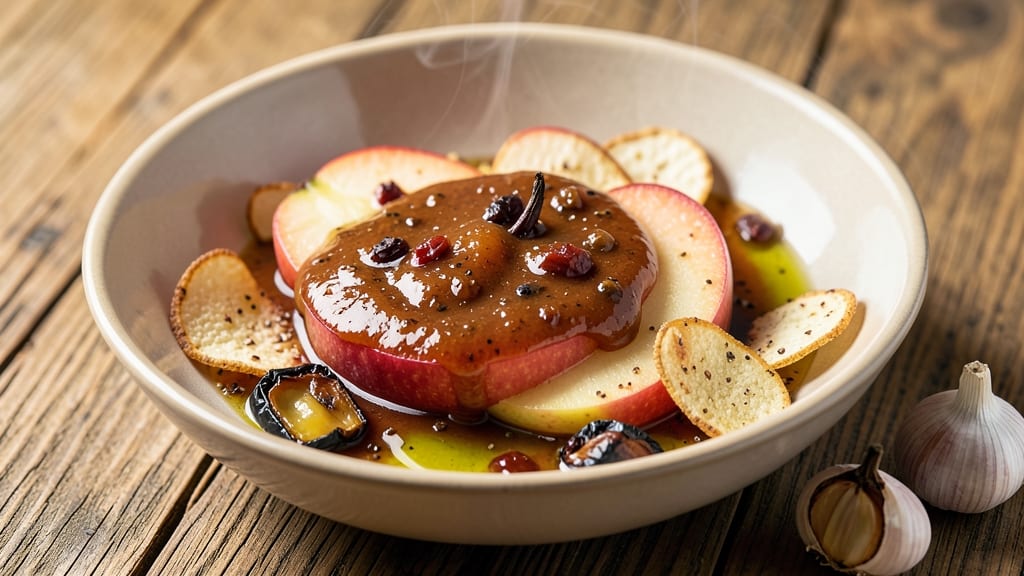
This apple chipotle sauce recipe transforms smoky heat into a velvety-sweet condiment that elevates everything from tacos to grilled chicken. The secret lies in balancing tart apples with smoldering chipotle peppers, creating a sauce that's both complex and approachable.
I developed this after craving a smoky-sweet glaze that could stand up to bold flavors without overpowering them.
What sets this sauce apart is its versatility—it works as a dip, marinade, or glaze, and the simmering process deepens the flavors while keeping the texture smooth. You'll start with fresh apples for natural sweetness, then build layers of smokiness with chipotle peppers in adobo sauce.
A touch of vinegar brightens the mix, while spices like cumin and garlic add depth.
The result is a rich, balanced sauce with just the right amount of heat and sweetness—creamy enough to coat perfectly but with enough body to cling to food.
It's the kind of condiment that turns simple dishes into something extraordinary, whether you're drizzling it over roasted vegetables or using it as a dip for fries.
Best of all, this sauce keeps well in the fridge for up to a week, making it perfect for meal prep. Let's get started—your taste buds will thank you.
Ingredients for apple chipotle sauce
Fresh apples and smoky chipotle create this velvety-sweet sauce that transforms any dish.
| Ingredient | Amount | Notes |
|---|---|---|
| Honeycrisp Apples 🍎 | 2 medium | Peeled, cored, diced small |
| Chipotle Peppers in Adobo 🌶️ | 2 whole | Mined, seeds removed |
| Apple Cider Vinegar 🍎 | ¼ cup | For brightness and tang |
| Extra-Virgin Olive Oil 🫒 | ½ cup | High-quality for richness |
| Garlic Cloves 🧄 | 4 cloves | Peeled, minced finely |
| Ground Cumin 🌿 | 1 tbsp | Toasted for depth |
| Smoked Paprika 🌶️ | 1 tbsp | For smoky complexity |
| Granulated Sugar 🍚 | ¼ cup | Balances tartness |
| Salt 🧂 | ½ tsp | Kosher or sea salt |
| Black Pepper 🌶️ | ¼ tsp | Freshly cracked |
The apples are the heart of this sauce—Honeycrisp or Fuji work best for their balance of sweetness and tartness. Local farmers markets often have the best selection, but any crisp apple will do. Look for firm, unblemished fruit—avoid anything with soft spots or browning. Chipotle peppers in adobo are a must; the Hatch brand is my go-to, but any quality canned chipotle will work. If you can't find fresh apples, unsweetened applesauce (about 1 cup) is a decent substitute, though it lacks the fresh fruit brightness.
No apple cider vinegar? White vinegar or balsamic vinegar work in a pinch, though they'll change the flavor profile slightly. Want more heat? Add an extra chipotle pepper or a pinch of cayenne. The olive oil should be extra-virgin—it makes all the difference in the final texture. For a smoother sauce, blend the cooked mixture until silky. If you're making this ahead, reduce the vinegar slightly to prevent the sauce from becoming too acidic over time.
This sauce keeps beautifully—store it in an airtight container in the fridge for up to 1 week. For longer storage, freeze in ice cube trays for 3 months. The flavors actually improve after a day or two as everything melds together. I like to make a double batch and use it as a marinade for chicken or pork, then drizzle the leftovers over roasted vegetables. The sauce thickens as it cools, so stir in a splash of water if it becomes too stiff.
Why You'll Love This Recipe
- Five-Ingredient Magic: I swear by this combo—just apples, chipotle, vinegar, olive oil, and garlic. That’s it. No fancy gadgets, no stress, just a blender and 10 minutes of your time. Honestly, the first time I made it, I thought, "This can’t possibly work," but now it’s my go-to for when I’m too tired to think.
- Sweet Heat Balance: The Honeycrisp apples add this bright, almost caramel-like sweetness that cuts through the smoky chipotle heat. It’s not too spicy, not too cloying—just that perfect push-and-pull of flavors that makes you want to drizzle it on everything. (Yes, even on my morning toast.)
- Weeknight Workhorse: This sauce is my secret weapon for lazy dinners. Toss it with grilled chicken, stir it into beans, or use it as a marinade for tofu—it’s that adaptable. I’ve even poured it over cold pasta when I was too wiped to cook anything else. (No judgment.)
- Fridge-Friendly Flex: Between us, I make a big batch on Sundays and let it sit in the fridge all week. The flavors actually deepened after a few days, which shocked me. It’s cheap to make, too—just a few apples and a can of chipotles stretch into meals for days. No waste, all win.
Step-by-step instructions for apple chipotle sauce
Here's how to balance sweet apple essence with smoky chipotle heat for a sauce that's complex yet simple to make.
Sauté the Chipotle Peppers and Aromatics
Heat the 0.5 cup extra-virgin olive oil in a medium saucepan over medium heat. Add the 2 whole chipotle peppers in adobo, minced, along with the 4 cloves minced garlic. Cook for 2-3 minutes until the peppers soften slightly and the garlic becomes fragrant—not browned yet, just perfumed. This step extracts the maximum smoky depth from the peppers while preventing bitterness.
Here's the thing—don't rush this. The oil should shimmer gently around the peppers, not bubble aggressively. If it starts to smoke, reduce the heat slightly. You're building flavor, not frying. The peppers should turn translucent and release their natural oils into the oil.
Add Spices and Cook Until Toasted
Stir in the 1 tablespoon ground cumin and 1 tablespoon smoked paprika, cooking for another 30 seconds until the spices are fragrant and the mixture smells like a campfire in the woods. This toasting step awakens the spices' hidden notes and prevents them from tasting raw when the sauce comes together.
Watch closely—cumin burns quickly. You'll know it's ready when the spices release their aroma and the oil takes on a deeper, almost nutty scent. If it starts to darken too much, remove the pan from heat immediately. The goal is to perfume the oil, not char the spices.
Incorporate Apples and Sugar
Add the 2 medium diced Honeycrisp apples and 0.25 cup granulated sugar to the pan. Stir well to coat the apples in the spiced oil. Cook for 5-6 minutes over medium-low heat, stirring occasionally, until the apples soften and begin to caramelize at the edges. You're looking for a balance here—soft enough to break down but still holding some texture.
I like to press down gently on the apple pieces with a wooden spoon during this time. This helps release their juices into the sauce while preventing them from breaking into mush. The apples should release their natural sweetness and start to develop a golden hue around the edges.
Simmer with Vinegar and Season
Pour in the 0.25 cup apple cider vinegar and bring the mixture to a gentle simmer. Reduce heat to low and let it cook uncovered for 10-12 minutes, stirring occasionally, until the sauce thickens slightly and the apples are completely tender. This simmering step develops the sauce's depth and allows the vinegar to brighten the flavors.
The sauce should reduce enough to coat the back of a spoon but still maintain a pleasant consistency. If it thickens too much before the apples are tender, add 1-2 tablespoons water to loosen it. The vinegar will help balance the sweetness while adding a pleasant tang.
Finish with Seasoning and Strain
Remove the pan from heat and stir in the 0.5 teaspoon salt and 0.25 teaspoon black pepper. Let the sauce sit for 5 minutes to allow all the flavors to meld together. Then, strain it through a fine-mesh sieve into a clean bowl, pressing gently on the solids to extract maximum flavor.
This strained version gives you a silky, restaurant-quality sauce with no texture. If you prefer some texture, you can leave the apples in but mash them slightly with a fork before adding to the sauce. The final product should have a beautiful balance of sweet apple, smoky chipotle, and bright vinegar notes with just a hint of heat from the peppers.
Pro Tips For Making Apple Chipotle Sauce
- STRAIN THE ADOBO SAUCE: That thick, oily adobo sauce from the can? It’s where the flavor hides, but it also makes your sauce greasy if you don’t remove it. After blending the chipotle peppers, strain the mixture through a fine-mesh sieve or cheesecloth—yes, it’s messy, but your sauce will be silky, not slick. I used to skip this and wondered why my sauce tasted like a chipotle oil spill.
- COOK THE GARLIC LOW: Garlic burns faster than you think, especially when you’re distracted by the apples caramelizing. Once you add the minced garlic to the pan, drop the heat to medium-low and keep an eye on it—it should sizzle gently, not brown aggressively. After burning three batches, I finally figured out that patience here means the difference between aromatic and bitter.
- PEEL THE APPLES AFTER COOKING: Raw Honeycrisp skin is tough and doesn’t soften well—it turns to mush or stays stubbornly chewy. Peel the apples after they’ve cooked down into a sauce, when the flesh is tender and the skin slips off easily. This isn’t the prettiest method, but it’s the tastiest, and you’ll save yourself from scraping out gritty bits later.
- SWAP CIDER FOR BALANCE: If your sauce tastes too sharp or one-note, reach for apple cider vinegar and a splash of the actual liquid from the adobo can—it’s tangy, smoky, and cuts through the sweetness like a knife. I was skeptical until I tried it: the acidity brightens the apples, and the adobo liquid adds depth without overpowering. Start with 1 tablespoon of each, then adjust.
Serving suggestions for this recipe
Taco & Nacho Topper
This sauce is a game-changer for tacos and nachos—just drizzle 2-3 tablespoons over your favorite fillings. I love using it with shredded chicken or carnitas on corn tortillas, then adding crumbled cotija cheese and pickled red onions.
For nachos, spread ½ cup sauce over tortilla chips, then top with black beans, jalapeños, and a dollop of sour cream. The sweetness balances the heat perfectly. 🌶️
Grilled Meat Glaze
Brush this sauce onto grilled meats like pork chops or ribs during the last 5-7 minutes of cooking. The apple sweetness caramelizes beautifully, creating a sticky glaze. I recommend using it on bone-in pork chops—the sauce clings to the meat while the bone stays tender.
For ribs, apply after the fall-off-the-bone stage for extra flavor. 🔥
Dipping Sauce
Serve this sauce as a dip for fries, veggie sticks, or chips. Thin it slightly with 1 tablespoon water if needed for easier dipping. I pair it with crispy sweet potato fries or plantain chips—the contrast of textures makes it irresistible.
For extra fun, add a sprinkle of chopped cilantro right before serving. 🥔
Pasta & Grain Elevator
Toss ½ cup sauce with cooked penne pasta, farro, or quinoa for an instant flavor boost. The smoky-sweet notes complement earthy grains beautifully. I also love adding grilled chicken or sautéed mushrooms to round out the dish.
For extra richness, stir in 1 tablespoon cream cheese at the end. ✨
Breakfast Twist
Use this sauce as a sweet-and-smoky topping for breakfast dishes like pancakes, waffles, or French toast. Drizzle 1-2 tablespoons over warm pancakes and top with Greek yogurt and toasted pecans.
The heat wakes up your taste buds, while the apple sweetness keeps it balanced. Trust me, it’s a crowd-pleaser! 🍳
Nutrition facts
Frequently asked questions
Can I use fresh chipotle peppers instead of canned ones?
Fresh chipotle peppers are much hotter and more pungent than canned adobo peppers, so use them sparingly. For this recipe, substitute 1 fresh chipotle pepper (seeds removed) for ½ canned chipotle in adobo, then adjust the heat level to taste. Roast the fresh pepper first to mellow its intensity before using.
How can I adjust the sweetness or heat level?
For more sweetness, add 1-2 extra tablespoons of sugar or substitute 1 tablespoon of honey for the vinegar. For more heat, increase chipotle to 3 peppers or add ½ teaspoon cayenne pepper. To reduce heat, omit the seeds from the chipotle peppers or reduce the amount to 1 pepper.
What's the best way to store leftover sauce?
Store in an airtight container in the fridge for up to 1 week, where flavors deepen over time. For longer storage, freeze in ice cube trays for 3 months. The sauce thickens when chilled—stir in 1 tablespoon water to thin before reheating. Microwave in 20-second intervals to avoid curdling.
Can I make this sauce without apples?
Yes! Replace apples with 1 cup unsweetened applesauce or ½ cup apple juice plus 1 tablespoon cornstarch to thicken. For a different twist, try ½ cup diced pear or ¼ cup dried apricots (soaked first). The fruit adds natural sweetness that balances the smoky-spicy flavors.
Why did my sauce turn out too thin?
This usually happens if you didn't simmer long enough or used too much vinegar. To fix it, simmer uncovered for 5-10 more minutes to reduce, or stir in 1 teaspoon cornstarch mixed with 1 tablespoon water until thickened. For future batches, reduce the vinegar to ¼ cup or simmer uncovered to concentrate flavors.